
Reviewed · HISTORICAL TOURS
Barcelona in 2 Hours: Guided Walk Through History and Sights
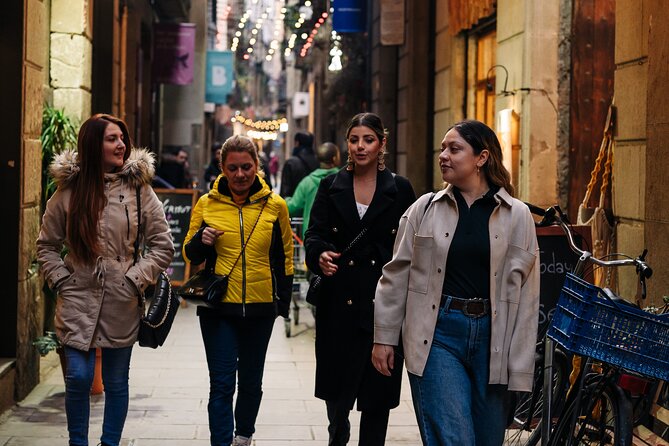
Barcelona’s old center is a book with its best pages scattered down side streets. This two-hour walk links Roman remains, Gothic churches, Jewish quarter lanes, political squares, and the maritime district of El Born. The route is not about checking off one grand sight. It is about understanding how the city was built, ruled, wounded, and rebuilt.
I like the route’s range: Els 4 Gats connects you with Picasso and Gaudí, while Plaça Sant Felip Neri and El Call open darker, less obvious chapters. I also like the practical local touch. Guides including Darren, Petra, Jorge, Sonia, and Vanessa have been praised for clear explanations, good questions, and restaurant suggestions.
The main drawback is pace. Eleven stops in two hours means you will see many places from the outside, and admission to Barcelona Cathedral and Santa Maria del Mar is not included. A noisy street can also make it hard to hear, especially since one outing had no speaker or audio device.
Key points before you book
- A compact route through two districts: Walk from the Gothic Quarter into El Born without spending half the day on transport.
- History beyond the headline sights: Hear about Roman Barcelona, Catalan identity, the Inquisition, Jewish Barcelona, and the city’s maritime past.
- Picasso and Gaudí connections: Els 4 Gats gives the opening stop an artistic spark.
- A useful first-day orientation: Local advice from guides such as Jorge, Sonia, and Darren can help shape the rest of your stay.
- Small-group format: The group is capped at 20 people, with a private upgrade available.
- Good value at $22.99: You get a guided introduction to eleven locations, but not a full interior tour of the paid churches.
Why this two-hour walk works as a first look
The tour starts at Plaça del Vuit de Març in Ciutat Vella and ends at Basílica de Santa Maria del Mar. That direction matters. You begin among the narrow lanes of the Gothic Quarter, then finish in El Born, where the basilica and nearby streets give the walk a satisfying final chapter.
At $22.99 per person, this is priced as an affordable orientation rather than a full museum tour. I think the value is strongest on your first day in Barcelona, when you want a map in your head and some historical context before exploring alone.
You will not get long visits inside every church or building. Instead, the guide uses short stops to explain why each site matters. That works well for people who prefer a broad picture, but less so if you want time for detailed architecture photography or extended quiet visits.
The English-only format keeps the presentation focused. Confirmation arrives when you book, and the activity is near public transport. The maximum group size is 20, which is manageable in tight medieval streets, though it is not the same as a private walk.
More Historical Tours in Barcelona
- Barcelona: Tapas Walking Tour with Food, Wine, and History
★ 4.8 · 4,261 reviews - Barcelona Tapas Walking Tour: Food, Wine & History
★ 4.5 · 1,928 reviews - Barcelona: 2.5-Hour Bike or E-Bike Historical Tour
★ 4.5 · 1,262 reviews
Els 4 Gats opens with Barcelona’s artistic side
The first stop is Els 4 Gats, a café and restaurant tied to the city’s modernist and artistic circles. Picasso and Antoni Gaudí were among the figures associated with the place, and its Art Nouveau exterior immediately gives you a visual clue about Barcelona’s creative character.
This is a smart beginning because it avoids starting with a generic city introduction. You get a specific room, a specific building, and a link to the artists who helped shape Barcelona’s image. The exterior visit is free, but the stop is short, about 10 minutes.
If Picasso interests you, listen for the connection between the café and his early career. One guide also pointed out the site of Picasso’s first solo exhibition during the wider route. That sort of detail helps turn a familiar name into a person who was once part of the same streets you are walking.
A mosaic turns a photo stop into a Catalan story
At El Món Neix en Cada Besada, a photomosaic forms one of the route’s most memorable visual pauses. Its title means The World Begins With Every Kiss, but the work carries a political and historical meaning beyond its photogenic surface.
The image relates to Catalonia’s defeat on September 11, 1714. That date became the basis for La Diada, Catalonia’s national day. A good guide can use this small public artwork to explain why Catalan identity remains such a strong part of local life.
This is one of the tour’s best examples of looking past the obvious. You might first see a colorful wall made for photographs. The explanation gives it another layer, connecting art, memory, and the continuing desire for Catalan independence.
Barcelona Cathedral and the story of Saint Eulalia
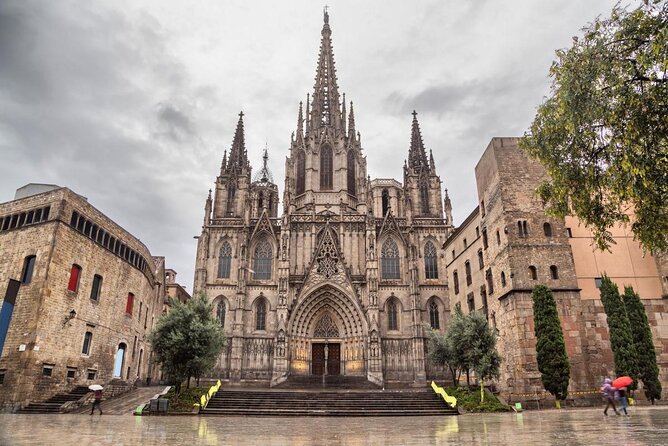
The Cathedral of Barcelona brings the route into the city’s religious center. Built over several centuries in the Gothic style, it is dedicated to Saint Eulalia, Barcelona’s patron saint. Her death made her a martyr, and the cathedral’s decoration reflects her story.
The stop lasts about 10 minutes. Admission is not included, so treat the guided visit as an introduction rather than a substitute for going inside. If you want to inspect the interior at length, plan a separate visit and check the conditions at the time of your trip.
The short explanation is still useful. Gothic buildings can blur together after several days in Europe, but a local story gives this one a clear identity. Here, the church is not only an impressive shell. It is part of Barcelona’s long religious and civic story.
More Walking Tours in Barcelona
- Barcelona Tapas and Wine Experience Small-Group Walking Tour
★ 5.0 · 5,804 reviews - Barcelona: Tapas Food Crawl Walking Tour with Tastings
★ 4.9 · 1,798 reviews - Barcelona: Gothic Quarter Ghosts and Legends Walking Tour
★ 4.7 · 1,443 reviews - Barcelona Helicopter, Sailboat & Old Town Private Walking Tour
★ 5.0 · 1,395 reviews
Casa de l’Ardiaca preserves older layers
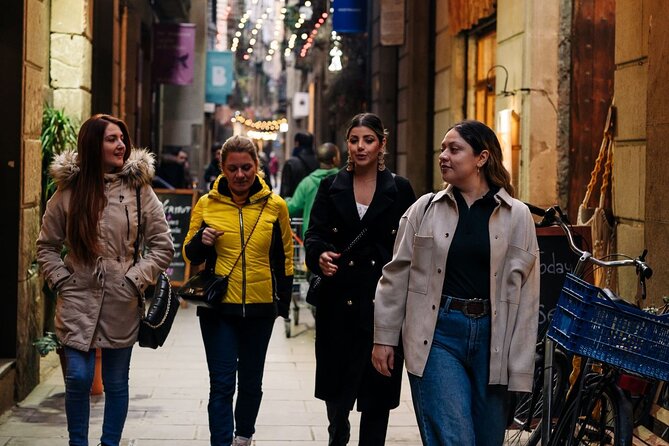
Casa de l’Ardiaca is easy to miss if you are walking without a guide. This small building combines Gothic and Renaissance elements, with Roman remains and traces of the aqueduct that once supplied water to Barcino, the Roman city beneath modern Barcelona.
I like this stop because it shows how the old center is built in layers. Medieval walls sit beside later additions, and Roman infrastructure can appear in the middle of an ordinary-looking street. The admission is free, and the visit takes about 10 minutes.
Do not expect a large museum experience here. The reward is the explanation and the setting. You begin to understand that Barcelona’s oldest quarter is not a single preserved period. It is a crowded record of many periods occupying the same blocks.
Bishop’s Bridge brings a little superstition
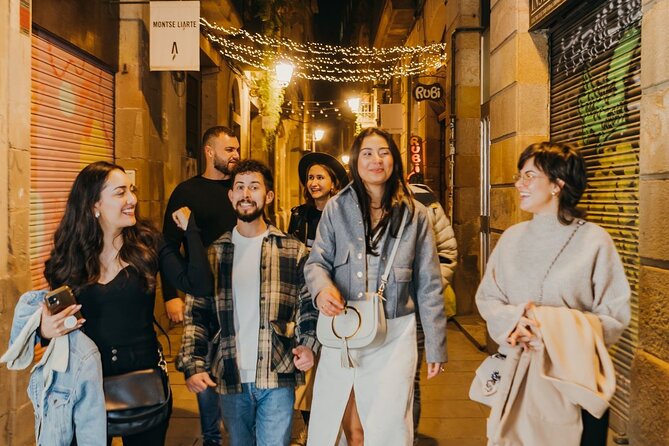
Pont del Bisbe, or Bishop’s Bridge, is one of Barcelona’s most photographed passages. Its pointed Gothic design links buildings above the street and creates the kind of scene that can stop a group in its tracks.
The bridge also carries a legend involving a skull and a curse. The story is meant to unsettle anyone who walks underneath it, even if you approach local folklore with a raised eyebrow. It is a lighter moment after the more serious subjects of war, martyrdom, and political conflict.
The stop is free and brief. You may find the area crowded with people taking pictures, so your best view can depend on timing and group position. Listen first, then take your photograph. The explanation is what makes the bridge more than a pretty stone arch.
Plaça Sant Felip Neri shows the cost of conflict
Plaça Sant Felip Neri is one of the tour’s most affecting stops. Tucked away from the main streets, this quiet square carries the marks of a tragic past and a story linked to Catalonia’s struggle for independence.
The square changes the tone of the walk. Until this point, Barcelona’s past has appeared through art, architecture, religion, and legend. Here, the guide asks you to consider violence and memory. The scars on the walls are not decorative details. They are part of the place’s emotional weight.
This is not a stop to rush through. You will have only around 10 minutes, but a thoughtful guide can make that short pause count. Sonja was praised for making the city’s cultural identity clear, and this square is the kind of place where that skill matters.
El Call recalls Barcelona’s Jewish community
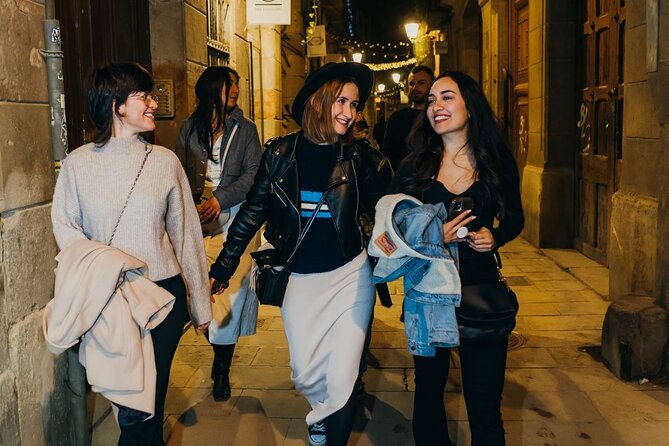
MUHBA El Call takes you into the former Jewish quarter. Narrow lanes and medieval buildings make this part of the Gothic Quarter feel different from the larger squares nearby.
The route does not simply show you old streets. It points toward the people who lived, worked, worshipped, and traded here. That social focus is important. Buildings are easier to understand when you connect them to the communities that used them.
This section is also a good reason to choose a guided walk over a self-guided route. Without context, the lanes can seem like a maze of attractive stone walls. With a guide, you get a clearer sense of the neighborhood’s place in Barcelona’s development and the changes forced upon its Jewish population.
Plaça de Sant Jaume is where Barcelona speaks publicly
Plaça de Sant Jaume is the city’s main civic square. It houses Barcelona City Hall and the seat of the Catalan government, making it a natural setting for celebrations, demonstrations, and political statements.
This is where the tour connects old history to modern Catalan life. The square has served as a public stage for years, and the guide explains the important figure honored during one of Catalonia’s beloved holidays.
Expect a wide, open contrast to the surrounding lanes. The square can feel more formal and exposed, while the nearby streets are intimate and irregular. That change helps you read the city’s layout: private medieval life on one side, public power on the other.
Plaça del Rei and the royal past
Plaça del Rei is one of the most imposing spaces on the route. The Royal Palace gives the square a strong medieval presence, but the guide also brings up the darker subject of the Spanish Inquisition.
This stop is valuable because it complicates the postcard image of Barcelona. Royal power was not only ceremonial. It shaped law, religion, trade, and daily life, sometimes through fear. The square’s grandeur makes more sense when you hear what happened under that authority.
The visit is free from the tour’s point of view, but this is another place where you should not expect an extended interior visit. The guide’s job is to frame the setting, then keep the route moving toward El Born.
Plaça de l’Àngel connects trade, faith, and legend
Plaça de l’Àngel was once known as Wheat Square, a name tied to grain trading. It later became Angel’s Square after a heavenly apparition appeared during a procession carrying Saint Eulalia’s body.
That story adds a touch of medieval drama to the route. It also shows how public places change names as a city’s economy and religious life change. A square can be a marketplace in one period and a sacred landmark in another.
The stop is short, but the mix of trade and belief gives you something to think about while walking. Barcelona’s old center was never just a collection of churches and palaces. It was also a working city where food, commerce, ceremony, and politics met.
Santa Maria del Mar gives the walk a strong finish
The tour ends at the Basilica of Santa Maria del Mar in El Born. This Gothic church is closely linked to the neighborhood and to Barcelona’s maritime past. Its scale and setting make it a fitting final stop after the tighter lanes of the Gothic Quarter.
Admission is not included, so decide if you want to return for a longer visit. The guided stop gives you the setting and the story, while a separate entry allows more time with the architecture.
Ending here also gives you a useful next move. You finish in El Born, an area with its own streets, food, museums, and shops to explore. The guide may offer local suggestions, and specific advice helped one participant find Tapas 2254. Treat restaurant recommendations as a helpful starting point, not a guarantee, but this is exactly the sort of practical tip that can add value to a short city walk.
Guides make the difference on a crowded old-city route
The guide is the key variable. Darren was praised for clear English, enthusiasm, and useful suggestions for spending more time in Barcelona. Petra was singled out for bringing Catalan culture into the walk, while Jorge was appreciated for showing less obvious places and offering local tips.
Sonia brought an archaeological angle to the route, including details that are easy to pass without noticing. Vanessa was especially good at moving between art, religion, archaeology, government, and Catalan politics while answering questions from the group.
The names matter because the experience is not delivered by one fixed personality. Guide quality can vary, and one first-time guide received a more mixed assessment of the content. That does not erase the strong overall record, but it is a reason to keep your expectations realistic.
A practical issue is sound. One outing was affected by street noise because the guide did not have a microphone or audio device. In a group of up to 20, stay near the guide, ask for repetition when needed, and do not hesitate to move closer at busy intersections.
Timing, walking, and the real value of $22.99
Two hours is long enough to make sense of the old center but short enough to fit before lunch, dinner, or another reservation. The route includes eleven stops, each planned at roughly 10 minutes, with walking time between them.
Wear good walking shoes. The old quarter is made for walking, and the advice to bring sunblock is sensible. The tour is near public transportation, but the core experience takes place on foot in historic streets and squares.
At $22.99, I see this as good value if you want a lively introduction with a clear route. You are paying for the guide’s selection and interpretation, not for admission to major monuments. The value drops if you already know the Gothic Quarter well or plan to visit each site independently with a detailed guidebook.
The private upgrade is worth considering if you have specific interests, such as Catalan politics, Roman archaeology, religious architecture, or Picasso. A private format should give you more room for questions and a pace shaped around your priorities, while the standard group walk keeps the price low.
Who should book this Barcelona walk?
I would choose this tour for a first visit, especially on day one. It gives you a working outline of Ciutat Vella, points out places you might walk past, and ends in an area worth exploring on your own.
It also suits you if you like stories more than a long lecture on dates. The route moves from Picasso and Gaudí to Saint Eulalia, the Jewish quarter, the Inquisition, Catalan identity, and maritime Barcelona. That variety keeps two hours from feeling like one long church visit.
You may want something else if you need wheelchair-specific route information, a very slow pace, or extensive interior access. The available details say most people can participate, but they do not provide a full accessibility assessment. The pace and medieval setting are worth considering before booking.
English is the only listed language. If you want another language, this is not the right choice based on the available information. If you need a private guide, the upgrade offers a more personal format.
Free cancellation is available if you cancel at least 24 hours before the local start time. Within 24 hours, refunds are not available and changes are not accepted.
Should you book Barcelona in 2 Hours?
Book it if you want a low-cost, story-led introduction to the Gothic Quarter and El Born, with art, politics, religion, Roman remains, and local advice in one compact route. The 100 percent recommendation rate and 5 out of 5 rating from 203 reviews point to a consistently well-received experience, especially for guide enthusiasm and clear cultural context.
I would book early if your dates are fixed, since the tour is often reserved about 42 days ahead. Choose the private upgrade if personal attention matters more than price. Otherwise, the regular group tour is a sensible way to get your bearings fast, then return to Barcelona Cathedral, Santa Maria del Mar, or El Call on your own.
FAQ
How long is the Barcelona walking tour?
The tour lasts approximately two hours.
Where does the tour start?
It starts at Plaça del Vuit de Març in Ciutat Vella, Barcelona.
Where does the tour end?
The walk ends at Basílica de Santa Maria del Mar, Plaça de Santa Maria, 1, in Ciutat Vella.
Is the tour offered in English?
Yes. English is the listed language for the experience.
Are admission tickets included?
Admission is free at most listed stops. Entry to Barcelona Cathedral and Basilica de Santa Maria del Mar is not included.
How large is the group?
The group can include a maximum of 20 people. A private tour upgrade is also available.
More Historic Sites in Barcelona
- Barcelona Erotic Museum – Explore Art, History & Fun
★ 4.4 · 450 reviews - Andorra Original History and Sightseeing Tour (Private, Pickup)
★ 5.0 · 350 reviews - Barcelona: Dark History Night Walking Tour
★ 4.8 · 344 reviews - Tarragona and Sitges Small Group Tour – Roman History & Culture
★ 4.5 · 339 reviews
More 2-Hour Experiences in Barcelona
- Barcelona: Two-Hour Midday or Sunset Sailing Cruise
★ 4.8 · 1,732 reviews - Barcelona: 2-Hour City Sights Guided Segway Tour
★ 4.9 · 453 reviews - Barcelona: 2-Hour Sailboat Tour with Snacks and Drinks
★ 4.8 · 357 reviews - Barcelona: Jewish Quarter 2-Hour Walking Tour
★ 4.8 · 333 reviews
Recently added in Barcelona
- Barcelona: Catamaran Cruise w/ Sailing, Wine, & Tapa★ 4.7 · 176 reviews
- Guided Gaudí Trencadís Mosaic Workshop in Barcelona 2 Hours★ 5.0 · 176 reviews
- Barcelona Cable Car Sky Views, Magic Fountain & Castle Visit★ 4.2 · 177 reviews
- Barcelona Private Sunset Sailing with Drinks★ 5.0 · 177 reviews
- Barcelona: Montserrat with Winery Visit and Farmhouse Lunch★ 4.7 · 178 reviews
- Barcelona: City Sights Electric Quad Tour★ 4.8 · 178 reviews
- Barcelona: Nightmare Horror Museum Maze Entry Ticket★ 4.5 · 179 reviews
- Barcelona: Professional Photoshoot Outside Sagrada Familia★ 4.8 · 179 reviews
Historical Tours, compared.
Madrid Essential: Historic Center, Plaza Mayor & Royal Palace
Read the review →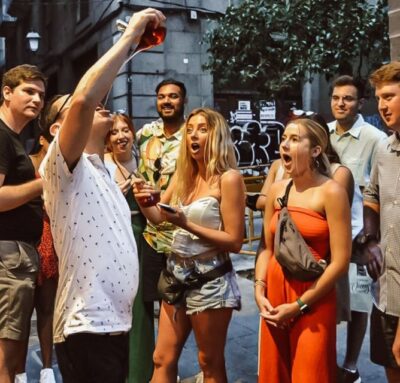
Tapas Walking Tour with Food, Wine, and History
Read the review →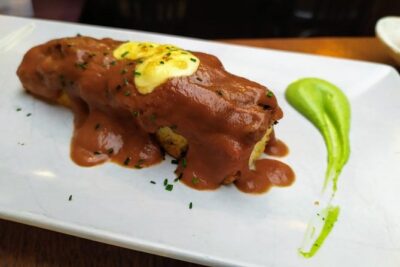
Sevilla Food Tour: Tapas, Wine, History & Traditions
Read the review →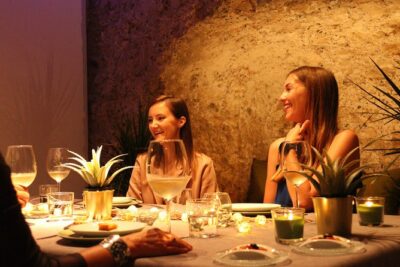
Valencia Old Town Tour with Wine & Tapas in 11th Century Historic Monument
Read the review →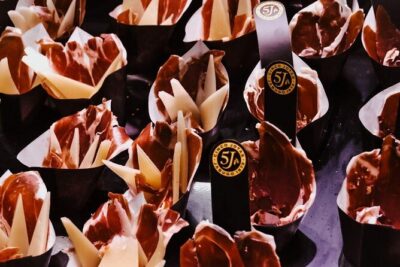
Barcelona Tapas Walking Tour: Food, Wine & History
Read the review →
Ultimate Seville Tapas, Wine & History Small Group Tour
Read the review →
Skip-the-Line Great Mosque-Cathedral History Tour
Read the review →
Browse the lists this tour appears in