
Reviewed · MARKETS
Alicante: Paella and Sangría Workshop with Market Visit
Alicante’s best cooking lesson starts before you reach the kitchen. You meet guide and chef Federico, often called Fred, at the Central Market, help choose the ingredients, then turn those purchases into your own paella and sangría. It is part market walk, part shared meal, and part practical Spanish food lesson.
I like the direct contact with market stall owners, and I like that the cooking takes place in a venue used by local people rather than a room designed only for tour groups. The possible drawback is group size: one session had 19 people, so hands-on time may feel less personal when the booking is full.
Key points at a glance
- Market shopping comes first: Meet beside the Civil War memorial at the Central Market and help select the ingredients used later.
- Pick your paella style: Choose seafood, meat, or vegetarian paella when you book or attend.
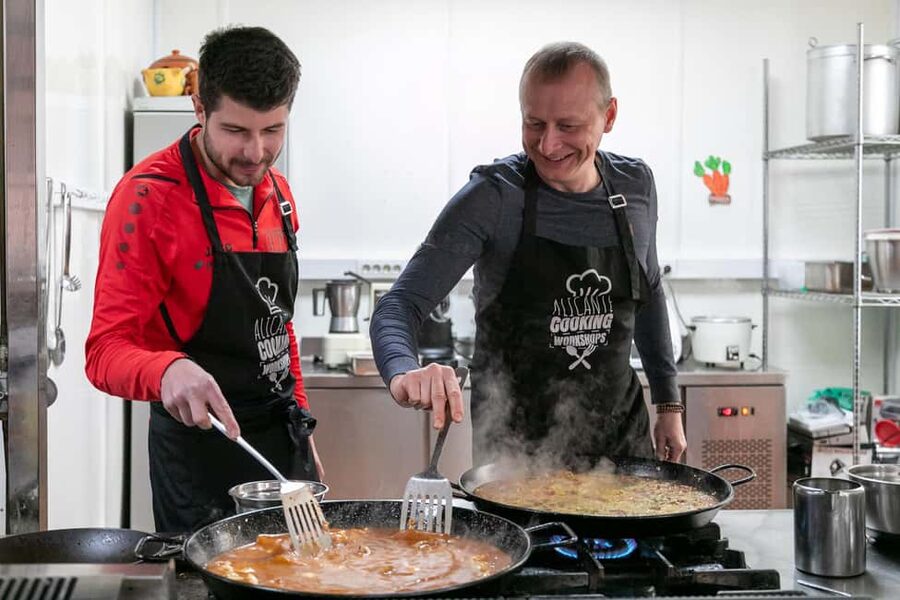
- Fred leads from market to table: Federico guides the visit, explains the food, and teaches the cooking in English or Spanish.
- The meal is more than paella: Expect sangría, Iberian ham, tomato salad with salted fish, local cold sausages, olives, crisps, beer, soft drinks, and water.
- The recipe goes home with you: The lesson is designed to give you methods and tips you can use for friends and family.
- A generous half-day activity: At $56 per person for 3.5 hours, the cost includes the market visit, instruction, drinks, tapas, and a full cooked meal.
Why this Alicante food class feels more local
Many cooking classes begin after the shopping has already been done. Here, the food lesson starts in Alicante’s Central Market, where you can see the produce, seafood, meats, and other ingredients before they reach the pan. That small change matters. You understand what you are buying, why it was chosen, and how Alicante cooks think about a dish.
Your guide and chef, Federico, handles both the market walk and the kitchen session. He is known as Fred to many participants, and his role is important because he can explain not just what an ingredient is, but how it fits into local cooking. He also translates between English and Spanish, which helps when the market visit involves stall owners and food terms that do not always translate neatly.
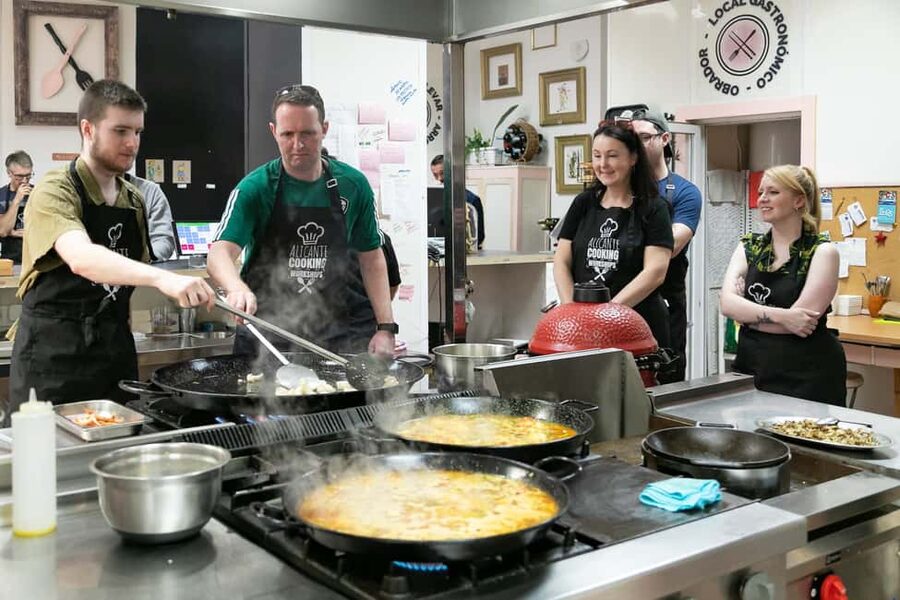
The setting after the market is another strong point. The class uses a local venue open to the public, where people go for food or a drink after work. That gives the meal a more everyday feel than a purpose-built tourist kitchen. You are still taking part in an organized activity, but the room is connected to normal Alicante life.
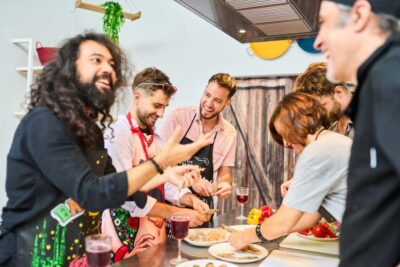
I especially like the way the class combines food with social time. You cook with other people, sit down together, and share a meal rather than simply watching a chef demonstrate. If you arrive alone, this format can make it easy to join the group.
More shopping trips in Alicante:
- Alicante Paella Cooking Class, Tapas, Drinks and Market
★ 4.9 · 301 reviews - Paella & Sangria Class with Tapas and Market Visit
★ 5.0 · 122 reviews - Barcelona: Paella Cooking Experience & Boqueria Market Tour
★ 4.8 · 3,661 reviews
Meeting the guide beside Alicante’s Central Market
The meeting point is at the market entrance. Look for the metal Civil War memorial on the ground. Federico wears a black T-shirt with white lettering identifying the Paella and Sangría Cooking Workshop Alicante.
Arrive with comfortable shoes and clothes. The market portion involves walking and standing, and the cooking portion is easier when you are not dressed for a formal meal. Pets are not allowed.
The Central Market is not just a practical starting point. It gives you a look at the food culture behind the recipe. You will see how ingredients are displayed and sold, meet stall owners, and help select the freshest items for the class. Since the purchases become part of your meal, the market walk has a clear purpose rather than feeling like a separate sightseeing stop.
The guide explains Alicante’s Mediterranean cooking and the origins of paella as you move through the market. This is useful for first-time visitors who know paella mainly as a restaurant dish. You begin to see it as a way of cooking built around good ingredients, careful timing, and shared eating.
The main limitation is that a market visit with a large group can be less intimate. Stay close to Fred, listen for the ingredient explanations, and ask questions when the group pauses. The market is also a working food hall, so you should expect a real commercial setting rather than a quiet classroom.
Choosing ingredients for seafood, meat, or vegetarian paella
You choose from three paella styles: seafood, meat, or vegetarian. This makes the activity suitable for different tastes, and it gives you some control over the meal. If you have a strong preference, confirm the choice when booking or at the start of the activity.
The seafood option connects naturally with Alicante’s coastal setting. The meat version offers a heartier route, while the vegetarian choice lets you focus on vegetables and the cooking method without seafood or meat. The important point is that you are not locked into a single flavor profile presented to every participant.
The market shopping also helps you understand substitutions. A recipe written at home can seem fixed, but a market teaches you to work with what looks best that day. Fred explains how the ingredients are selected and then shows you how they are prepared.
This is not described as an advanced culinary course. You do not need professional training to take part. At the same time, the instruction has enough detail for serious home cooks. One participant who works as a chef found useful new tips, while many first-time cooks appreciated the step-by-step guidance.
Cooking tapas before the paella
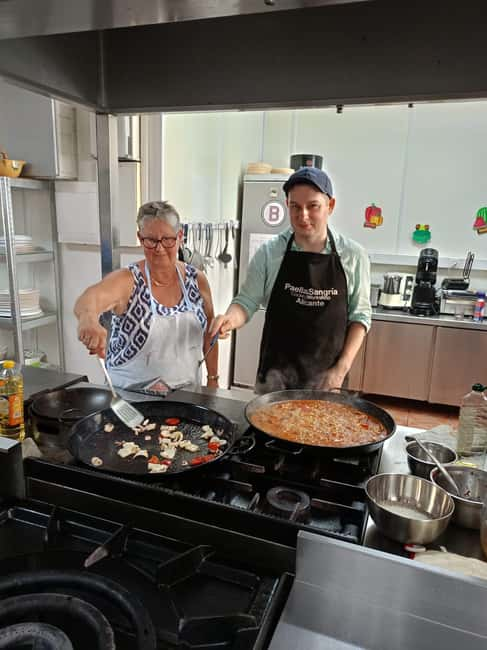
Before the main dish, the class serves a selection of tapas and appetizers. These include Iberian ham, tomato salad with salted fish, cold local sausages, olives, and crisps.
The tomato salad with salted fish receives particular praise and is a good example of why this activity is more than a paella demonstration. Salted fish is a distinctly local-style ingredient, and the combination gives you something you may not think to order or prepare at home. The ham, sausages, olives, and crisps keep the table moving while the paella cooks.
This part also makes practical sense. Paella takes time, and the tapas turn the waiting period into part of the meal. You are not standing around hungry while the pan does the work. Beer, soft drinks, bottled water, and coffee are available according to the activity details and participant feedback, while sangría is prepared as part of the lesson.
The food quantity appears generous. Several people found there was plenty to eat, so do not plan a large meal immediately afterward. The class is best treated as your main midday or early evening meal, depending on the starting time you select.
More markets in Alicante:
- Barcelona Paella Cooking Class with Market Visit, Tapas & Sangria
★ 5.0 · 2,531 reviews - Paella Cooking Class, Wine Tasting & Central Market in Valencia
★ 5.0 · 1,150 reviews - Valencian paella cooking class, tapas and visit to Ruzafa market.
★ 5.0 · 828 reviews - Spanish Cooking Class & Triana Market Tour in Sevilla
★ 5.0 · 760 reviews
Making your own sangría
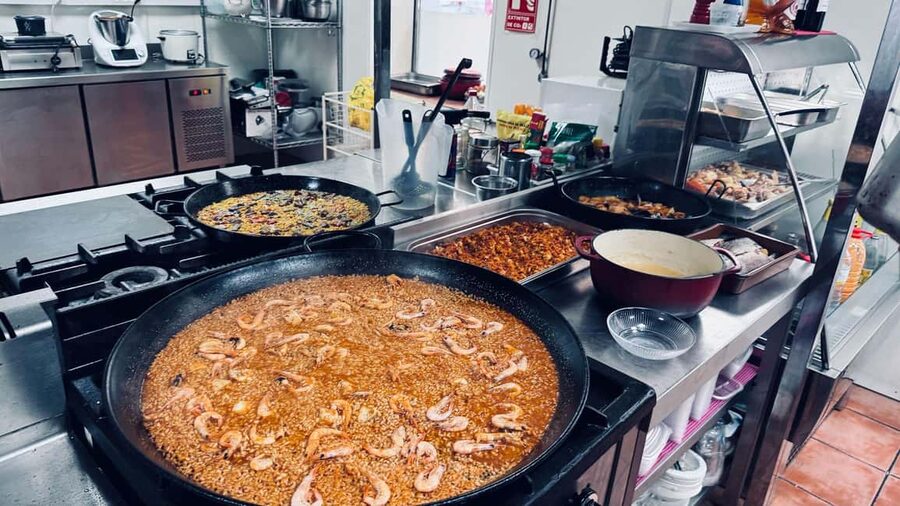
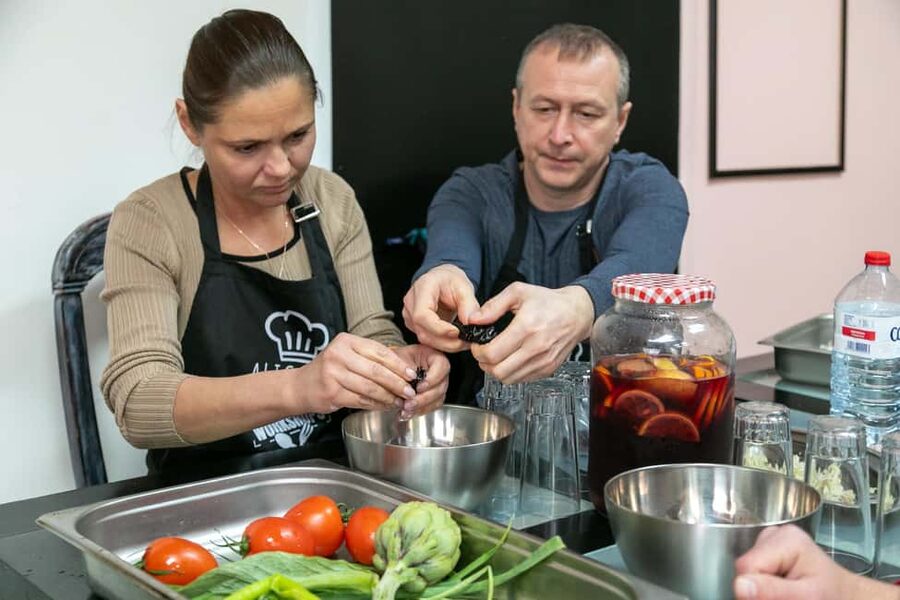
The sangría lesson adds an easy, social element to the class. You learn how to make your own version alongside the food preparation, then drink it with the tapas and paella.
Sangría is approachable for beginners because the preparation is less technical than paella, but it still teaches you how Spanish drinks are assembled and balanced. Fred explains the process and answers questions as the group works. Other beverages are available if you do not want sangría, including beer, soft drinks, and bottled water.
Do not think of the drink as a minor extra. It helps create the relaxed atmosphere that makes the class feel like a long lunch with new acquaintances. The activity is not only about leaving with a recipe. It is also about learning how food and drink fit together in Spanish social life.
The paella lesson, from pan to shared table
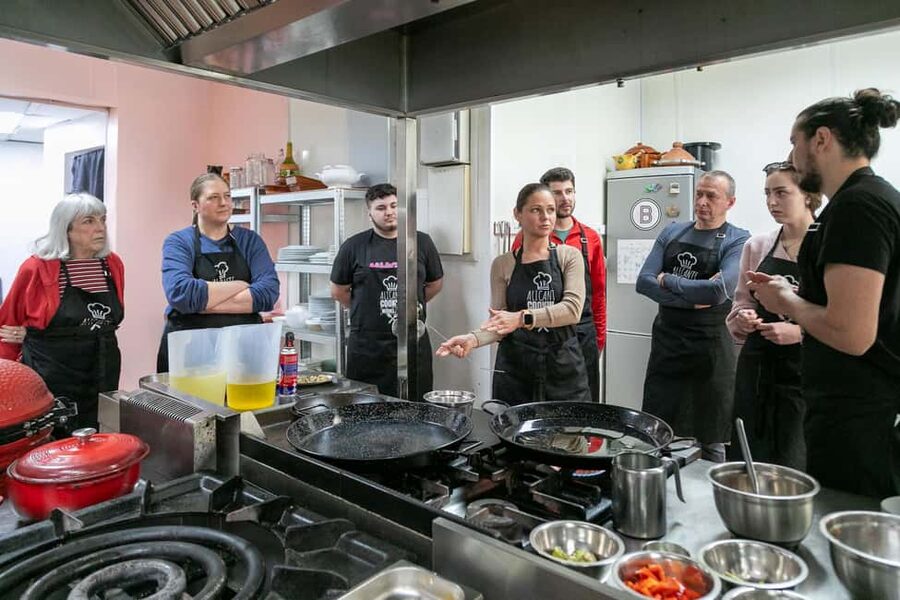
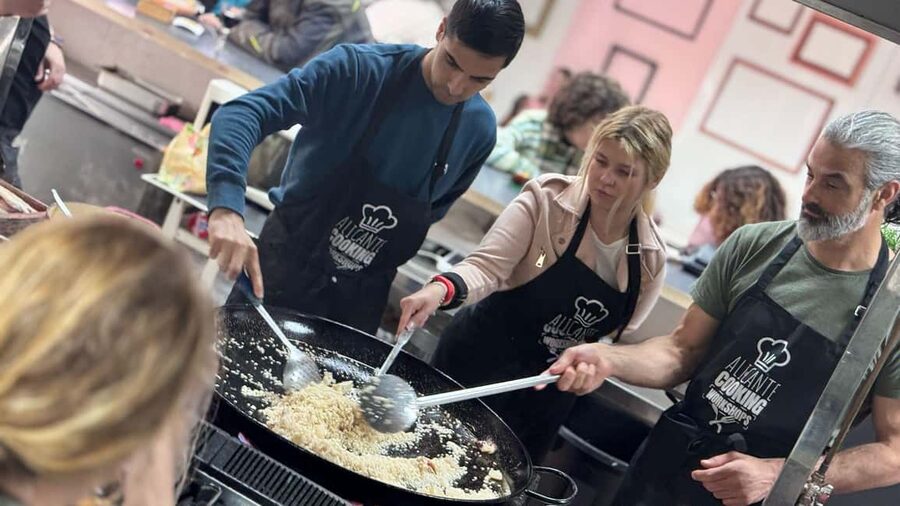
The main lesson is hands-on. Fred demonstrates the stages, explains the ingredients and techniques, and brings the group into the preparation. You do not simply watch a chef cook while standing behind a counter.
The exact amount of individual work depends on the group size. In a group of 12, Fred made sure everyone took part. In another session with 19 people, the class felt overbooked to one participant, and water on arrival would have been welcome in hot weather. That is a fair warning: the quality of the instruction appears strong, but personal access can vary when a large party joins.
The guide’s teaching style is patient and relaxed. He explains how to choose ingredients, answers questions, and translates into English and Spanish. Those details matter because paella has several stages, and rushing through them can leave you with a recipe but no real understanding of the method.
Once the paella is ready, you sit down and eat what you helped make. This is the payoff, but it is also part of the lesson. You can taste how the ingredients work together and compare the result with the paella you may have eaten in restaurants around Alicante.
The activity ends back at the meeting point, but the actual meal takes place at the local venue after the market walk. Plan on spending the full 3.5 hours with the group. The time includes shopping, explanations, tapas, cooking, drinking, and eating, so it is not a quick class you can squeeze between two tightly scheduled attractions.
How much value do you get for $56?
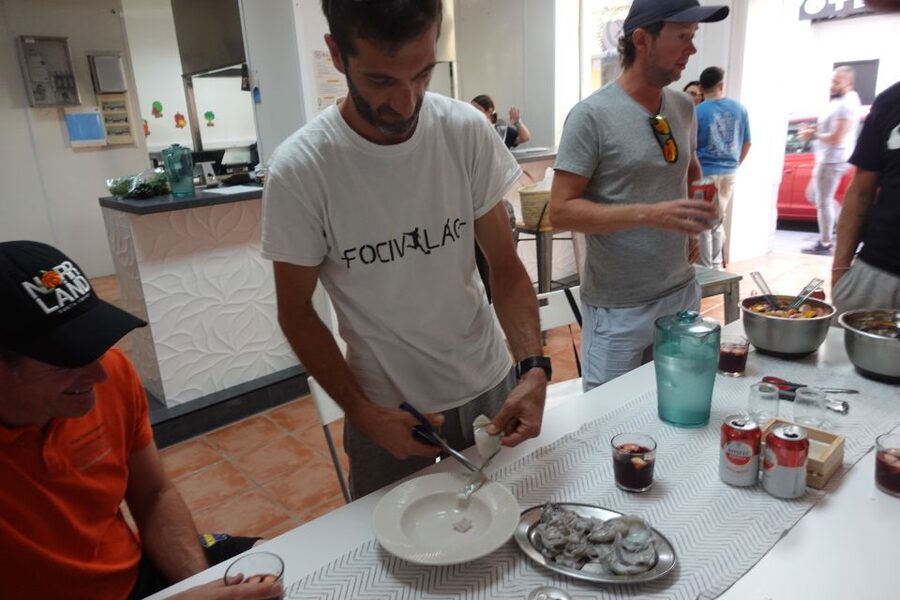
At $56 per person, this is not the cheapest way to eat paella in Alicante. A restaurant meal may cost less, especially if you only want a plate of rice and a drink.
The comparison changes when you count what is included. You receive a Central Market visit, ingredient shopping, a cooking workshop, sangría, several tapas, bottled water, beer and soft drinks, and the full paella meal. You also leave with the recipe and a method you can try at home.
I see the price as fair for a half-day activity, especially if you value instruction and conversation as much as the food. You are paying for a meal, but also for the guide’s time, the market introduction, the ingredients, and the chance to prepare the dish yourself. It offers better value than a standard restaurant meal if you would otherwise book separate food tours and dining experiences.
The value is strongest for couples, solo visitors, families with older children, and small groups of friends who enjoy cooking and meeting people. It is less suitable if you want a quiet, private meal or if you prefer to avoid group activities.
Language, access, and practical planning
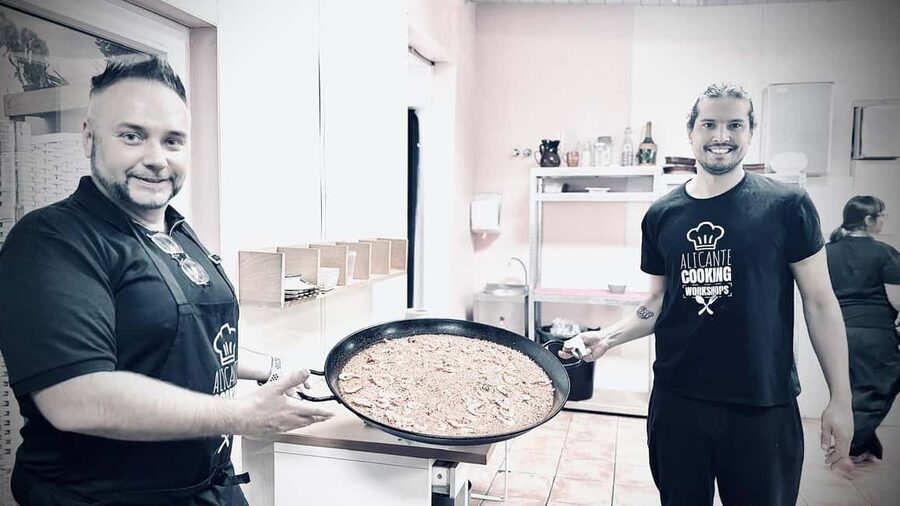
The live guide speaks English and Spanish. Federico’s translation is especially useful during the market visit and when explaining the steps in the kitchen. If you do not speak Spanish, you can still follow the activity in English.
The experience is listed as wheelchair accessible, but one participant reported that a person with mobility issues was briefly left behind while the group moved from the market to the restaurant. If you use a wheelchair or have limited mobility, contact the provider before booking and confirm how the transfer between locations will be handled on your date.
The meeting point and ending point are the same, which simplifies planning. You do not need to arrange transport between the market and the final location, though the group does move from one place to the other during the activity.
Free cancellation is available up to 24 hours before the start for a full refund. You can also reserve now and pay later, which is useful if your Alicante schedule is not fixed.
Who should book this cooking workshop?
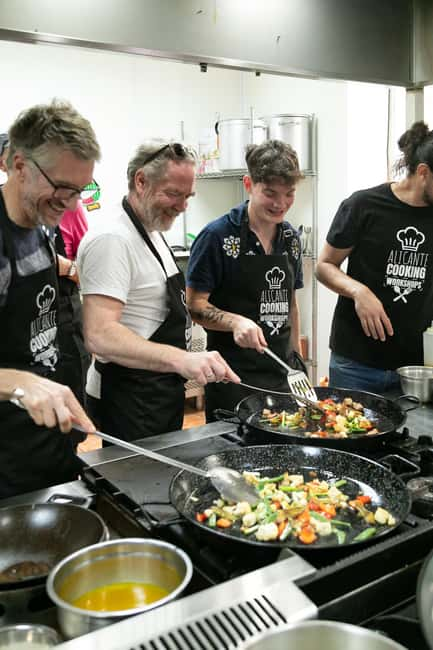
Book it if you want to understand Alicante through its food rather than only photograph it. The market gives context, the tapas widen the meal beyond paella, and the kitchen work gives you something useful to take home.
It suits people who enjoy a friendly group setting, including solo visitors. The shared cooking naturally creates conversation, and the meal is long enough to feel social rather than rushed.
Home cooks should not dismiss it as a basic tourist class. The lesson focuses on ingredient selection and technique, and Fred’s explanations can add value even if you already cook regularly. Beginners are equally welcome because the steps are explained clearly.
You may want to skip it if you dislike standing in markets, sharing kitchen tasks, or eating a substantial meal with a group. It is also not ideal for anyone seeking a private chef-led class. Group size can occasionally be large, and that may reduce personal attention.
Final call: is the Alicante paella class worth it?
I would book this for a food-focused day in Alicante, especially early in your visit. The Central Market helps you recognize local ingredients, and the recipe gives you a practical souvenir that lasts longer than a restaurant receipt.
The strongest reasons to go are the market-to-kitchen format, the local public venue, and Federico’s combination of guide and chef. The main caution is group size, so ask about the expected number of participants if close instruction matters to you.
For $56, you get a full meal, drinks, a market visit, and a useful cooking lesson. If you want to eat paella without lifting a spoon, choose a restaurant. If you want to know how Alicante’s paella reaches the table, this workshop is the better choice.
FAQ
How long does the Alicante paella and sangría workshop last?
The activity lasts 3.5 hours. The time includes the Central Market visit, ingredient shopping, cooking, tapas, sangría, and the shared meal.
Where do I meet the guide?
Meet the guide at the entrance to Alicante’s Central Market. A metal Civil War memorial is on the ground, and the guide wears a black T-shirt with white lettering for the Paella and Sangría Cooking Workshop Alicante.
Which paella flavors are available?
You can choose seafood, meat, or vegetarian paella.
Is sangría included?
Yes. The workshop includes sangría and teaches you how to prepare it. Beer, soft drinks, bottled water, and other beverages are also available.
What food is served besides paella?
The included tapas and appetizers are Iberian ham, tomato salad with salted fish, cold local sausages, olives, and crisps.
Is the activity available in English?
Yes. The live guide offers the activity in English and Spanish.
Can I cancel the booking for a refund?
You can cancel up to 24 hours before the activity for a full refund. A reserve-now, pay-later option is also available.
More Workshops in Alicante
- Alicante Paella Cooking Class, Tapas, Drinks and Marketplace
★ 5.0 · 349 reviews - Spanish Cooking Class Paella Tapas and Sangria in Madrid
★ 5.0 · 1,340 reviews - Madrid: Paella and Sangria Workshop in the City Center
★ 4.9 · 1,264 reviews - Group Surfing Lesson at Playa de las Américas, Tenerife
★ 5.0 · 1,072 reviews
Recently added in Alicante
- Alicante: Calas and Beaches E-Bike Tour with Snorkeling★ 4.8 · 104 reviews
- Albir: Buggy Tour Off-Road★ 4.9 · 104 reviews
- Museum of Illusions Alicante Entrance ticket★ 4.5 · 105 reviews
- Alicante City & Beach Bike Tour★ 5.0 · 113 reviews
- Alicante: Craft Beer Tasting at Santa Barbara Castle★ 4.4 · 113 reviews
- Parasailing in Alicante★ 4.5 · 116 reviews
- Paella & Sangria Class with Tapas and Market Visit★ 5.0 · 122 reviews
- Alicante Wine Tasting and Tapas Club★ 5.0 · 126 reviews
Markets, compared.
Paella Cooking Experience & Boqueria Market Tour
Read the review →
Barcelona Paella Cooking Class with Market Visit, Tapas & Sangria
Read the review →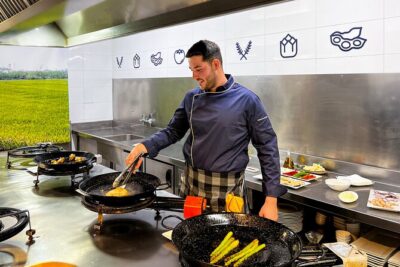
Paella Cooking Class, Wine Tasting & Central Market in Valencia
Read the review →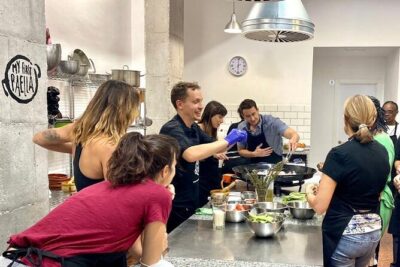
Valencian paella cooking class, tapas and visit to Ruzafa market.
Read the review →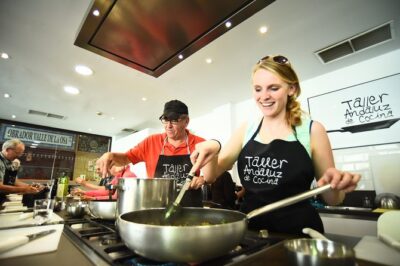
Spanish Cooking Class & Triana Market Tour in Sevilla
Read the review →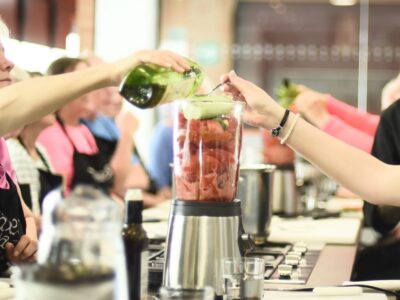
3.5-Hour Spanish Cooking Class & Triana Market Tour
Read the review →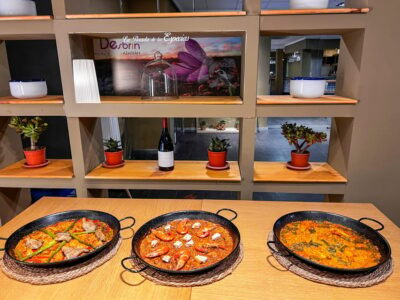
Paella Cooking Class with Market Visit and More
Read the review →Browse the lists this tour appears in