
Reviewed · CITY TOURS
Madrid: Paella and Sangria Workshop in the City Center
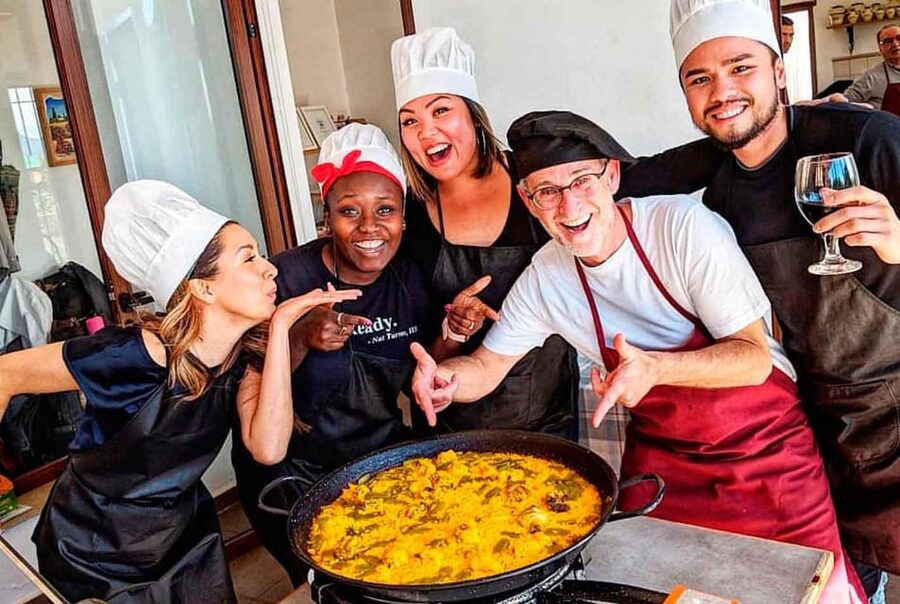
Madrid’s paella and sangria workshop turns dinner into a shared project. You make the sangria first, help prepare a traditional chicken-and-seafood paella, then sit down with the group to eat what you cooked. The class is aimed at beginners, so you do not need kitchen skills to join in.
I like the hands-on format and the easy social setting. I also like that the recipe lessons continue after Madrid, since you receive instructions for both dishes. The main consideration is that this is a group class, not a private cooking lesson. You will share tasks, conversation, and cooking space with other participants.
Key points to know before booking
- You make dinner together: Chopping, pouring, stirring, and cooking are shared among the group.
- The paella includes chicken and seafood: Vegetarian and allergy-friendly options are available when arranged in advance.
- Sangria comes first: You learn how to balance the fruit, wine, and other ingredients before the paella cooking begins.
- The meeting point is easy to miss: Find the host outside Bon Vivant tattoo studio at Calle de la Montera, 24.
- Solo visitors fit in well: The hosts are used to drawing every person into the activity.
- The $69 price covers the full evening: Instruction, ingredients, equipment, dinner, drinks, and recipes are included.
A three-hour Spanish dinner you help create
This is less like watching a chef perform and more like joining a temporary kitchen crew. The hosts divide up jobs so the meal keeps moving. One person may chop vegetables, another may prepare meat or seafood, and others help with the sangria or paella pan.
That setup matters. You are not left at a counter with a small bowl of ingredients while someone else does the real cooking. At the same time, you should not expect every participant to make an individual paella from start to finish. The final dish is prepared as a shared meal.
The pace also gives the class a natural rhythm. You begin with drinks and preparation, move into the paella lesson, and finish around the table. With three hours available, there is room for instruction, questions, jokes, and conversation without rushing straight from the first chop to dinner.
Hosts have included Ivan, Cristal, Dani, Miguel, Anabel, Lila, Javier, and others from the cooking team. The exact pair may change, but the format stays focused on a chef leading the food preparation with a host helping the group connect and follow along.
More City Tours in Madrid
- Madrid: Panoramic Route City Tour
★ 4.1 · 12,259 reviews - Madrid Panoramic City Bus Tour
★ 3.5 · 3,118 reviews - Madrid: Private City Tour by Eco Tuk Tuk
★ 4.9 · 2,876 reviews
Finding the Bon Vivant meeting point
The official meeting point is Calle de la Montera, 24, in central Madrid. Your host waits outside the building, directly in front of the Bon Vivant tattoo studio. The group then goes upstairs together to the cooking space.
This detail deserves attention because a cooking venue upstairs, rather than a large restaurant entrance, can be easy to overlook. Give yourself enough time to find the street address and look for the tattoo shop sign. Do not simply enter the first restaurant or shop you see on the street.
The meeting point puts you in the heart of Madrid, which is useful if you are fitting the class between sightseeing stops. It also means you can continue into the city center afterward without arranging transport back to a distant neighborhood.
English and Spanish are available. If you book in English, the instructor and host can explain the process in that language. The social nature of the class also helps if you arrive alone, since the cooking jobs give you an instant way to join the group.
Making sangria before the paella
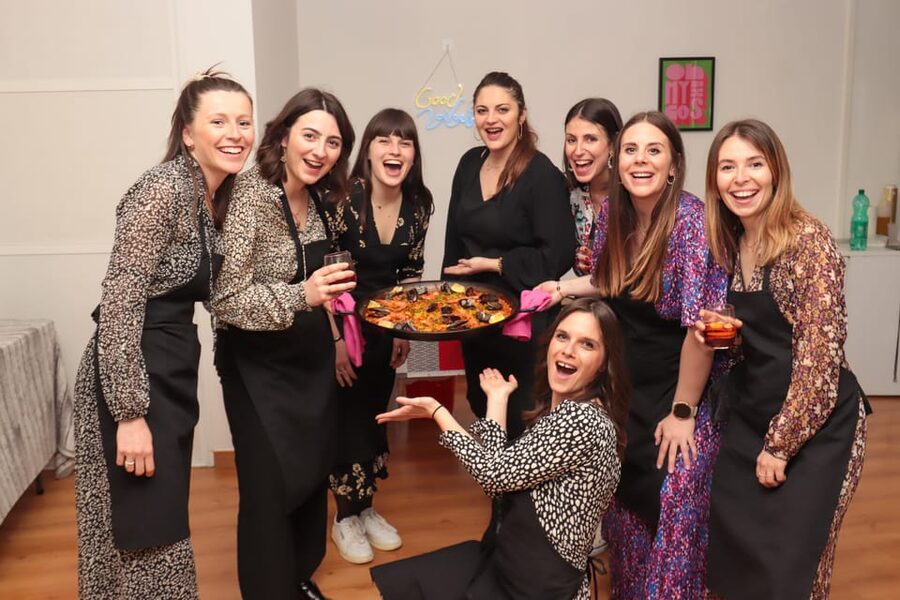
The first food-focused part of the class is sangria. You help combine the ingredients and learn how to aim for a balanced, refreshing drink rather than simply pouring wine over fruit.
That distinction is useful. Sangria looks simple, but its flavor depends on proportion. Too much sweetness can make it heavy. Too little fruit or too much alcohol can throw it off. The class gives you a method to repeat at home, not just a glass to drink in Madrid.
The drink also serves as a friendly start to the evening. You have something in your hand while the group meets and the cooking tasks are explained. Sangria is included, and the experience advertises unlimited sangria during the workshop. Soft drinks are available as an alternative, so you can still take part if you do not want alcohol.
A practical warning: pace yourself. Unlimited drinks can sound like a major perk, but the class lasts three hours and ends with a full meal. The best value comes from treating the sangria as part of the lesson, not as a drinking contest.
Learning what gives paella its character
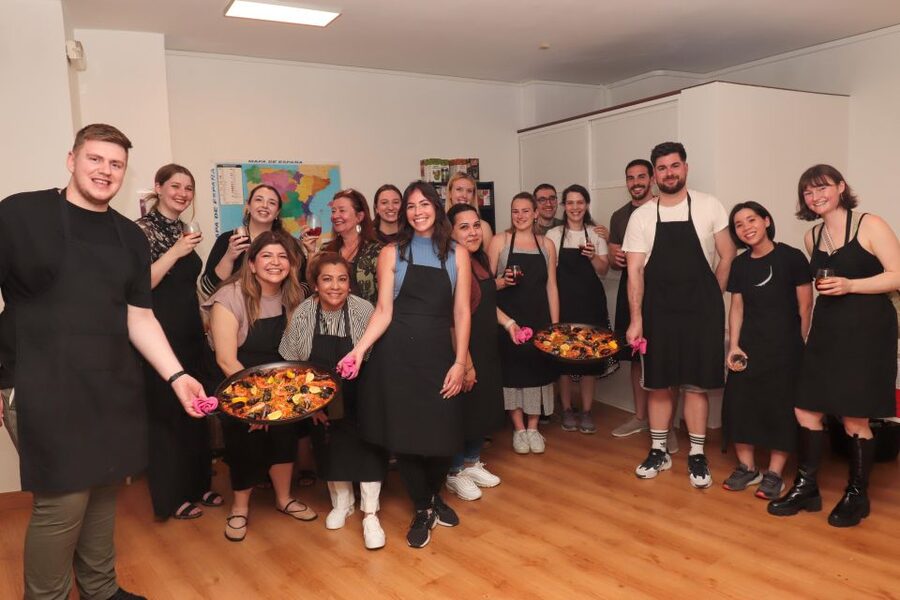
After the sangria, the chef introduces the main paella ingredients and explains what each one contributes to the finished dish. You learn how the cooking stages affect flavor and texture, including the importance of using a traditional paella pan.
The class is designed for beginners. You do not need to know how to handle a paella pan, prepare seafood, or judge rice before arriving. The chef walks you through the steps and gives practical tips while the group works.
One memorable lesson from the class is the warning not to put chorizo in paella. That may surprise cooks who have seen versions of the dish outside Spain, but it reflects the kind of food advice that makes a class more useful than a generic recipe demonstration. You leave with not just ingredients and timings, but also a clearer idea of what belongs in the dish.
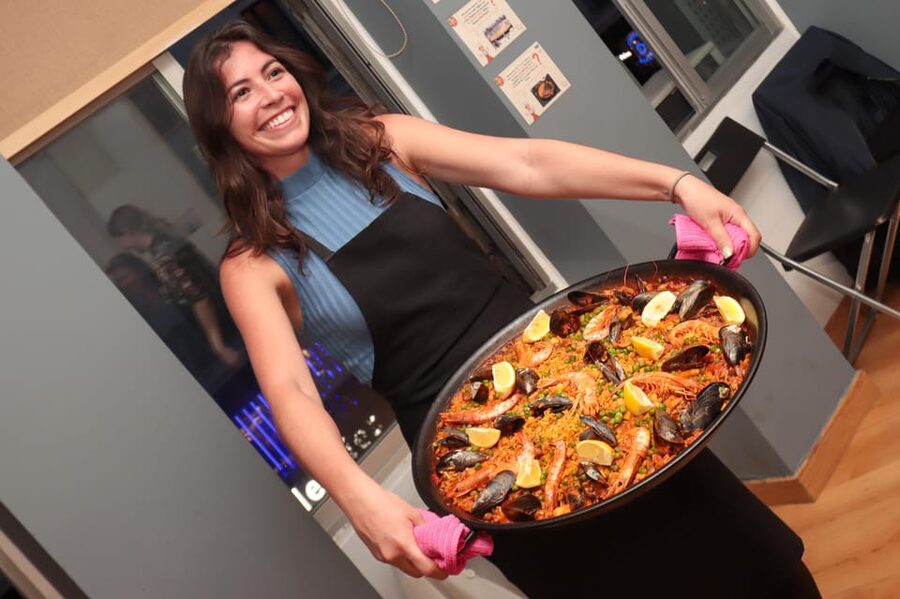
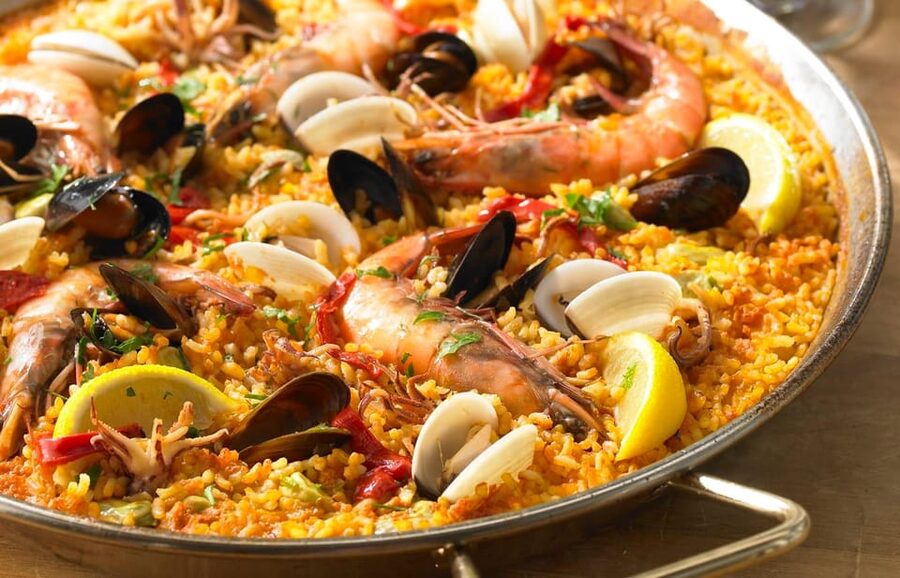
The standard paella includes chicken and seafood. That combination gives you the traditional flavor profile promised by the workshop, but it is important to tell the operator in advance about vegetarian needs or allergies. Options are available, yet they need to be arranged before the class rather than assumed on arrival.
A few other Madrid outings to compare
- Madrid Old City Guided Exclusive Guided Walking Tour
★ 5.0 · 553 reviews - Madrid: Cuenca Day Tour with or without Enchanted City
★ 4.8 · 398 reviews - Madrid: City Highlights Guided Walking Tour
★ 4.8 · 347 reviews - Madrid Barajas Airport Private Transfer To Madrid City
★ 4.5 · 342 reviews
Chopping, stirring, and sharing the work
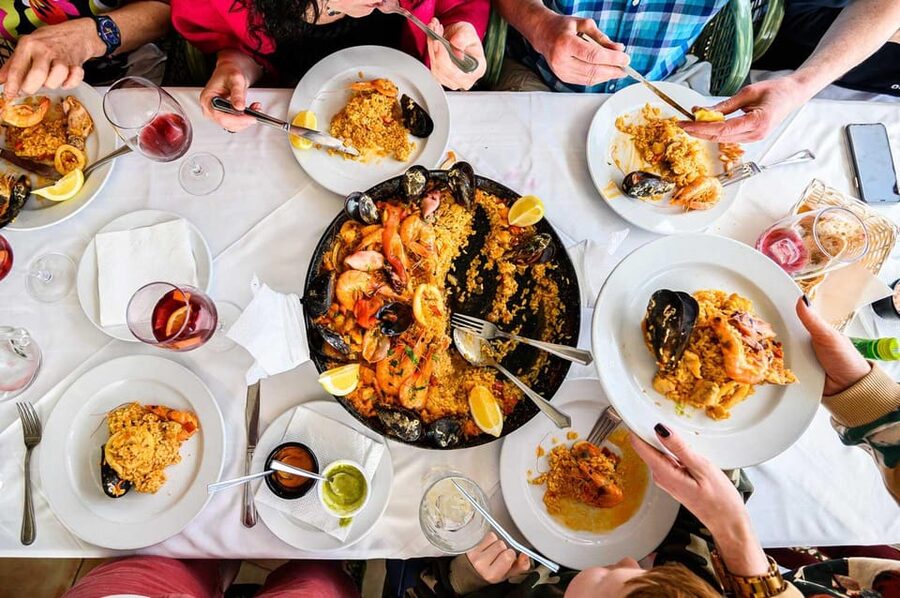
The strongest part of the experience is the division of labor. The hosts keep everyone involved by assigning small jobs across the group. You may chop, pour, stir, or help with one of the cooking stages.
This works particularly well for solo visitors. Instead of having to introduce yourself through small talk alone, you can join in by taking a task. The hosts are also described as attentive to individual participants, including people who arrive without friends or family.
For couples and friends, the class offers a different kind of shared activity than simply sitting across from each other in a restaurant. You work on the same meal, compare your results, and then eat together. Families with older children can also find the format engaging. A 14-year-old participant was specifically included in the activity, though the supplied information does not state a minimum age for every session.
The group size is not provided, so the feel may vary from one date to another. Some sessions can be more talkative and crowded than others. If you want quiet, private instruction, this probably is not the right choice. If you like meeting people from different countries, the shared table is a major part of the appeal.
Sitting down to the paella you made
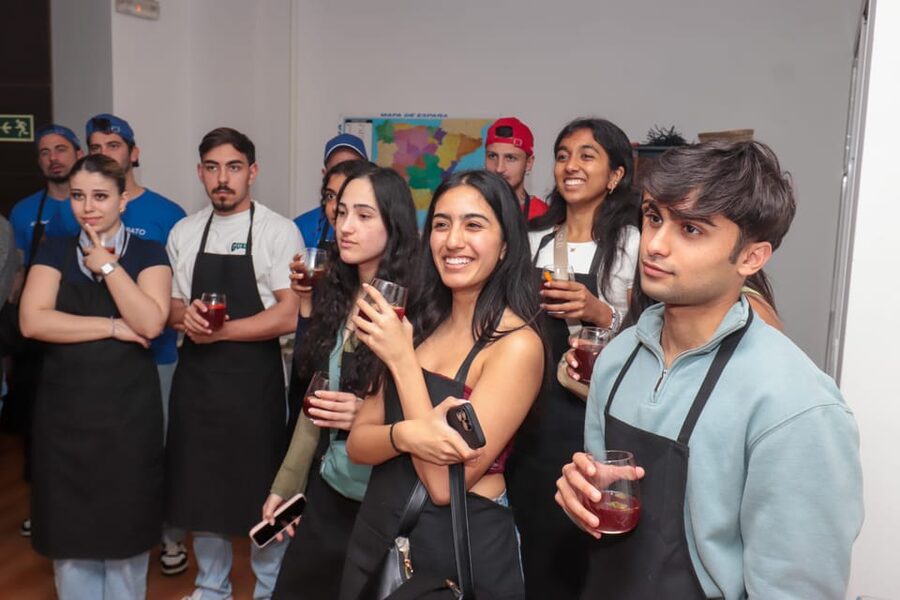
The final stage is dinner. Once the paella is ready, the group sits together and eats the dish prepared during the workshop. This gives the three-hour activity a clear reward, but the meal is more than a free extra.
You have watched the ingredients change and helped make decisions along the way. That makes the first serving more informative: you can taste the texture of the rice, the seasoning, the chicken, and the seafood with the cooking process fresh in your mind.
The meal is served in a pleasant, cozy setting rather than as a formal restaurant course. Several hosts have also made the evening feel festive by marking birthdays and helping the group continue socializing after class. Those touches are not guaranteed at every session, but they show the kind of warm, informal mood the activity aims for.
The food itself receives some of the strongest praise attached to the experience. One participant considered it among the best paellas of a two-week visit to Spain, while another called the meal delicious and well organized. Those are individual reactions, of course, but they point to a useful benefit: you are not paying only for a lesson. You also receive a substantial lunch or dinner.
What the $69 price includes
At $69 per person, the workshop sits above the price of a basic Madrid meal but includes much more than food. Your fee covers the instructor, the paella and sangria lessons, ingredients, cooking equipment, the finished meal, sangria or soft drinks, and the recipes.
That makes the value strongest for people who want both dinner and an activity. A standard restaurant meal may be cheaper, especially if you skip drinks, but it will not give you a repeatable cooking skill or three hours of guided participation.
The cost is less compelling if you are mainly looking for a quick tasting. This is not a short demonstration followed by one plate. You need to set aside three hours, take part in preparation, and spend time around a shared table.
I also see value in the recipe handouts. Paella can be awkward to recreate if you rely only on memory, and sangria recipes often leave out the proportions that make the drink balanced. Written instructions give you something concrete to use when you cook for friends at home.
The reserve-now, pay-later option can help if your Madrid schedule is still changing. Free cancellation is available up to 24 hours before the activity for a full refund. Starting times vary, so check the available session when choosing a date.
Who will enjoy this class most
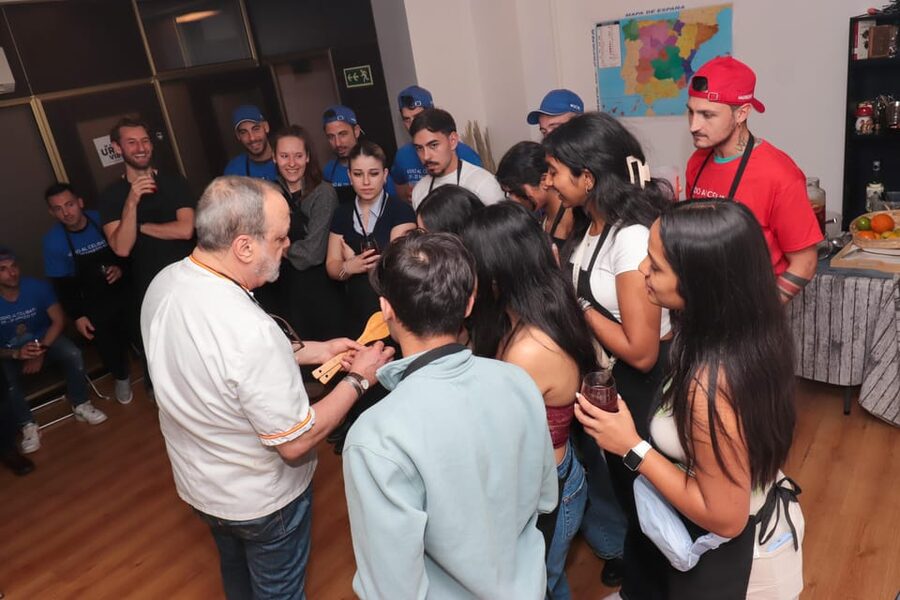
I would recommend this workshop to you if you want a social evening with a clear local food theme. It suits:
- Couples who want an activity built around cooperation
- Solo visitors who enjoy meeting people through a shared task
- Friends looking for dinner with more structure than a restaurant reservation
- Beginners who want practical recipes without a formal culinary background
- Families with older children who can take part in group preparation
- Anyone who wants to recreate paella and sangria at home
It may not suit you if you dislike group activities, do not eat chicken or seafood and have not arranged an alternative, or want advanced chef training. The class teaches the basics in a relaxed way. It is a social workshop first, and a serious culinary course second.
The alcohol element also deserves a clear mention. Sangria is central to the activity and advertised as unlimited, though soft drinks are included as an option. If you are traveling with someone who does not drink, the class can still work, but the social energy often gathers around the shared preparation and tasting of the sangria.
Small details that make the evening work
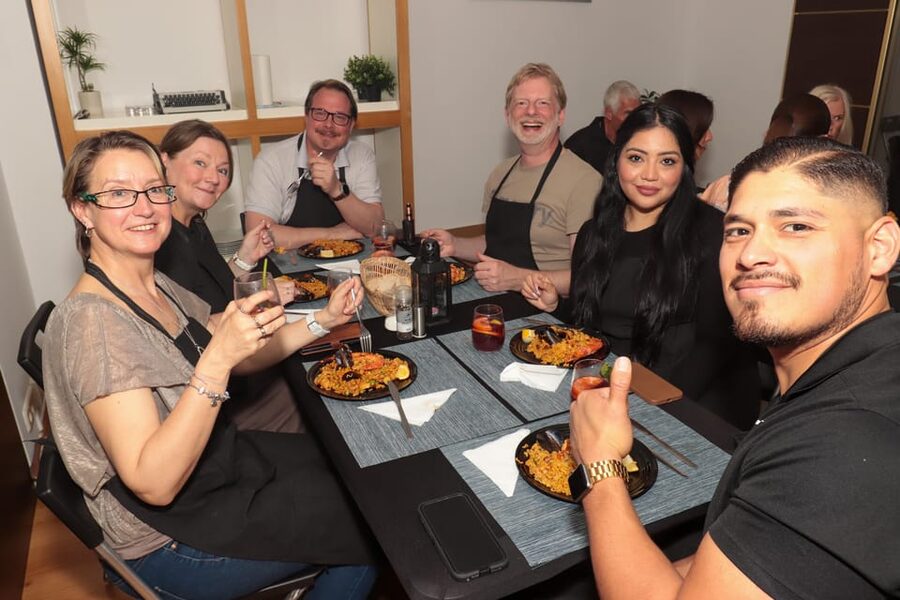
The hosts are a big part of the experience. Ivan is repeatedly described as funny, energetic, and good at explaining the food. Cristal, Dani, Miguel, Anabel, Lila, and the other hosts are praised for keeping people involved and making solo participants feel included.
The exact personalities will depend on the date. Still, the structure gives the team plenty of chances to help: explaining a step, assigning a task, answering questions, or encouraging people to talk with one another.
The international mix is another practical advantage. You are likely to share the table with people from several countries, though the group changes each session. That can make the class feel like a small social event rather than a standard cooking lesson.
Some participants continued for drinks after the workshop, and one host even joined the group afterward. Do not treat that as part of the scheduled activity, but you can expect the evening to leave you in a good position to keep exploring central Madrid.
How to prepare for the class
Before booking, send a message about vegetarian requirements or allergies. The standard paella contains chicken and seafood, and the alternative needs advance notice.
Wear something comfortable for a hands-on cooking session. The supplied information does not specify a dress code or special equipment, and all necessary materials and ingredients are provided. You only need to arrive ready to participate and eat.
Plan your route to Calle de la Montera, 24 carefully. Look for Bon Vivant tattoo studio, then wait outside for the host. Once the group is gathered, you will go upstairs to the cooking space.
Most important, arrive with the right expectation. You are joining a group kitchen, not hiring a private chef. The more willing you are to chop, stir, ask questions, and speak with the people around you, the more you will get from the $69 fee.
Should you book the Madrid paella and sangria workshop?
I would book this if you want a social Madrid evening that produces both dinner and a useful skill. The combination of hands-on work, unlimited sangria or soft drinks, a shared paella, and take-home recipes gives the three hours real value.
It is especially suitable for a solo visitor, couple, or small group that wants to meet people without forcing conversation from the start. The cooking tasks do that work naturally.
Skip it if you want a quiet meal, a private class, or advanced culinary instruction. Also contact the operator first if you need a vegetarian or allergy-friendly version. For everyone else, this is a practical way to spend an evening in central Madrid, with the added benefit that your holiday can continue in your own kitchen once you get home.
FAQ
How long does the paella and sangria workshop last?
The activity lasts three hours. Check the available starting times when booking.
How much does the workshop cost?
The price is $69 per person.
Where is the meeting point?
Meet your host at Calle de la Montera, 24, outside the Bon Vivant tattoo studio. The group then goes upstairs to the cooking space.
Is previous cooking experience required?
No. The workshop is designed for beginners, and no previous cooking experience is necessary.
What type of paella is prepared?
The standard paella includes chicken and seafood.
Are vegetarian or allergy options available?
Yes. Vegetarian and allergy options are available if you send a message in advance.
What is included in the price?
The fee includes the instructor, paella workshop, sangria workshop, ingredients, cooking materials, lunch or dinner, sangria or soft drinks, and recipes.
More Workshops in Madrid
- Spanish Cooking Class Paella Tapas and Sangria in Madrid
★ 5.0 · 1,340 reviews - Paella Cooking Class in Madrid with Bottomless Wine Pairing
★ 5.0 · 985 reviews - Paella Workshop with Bottomless Sangria in Central Madrid
★ 5.0 · 763 reviews - Taste of Spain: Tapas Cooking Class with Bottomless Wine Pairing
★ 5.0 · 414 reviews
Recently added in Madrid
- Entrance to the Flamenco Temple Room in Madrid with Tapas Option★ 5.0 · 176 reviews
- Tapas & Paella Cooking Class in Madrid with a Professional Chef★ 5.0 · 177 reviews
- Madrid: Toledo Day Trip with Winery Visit and Wine Tasting★ 4.4 · 177 reviews
- VIP visit to the Las Ventas Bullring in Madrid★ 5.0 · 178 reviews
- VIP Entrance Ticket to Our Secret Alley in Madrid★ 5.0 · 179 reviews
- Madrid: Prado & Reina Sofía Museums Guided Tour★ 4.5 · 180 reviews
- Madrid: Royal Palace tour – semi private or private★ 4.9 · 182 reviews
- Atletico de Madrid Stadium & Interactive Museum Admission Ticket★ 4.5 · 183 reviews
City Tours, compared.

City Sightseeing Barcelona Hop-On Hop-Off Bus Tour: 24 or 48-Hour
Read the review →


Granada City Train 1 or 2-Day Hop-On Hop-Off Ticket
Read the review →

Barcelona City Tour Hop-On Hop-Off with Optional Boat
Read the review →

Browse the lists this tour appears in