
Reviewed · SANTIAGO DE COMPOSTELA TOURS
Masaje del Peregrino
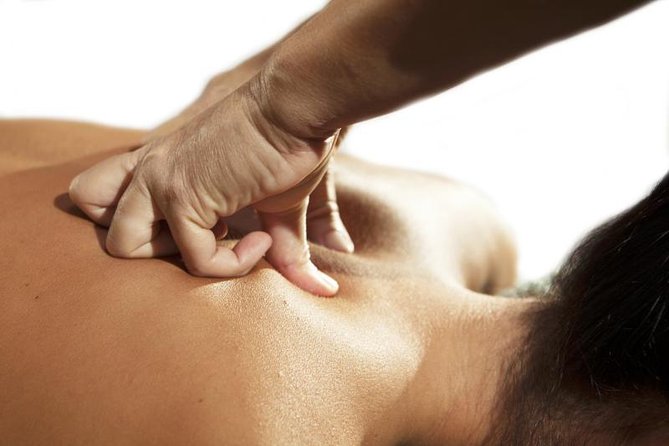
The best thing about Masaje del Peregrino is its clear purpose: this is a one-hour recovery session for a body that has spent days or weeks walking. The massage combines hands-on work with stretching and lets you direct attention toward the places causing the most trouble, from aching feet and calves to a stiff upper back.
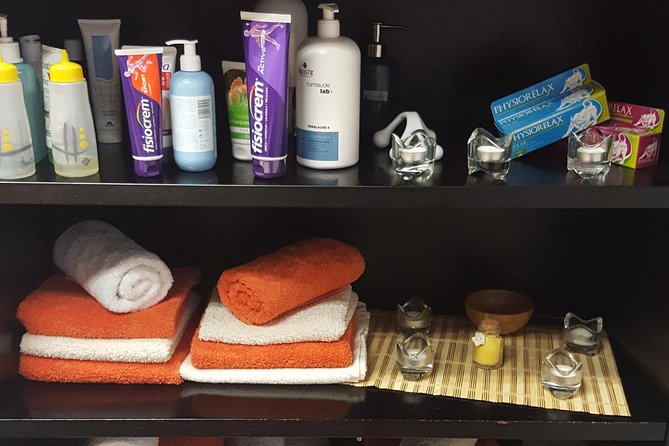
I like the cathedral-side location, which makes this easy to fit around your arrival in Santiago. I also like the useful extras: water, a small recovery gel with arnica and harpagophyte, and an official Camino €0 ticket. The main consideration is pressure. Some sessions are gentle and soothing, while others can be quite intense, so tell your therapist what your tired muscles need.
Key points before you book
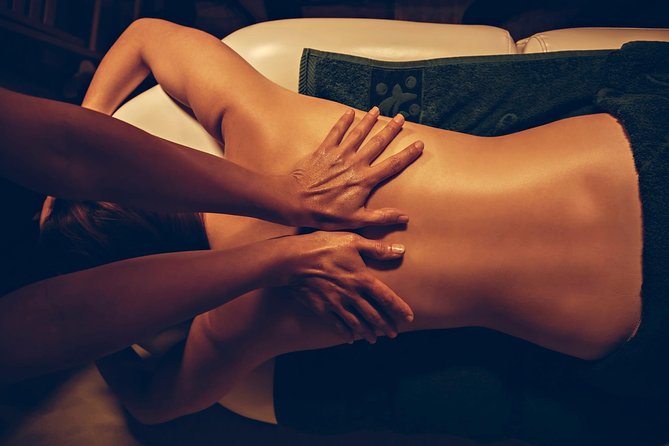
- A 60-minute recovery session: The massage is designed for people finishing or taking a break from the Camino, with stretching included.
- Near Santiago Cathedral: The meeting point is Av. de Raxoi, 5, only a few minutes from the cathedral.
- You choose the focus: Ask for attention on your feet, calves, legs, back, neck, hands, or other sore areas.
- Useful post-massage gifts: You receive water, muscle recovery gel with arnica and harpagophyte, and an official Camino €0 ticket.
- Private treatment: Only your group takes part, and couples can arrange a massage together.
- Highly rated: The experience has a 4.9 out of 5 rating, with 98% of customers recommending it.
Why a pilgrim massage makes sense in Santiago
Santiago is where the Camino becomes real in a new way. After the final walk, you may be happy, proud, hungry, and far more sore than you expected. A massage at this point is not simply a spa treat. It can be a practical way to give your feet, calves, hips, shoulders, and back some attention before sightseeing, travel, or another day in the city.
This treatment lasts about 60 minutes and is built around recovery. Stretching is part of the session, and the therapist can concentrate on the parts of your body that need the most help. That matters because Camino soreness is rarely even. Your feet might ache while your back feels fine, or your calves may be tight after a long descent while your shoulders need little work.
You should expect a massage rather than a medical treatment. The experience is intended to help you relax and reduce muscular tiredness after exertion. If you have an injury or a serious medical concern, this may not be the right place to seek care.
The treatment uses neutral massage creams, not oils. That is a small but useful detail. You will not leave feeling heavily coated in oil, and the neutral cream is suited to a straightforward recovery massage. The supplied recovery gel contains arnica and harpagophyte, two plant ingredients commonly associated with products for tired muscles. You take the gel with you for use after physical effort.
A few other Santiago de Compostela outings to compare
- Santiago: Cathedral & Museum Tour + Pórtico of Glory Option
★ 4.7 · 2,116 reviews - From Santiago: Finisterre, Muxia & Costa da Morte Excursion
★ 4.7 · 1,481 reviews - Excursion to Finisterre + Muxia + Costa da Morte (7 stops)
★ 5.0 · 1,367 reviews
Finding the room beside the cathedral
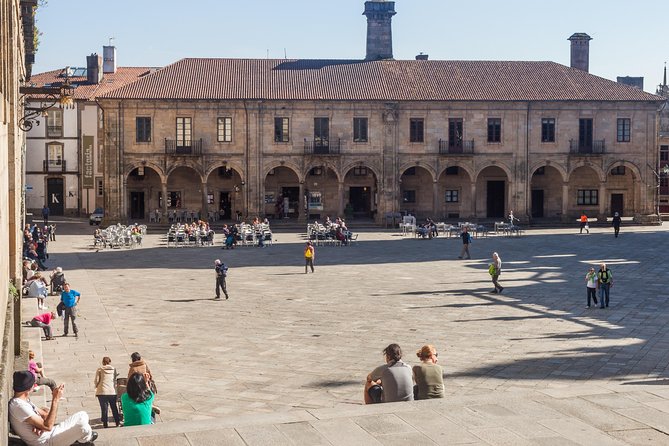
The meeting point is Av. de Raxoi, 5, 15705 Santiago de Compostela, and the activity finishes at the same place. Its central position is one of the strongest practical reasons to choose it. You can reach the appointment from the cathedral area without arranging a separate ride across the city.
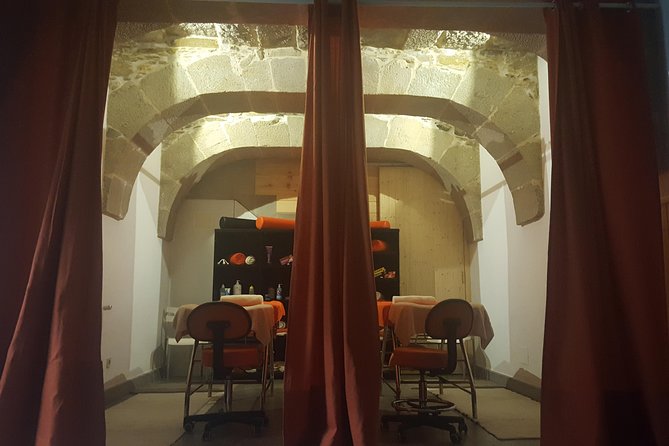
The setting is described as comfortable, clean, and quiet, with relaxing music during the massage. One unusual detail is that the treatment space is located within a coworking setting. That may sound less spa-like than a large hotel wellness center, but the actual massage room is intended to be calm and private.
The location works especially well at the end of the Camino Francés, Portuguese Way, or Norte, when you have just arrived and do not want another complicated transfer. It also suits a rest day in Santiago. You can schedule the massage, walk a short distance to the cathedral, and continue with your plans.
The experience is offered in English, and confirmation arrives when you book. Service animals are allowed, public transportation is nearby, and most people can participate. Since this is a private activity, only your own group is included.
What happens during the 60-minute treatment
The session combines massage and stretching, with the aim of helping a pilgrim recover from long-distance walking. You should be ready to explain where you hurt and how much pressure you prefer. The strongest sessions described in the available feedback involved focused work on legs, feet, calves, and back, while other sessions were praised for a gentler approach.
That range makes communication important. If your feet are tender, say so before the massage begins. If your calves feel knotted, ask the therapist to spend more time there. If you want a relaxing full-body treatment instead of firm muscle work, make that clear too.
A full-body session can include the neck, back, legs, hands, chest area, and feet. The exact balance depends on your needs and the time available. One hour is long enough for a complete treatment, but not long enough for every body part to receive the same detailed attention. You get the best value by identifying your priority areas at the start.
The massage may include firm pressure. One pilgrim who had walked more than 500 kilometers described the treatment as very intense but worthwhile. Other sessions were praised for gentle, respectful work. These are not contradictory experiences. They show that the treatment can be adjusted, and that your preferred pressure should guide the appointment.
The setting includes relaxing music and a clean treatment room. Afterward, you receive water and the muscle gel. The gel is meant to be applied after physical effort, so it is a practical item to keep in your pack rather than a decorative souvenir.
Feet, calves, and back get the most useful attention
For many people, the feet are the obvious priority. Long Camino stages can leave the soles tender, the toes cramped, and the ankles tired. A careful therapist can work around those areas while also addressing the calves and legs that have carried you uphill and downhill for days.
The calves deserve special attention because they often take a beating from uneven paths and repeated climbs. If you have walked from Porto, or completed a longer route such as the Norte, you may want the appointment to focus more on recovery than on a light relaxation massage.
The back and shoulders can also suffer. Walking with a daypack, checking maps, leaning forward on hills, or sleeping in unfamiliar beds can create stiffness far from your feet. Some of the strongest praise for this treatment centers on work to the legs and upper back, with relief lasting beyond the appointment.
Still, you should not expect a miracle cure for every ache. A massage can ease muscular tension and help you relax, but it cannot erase blisters, repair an injury, or replace rest. Plan a little quiet time after the session if you can. Your body has already done enough for one day.
Same city, a completely different evening:
- Finisterre and Costa da Morte: The Most Complete Tour of Santiago
★ 5.0 · 733 reviews - From Santiago: Finisterre, Muxia, Ézaro – 7 stops day tour
★ 4.6 · 553 reviews - Santiago de Compostela: Finisterre, Muxia & Costa da Morte
★ 4.7 · 526 reviews - Santiago de Compostela Cathedral and Museum Guided Tour
★ 4.6 · 511 reviews
A good option for couples finishing together
Couples can book a massage together, which saves time after a shared Camino. This is useful if you both want treatment but have limited hours in Santiago. You can finish the walk, check in, and arrange one joint recovery stop instead of trying to coordinate separate appointments.
The couple’s format also fits partners with different needs. One person may need firmer work on the calves, while the other wants a gentler full-body session. Tell the therapists your preferences rather than assuming the same pressure will suit both of you.
The experience is private to your group. That gives you a more personal setting than a communal spa, though the supplied information does not specify whether both people are treated in the same room at exactly the same time. If that detail matters to you, ask when booking.
What the $90.74 price means
At $90.74 per person, this is not a bargain-priced quick massage. It is a one-hour, Camino-focused treatment in a highly central location, with water, recovery gel, and the official Camino €0 ticket included.
The value depends on how your body feels and how much convenience matters to you. If you have just walked 100, 240, or 500 kilometers, a treatment near the cathedral may be worth more than a cheaper appointment requiring a taxi or a long walk. You are paying for a full hour, a private booking, central access, and a session intended for post-walking recovery.
The price also makes more sense for someone who wants targeted attention rather than a generic relaxation treatment. Ask for your sore areas to receive the time they need. A full-body massage can be pleasant, but a focused treatment may be more useful if your calves and feet are the real problem.
For couples, remember that the listed price is per person. The convenience is the main advantage, not a special free second treatment. If your budget is tight, compare the total cost for two people before confirming.
The small gifts are useful, not just souvenirs
The official Camino €0 ticket is a charming extra. It is a playful keepsake tied to the route, and it gives the appointment a stronger sense of place than a standard city massage.
The recovery gel is more practical. It contains arnica and harpagophyte and is intended for use after physical effort to help reduce muscular tiredness. You can apply it after a walking day or keep it for the next stage of your trip.
These gifts will not change the quality of the massage, but they add value to the appointment. The gel also helps you continue the recovery routine after leaving the treatment room. Use it as directed and do not treat it as a substitute for medical advice if you have a serious injury.
Timing your appointment in Santiago
The experience is often booked well ahead, with an average booking lead time of 29 days. That suggests you should plan early if your Camino dates are fixed, especially if you want a particular day, late hour, or couple’s appointment.
At the same time, last-minute booking can sometimes work. One person arranged the treatment shortly before the appointment and was glad to find it available. Hours are offered at varied times, including weekends and later appointments, according to the available feedback.
Do not build your entire arrival day around a tight schedule. Camino arrivals can run late, luggage can take time, and the walk into Santiago may take longer than planned. Leave a buffer between reaching the city and the massage.
Free cancellation is available if you cancel at least 24 hours before the local start time. Cancellations or changes made within 24 hours are not refunded or accepted. That is a fair policy, but it makes a flexible booking wise if your final Camino stage is uncertain.
Who will get the most from this experience
I would choose this for you if you have finished a long route and want a proper hour of recovery close to the cathedral. It is particularly suited to people with tired feet, sore calves, tight legs, or an aching back.
It is also a good fit if:
- You want to control which body areas receive the most attention.
- You prefer a private activity for yourself or your partner.
- You want a massage that includes stretching.
- You value a central location and easy access to public transportation.
- You like the idea of leaving with recovery gel and a Camino keepsake.
You may want to think twice if you dislike firm massage or are looking only for a soft, oil-based spa treatment. This session uses neutral creams, not oils, and the pressure can range from gentle to quite deep. Tell the therapist your limits before work begins.
It is also not the right choice for treating a serious injury. The activity is open to most participants, but the description does not promise specialized medical care. When in doubt, ask a qualified professional before booking.
Should you book Masaje del Peregrino?
Yes, if your body feels like it has completed its own pilgrimage. The strongest reasons are the central Santiago location, the full 60 minutes, the ability to focus on sore areas, and the clear attention to post-Camino recovery.
I especially like that the experience does not pretend the same massage suits everyone. Some people need gentle work on tender feet. Others want firm pressure through tight calves and a stiff back. Speak up, and use the hour well.
At $90.74 per person, this is a considered purchase, not an impulse bargain. For a pilgrim who has walked a long route, the convenience and focused treatment can justify the cost. For a casual visitor with no muscle soreness, a cheaper general massage may be enough.
Book ahead if your dates are firm, allow extra time around your appointment, and arrive ready to explain your problem areas. If you do that, this is a sensible way to thank your body for carrying you to Santiago.
FAQ
How long does Masaje del Peregrino last?
The massage lasts approximately 60 minutes and includes stretching focused on recovery after physical effort.
Where does the massage take place?
You meet at Av. de Raxoi, 5, 15705 Santiago de Compostela, near the cathedral. The activity ends back at the meeting point.
What is included in the price?
The experience includes the massage, water, a recovery gel with arnica and harpagophyte, and an official Camino €0 ticket.
Are massage oils used?
No. The massage uses neutral creams rather than oils.
Can couples book the massage together?
Yes. A couple’s massage is available, allowing you and your partner to arrange treatment together.
Is this a private activity?
Yes. Only your group participates in the activity.
What is the cancellation policy?
You can cancel for a full refund up to 24 hours before the local start time. Cancellations or changes made less than 24 hours before the appointment are not accepted and are not refunded.
Recently added in Santiago de Compostela
- Tapas Tour of Santiago de Compostela★ 4.5 · 191 reviews
- From Santiago: Rías Baixas Galicia Seafood & Wine Day Tour★ 4.6 · 209 reviews
- Santiago de Compostela: Finisterre, Costa da Morte, Ézaro, Muros & Carnota★ 4.5 · 220 reviews
- Santiago de Compostela: Finisterre, Muxía & Costa da Morte★ 5.0 · 235 reviews
- Excursion to Rias Baixas with Winery – Optional mussel boat★ 5.0 · 276 reviews
- Santiago de Compostela: Cathedral, Museum, and Old Town Tour★ 4.8 · 382 reviews
- From Santiago: Tour to Rias Baixas with Boat Trip and Winery★ 4.7 · 400 reviews
- Visit to the Cathedral of Santiago + Portico de la Gloria Option★ 4.5 · 503 reviews
Santiago de Compostela Tours, compared.
Santiago: Cathedral & Museum Tour + Pórtico of Glory Option
Read the review →
From Santiago: Finisterre, Muxia & Costa da Morte Excursion
Read the review →
Excursion to Finisterre + Muxia + Costa da Morte (7 stops)
Read the review →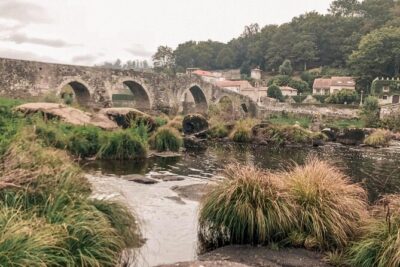
Finisterre and Costa da Morte: The Most Complete Tour of Santiago
Read the review →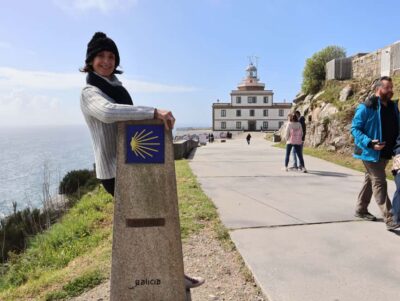
From Santiago: Finisterre, Muxia, Ézaro – 7 stops day tour
Read the review →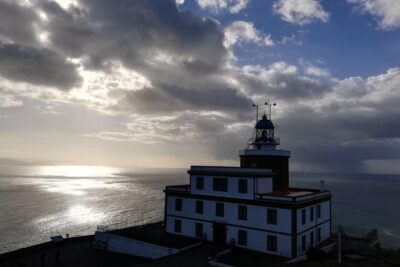
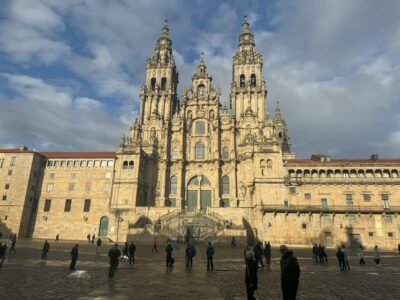
Santiago de Compostela Cathedral and Museum Guided Tour
Read the review →
Visit to the Cathedral of Santiago + Portico de la Gloria Option
Read the review →Browse the lists this tour appears in