
Reviewed · SANTIAGO DE COMPOSTELA TOURS
Santiago de Compostela: Finisterre, Muxía & Costa da Morte
The real prize here is the far western tip of Galicia, where the Camino de Santiago reaches the Atlantic at Finisterre and continues toward the stormy rocks of Muxía. In one long day, you’ll see medieval bridges, fishing villages, a waterfall dropping into the sea, granite headlands, and places shaped by both pilgrimage and old coastal beliefs.
I like the range of scenery, from Ponte Maceira’s river mills to the open views at Cape Finisterre. I also like the practical value: for $59.28, an air-conditioned coach connects six places that would be awkward to visit by public transport in a single day. The main drawback is the schedule. Nine hours is a lot after walking the Camino, and some stops may feel brief or less important than the final coastal sites.
Key points to know before you book
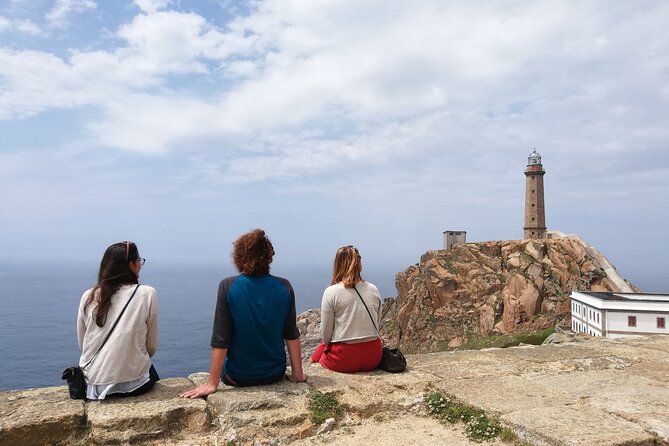
- Finisterre and Muxía are the main event: These two Atlantic stops offer the strongest mix of pilgrimage meaning, sea views, legends, and dramatic rock formations.
- Six stops fit into about nine hours: You see a great deal, but this is a busy sightseeing day rather than a slow village outing.
- Lunch is not included: You’ll have about 90 minutes in Fisterra to eat, explore the port, and wander the lanes.
- Guiding is bilingual: English and Spanish are used, and guide quality can vary by departure. Guides named in the feedback include Andrea, Dani, Christian, Reuben, and Nagore.
- The coach makes this easy after the Camino: You do not need to walk the 98 kilometers from Santiago to Finisterre.
- The price is strong for the mileage: Transport, guiding, and several scenic stops are included, but meals and personal purchases are extra.
Why this is a strong post-Camino day
For many pilgrims, reaching Santiago is not quite the end. The traditional extension runs west to Finisterre, roughly 98 kilometers away, and some continue north to Muxía. This tour gives you that final chapter without asking tired legs to walk it.
I think that is the clearest reason to book. You can sit back on a comfortable, air-conditioned coach while the driver handles Galicia’s curving coastal roads. One guide described by name in the feedback was praised for explaining the background and answering questions, while other departures were led by Andrea, Dani, Christian, Reuben, or Nagore. The experience can feel personal with a strong guide, though one less successful departure had fast, memorized commentary.
The group may be small, around 15 people on some departures, but the stated maximum is 50. That difference matters. A smaller group makes it easier to hear the guide and gather at each stop. A full coach will feel more like an efficient sightseeing shuttle.
The advertised start is 9:00 a.m. at Toxo Travel on Rúa dos Bautizados, 12, in Santiago. The tour returns to that meeting point around the end of the day. One practical detail: you may walk a few minutes from the office to the larger coach, so arrive ready to follow the group rather than assuming the bus is parked directly outside.
A few other Santiago de Compostela outings to compare
- Santiago: Cathedral & Museum Tour + Pórtico of Glory Option
★ 4.7 · 2,116 reviews - From Santiago: Finisterre, Muxia & Costa da Morte Excursion
★ 4.7 · 1,481 reviews - Excursion to Finisterre + Muxia + Costa da Morte (7 stops)
★ 5.0 · 1,367 reviews
Ponte Maceira and the Tambre River
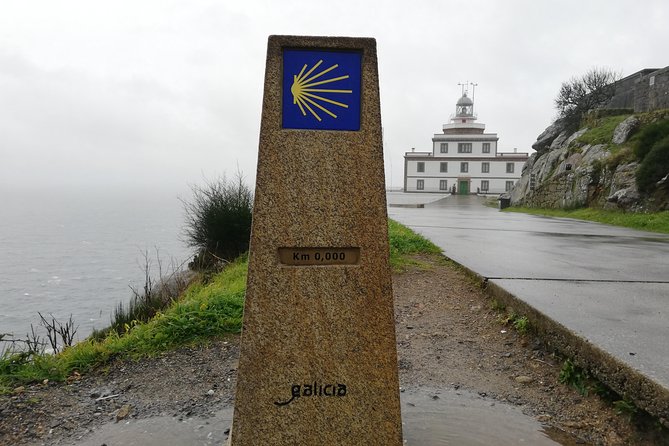
Ponte Maceira opens the day with a pleasant change from Santiago’s stone streets. This small village sits along the Tambre River, where a 14th-century bridge crosses the water among old mills and cobbled lanes.
The stop lasts about 25 minutes, so you should think of it as a quick look rather than a full village visit. Use the time to cross or photograph the bridge, notice the medieval mill buildings, and take in the river setting. There is no admission charge.
This is one of the quieter stops, and that may be exactly what you need at the start of a long day. It offers context for rural Galicia before the route reaches the open Atlantic. Still, if your priority is cliffs, surf, and pilgrimage landmarks, 25 minutes here may feel generous compared with the time available at Muxía.
Muros, a working fishing town
Muros brings you to the coast proper. This fishing village has a 16th-century historic center, a port, and narrow streets that reward a short wander.
You get about 30 minutes. I would spend it simply: walk toward the harbor, look at the stone façades, and leave enough time to return to the coach. The port gives you a glimpse of everyday coastal Galicia, while the old center supplies the historic atmosphere.
This stop works well because it breaks up the long drive. It is not designed for a full meal or a museum visit. If you want time for photographs, a quick coffee, and a look at the lanes, it is enough. If you prefer to sit down and study the town, you will want longer.
Some descriptions of the road order place Muros before the waterfall and Finisterre, while the published stop list begins with Ponte Maceira. Treat the day as a fixed group route rather than planning around an exact sequence. The important point is that Muros is one of the early coastal stops, and Fisterra provides the main free time for food.
Ézaro waterfall, where the river meets the sea
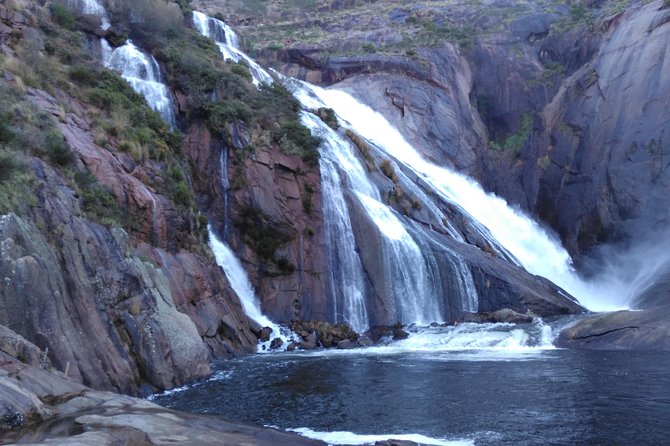
At Fervenza de Ézaro, the Xallas River makes a dramatic final drop of about 40 meters toward the sea. It runs along the foothills of Monte Pindo before plunging into the Atlantic, creating one of the day’s most unusual sights.
The stop lasts around 30 minutes and costs nothing to enter. This is a photo stop, but do not reduce it to a quick snapshot. The setting shows how compact Galicia can feel: river, mountain, rock, and sea all meet in one view.
I can also understand why some people would trim this stop. The day already includes several coastal viewpoints, and half an hour here leaves little room for a longer walk. If you want maximum time at Finisterre and Muxía, the waterfall may seem less essential. If you enjoy natural sights and want variety beyond villages and religious sites, it earns its place.
Bring a charged phone or spare battery. The day offers many photo opportunities, and the best views are spread across several stops.
Same city, a completely different evening:
- Finisterre and Costa da Morte: The Most Complete Tour of Santiago
★ 5.0 · 733 reviews - From Santiago: Finisterre, Muxia, Ézaro – 7 stops day tour
★ 4.6 · 553 reviews - Santiago de Compostela: Finisterre, Muxia & Costa da Morte
★ 4.7 · 526 reviews - Santiago de Compostela Cathedral and Museum Guided Tour
★ 4.6 · 511 reviews
Cape Finisterre and the old End of the World
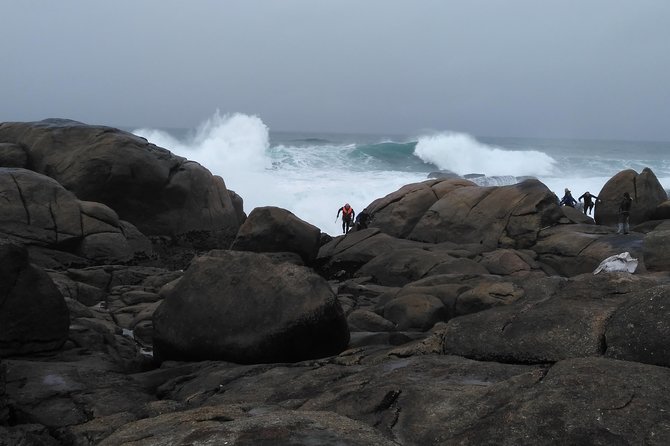
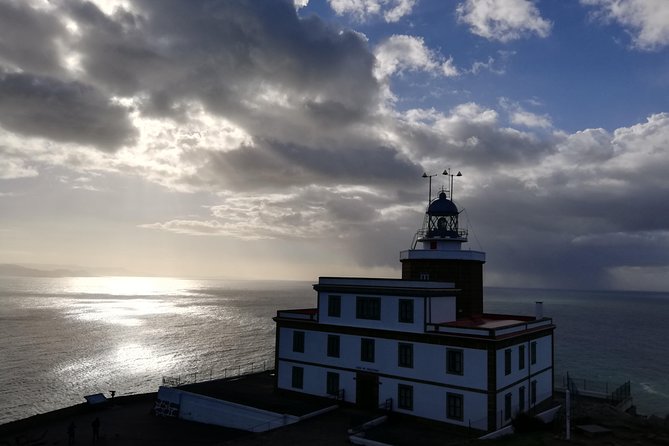
Faro de Fisterra is the emotional center of the outing. Ancient Greek and Roman writers placed the End of the World here, at the western edge of the known world. The modern lighthouse sits above broad views toward the Ría de Corcubión, the Carnota coast, and the granite mass of Monte Pindo.
You have about 40 minutes around the lighthouse. Give yourself time to look beyond the building itself. The point is the meeting of land and Atlantic, the sense of distance, and the connection to pilgrims who extend their Camino after Santiago.
This place carries several layers of meaning. Religious pilgrimage, maritime danger, and older pagan ideas overlap here. That mix helps explain why Finisterre has kept its hold on the imagination. You are not simply visiting a viewpoint. You are visiting the symbolic finish line of a route that many people began weeks earlier.
The weather matters greatly. Fog and rain can erase the wide views, although the cape can still feel powerful in poor weather. The tour may be canceled if conditions are unsuitable, with a different date or full refund offered. If the day is merely gray or wet, the stop still goes ahead, so pack a rain layer and shoes that can handle damp ground.
Free time in Fisterra
The town of Fisterra follows the lighthouse, with about an hour and a half for lunch and exploring. This is the most useful block of independent time on the tour.
You can walk around the fishing port, browse the narrow lanes, and choose where to eat. Lunch is not included, which keeps the headline price down and lets you decide how much to spend. That flexibility is useful, but it means you should not assume the guide’s suggested restaurant will suit you.
One meal recommendation mentioned in the feedback was a €20 pilgrim-style menu that did not include bread or drinks and was considered disappointing. That is not a reason to skip the tour, but it is a reason to make your own lunch choice. Ask what the menu includes before sitting down, and compare options near the port if you want seafood or a lighter meal.
Ninety minutes is enough for a relaxed lunch if service is prompt. It is also enough for a quick meal followed by a walk. I would not spend the entire block at the table unless food is your main reason for visiting Fisterra. The harbor and lanes are part of the experience.
Muxía and the Sanctuary of the Boat
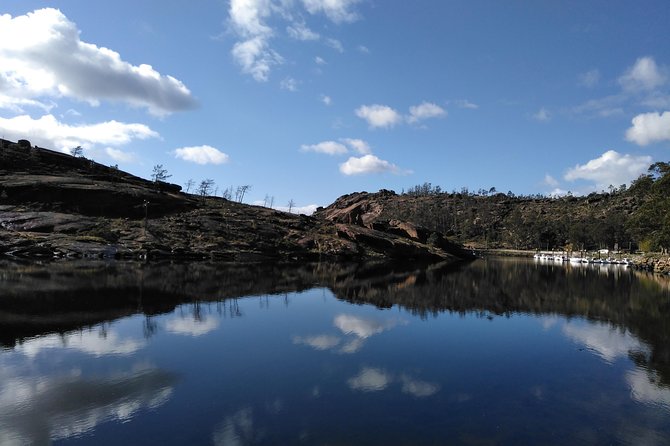
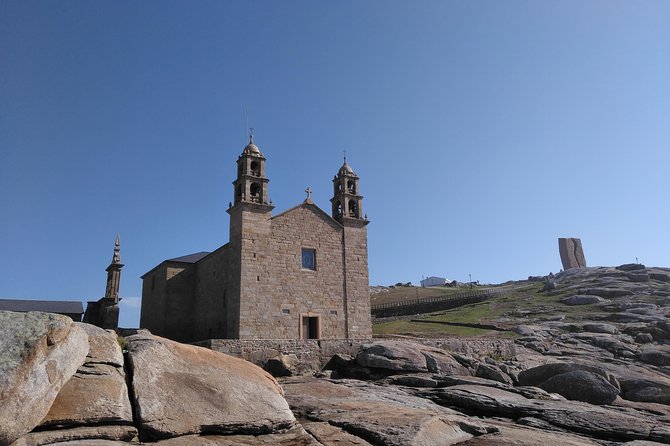
Muxía is often the highlight for people who want raw Atlantic scenery and pilgrimage symbolism. The town’s story centers on the Sanctuary of the Boat, set beside the sea and its striking granite stones.
You will see the Pedra de Abalar, the Pedra dos Cadrís, and the Piedra del Timón. These rocks are tied to local tradition and to the sanctuary’s story. The combination of chapel, exposed shore, and large stone formations gives Muxía a different feeling from Finisterre. Finisterre is the famous western endpoint; Muxía feels more elemental.
The stop lasts about 30 minutes. That is enough to visit the sanctuary area and take in the sea, but you will not have time for a slow exploration of the entire town. A short path leads toward the summit of Monte Corpiño, where views reach across the estuary toward Cabo Vilán, the beaches of Leis and Lago, and Monte Facho. Follow the guide’s timing closely, since the coach will not wait for a long independent walk.
If you have just completed the Camino, Muxía can feel like a fitting final note. You get the spiritual setting without another day of walking. If you have more time in Galicia, you may want to return independently for a slower visit.
How the schedule feels on the road
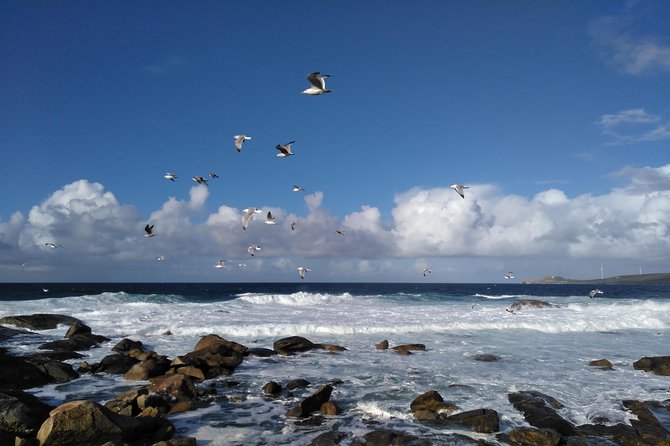
Nine hours allows the tour to cover a great deal, but the pace is deliberate. You move from one place to the next, listen to a bilingual explanation, take photographs, and return to the bus on time.
Guides generally speak first in one language and then the other. On a good departure, the information is clear and well paced. Nagore was praised for speaking slowly and clearly in English, while Andrea was described as engaging and attentive to the group. Other guides, including Christian, Dani, and Reuben, were singled out for useful explanations and a friendly approach.
The weak point is communication when the microphone fails or the guide speaks too quickly. One departure involved repeated commentary in three languages, which made the ride feel longer. This is a practical risk on any bilingual coach tour. If hearing every detail matters to you, sit near the front and ask the guide to repeat anything you miss.
The coach itself is a major advantage. It is air-conditioned, clean, and comfortable enough for resting between stops. One bus had a toilet, but it was not available for passengers, so do not count on an onboard bathroom. Plan to use facilities at the stops when possible.
Price, value, and who should book
At $59.28 per person, this is a good-value way to reach the Costa da Morte from Santiago. The price covers the vehicle and guided sightseeing, and the route links six places that would be difficult to combine without a car. You will still pay for lunch and any personal purchases.
The value is strongest if you have only one spare day in Santiago. It is also strong if you have finished the Camino and want to see Finisterre without walking farther. The coach saves time, removes the need to navigate narrow roads, and lets you rest.
I would hesitate if you prefer slow travel. Thirty minutes in Muros, 30 minutes at Ézaro, 40 minutes at the lighthouse, and 30 minutes in Muxía are enough for an introduction, not a deep visit. The day’s strongest free time comes in Fisterra, where you can eat and explore for 90 minutes.
The tour is offered in English, but the commentary is bilingual. Most people can take part, service animals are allowed, and the meeting point is near public transportation. Confirmation is provided at booking, and free cancellation is available up to 24 hours before the start time. Poor weather or too few bookings can lead to a cancellation, with a new date or refund offered.
Should you book this Finisterre and Muxía tour?
Book it if you want an efficient coastal day from Santiago, especially after the Camino. The combination of Finisterre, Muxía, the Ézaro waterfall, and smaller Galician towns gives you more than a single end-of-the-road viewpoint. The air-conditioned coach and modest price make the day easy to justify.
Skip it if you are exhausted, dislike fixed schedules, or want to spend hours in one village. For most people with an extra day in Santiago, though, this is a sensible way to reach Galicia’s Atlantic edge. Bring a phone charger, rain protection, patience for bilingual commentary, and enough energy for a full day.
FAQ
How long is the tour?
The experience lasts approximately nine hours. It starts at 9:00 a.m. and returns to the Toxo Travel meeting point in Santiago de Compostela.
Where does the tour start?
You meet at Toxo Travel, Rúa dos Bautizados, 12, 15702 Santiago de Compostela, A Coruña, Spain. The activity ends back at the same meeting point.
Is lunch included?
No. Lunch is not included. You have about 1 hour and 30 minutes in Fisterra to choose a restaurant, eat, visit the port, and explore the town.
What places does the tour visit?
The route includes Ponte Maceira, Muros, Fervenza de Ézaro, Faro de Fisterra, Fisterra town, and Muxía.
Is the tour offered in English?
Yes. The tour is offered in English, with bilingual guiding in English and Spanish during the day.
How many people can join the tour?
The activity can have a maximum of 50 travelers. Some departures may be smaller, with one group described as having 15 people.
Can I cancel for a refund?
Yes. You can cancel at least 24 hours before the start time for a full refund. Cancellations or changes made less than 24 hours in advance are not accepted for a refund. If the operator cancels because of poor weather or too few bookings, you are offered another date or a full refund.
Recently added in Santiago de Compostela
- Tapas Tour of Santiago de Compostela★ 4.5 · 191 reviews
- From Santiago: Rías Baixas Galicia Seafood & Wine Day Tour★ 4.6 · 209 reviews
- Santiago de Compostela: Finisterre, Costa da Morte, Ézaro, Muros & Carnota★ 4.5 · 220 reviews
- Masaje del Peregrino★ 5.0 · 243 reviews
- Excursion to Rias Baixas with Winery – Optional mussel boat★ 5.0 · 276 reviews
- Santiago de Compostela: Cathedral, Museum, and Old Town Tour★ 4.8 · 382 reviews
- From Santiago: Tour to Rias Baixas with Boat Trip and Winery★ 4.7 · 400 reviews
- Visit to the Cathedral of Santiago + Portico de la Gloria Option★ 4.5 · 503 reviews
Santiago de Compostela Tours, compared.
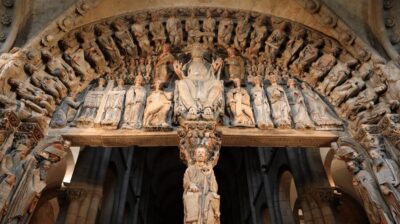
Santiago: Cathedral & Museum Tour + Pórtico of Glory Option
Read the review →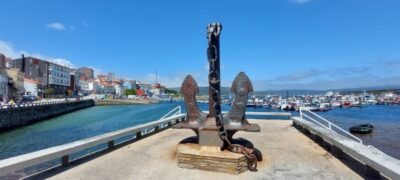
From Santiago: Finisterre, Muxia & Costa da Morte Excursion
Read the review →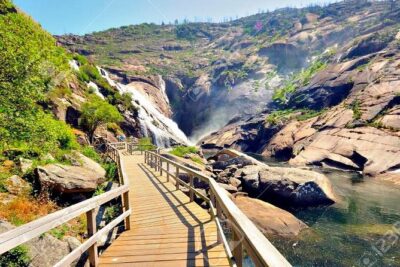
Excursion to Finisterre + Muxia + Costa da Morte (7 stops)
Read the review →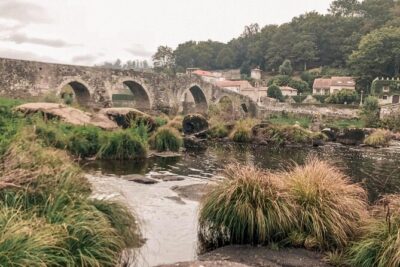
Finisterre and Costa da Morte: The Most Complete Tour of Santiago
Read the review →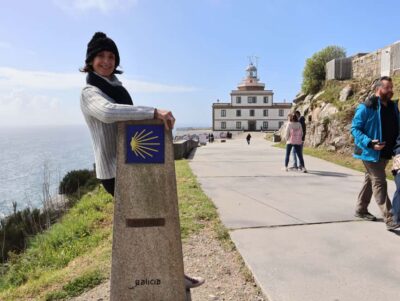
From Santiago: Finisterre, Muxia, Ézaro – 7 stops day tour
Read the review →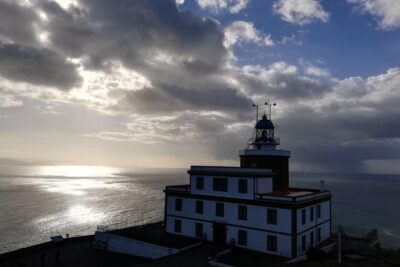
Santiago de Compostela Cathedral and Museum Guided Tour
Read the review →
Visit to the Cathedral of Santiago + Portico de la Gloria Option
Read the review →Browse the lists this tour appears in