
Reviewed · SANTIAGO DE COMPOSTELA TOURS
Finisterre and Costa da Morte: The Most Complete Tour of Santiago
Finisterre is the star of this long coastal day, but the real pleasure is seeing how many different sides of Galicia fit around it: pilgrim sites, fishing towns, rugged shore, a waterfall, and one of the region’s famous granaries. You’ll reach the Faro de Fisterra, once thought to mark the end of the known world, then continue through the Costa da Morte by air-conditioned coach.
I like the strong Camino connection, especially at Muxía, where the sea, sanctuary, and ancient stones give the journey a sense of purpose. I also like the range of stops for $59.26, since independent transport to all eight places would be awkward. The trade-off is simple: this is a long 9.5-hour day, with plenty of bus time and some stops that can feel brisk.
Key points to know before booking
- Finisterre and Muxía provide the emotional high points: Both places carry special meaning for people who have completed the Camino.
- Eight coastal and cultural stops fit into one day: You’ll see Ponte Maceira, Muxía, Finisterre, Ézaro, Carnota, and Muros without arranging several separate trips.
- Lunch is not included: You get free time in Finisterre, where restaurants serve local food, including fresh fish, at different price levels.
- The coach makes a large-group day easy: Transport, insurance, and a guide are included, with a maximum group size listed as 55.
- Guide quality matters: Maria receives especially warm praise for clear explanations and friendly help, though some English-speaking customers found the commentary hard to follow.
- Check the meeting point carefully: Departure is at 9:00 a.m. from Plaza de Galicia, with the address given as R. de Montero Rios 2, Santiago de Compostela.
Why this route works after the Camino
Many people take this trip after walking to Santiago. That timing makes sense. The Camino may end at the cathedral, but Finisterre and Muxía extend the pilgrimage toward the Atlantic, where the road meets the sea.
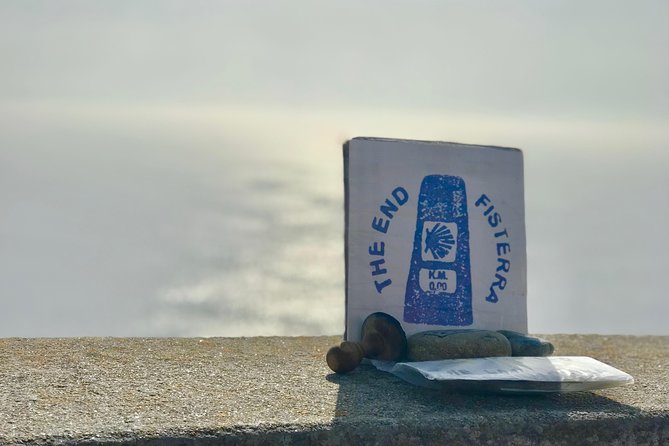
At Finisterre, the experience is more than a quick photograph beside a lighthouse. The rocky headland, open water, and old idea of the end of the world give the stop a reflective mood. For someone who has just walked for days or weeks, it can feel like a fitting final page.
Muxía offers a different kind of meaning. The Sanctuary of Virxe da Barca is tied to the story of Saint James and to centuries of pilgrimage. The ocean here is not a quiet backdrop. It is part of the place’s identity, its legends, and its rituals.
I particularly like that the tour does not rush straight to Finisterre. Ponte Maceira, Ézaro, Carnota, and Muros show you the wider region instead of treating the lighthouse as the only reason to come. You get villages, farming traditions, seafood culture, sacred places, and Atlantic scenery in one broad sweep.
The cost is $59.26 per person. For that price, you receive round-trip coach transport, an English and Spanish guide, air conditioning, and insurance. Lunch, drinks, and admission charges are not included, though the listed stops are free to enter. The value is strongest if you want to see all these places without renting a car or sorting out local connections.
A few other Santiago de Compostela outings to compare
- Santiago: Cathedral & Museum Tour + Pórtico of Glory Option
★ 4.7 · 2,116 reviews - From Santiago: Finisterre, Muxia & Costa da Morte Excursion
★ 4.7 · 1,481 reviews - Excursion to Finisterre + Muxia + Costa da Morte (7 stops)
★ 5.0 · 1,367 reviews
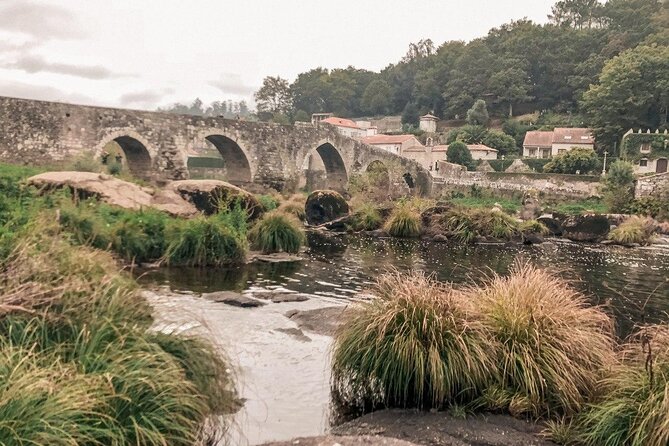
Ponte Maceira, a fitting beginning or ending
Ponte Maceira is a small but memorable stop built around a Roman bridge. It is associated with the Finisterre route and with stories connected to Santiago.
You get about 30 minutes here. That is enough to admire the bridge and the river setting, but not enough for a long walk or a slow exploration of the village. The order can change, so Ponte Maceira may appear at the start or near the end of the day.
That changing order is worth knowing. If you expect the published sequence exactly, the day may feel different from what you planned. Still, the bridge makes a pleasant introduction to the route, and it can also be a calm final stop after a full day on the coast.
One practical point: some people wish they had more time here and less time in Muros. If old bridges and quiet village settings appeal to you, keep that in mind when deciding if a fast-moving group tour is right for you.
Muxía and the Sanctuary of Virxe da Barca
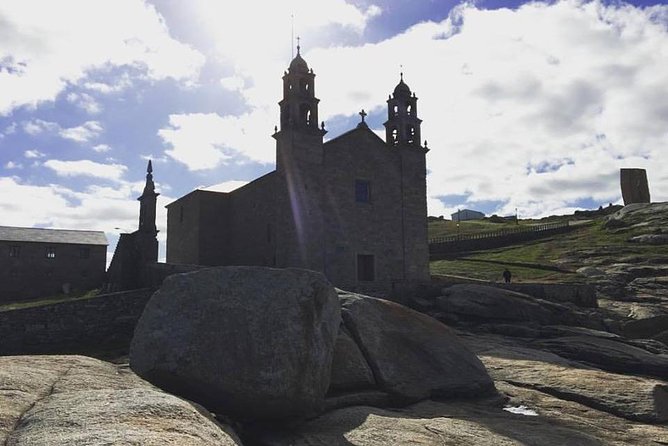
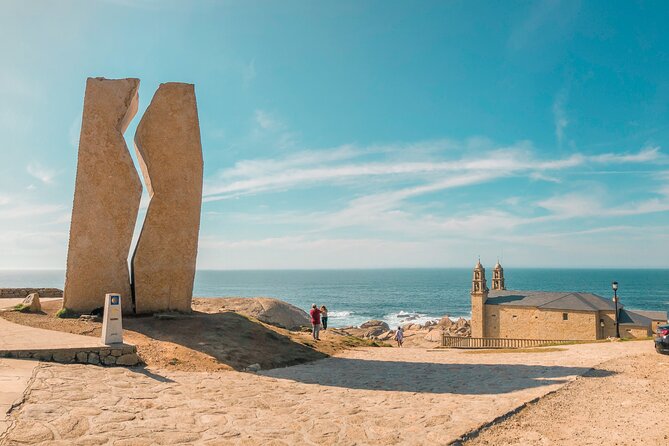
Muxía is one of the tour’s most important stops. The Sanctuary of Virxe da Barca sits beside the Atlantic and is closely linked with the pilgrimage tradition around Santiago.
The stop lasts about 45 minutes at the sanctuary, followed by roughly 30 minutes for the stones at Pedra D’Abalar and Pedra dos Cadrís. The setting gives the guide room to explain the legends about Saint James and the local devotion to these unusual rocks.
The stones are not just geological curiosities. Local tradition gives them meaning, and the tour introduces the rituals connected with them. You may be invited to consider the customs of Muxía rather than simply photograph the rocks and return to the coach.
This is a place where background information helps. If you have walked the Camino, the visit can connect your journey in Santiago with an older and wilder strand of Galician pilgrimage. If you have not walked the Camino, the guide’s explanation becomes more important, since the religious and legendary context may not be obvious at first glance.
The guide is expected to speak in English and Spanish. Several customers specifically praised Maria for answering questions, helping people find points of interest, and keeping the group on schedule. At the same time, some English speakers found the accent or delivery difficult to understand. That is a fair concern for you if historical explanation is the main reason you are booking.
Finisterre Lighthouse and the end of the world
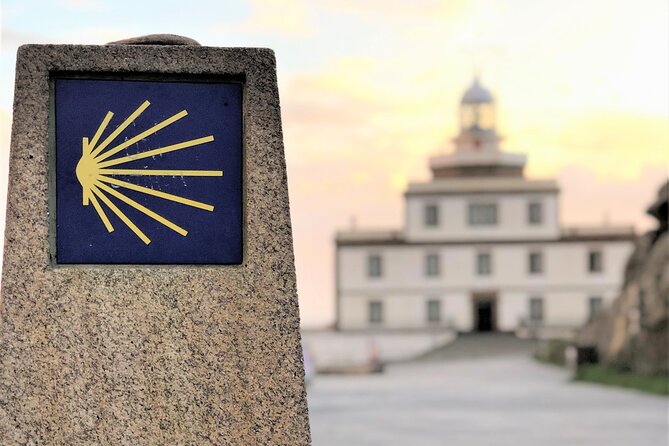
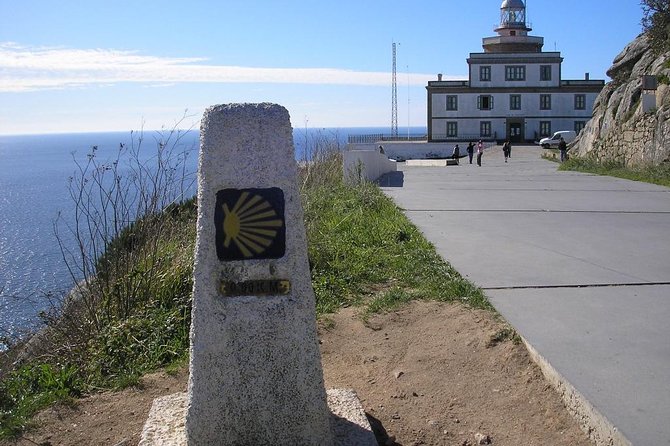
The Faro de Fisterra is the main event. The lighthouse overlooks the western tip of Galicia, where the coast feels exposed and powerful.
The itinerary allows about 45 minutes at the lighthouse, followed by 1 hour and 30 minutes in the town of Fisterra. The split works well in theory. You have time for the headland and then a proper pause for food, rather than trying to eat beside the coach.
At the lighthouse, focus on the setting rather than expecting a long indoor attraction. The appeal is the headland, the sea, and the symbolic importance of reaching this point after Santiago. The rugged shore can be especially moving after the Camino, and you will have time to take photographs and simply look outward.
The weather can change the mood dramatically. Wind, rain, and cold are common possibilities on the Atlantic coast, and poor weather may affect how much you enjoy the exposed viewpoints. Wear a waterproof outer layer and shoes that can handle uneven ground. That advice is practical, not dramatic. A beautiful coastal stop is less enjoyable if you are cold and wet.
After the lighthouse, the group goes down to Fisterra for lunch. Food is on your own account, and restaurants offer local dishes at a range of prices. Fresh fish is a popular choice, but the tour does not require a particular restaurant or meal. The long lunch period gives you a welcome chance to sit down, though some people find the break longer than the sightseeing stops.
Same city, a completely different evening:
- From Santiago: Finisterre, Muxia, Ézaro – 7 stops day tour
★ 4.6 · 553 reviews - Santiago de Compostela: Finisterre, Muxia & Costa da Morte
★ 4.7 · 526 reviews - Santiago de Compostela Cathedral and Museum Guided Tour
★ 4.6 · 511 reviews - Visit to the Cathedral of Santiago + Portico de la Gloria Option
★ 4.5 · 503 reviews
Ézaro Waterfall and the power of water
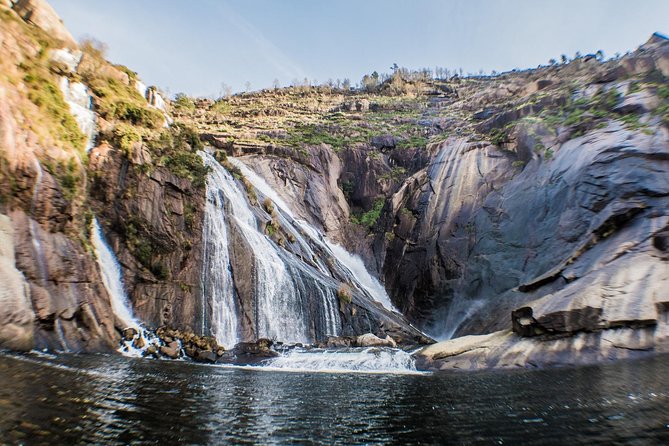
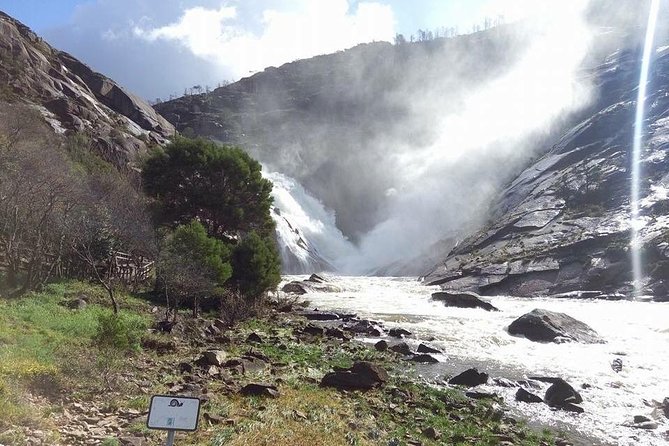
Ézaro Waterfall adds a different note to the day. Water drops through a dramatic setting tied to older pre-Roman traditions and local legends.
You have about 40 minutes here. That is enough to see the waterfall and hear the story behind the place, though the exact feel of the stop will depend on weather and conditions.
This stop helps break up the coastal viewpoints. After several hours of sea and rock, the waterfall gives you a change of scenery without taking you far from the route. The guide’s explanation is useful here because the cultural meaning is not immediately visible in the water itself.
Do not expect a long hike or a full nature walk. This is a short group visit, designed to fit eight stops into one day. If you want extended time at each site, a rental car or private excursion would suit you better.
Carnota’s enormous horreo
Galicia is known for horreos, raised stone granaries used to store grain. At Carnota, you see one of the largest and most recognizable examples.
The stop lasts about 30 minutes. The guide explains how these structures work and why they became such an important part of Galician rural life. It is a small piece of architecture with a useful story behind it.
I like this stop because it moves the day beyond famous pilgrimage sites. You get a glimpse of how people stored food, worked the land, and shaped practical buildings to suit local conditions. The granary also makes a good visual contrast with the oceanfront sanctuaries and lighthouses.
Thirty minutes is enough for an introduction and photographs. It will not satisfy you if you want a detailed architectural study, but that is not the purpose of this tour.
Muros and the working estuary
Muros is the final listed stop, with about 30 minutes to view the estuary and the town. The scenery here is quieter than Finisterre, with water, shoreline, and the floating platforms used to grow mussels, oysters, and scallops.
These platforms, known locally as bateas, show that the coast is a workplace as well as a scenic destination. Looking across the estuary, you see how seafood farming supports the region’s identity and economy.
Some people prefer more time at Ponte Maceira and less at Muros, while others appreciate the slower coastal view. This is one of the itinerary’s more flexible-feeling stops, and the 30-minute visit will be enough for an overview rather than a full town visit.
The route may run in a different order from the sequence described. That can happen because of local conditions and tour operations. Ask the guide early in the day if the order matters to you.
What the coach day is really like
The coach is air-conditioned, and the driver is an important part of the experience. The route includes narrow roads, tight turns, and rural approaches, so careful driving makes a real difference. Several people praised the driver’s skill and calm handling, including assistance for an older person using the coach steps.
You should expect a large group. The stated maximum is 55 people, and one account describes a bus of about 60, so prepare for a full coach rather than an intimate outing. A large group keeps the price down, but it also means you must return to the coach on time.
The trip lasts about nine and a half hours. It covers a lot, but it also involves substantial time on the road. That is the price of reaching distant coastal points from Santiago in one day.
The schedule is generally well organized, and several people arrived back in Santiago on time. Still, the tour can run over, especially when a group is large or a stop takes longer than planned. Do not book a tight evening train, restaurant reservation, or flight immediately after the stated return.
The departure point is central at Plaza de Galicia. The information gives the address as R. de Montero Rios 2, 15702 Santiago de Compostela, and also refers to Plaza de Galicia 2. Because one pickup mix-up caused a long extra walk, confirm the precise meeting spot before departure. Hotel drop-off is not included. The tour returns to the central starting point.
Food and drinks are not included, and alcoholic drinks are available to buy. You may bring your own expectations about lunch, but the safest plan is to budget separately for the meal in Fisterra.
Guide style and language
The guide provides commentary in English and Spanish. The best reports describe friendly, well-informed guides who explain the significance of each place, answer questions, accompany the group, and help people find the main points of interest.
Maria is the guide name most often associated with especially strong service. Her strengths include giving the right amount of information, linking the sights to the Camino, and keeping a large group moving without making the day feel frantic.
The experience is not perfect for every English speaker. Some people had trouble following a strong accent or felt the standard commentary lacked detail. If you want a formal lecture at every stop, you may find the narration uneven. If you prefer a broad introduction with the chance to ask questions, the format should work better.
A useful strategy is to read a little about Finisterre and Muxía before you go. That gives you the basic story, leaving the guide’s comments to add local context rather than carrying the entire meaning of the visit.
Who should book this day trip?
I would choose this tour if you are based in Santiago and want to see the Atlantic coast without driving. It is particularly well suited to people who have completed the Camino and want to continue to Finisterre and Muxía while the pilgrimage is still fresh.
It also suits first-time visitors who want a broad view of Galicia. In one day, you see sacred places, rural architecture, a waterfall, fishing culture, an estuary, and the coast’s most famous headland.
I would hesitate if you dislike coaches, large groups, or fixed schedules. You cannot linger wherever you wish, and the sightseeing time at some stops is limited. Young children may also find the day tiring because of its length and the amount of time spent traveling.
At 4.8 out of 5 from 733 ratings, with 96 percent recommending it, the overall picture is strong. The most consistent praise goes to the route, the driver, the friendly guides, the comfortable coach, and the way the day helps Camino walkers wind down. The main cautions are language clarity, occasional confusion about the meeting point, long bus periods, and the possibility of a rushed stop.
Free cancellation is available up to 24 hours before departure for a full refund. The tour depends on good weather and a minimum number of participants. If poor weather or low enrollment cancels the trip, you are offered another date or experience, or a full refund.
Should you book Finisterre and Costa da Morte?
Book it if you want the most efficient way to connect Santiago with Finisterre, Muxía, and several smaller Galician sights. The price is fair for the distance covered, transport, bilingual guide, and insurance, especially if you do not have a car.
Go in with realistic expectations. This is a full coach day, not a slow private tour. Confirm Plaza de Galicia before leaving, bring weather protection, budget for lunch, and allow flexibility after the return.
For a post-Camino farewell, I think the route makes particular sense. Finisterre gives you the symbolic finish, Muxía adds spiritual weight, and the other stops show you the coast as a living part of Galicia rather than just a famous endpoint.
FAQ
How long is the Finisterre and Costa da Morte tour?
The experience lasts approximately 9 hours and 30 minutes.
What time does the tour start?
Departure is scheduled for 9:00 a.m.
Where does the tour depart from?
The meeting point is in central Santiago at Plaza de Galicia. The address is listed as R. de Montero Rios 2, 15702 Santiago de Compostela, and also as Plaza de Galicia 2.
Is lunch included?
No. You receive free time to eat in Fisterra, but lunch, food, drinks, and alcoholic drinks are not included in the tour price.
Is the tour offered in English?
Yes. The tour includes an English and Spanish guide.
What is included in the price?
Transportation in an air-conditioned coach, an English and Spanish guide, and insurance are included.
Can I cancel for a full refund?
Yes. You can cancel at least 24 hours before the experience start time for a full refund. Changes or cancellations made less than 24 hours in advance are not accepted for a refund.
Recently added in Santiago de Compostela
- Tapas Tour of Santiago de Compostela★ 4.5 · 191 reviews
- From Santiago: Rías Baixas Galicia Seafood & Wine Day Tour★ 4.6 · 209 reviews
- Santiago de Compostela: Finisterre, Costa da Morte, Ézaro, Muros & Carnota★ 4.5 · 220 reviews
- Santiago de Compostela: Finisterre, Muxía & Costa da Morte★ 5.0 · 235 reviews
- Masaje del Peregrino★ 5.0 · 243 reviews
- Excursion to Rias Baixas with Winery – Optional mussel boat★ 5.0 · 276 reviews
- Santiago de Compostela: Cathedral, Museum, and Old Town Tour★ 4.8 · 382 reviews
- From Santiago: Tour to Rias Baixas with Boat Trip and Winery★ 4.7 · 400 reviews
Santiago de Compostela Tours, compared.
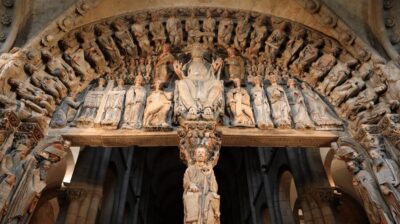
Santiago: Cathedral & Museum Tour + Pórtico of Glory Option
Read the review →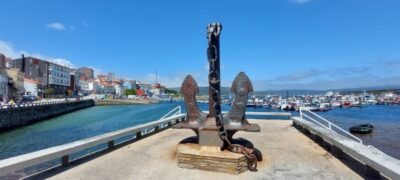
From Santiago: Finisterre, Muxia & Costa da Morte Excursion
Read the review →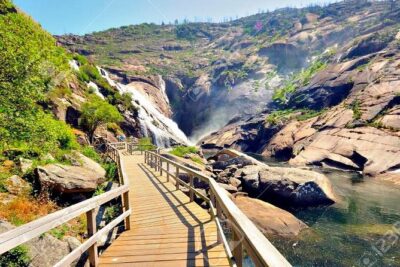
Excursion to Finisterre + Muxia + Costa da Morte (7 stops)
Read the review →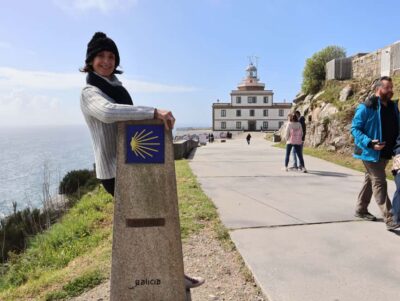
From Santiago: Finisterre, Muxia, Ézaro – 7 stops day tour
Read the review →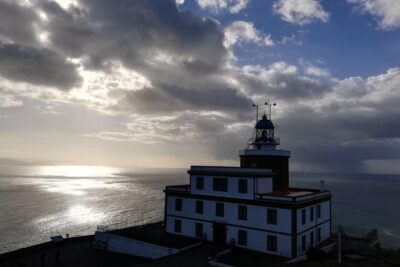
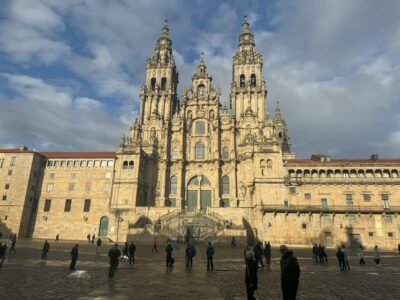
Santiago de Compostela Cathedral and Museum Guided Tour
Read the review →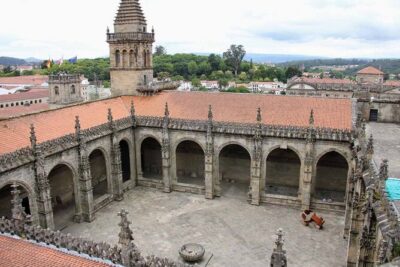
Visit to the Cathedral of Santiago + Portico de la Gloria Option
Read the review →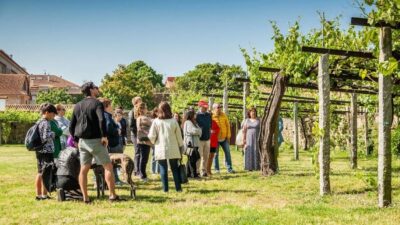
From Santiago: Tour to Rias Baixas with Boat Trip and Winery
Read the review →Browse the lists this tour appears in