
Reviewed · PRADO & MADRID MUSEUM TOURS
Málaga: Carmen Thyssen Museum Ticket
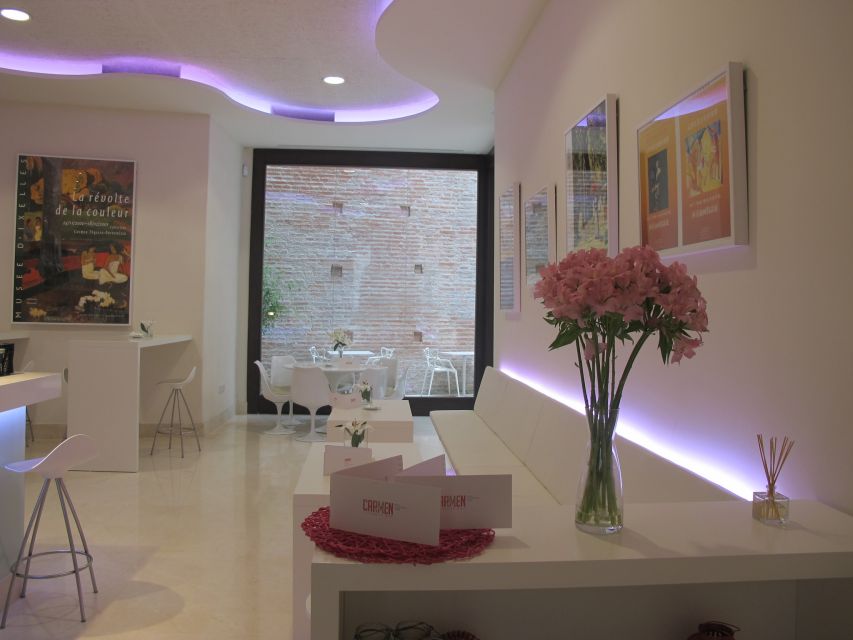
Málaga’s Carmen Thyssen Museum gives you two good reasons to step indoors: a restored 16th-century palace and a focused collection of Spanish painting. Inside, you move from carved ceilings and arcaded galleries to 19th-century Andalusian scenes, Romantic scenery, Naturalist detail, and the refined precieuz style.
I like the way the museum links the art to Málaga itself, and I like the freedom to visit at your own pace with an audio guide in Spanish, English, French, German, or Italian. The main caution is that some gallery labels are reportedly too small to read comfortably, and the museum’s strict no-phone, no-camera rules may surprise you.
Key points to know
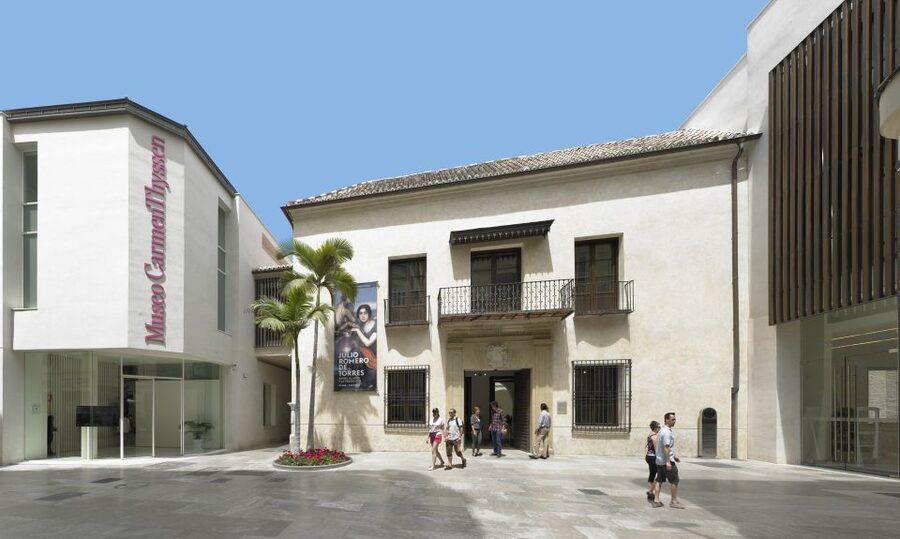
- A palace over Roman and Moorish Málaga: The museum occupies the restored Palacio de Villalón, built over the remains of the Roman city in the old Moorish quarter.
- A clear look at 19th-century Spain: The collection gives special attention to Andalusian painting, with Romantic, Naturalist, religious, and precieuz works.
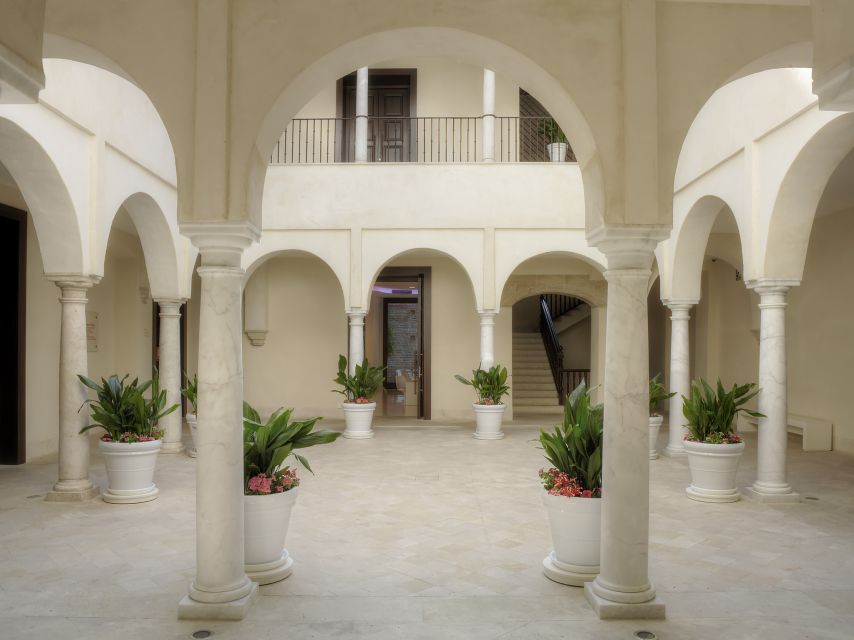
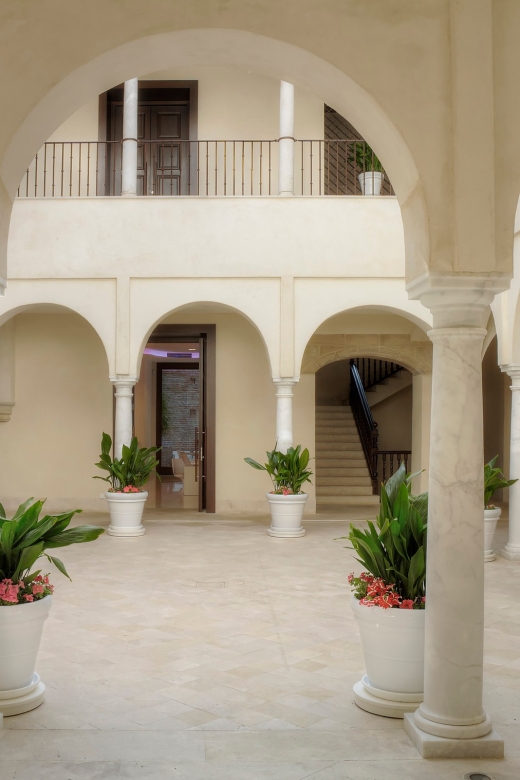
- Two floors around a courtyard: The original palace layout includes arcaded galleries, carved wooden ceilings, and fretwork in the principal rooms.
- The audio guide is included: You can listen in Spanish, English, French, German, or Italian.
- Temporary exhibitions can add real value: A Sorolla exhibition was one visitor’s bonus, so check what is showing when you book.
- Plan around the rules: Cameras, video, food, drinks, large bags, and cellphones in the galleries are not allowed.
Why this museum belongs on your Málaga list
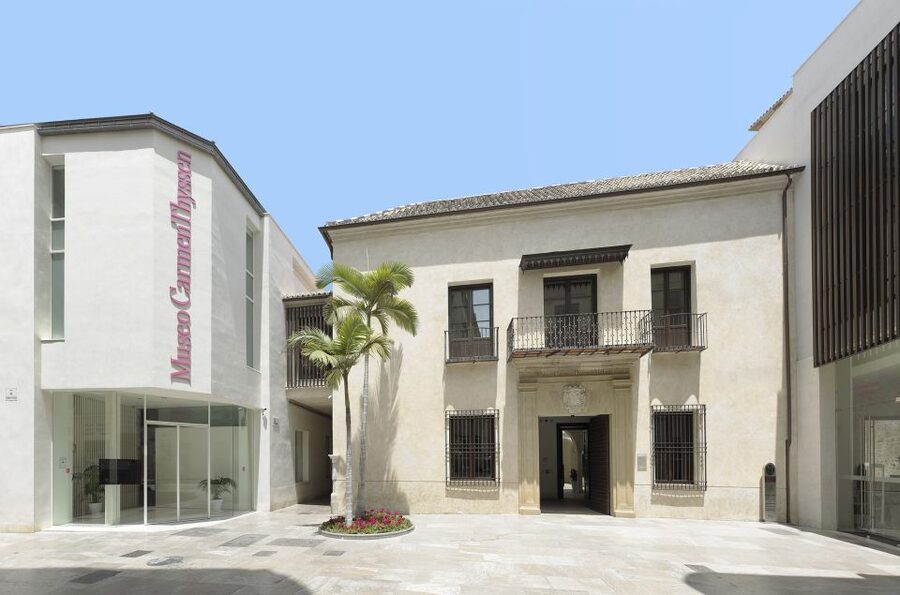
Málaga has major museums, but the Carmen Thyssen offers a different kind of visit. It is not simply a modern gallery filled with famous names. The setting is part of the experience, and the collection helps you understand how Spanish art changed through the 17th, 18th, and 19th centuries.
The museum is housed in the Palacio de Villalón, a 16th-century building connected with Málaga’s Renaissance architecture. Restoration aimed to recover the palace’s original plan while adding new exhibition areas in a restrained contemporary style. That mix gives you a useful contrast: historic rooms in the palace, cleaner modern galleries for the larger exhibition program.
I especially like the scale. You can give the museum a serious visit without needing an entire day. Your ticket is valid for one day, and you can choose the permanent collection, a temporary exhibition, or both, depending on the option available when you book.
At $14 per person, the ticket is reasonable if you care about Spanish art or historic buildings. The value improves when a temporary exhibition is included. If you only want a quick look at famous Málaga sights, you may find the price harder to justify, since this is a museum for looking closely rather than rushing through a checklist.
More Museums in Malaga
- Malaga: Picasso’s Birthplace Museum Entrance Ticket
★ 4.3 · 813 reviews - Malaga: Picasso Museum Guided Tour with Skip-the-Line Ticket
★ 4.8 · 485 reviews - Skip the Line: Malaga Automobile and Fashion Museum Entrance Ticket
★ 4.5 · 379 reviews
Entering the Palacio de Villalón at Compañía 10
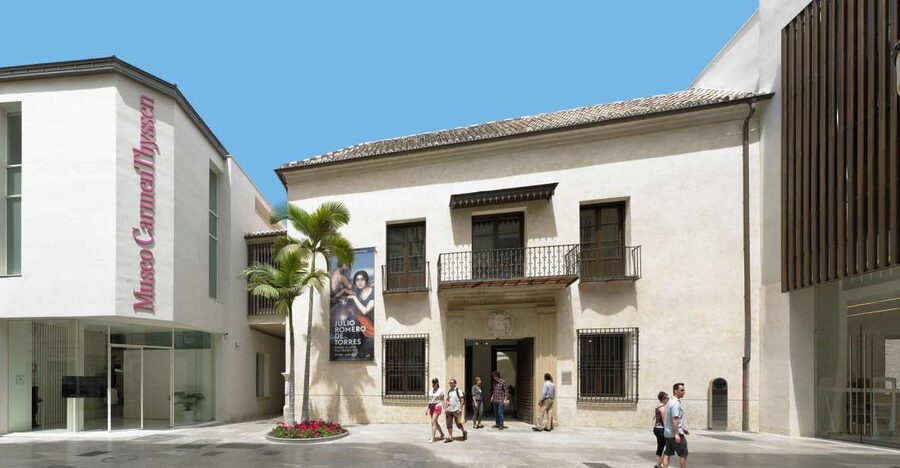
The museum entrance is at Fundación Palacio de Villalón, C/ Compañía 10, in central Málaga. The activity begins and ends at the museum, with no hotel pickup or transportation included, so you need to make your own way there.
The first part of the visit is architectural. The palace was built in the old Moorish quarter, over remains of the Roman city. That layering matters. You are not entering a neutral gallery space. The building carries traces of Málaga’s Roman, Moorish, and Renaissance past before you even reach the paintings.
The palace is arranged over two floors around a central courtyard. Arcaded galleries look into the courtyard, and the principal rooms feature carved wooden ceilings and supporting fretwork. These details reward a slower start. Look up before you hurry toward the artwork.
Some 17th-century Spanish paintings are displayed in the palace rooms. They give you a bridge between the older building and the museum’s main focus on later Spanish art. The religious and historical character of these earlier works also helps explain the changes you will see in later rooms.
The museum’s newer buildings adjoin the palace. Their contemporary design houses the permanent and temporary exhibitions. The transition from old rooms to new galleries is understated rather than theatrical, which keeps your attention on the collection.
The permanent collection and its Spanish focus
The Carmen Thyssen-Bornemisza collection is built around 19th-century Spanish painting, with particular attention to Andalusia. That focus is the museum’s main strength. You get a sense of regional identity, changing artistic taste, and the way painters treated ordinary places, people, religion, and scenery.
The collection covers several styles and subjects. You might find yourself comparing Romantic paintings with Naturalist works, then noticing how carefully artists handled small details. One visitor found the collection especially useful for learning about artists beyond the best-known names such as Zurbarán, Velázquez, Goya, and Picasso.
That is a fair reason to visit. If your knowledge of Spanish art begins and ends with those major figures, this museum can widen the picture. You may leave with new names to investigate, especially among the Andalusian painters represented here.
The museum highlights Romantic scenery by artists including Sánchez-Perrier and Ortega. Romantic painting often asks you to look at mood and atmosphere as much as subject. A scene may feel quiet, dramatic, distant, or idealized. Take time to compare those works with the more exact observation found in Naturalist painting.
The precieuz style is another appealing part of the collection. The term points toward refined, decorative painting with careful finish and attractive surface detail. If you enjoy paintings that reward close inspection, this section may become your favorite.
The collection also includes religious paintings from the 15th and 16th centuries on the upper floor, according to the visit information. That gives the museum a wider historical range than the main 19th-century theme suggests. You can trace how Spanish painting moved from devotional subjects and formal traditions toward newer approaches to daily life and scenery.
How to make the most of the two floors
I would begin with the palace rooms rather than treating them as a passage to the newer galleries. The architecture is one of the museum’s special features, and the carved ceilings are easy to miss if you arrive focused only on the collection.
Next, use the audio guide to shape your visit. It is included in the ticket and available in five languages. You can visit independently, but the guide gives you extra context when a painter or style is unfamiliar. It is particularly useful if you do not already know much about 19th-century Spanish art.
Give the permanent collection enough time for comparisons. Look at how different artists handle light, distance, faces, architecture, and small objects. A painting with no famous name on the label may still reward more attention than a work you recognize.
If you select an option that includes a temporary exhibition, allow time for it rather than treating it as an extra room. The Sorolla exhibition mentioned in the visit material shows how a temporary display can add another layer to your understanding of Spanish painting.
The galleries may not all be equally easy to read. Some captions are set in small type, and you may need to lean in to make out the text. This is a real drawback if you depend on labels for context. The audio guide helps, but I would not assume it replaces every written explanation.
A few other Malaga outings to compare
- Madrid: Prado Museum Entry Ticket
★ 4.6 · 17,509 reviews - Madrid: Reina Sofía Museum Entrance Ticket
★ 4.5 · 6,889 reviews - Madrid: Small Group of Prado Museum Tour & Optional Tapas
★ 4.6 · 2,437 reviews - Madrid: Prado Museum Guided Tour with Skip-the-Line Ticket
★ 4.5 · 2,018 reviews
The art styles worth watching for
The museum is at its best when you use it to follow change over time. Here are the areas I would pay attention to:
- Old Masters and earlier religious art: These works connect the museum to Spain’s long tradition of religious painting and formal craft.
- Romantic painting: Watch for mood, distance, dramatic scenery, and an idealized view of the natural world.
- Naturalist painting: Notice the shift toward observed detail and more direct treatment of people and places.
- The precieuz style: Look closely at finish, decoration, and small visual details.
- Andalusian subjects: These works give the collection a strong local identity rather than presenting Spanish art as one uniform story.
The pleasure here is not just identifying a style. It is seeing how painting changes from one gallery to the next. A visitor described enjoying the way the museum shows this development through the years, especially in works packed with small details.
That observation points to the museum’s best habit: slow looking. Before you read the label, study the painting for a minute. See what attracts your eye. Then use the audio guide or caption to place it in context.
Temporary exhibitions can change the value
The temporary exhibition is important when deciding if the $14 ticket works for you. The permanent collection gives you a solid reason to visit, but a strong temporary show can make the admission feel like a better deal.
A Sorolla exhibition was available during one visit, adding another major Spanish painter to the experience. Because temporary displays change, you should check the current exhibition before booking. Do not assume the Sorolla show, or any other named display, will still be there.
If you are mainly interested in 19th-century Spanish art, choose the option that includes both permanent and temporary collections if the price difference is modest. If your schedule is tight, the permanent collection alone still gives you the palace, Old Masters, Andalusian art, Romantic works, and precieuz examples.
Practical rules that affect your visit
This is a museum visit, not a casual stop where you can carry everything inside. Cameras, video recording, food, drinks, and large bags are not allowed. Bags over 80 by 50 centimeters are specifically prohibited.
Cellphones are also not allowed in the galleries. That means you should not plan to photograph paintings, check messages while walking through the rooms, or use your phone as a substitute for the audio guide. The restriction may feel strict, but it keeps the galleries quiet and protects the art.
Animals are prohibited except for guide dogs. Swimwear is not suitable, and you are asked to wear appropriate museum clothing. Do not touch the paintings or bring objects that could damage the works.
These rules are worth reading before arrival because they can change how you plan the visit. Pack lightly, leave large luggage elsewhere, and finish your phone calls before entering the galleries.
The museum is wheelchair accessible. Since no hotel transfer is included, you remain responsible for reaching the entrance and returning to your own plans afterward.
Who will enjoy the Carmen Thyssen most
I would recommend this museum to you if you like art history but prefer a focused collection to an enormous institution. It works well for anyone curious about Andalusian identity, Spanish painting outside the most famous names, or the link between historic buildings and museum collections.
It is also a good choice if you have already seen Málaga’s better-known museums and want a different angle on the city. The palace gives the visit a strong local setting, while the galleries offer a broader view of Spain.
Families should check the ticket terms carefully. A review specifically notes that visitors under 18 are free, so do not automatically buy an adult ticket for a younger person. Confirm the applicable age policy when booking.
You may want to skip it if you dislike reading labels, cannot leave your phone behind, or only want paintings by Spain’s most famous artists. The collection’s value comes from range, detail, and context, not from a wall of headline names.
Is $14 a fair price?
At $14, this is not the cheapest quick museum stop in Málaga, but it is a fair price for the combination of palace architecture, permanent collection access, and possible temporary exhibition entry. The audio guide adds practical value, especially for visitors who do not know Spanish art well.
I would consider the ticket good value if you plan to spend enough time with the art and the building. It is less compelling if you intend to rush in for 20 minutes or are choosing between several museums with similar collections.
The reserve-now-and-pay-later option can help if your schedule is still changing, and free cancellation is available up to 24 hours before the visit. The ticket is valid for one day, with starting times shown when you check availability.
Should you book the Carmen Thyssen Museum?
Book it if you want Andalusian and Spanish art in a historic Málaga setting, especially if you enjoy comparing Romantic, Naturalist, religious, and precieuz works. The palace, courtyard, carved ceilings, and included audio guide give you more than a simple gallery visit.
Check the current temporary exhibition before paying. If it adds a strong show to the permanent collection, the $14 price becomes easier to recommend. Just arrive with a light bag, no camera or phone for the galleries, and enough time to look closely rather than race from room to room.
FAQ
Where does the Carmen Thyssen Museum visit begin?
It begins at the Carmen Thyssen Museum, Fundación Palacio de Villalón, C/ Compañía 10, 29008 Málaga.
Where does the activity end?
The activity ends back at the Carmen Thyssen Museum, at the same meeting point.
How long is the ticket valid?
The ticket is valid for one day. Starting times depend on availability when you check.
Is an audio guide included?
Yes. An audio guide is included in Spanish, English, French, German, and Italian.
Can I visit the museum with a wheelchair?
Yes. The activity is wheelchair accessible.
Are phones and cameras allowed inside?
No. Cameras, video recording, and cellphones in the galleries are not allowed.
Can I cancel for a refund?
Yes. You can cancel up to 24 hours in advance for a full refund.
Recently added in Malaga
- Tour to Gibralfaro★ 4.7 · 182 reviews
- Al Andalus Hammam in Malaga: Relaxing Bath★ 4.5 · 186 reviews
- Benalmádena: Deluxe Parasailing Flight from Benalmadena Port★ 4.8 · 188 reviews
- Caminito del Rey Small Group Tour from Malaga with Picnic★ 5.0 · 190 reviews
- Ultimate Malaga History & Tapas – All Included Full Experience★ 5.0 · 191 reviews
- From Málaga: Caminito del Rey Small-Group Tour with Picnic★ 4.9 · 192 reviews
- Malaga: Granada Day Trip with Alhambra, Palaces and Gardens★ 4.5 · 197 reviews
- Paddle Surf Route Cliffs Nerja and Cascada de Maro + Snorkel★ 4.5 · 198 reviews
Prado & Madrid Museum Tours, compared.

Small Group of Prado Museum Tour & Optional Tapas
Read the review →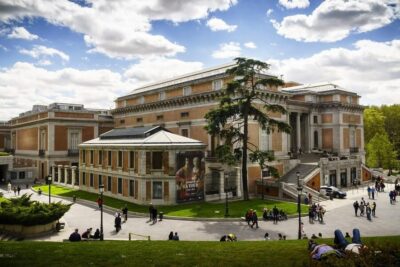
Prado Museum Guided Tour with Skip-the-Line Ticket
Read the review →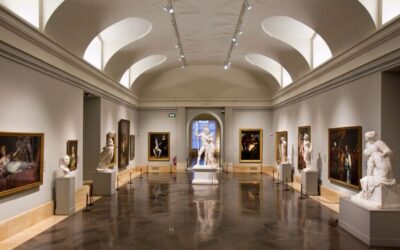
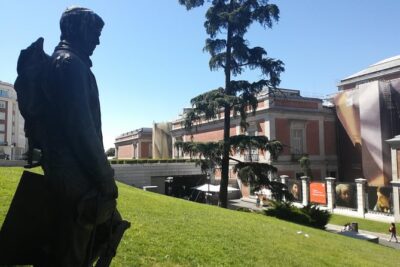
Prado Museum Small Group Tour with Skip the Line Ticket
Read the review →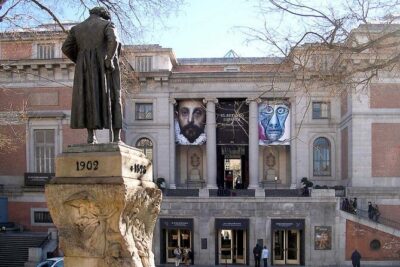
Royal Palace & Prado Museum Skip the Line Guided Tour
Read the review →
Browse the lists this tour appears in