
Reviewed · MUSEUMS
Malaga: Picasso’s Birthplace Museum Entrance Ticket
Picasso’s birthplace is not a grand palace or a huge art center. It is a compact museum in Malaga’s Plaza de la Merced, where the artist was born and where his early family life is brought into focus. The visit connects the city’s Mediterranean setting, bullfighting, doves, nudes, and Picasso’s artistic training to the work he later made famous.
I like the museum’s personal objects, especially the baby shirt, first walking shoes, family photographs, and portraits. I also like the low price and the clear route through nine rooms. The main drawback is size: most people finish in under an hour, and the audio guide may feel less polished in English to some listeners.
Key points at a glance
- Picasso’s actual birthplace: Visit the house at Plaza de la Merced 15, rather than only viewing his art in a large gallery.
- Nine rooms of personal context: Follow Picasso’s childhood, family, training, and the Malaga influences found in his art.
- Works in several forms: See sketchbooks, lithographs, ceramics, paintings, and pieces connected with Picasso’s father, Jose Ruiz Blasco.
- An inexpensive short stop: At the listed price of $4.71 per person, this is strong value if you want a focused visit lasting about an hour.
- Contemporary art beyond Picasso: The museum also holds more than 3,500 works by over 200 artists, including graphic art by Miró, Bacon, Ernst, and Matta.
- Audio guide in six languages: English, Spanish, French, German, Italian, and Chinese are available. Bring your own headphones.
Starting at Plaza de la Merced
The museum is at Museo Casa Natal de Picasso, Plaza de la Merced 15, 29012 Malaga. Its location makes it easy to add to a day in central Malaga, especially if you already plan to walk through Plaza de la Merced.
This is the right place to begin a Picasso visit because you start with the man before confronting the legend. Large museums often present Picasso through famous late works, particularly Cubist paintings. Here, you get a smaller and more intimate introduction: family life, childhood, local influences, and the first stages of his artistic development.
The entrance ticket covers the permanent exhibition, the temporary exhibition, and an audio guide. You can skip the ticket line, which matters most during the busier afternoon period. If you prefer a quieter visit, going near opening time or later in the day can help. One particularly useful timing tip is to visit after 7:00 PM when the museum remains open until 8:00 PM, if those hours apply on your date.
The ticket is valid for one day from its first activation. That gives you flexibility, but this is not a ticket for repeated visits across several days. The activity is non-refundable, so check your schedule before buying.
More Museums in Malaga
- Malaga: Picasso Museum Guided Tour with Skip-the-Line Ticket
★ 4.8 · 485 reviews - Skip the Line: Malaga Automobile and Fashion Museum Entrance Ticket
★ 4.5 · 379 reviews - Malaga: Tour of Malagueta Bullring & Immersive Exhibition
★ 4.7 · 271 reviews
The house where Picasso was born
The birthplace itself is the first important stop. You are not simply entering another gallery with Picasso’s name on the door. You are seeing the building connected with his earliest years, which gives the art a human scale.
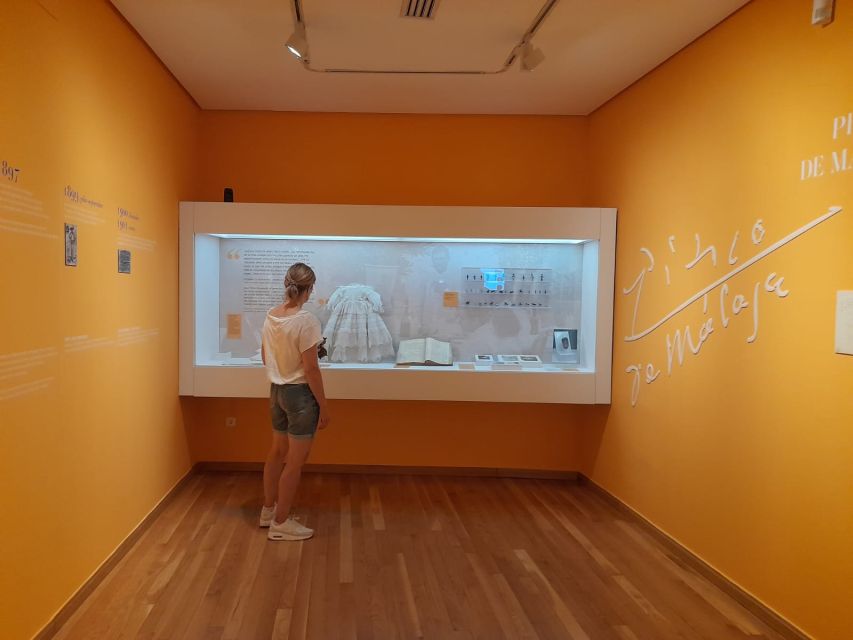
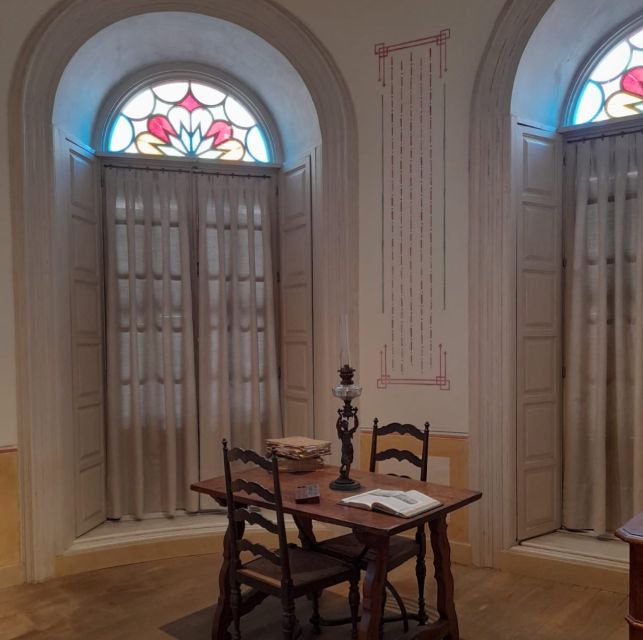
The museum uses the house to explain Picasso’s family background and childhood. Photographs and portraits help you picture the household, while small personal items make the story more immediate. A baby shirt and the shoes he learned to walk in are not major artworks, but they are exactly the kind of objects that make an artist’s early life feel real.
I find this especially useful if you already know Picasso mainly through his Cubist portraits and fractured figures. The museum reminds you that his career began with a family, a city, formal training, and ordinary objects around him. You see the starting point before the familiar Picasso mythology takes over.
The building is compact, so do not expect a long architectural tour. The value is in the connection between the place and the story. You might spend only a few minutes looking at the rooms themselves, then more time with the displays explaining Picasso’s family and early years.
Nine rooms tracing Picasso’s Malaga
The museum’s nine rooms are arranged around themes tied to Picasso’s life and work. The presentation helps you follow his development rather than viewing unrelated pieces in random order.
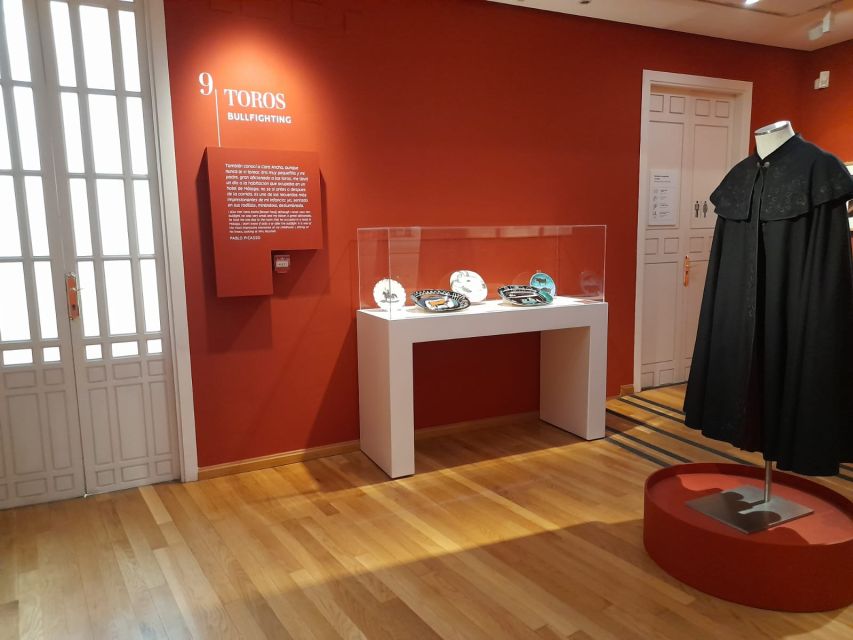
A major theme is Malaga’s influence. The city’s Mediterranean setting, local customs, bullfighting, and religious and family traditions all appear as reference points for understanding Picasso’s images. The museum does not suggest that one city explains everything he created. Instead, it shows how certain early impressions stayed important as his work changed.
Bullfighting is one of the key subjects. The museum explains its symbolic role and its place in Spanish culture. You will also encounter the importance of doves, including their connection with peace imagery. Nudes, the Mediterranean, and other repeated motifs receive similar attention.
This thematic approach is valuable because Picasso’s symbols can otherwise seem mysterious. A dove may be just a bird when you see it quickly in a gallery. Here, you get a clearer sense of why birds, animals, bodies, and spectacles kept returning in his work.
The display also covers Picasso’s artistic training. That section helps you see him as a developing artist, not a figure who appeared fully formed. Early sketches and works tied to his father, Jose Ruiz Blasco, give you a look at the artistic environment in which he grew up.
Picasso’s works in several media
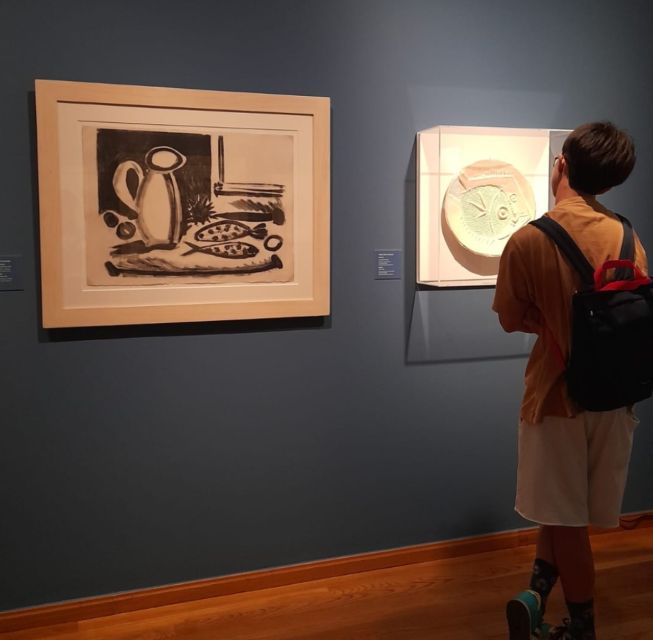
The permanent displays include more than paintings. You may see sketchbooks, lithographs, ceramics, and other graphic or sculptural forms, giving you a broader picture of Picasso’s working habits.
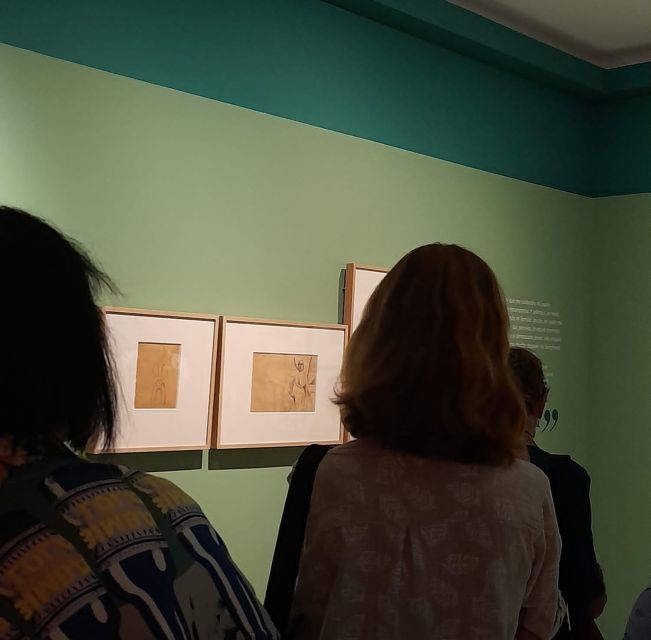
The early sketches are especially useful. They show an artist testing ideas, studying forms, and working through problems on paper. If your main reason for visiting is to understand how Picasso developed, these works may tell you more than a single famous finished canvas.
The pieces connected with Jose Ruiz Blasco add another layer. Picasso’s father was an artist and art teacher, and the museum uses his work and presence to explain the family setting. This is not a separate biography of the father, but it helps you understand the training and artistic expectations surrounding Picasso as a boy.
The range of media also prevents the museum from becoming a simple timeline of paintings. Ceramics, lithographs, and sketchbooks show how Picasso treated art as an open field. You get a sense of his experiments without needing a specialist’s background.
Descriptions are available in Spanish and English for the works, which makes the collection easier to follow. If you want to read everything and use every audio stop, allow more time. If you move at a brisk pace, the museum can be completed in about an hour or less.
Same city, a completely different evening:
- Málaga: Museo Picasso Málaga Entry Ticket
★ 4.4 · 11,138 reviews - From Málaga & Costa del Sol: Caminito del Rey Guided Tour
★ 4.7 · 7,488 reviews - Málaga: Alcazaba and Roman Theatre Guided Tour With Entry
★ 4.8 · 5,792 reviews - Benalmadena: Dolphin Watching Boat Tour
★ 4.4 · 5,786 reviews
Using the audio guide
An audio guide is included in English, Spanish, French, German, Italian, and Chinese. Bring headphones, since they are specifically listed among the items you should carry.
The guide lets you set your own pace. You can pause, skip sections, or spend extra time with a work that catches your attention. That is a good fit for a small museum, where a fixed group tour would feel unnecessary.
The content focuses on Picasso’s life, family, artistic development, and the themes associated with Malaga. It can also stretch a short visit into a fuller hour if you enjoy listening rather than just reading labels.
There is one practical caution. One English-speaking visitor found the English narration distracting because it sounded artificial, and another person found that part of the second section was in Spanish. The listed language options are useful, but you should be prepared to rely on written descriptions if the audio quality or language selection does not suit you.
The temporary exhibition and Picture of Picasso
The temporary exhibition gives you a reason to check what is on display when you visit. The stated exhibition Picture of Picasso ran until April 28, 2024, so you should not assume it is still available after that date.
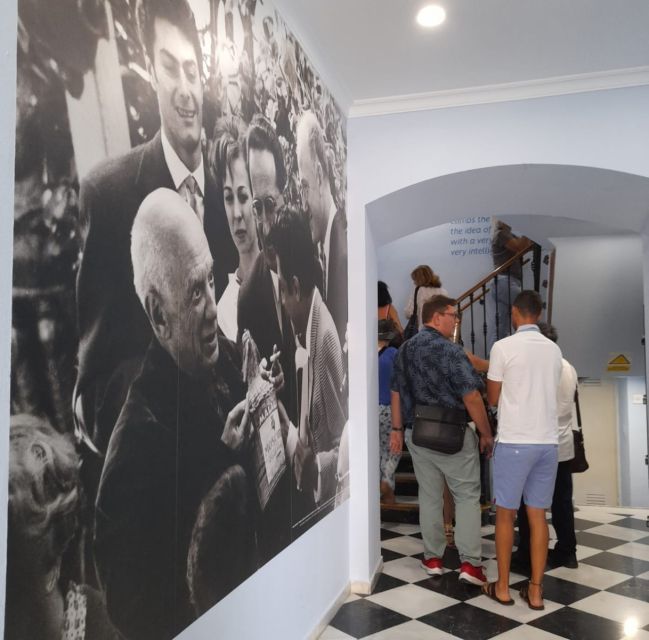
That exhibition examined Picasso’s public image through many forms of media: books, newspapers, social networks, advertising, photography, comics, cinema, television, and popular music. Its purpose was to show how Picasso appeared through the work of other creators and how complicated his public identity became.
This sort of exhibition is different from the permanent rooms. The permanent display explains Picasso’s origins and artistic themes. A temporary show such as Picture of Picasso asks how the world has represented him. If available during your visit, it can help you think about the difference between Picasso’s own work and the many versions of Picasso created by the press, popular culture, and other artists.
Check the current temporary exhibition before booking if this part matters to you. The ticket includes temporary exhibition access, but exhibition titles and dates can change.
The contemporary art collection
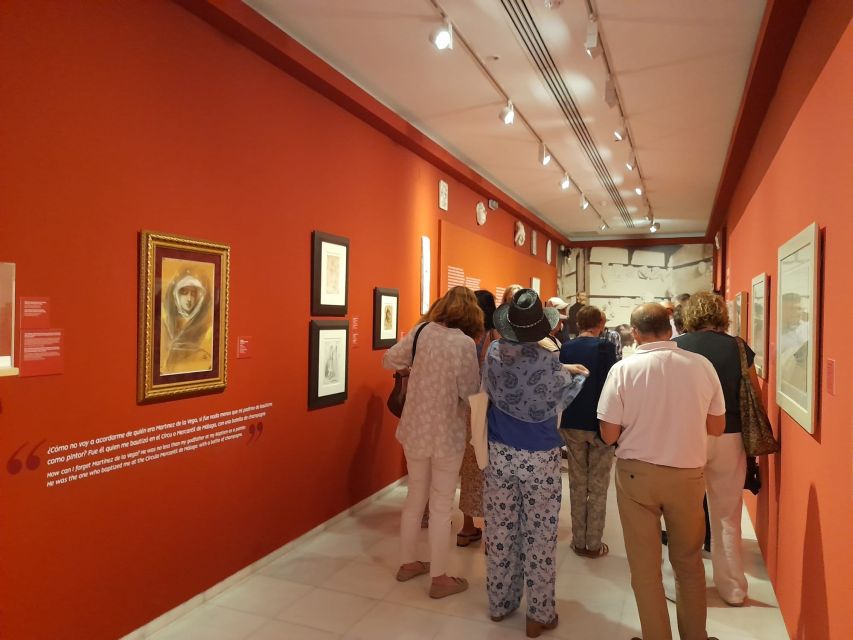
The museum’s wider collection contains more than 3,500 contemporary works by over 200 artists. This is a substantial collection compared with the small size of the birthplace rooms.
Graphic art by Miró, Bacon, Ernst, Matta, and other artists is represented. Contemporary artists from the 1950s to the present are included as well. The collection gives the museum a second identity beyond Picasso’s biography.
Do not expect every one of those 3,500 works to be on view during a short visit. The supplied information identifies the size and range of the collection, but it does not promise that all pieces are displayed at once. Treat it as an added art component rather than the main reason to buy this particular ticket.
The contemporary section is useful if you enjoy modern art and want to broaden the visit. It also gives you a comparison point. After seeing Picasso’s early work and family setting, you can look at how later artists handled graphic art and other modern forms.
How long to allow and how to plan the visit
Most people will spend about an hour or less here. That estimate includes the compact building, the permanent rooms, and some audio guide use. If you read every label and listen to every audio segment, you can take longer.
The short length is not a flaw for every visitor. I like this museum as a focused stop between other sights in central Malaga. It works well when you want a clear introduction to Picasso but do not want to spend half a day in a major art museum.
The museum is also a practical choice in hot weather or when you need a brief indoor activity. It can fit into an afternoon without taking over your entire schedule. If you arrive near opening, you may have a calmer experience. Afternoon periods can be busier, while a later visit may be quieter if the closing time allows.
The last entry is 30 minutes before closing. Do not arrive at the final moment, especially if you plan to use the audio guide. You need enough time to see the rooms rather than rushing through them.
The museum is wheelchair accessible. Sunday admission is free from 4:00 PM until closing, and admission is also free for unemployed and disabled persons. If you qualify for free entry, compare that option with the prepaid ticket before purchasing. The activity is non-refundable.
Is $4.71 good value?
At the listed price of $4.71 per person, this is one of the easier cultural purchases to justify in Malaga. You are paying for a small museum, an audio guide, the permanent display, and temporary exhibition access. The visit is brief, but the price matches the scale.
The strongest value comes from the focus. You are not paying for a giant collection that requires hours of concentration. You are paying for a compact introduction to Picasso’s childhood and Malaga influences, with original works and personal objects to give the story weight.
Some booking information and individual comments refer to an entrance cost of about 4 euros, so the exact amount can vary by booking channel, currency conversion, or date. Check the final price before payment.
I would not buy this ticket expecting a replacement for every Picasso collection in Malaga. If you want a broad survey of his most famous Cubist paintings, another Picasso museum may be more suitable. If you want the birthplace, early years, family setting, and local connections, this ticket offers a strong return for a small amount of money.
Who will enjoy this museum most?
I recommend it to first-time visitors who want a manageable introduction to Picasso. You can learn the basic story, see early material, and understand why Malaga mattered without needing prior art knowledge.
It also suits people who have already visited a larger Picasso museum. The birthplace museum offers a different experience, with more attention to biography, childhood, and personal objects. It can work as a companion visit rather than a rival to a major collection.
Families may appreciate the baby clothes, shoes, photographs, and straightforward layout, though the supplied information does not give a specific children’s program. Art students and serious Picasso fans may enjoy the sketches, ceramics, lithographs, and discussion of recurring motifs.
You may want to skip it if you only have time for major masterpieces or if you dislike small museums with a strong biographical focus. The visit is brief, and the contemporary art collection may not all be presented in a way that makes it feel like a separate full-scale museum.
Should you book the Picasso Birthplace Museum?
Book it if you want to stand in Picasso’s birthplace, understand his Malaga roots, and see personal objects alongside early and graphic works. The $4.71 price, audio guide, central location, and roughly one-hour length make it an easy addition to a Malaga sightseeing day.
Skip it only if your schedule is extremely tight or your main goal is a large display of Picasso’s best-known Cubist paintings. For most people interested in the artist, I would choose this museum as either a short first stop or a useful companion to a larger Picasso collection.
FAQ
Where is the Picasso Birthplace Museum?
The museum is at Museo Casa Natal de Picasso, Plaza de la Merced 15, 29012 Malaga, Spain.
How long is the visit?
The museum visit is generally under an hour, though using the full audio guide and reading all the displays can take longer.
What does the ticket include?
The ticket includes entry to the permanent exhibition, access to the temporary exhibition, and an audio guide.
Which audio guide languages are available?
The audio guide is available in English, Spanish, French, German, Italian, and Chinese.
Should I bring headphones?
Yes. Headphones are listed as something to bring for the audio guide.
Is the museum wheelchair accessible?
Yes, the museum is wheelchair accessible.
Is admission ever free?
Admission is free every Sunday from 4:00 PM until closing. It is also free for unemployed and disabled persons.
When is the last entry?
Last entry is 30 minutes before the museum closes. The ticket is valid for one day from its first activation.
Recently added in Malaga
- Tour to Gibralfaro★ 4.7 · 182 reviews
- Al Andalus Hammam in Malaga: Relaxing Bath★ 4.5 · 186 reviews
- Benalmádena: Deluxe Parasailing Flight from Benalmadena Port★ 4.8 · 188 reviews
- Caminito del Rey Small Group Tour from Malaga with Picnic★ 5.0 · 190 reviews
- Ultimate Malaga History & Tapas – All Included Full Experience★ 5.0 · 191 reviews
- From Málaga: Caminito del Rey Small-Group Tour with Picnic★ 4.9 · 192 reviews
- Malaga: Granada Day Trip with Alhambra, Palaces and Gardens★ 4.5 · 197 reviews
- Paddle Surf Route Cliffs Nerja and Cascada de Maro + Snorkel★ 4.5 · 198 reviews
Museums, compared.
Park Güell and Gaudí House Museum Entry Ticket
Read the review →
Puro Flamenco Show with Optional Museum Ticket
Read the review →
Girona & Dali Museum Small Group Tour with Pick-up from Barcelona
Read the review →
Oceanogràfic, Hemisfèric & Science Museum Combo
Read the review →
Small Group of Prado Museum Tour & Optional Tapas
Read the review →Browse the lists this tour appears in