
Reviewed · WALKING TOURS
Madrid: Welcome to Madrid Guided Walking Tour in English
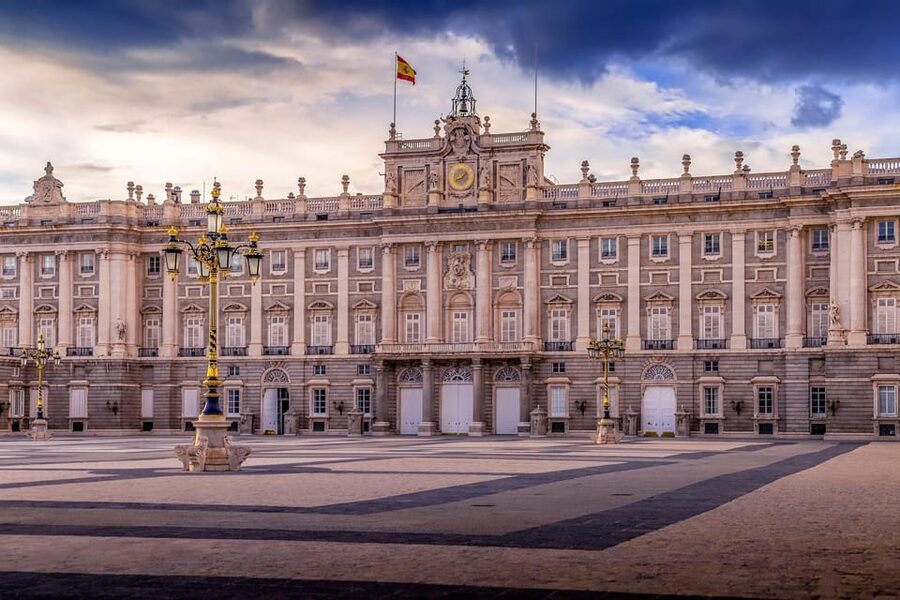
Madrid makes sense when you walk it in layers. This 2.5-hour English tour starts near the Royal Palace and traces the city from its Islamic roots as Mayrit through Habsburg rule and Bourbon modernization. You get the grand squares, royal buildings, political landmarks, and a useful first map of central Madrid without spending half your day indoors.
I like the route for two clear reasons. First, it links famous sights into one story instead of treating them as isolated photo stops. Second, the guides add practical value, with restaurant and bar suggestions and pointers for what to see next. The main consideration is pace: it is a long urban walk, and photo stops can be brief.
Key points to know before you book
- Madrid’s story runs from Mayrit to modern democracy: The guide connects the city’s Arabic origins, Habsburg expansion, Bourbon reform, and recent political life.
- The route covers central Madrid’s major landmarks: You pass the Royal Palace, Almudena Cathedral, Plaza de la Villa, Plaza Mayor, Puerta del Sol, Gran Vía, the Prado Museum, and Congress.
- Expect lively English commentary: Daniel, Esme, Adam, Joaquin, Sebastian, Dina, and other guides are praised for humor, energy, clear explanations, and local suggestions.
- The meeting point is easy to identify: Look for the yellow umbrella outside Teatro Real at Opera Metro station.
- The $31 price has a special meaning: It covers the reservation and the guide’s payment for the general pay-as-you-wish format, rather than functioning like a simple admission ticket.
- Plan for walking, not sightseeing inside: The tour gives you orientation and exterior context, but the attraction admissions are not included.
Why this walk is a smart first look at Madrid
I like introductory city walks when they give you a framework for the rest of your stay. This one does that by moving through the old center, the royal quarter, the main civic squares, the grand nineteenth-century avenue, and the museum district.
The route is not built around one single monument. Its value comes from the connections. You hear how Madrid began as the Arabic settlement of Mayrit, a name linked to abundant water, then grew when the Habsburgs made it the political center of a large empire. Later, the Bourbons reshaped the city, with Charles III playing a major role in its modernization.
That sequence helps you read Madrid’s streets. The old core feels different from Gran Vía, and Gran Vía feels different again from the Prado and the Congress of Deputies. In two and a half hours, you get a useful sense of those changes.
The guide-led format also gives the city a human voice. Daniel is praised for presenting Spanish history with humor. Esme is described as a natural storyteller with a strong interest in Madrid’s art and past. Joaquin is noted for quirky facts, expressive delivery, and restaurant suggestions. Adam brings an adopted-Madrid perspective, while Sebastian is praised for local insight and an easy way with people.
Guides can vary, of course. That is normal for a general walking tour. The consistent pattern is clear English, plenty of historical explanation, and an effort to keep the walk entertaining rather than turning it into a dry lecture.
More Walking Tours in Madrid
- Toledo Tour & Vineyard Walk with Wine Tasting from Madrid
★ 5.0 · 2,546 reviews - Madrid Walking Tour from Puerta del Sol to Retiro Park
★ 5.0 · 2,285 reviews - Madrid Old Town & Royal Palace Walking Tour Skip the Line Ticket
★ 4.5 · 1,829 reviews
Starting at Teatro Real and the Royal Palace
Meet outside Teatro Real at Opera Metro station. The yellow umbrella is the marker to look for, which makes the starting point fairly simple to locate in the center of Madrid.
The tour begins close to the Royal Palace, an ideal place to open Madrid’s royal story. You should expect to learn about the palace and its place in the city rather than take a full interior visit. Since the walking tour does not include admissions, plan a separate palace visit if you want to see the rooms, artworks, and collections inside.
This opening is useful because Madrid’s rise was tied closely to royal power. The city did not become Spain’s capital in the same way as an ancient Roman city growing slowly over many centuries. Its importance expanded as monarchs and administrators concentrated political life here.
Your guide may also use the first part of the route to set expectations for the walk. Arriving a few minutes early is sensible, especially if you want to settle in before the group moves off.
Almudena Cathedral and the city’s changing styles
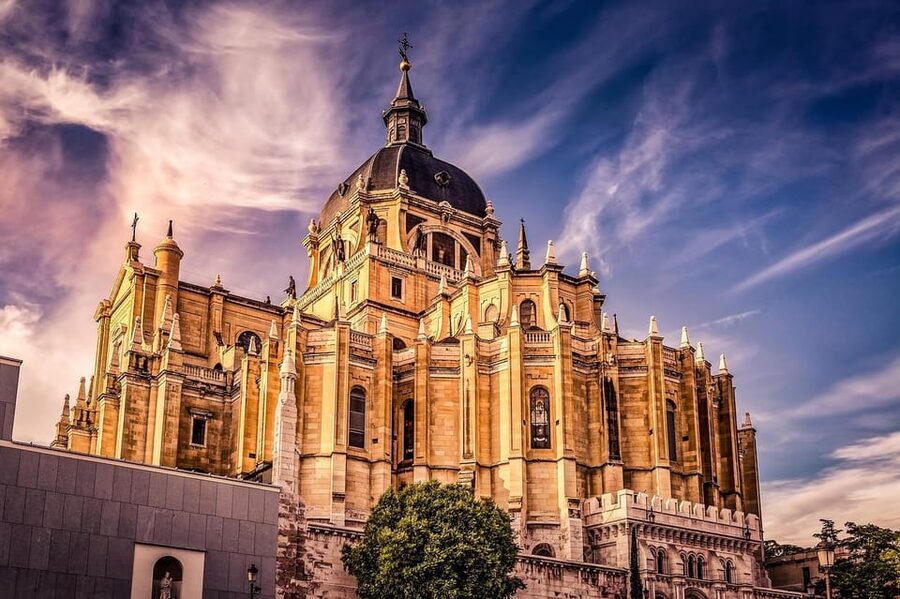
From the palace area, the route goes to Almudena Cathedral. The building is known for its mix of neo-styles, so it gives the guide a natural chance to explain how Madrid’s religious architecture developed over time.
Do not expect one perfectly uniform medieval church. Almudena Cathedral reflects a more complicated building story, and its varied appearance is part of the point. You will likely get more from the stop if you look for the differences in the exterior rather than treating it as a quick religious landmark.
This is also a good place to ask questions. Several guides, including Daniel and Dina, are praised for handling questions well and keeping the group involved. If a particular period of Spanish history puzzles you, ask while the subject is fresh.
The cathedral and palace also create one of the strongest visual openings on the route. You see religion and monarchy side by side, two forces that shaped Madrid for centuries.
Three centuries of architecture at Plaza de la Villa
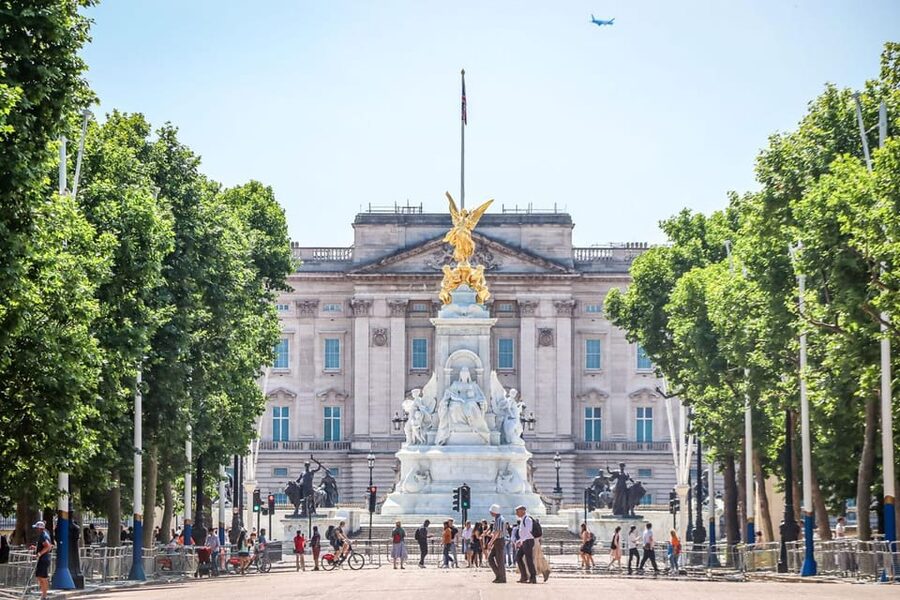
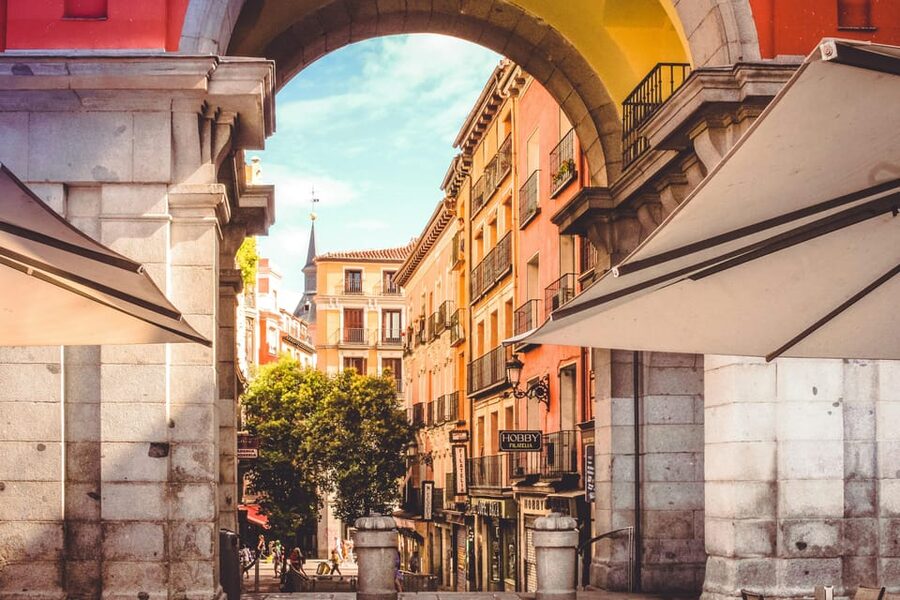
Plaza de la Villa is a smaller, more intimate stop than Plaza Mayor. Its appeal comes from the range of architecture around it, with buildings representing three centuries.
That makes it a useful pause in the walk. Instead of only chasing the largest square, you get a closer look at how the old city developed piece by piece. The guide can point out changes in style and explain how the civic center evolved.
I find stops like this especially valuable for first-time visitors. Madrid’s biggest landmarks are easy to photograph, but smaller squares often help you understand the city’s scale. Plaza de la Villa can make the historic center feel less like a string of famous names and more like a place where municipal life actually happened.
Because this is a walking route, you should stay near the guide and listen for instructions about where to stand. The square itself is not the place to wander far from the group while taking photos.
Same city, a completely different evening:
- Madrid: Tour Bernabéu Entry Ticket
★ 4.5 · 21,573 reviews - Madrid: Prado Museum Entry Ticket
★ 4.6 · 17,509 reviews - Madrid: Royal Palace Fast-Access Admission Ticket
★ 4.6 · 13,856 reviews - Madrid: “Emociones” Live Flamenco Performance
★ 4.8 · 12,866 reviews
Plaza Mayor, public spectacle, and royal celebration
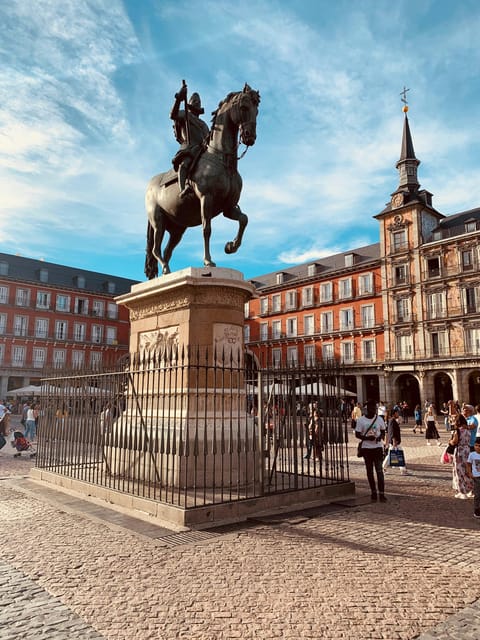
Plaza Mayor is one of the tour’s central moments. It has hosted major public events, including Inquisition trials and royal celebrations, so the square carries more than postcard appeal.
The broad enclosed space is easy to admire, but its past can be unsettling as well as grand. A good guide helps you hold both ideas at once: this was a place of ceremony and display, but also of punishment and public judgment.
The square is usually busy with people, and the tour may not stop long enough for every photograph you want. One useful strategy is to listen first, then take pictures during the transition to the next stop. A guest specifically noted needing to move quickly for photos, which is a fair warning for anyone who likes careful architectural shots.
Plaza Mayor also works well as a reference point for later exploration. You can return on your own, compare the space at a different time of day, and explore the surrounding streets more slowly after you understand its role.
Puerta del Sol and the center of modern Madrid
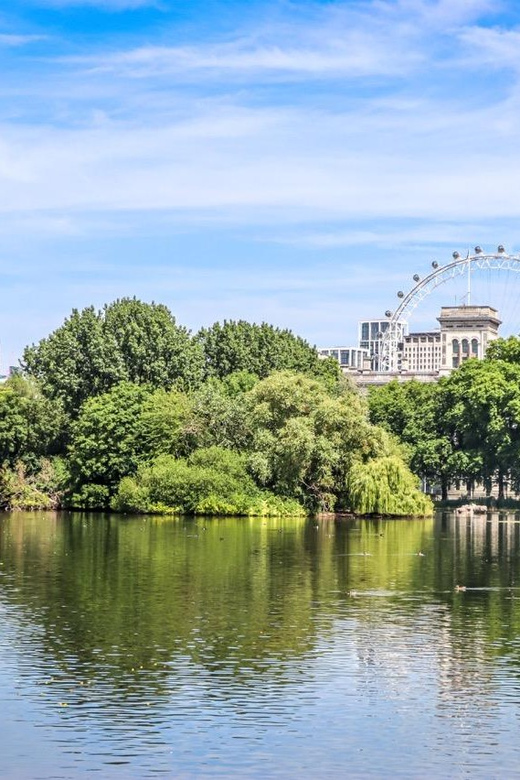
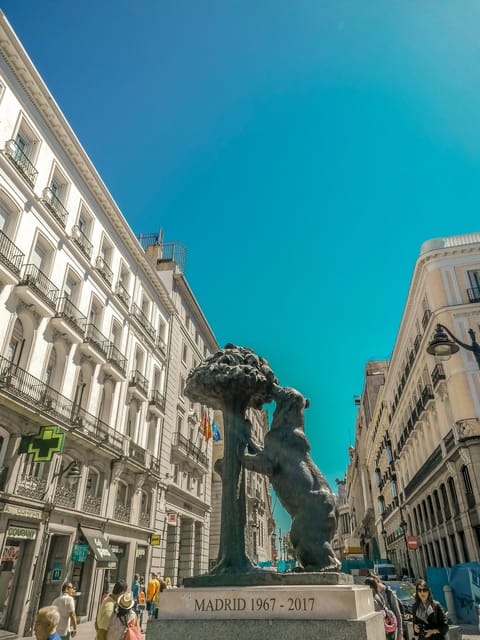
The walk continues to Puerta del Sol, the city’s central meeting point. This is where the tour shifts from the enclosed historic squares toward the busy public heart of present-day Madrid.
Sol is a useful orientation stop because many central routes lead from here. The guide can explain its importance while helping you understand how the old city connects with newer commercial and civic areas.
This part of the walk may feel more crowded and less calm than Plaza de la Villa. That is not a flaw in the route, but it does affect how well you hear. Stay close enough to the guide, especially if the group is large or street noise rises.
The best use of this stop is to absorb the transition. Madrid is not only palaces and old stone. It is also a city of movement, shopping, politics, and daily life. Puerta del Sol gives you that modern counterpoint.
Goya, the Fine Arts Academy, and Madrid’s creative side
Passing the Royal Academy of Fine Arts brings art into the historical narrative. The academy is associated with masters such as Goya, giving the guide a chance to connect institutions, artists, and Spain’s changing cultural life.
This is one of the places where a guide’s style matters. A list of names would be easy to forget. A story about Goya’s training, the academy’s role, or Madrid’s art scene is more likely to stay with you when you later visit the Prado.
Several guides are praised for linking history and art rather than treating them as separate subjects. Esme’s interest in both areas is especially useful here, while Dina is praised for making the material engaging and full of energy.
Again, the building is viewed as part of the walking route, not as an included museum visit. If art is a main reason for your Madrid trip, use this stop as preparation for a longer, separate visit.
Gran Vía and the cost of modernization
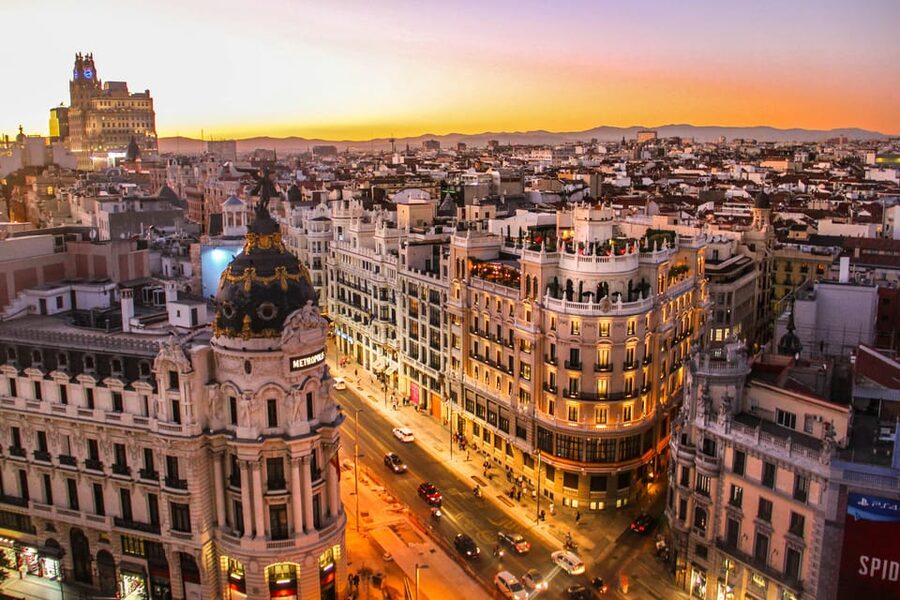
Gran Vía gives the route its clearest look at Madrid’s modern expansion. The avenue reflects the city’s nineteenth-century modernization and its move toward the scale of a major European capital.
This section helps explain why central Madrid can feel so varied. Within a relatively short walk, you move from royal and medieval settings to a broad avenue shaped by newer urban ambitions.
Look up as you walk. Gran Vía is best read through its façades, signs, corners, and changing scale. The guide’s job here is to explain what the street meant for Madrid, not simply point out that it is famous.
There is one practical drawback. Gran Vía is an active city street, so it is not a quiet place for a long talk. You may need to concentrate, and you may not get the perfect photo on the first try. Still, the stop earns its place because it explains Madrid’s shift from royal center to modern metropolis.
The Prado Museum from the outside
The Prado Museum is another major landmark on the route. The walking tour gives you an introduction and places the museum within Madrid’s broader story, but entry is not included.
That distinction matters when you plan your day. If you want to see the Prado’s paintings, allow separate time and arrange admission on your own. This tour is useful before that visit because the guide can explain why the museum matters and how it fits into the city’s cultural identity.
I would not try to combine this walk with a rushed museum visit immediately afterward unless your schedule is flexible. The tour already covers a lot of ground, and the guide may finish a little later than the stated two and a half hours. Shane specifically noted a tour running longer than advertised, while other comments describe the time as passing quickly.
The Prado stop also gives you a chance to mark the location for a later return. That is one of the strongest uses of a city orientation walk: you can decide what deserves your own unhurried time.
Congress of Deputies and Spain’s political story
The tour finishes at the Congress of Deputies, an important endpoint because it brings the story into modern Spanish democracy. The building is linked to a moment when Spanish democracy was tested, so the final stop shifts the focus from dynasties and monuments to political life.
That ending gives the walk a satisfying arc. You begin with the city’s Islamic foundation, pass through Catholic monarchy and imperial power, follow Bourbon reform and urban growth, then arrive at a modern democratic institution.
The Congress is not simply another grand façade. It gives you a reminder that Madrid remains Spain’s political center. The route therefore avoids ending with architecture alone and leaves you with a current civic question: how has the city continued to change?
If political and social context interests you, this tour should suit you well. One participant singled out the historical, sociological, and political background as a major strength.
How much walking and how fast is the pace?
The tour lasts 2.5 hours and covers many central sights. That means you should expect steady movement, with stops for explanation rather than long periods sitting in one place.
A guest described it as a long walking tour but worth the effort. Another praised the guide for checking on an older, slower participant and keeping the group engaged while waiting. That suggests some flexibility, but you should still be honest about your comfort with city walking.
Wear comfortable shoes and bring water, particularly in warm weather. The supplied details do not promise scheduled drink breaks, although Dina is praised for stopping for extras such as drinks on one occasion. Treat that as guide-dependent rather than guaranteed.
You will also want to balance listening with photography. The walk visits many landmarks, but it is not designed around extended photo sessions. Take a quick picture, then return your attention to the guide.
What the $31 price really covers
At $31 per person, the tour is priced as a paid version of a general pay-as-you-wish walk. The amount covers the reservation fee and the guide’s payment. It is not simply a deposit followed by an expected separate reward.
That makes the price reasonable if you want a structured introduction with an English-speaking guide and a broad central route. You are paying for interpretation, orientation, and the chance to ask questions, not for entry to the Royal Palace, Almudena Cathedral, Prado, or other attractions.
The value rises if you are in Madrid for a short stay or arriving without a clear plan. Guides regularly offer suggestions for restaurants, bars, and further sightseeing, which can save you time later. Jamie specifically valued a list of favorite places, and several other comments point to useful recommendations.
The value is lower if you prefer to move at your own pace, stop for every photo, or focus on going inside one major attraction. In that case, a self-guided walk plus separate tickets may suit you better.
A private, smaller tour can also be arranged by contacting the provider. The standard experience is the general group format, so do not book it expecting a private guide unless you make that request in advance.
Who should book this Madrid walking tour?
I would choose this tour for a first visit, especially if you want history explained in plain English and need a quick sense of how central Madrid fits together.
It is a good match for:
- First-time visitors who want to identify the main sights before exploring alone
- People who enjoy history, art, politics, and urban change in one walk
- Visitors who appreciate humor and stories more than a purely academic lecture
- Short-stay visitors who need useful orientation
- Anyone who wants restaurant and bar ideas from a guide familiar with Madrid
I would think twice if you have difficulty with a steady 2.5-hour walk, need long photo stops, or want interiors included. The route is broad and efficient, but it cannot give every landmark the time it deserves.
The guide makes a difference, and names such as Daniel, Esme, Adam, Joaquin, Sebastian, and Dina appear among the strongest matches for the tour’s style. You cannot usually choose the guide when booking, so judge the experience by its format rather than by expecting one particular person.
Booking details worth knowing
The meeting point is outside Teatro Real at Opera Metro station. Look for the yellow umbrella.
English is the listed language, and the tour includes the walking experience and a live guide. Hotel pickup and drop-off are not included, so you need to reach the meeting point yourself.
You can cancel up to 24 hours before the start for a full refund. The reserve-now, pay-later option also gives you flexibility if your Madrid plans are still taking shape.
Should you book it?
Book this walk if you want Madrid’s landmarks tied together by a clear story. The route covers a lot, the price includes the guide’s payment, and the strongest feature is the mix of history, humor, politics, art, and practical local advice.
Skip it if your main goal is a slow museum visit or a private experience. For most first-time visitors, though, this is a strong way to get your bearings fast, then return to the Royal Palace, Prado, Plaza Mayor, or Gran Vía with a better idea of what you are seeing.
FAQ
How long does the Madrid walking tour last?
The tour lasts 2.5 hours. One guide has occasionally run longer, so avoid scheduling an immediate appointment afterward.
What language is the tour conducted in?
The live tour guide speaks English.
Where does the walking tour meet?
Meet outside Teatro Real at Opera Metro station. Look for the yellow umbrella.
Which Madrid landmarks are included in the route?
The route includes the Royal Palace, Almudena Cathedral, Plaza de la Villa, Plaza Mayor, Puerta del Sol, the Royal Academy of Fine Arts, Gran Vía, the Prado Museum, and Congress of Deputies, along with other central sights.
Does the $31 price include attraction admission?
No. The included services are the walking tour and guide. The price covers the reservation fee and guide’s payment for the general pay-as-you-wish tour format.
Can I cancel or pay later?
You can cancel up to 24 hours in advance for a full refund. Reserve-now, pay-later booking is also available.
Recently added in Madrid
- Entrance to the Flamenco Temple Room in Madrid with Tapas Option★ 5.0 · 176 reviews
- Tapas & Paella Cooking Class in Madrid with a Professional Chef★ 5.0 · 177 reviews
- Madrid: Toledo Day Trip with Winery Visit and Wine Tasting★ 4.4 · 177 reviews
- VIP visit to the Las Ventas Bullring in Madrid★ 5.0 · 178 reviews
- VIP Entrance Ticket to Our Secret Alley in Madrid★ 5.0 · 179 reviews
- Madrid: Prado & Reina Sofía Museums Guided Tour★ 4.5 · 180 reviews
- Madrid: Royal Palace tour – semi private or private★ 4.9 · 182 reviews
- Atletico de Madrid Stadium & Interactive Museum Admission Ticket★ 4.5 · 183 reviews
Walking Tours, compared.

Barcelona Tapas and Wine Experience Small-Group Walking Tour
Read the review →
Tapas Walking Tour with Food, Wine, and History
Read the review →
Albaicín and Sacromonte Guided Sunset Walking Tour
Read the review →
Toledo Tour & Vineyard Walk with Wine Tasting from Madrid
Read the review →

Barcelona Tapas Walking Tour: Food, Wine & History
Read the review →
Madrid Old Town & Royal Palace Walking Tour Skip the Line Ticket
Read the review →
Browse the lists this tour appears in