
Reviewed · PRADO & MADRID MUSEUM TOURS
Madrid: Prado & Reina Sofía Museums Guided Tour
Madrid’s great art story comes into focus when you visit the Prado and Reina Sofía in one outing. The Prado takes you through royal and European painting, while the Reina Sofía shifts to Spain’s restless 20th century, from Cubism to Surrealism. It is a lot of art in four hours, but the contrast makes the day worthwhile.
I like two things here: the guide gives you a useful route through collections that can otherwise feel maze-like, and admission to both museums is included. Guides such as Elena, Javier, Gabriela, Enrique, and J.J. have earned especially strong praise for clear explanations and lively storytelling. The main catch is pace: the Reina Sofía visit can feel short, and a 45-minute walk between museums leaves little room for lunch or a relaxed coffee.
Key points before you book
- Two national museums in one day: See the Prado’s old masters and the Reina Sofía’s modern Spanish art without arranging two separate visits.
- Las Meninas and Guernica: The route focuses on two essential works, Velázquez’s royal puzzle and Picasso’s huge antiwar painting.
- Strong guide-led experience: Guides including Elena, Javier, Gabriela, Enrique, and J.J. are praised for clear English, art knowledge, humor, and personal warmth.
- Four hours, with a brisk middle: The Prado includes about 90 minutes of guided time and 30 minutes to look around alone, followed by a long walk and a 75-minute Reina Sofía visit.
- English and Spanish may be combined: The tour runs in both languages, and the Reina Sofía portion may be confusing if commentary switches back and forth.
- Pack light: Large bags, luggage, selfie sticks, tripods, and flash photography are not allowed.
Why pair the Prado with the Reina Sofía?
Madrid’s two major art museums tell very different stories. The Prado is the place for court painters, religious scenes, mythological subjects, and the great European traditions that shaped Spanish art. You will encounter works connected with Velázquez, Goya, Raphael, Rubens, and many others, covering art from the 12th century through the 20th century.
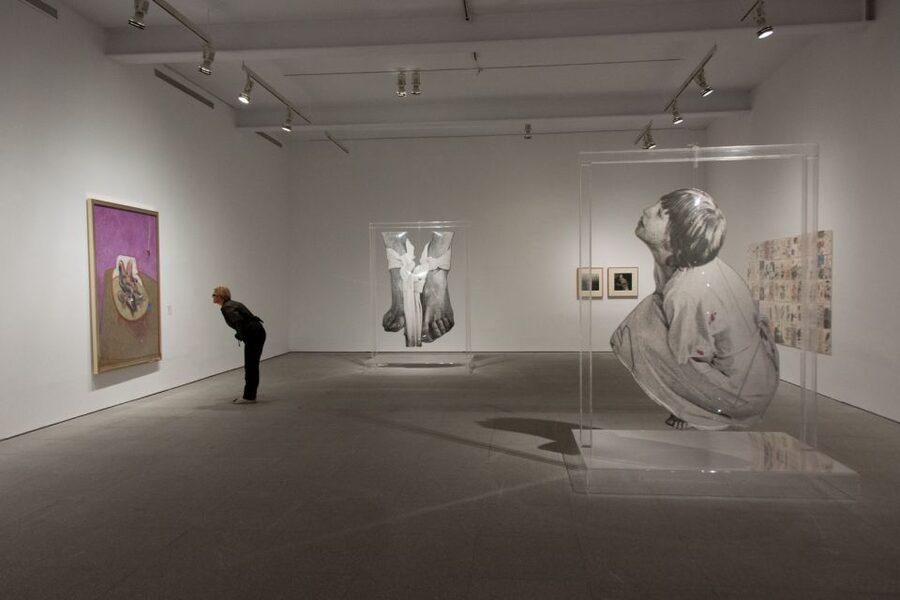
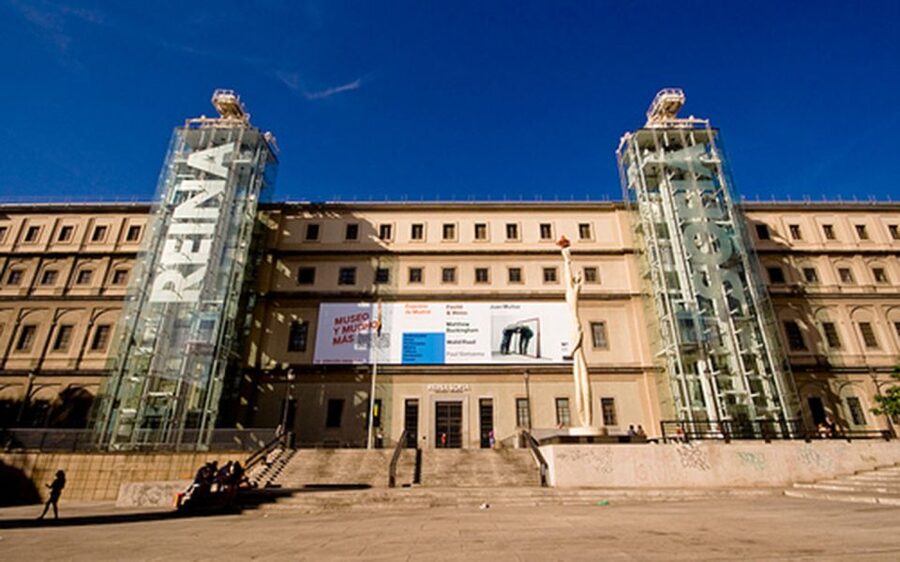
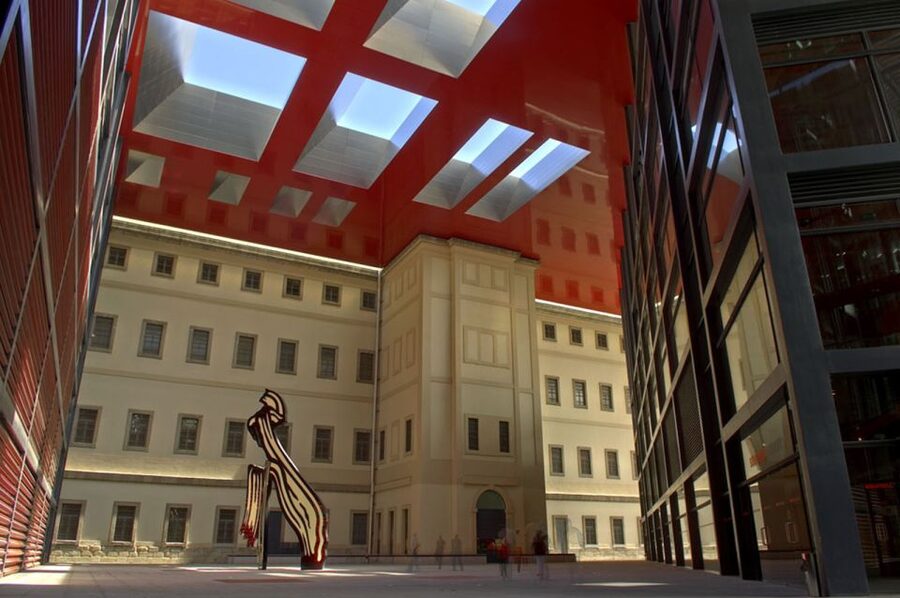
The Reina Sofía is more focused. Its collection centers on Spanish art of the 20th century, including Pablo Picasso and Salvador Dalí. Your guide places the paintings within movements such as Cubism, Surrealism, Modernism, and Abstract Art, so you are not left guessing why a work looks so strange, spare, or fractured.
I like this pairing because it gives you a basic timeline in one day. At the Prado, you see how power, religion, and royal taste shaped painting. At the Reina Sofía, you see artists break those old rules in response to war, politics, psychology, and modern life.
Still, this is not a leisurely museum day. You are seeing two large institutions with only a few hours between them. If you want to study every gallery or sit quietly with a favorite painting, visit one museum on your own afterward.
More Museums in Madrid
- Madrid: Prado Museum Entry Ticket
★ 4.6 · 17,509 reviews - Madrid: Reina Sofía Museum Entrance Ticket
★ 4.5 · 6,889 reviews - Madrid: Small Group of Prado Museum Tour & Optional Tapas
★ 4.6 · 2,437 reviews
Meeting Velázquez beside the Prado
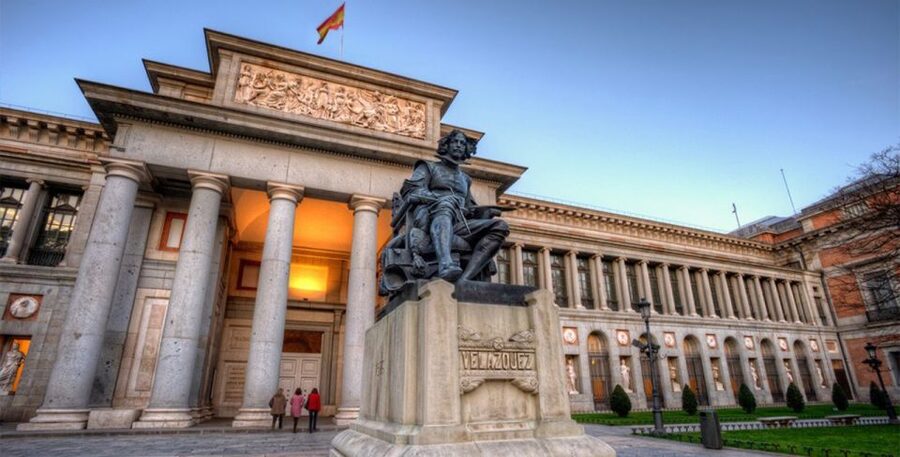
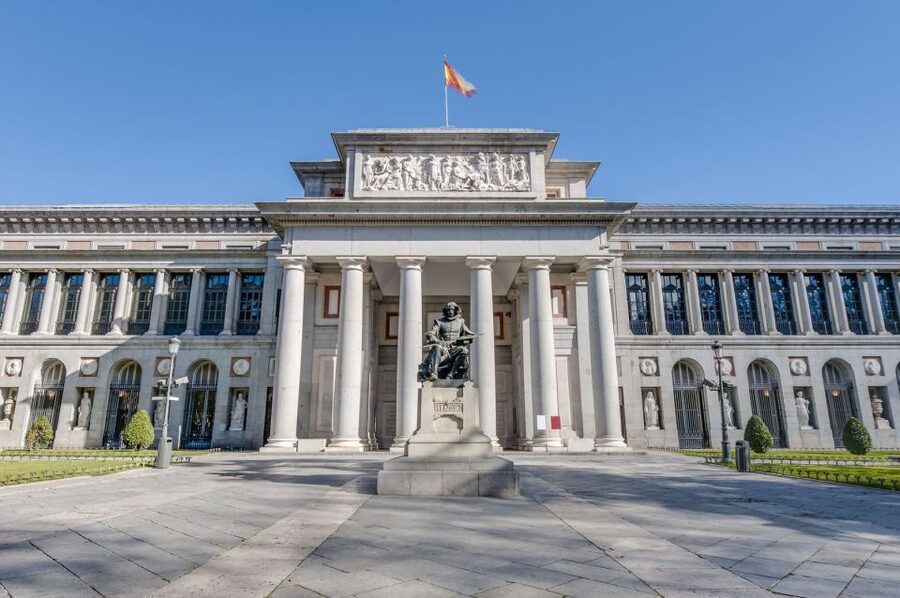
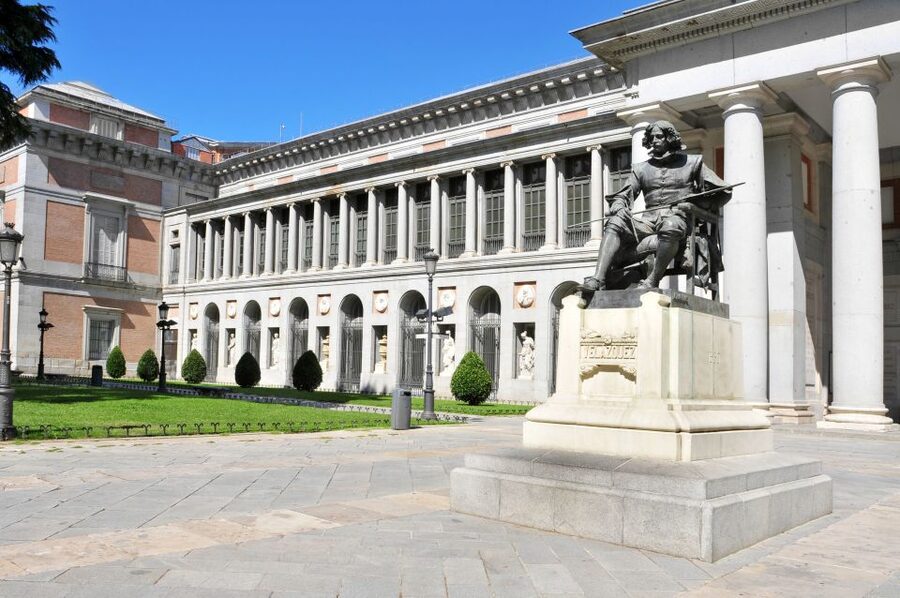
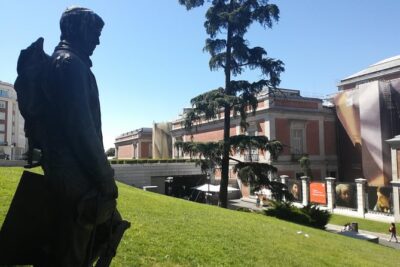
The tour begins at the Monument to Velázquez on Paseo del Prado, 11, beside one of the lateral sides of the Prado Museum. Look for the guide carrying an Amigo Tours sign. This is a sensible meeting point because it puts you right beside the museum and connects the location with one of Spain’s most important painters.
Arrive ready to start on time. There is no hotel pickup, so you must make your own way to the monument. The tour is wheelchair accessible, but the route also includes walking between the two museums, so check whether the full route suits your needs.
The opening moments with the guide matter. A good guide can give you a simple plan for the Prado before you face its many rooms. Guides praised by name include Gabriela, who was noted for leading people through the museum’s maze-like layout, and J.J., who received special praise for detailed, passionate, kind, and helpful explanations.
The Prado in 90 guided minutes
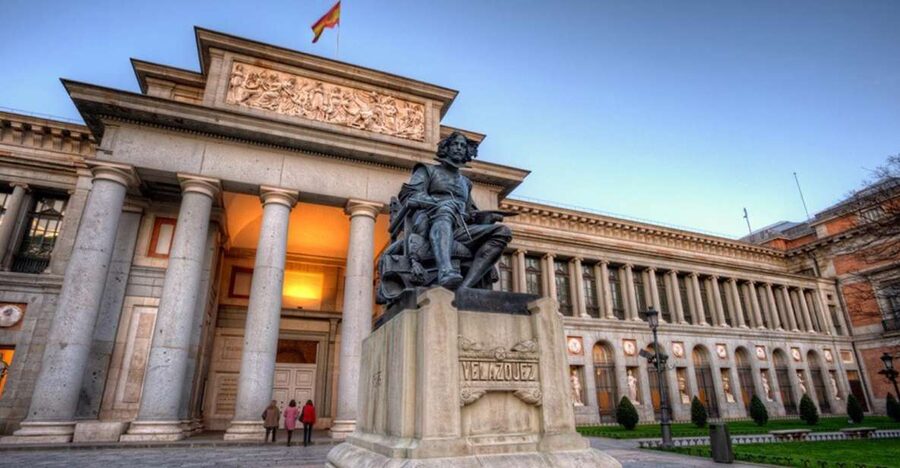
The Prado is the longer and more traditional part of the tour. You spend about an hour and a half inside with the guide, followed by roughly 30 minutes of free time. That structure works well: first get the story and the key works, then use the extra half hour to return to something that caught your eye.
The collection spans centuries, so your guide has to make choices. Expect attention to major Spanish and European masters rather than a room-by-room survey. Velázquez, Goya, Raphael, and Rubens are specifically part of the artistic focus, with the tour also touching on Flemish, Italian, and Spanish schools.
Las Meninas is one of the essential stops. Velázquez’s painting is not simply a portrait of a royal child surrounded by attendants. Its strange arrangement of figures, mirror, painter, and viewer gives you plenty to discuss about sight, status, and the act of painting itself. A guide can point out details that are easy to miss when you are standing several steps back with a crowd around you.
Goya provides another strong connection between art and Spanish life. The Prado’s collection lets you see the distance between official court portraiture and darker, more unsettling work. I find that this contrast helps explain why Goya matters beyond his technique. He could paint power, but he could also question it.
The best guides do not bury you in dates. They explain why a painting was made, who paid for it, what a detail means, and how the work connects to its time. Andrea described Elena as clear and well informed, while other visitors singled out Javier, Enrique, Stefy, and Minerva for combining solid art knowledge with calm or engaging storytelling.
The free time is useful, but 30 minutes passes quickly. Use it with a plan. Return to Las Meninas, look for a Goya you missed, or follow the guide’s recommendation rather than trying to cover another entire wing. Prado photography is not allowed, so bring your memory rather than your camera.
One practical concern is that the Prado portion can be affected by availability and the number of other groups. The experience may not move at precisely the same speed every day. One booking had a serious delay at the entrance when the tour was overbooked and the guide had to sort out missing tickets, although this appears to be an operational problem rather than the normal plan.
The 45-minute walk across Madrid
After the Prado, you walk for about 45 minutes to the Reina Sofía. This is not a quick transfer. It is part of the day’s schedule, and it can be pleasant if you enjoy moving through Madrid, but it also makes the tour feel more demanding.
The walk gives you a break from galleries, though not necessarily a real rest. If you need lunch, a bathroom stop, or a quiet pause between museums, plan ahead. One person specifically found that a lunch break was needed, while another had scarcely enough time for the bathroom before moving on.
This long transfer is also worth considering if you are traveling with children, anyone with limited stamina, or a wheelchair user. The activity is listed as wheelchair accessible, but the supplied details do not describe the exact accessible route or rest points. Ask the operator before booking if the full walking section is a concern.
A few other Madrid outings to compare
- Madrid: Prado Museum Guided Tour with Skip-the-Line Ticket
★ 4.5 · 2,018 reviews - Madrid: Prado Museum Guided Tour With Fast Access
★ 4.8 · 1,785 reviews - Prado Museum Small Group Tour with Skip the Line Ticket
★ 5.0 · 1,738 reviews - Royal Palace & Prado Museum Skip the Line Guided Tour
★ 4.5 · 1,347 reviews
Reina Sofía and Spain’s modern break with tradition
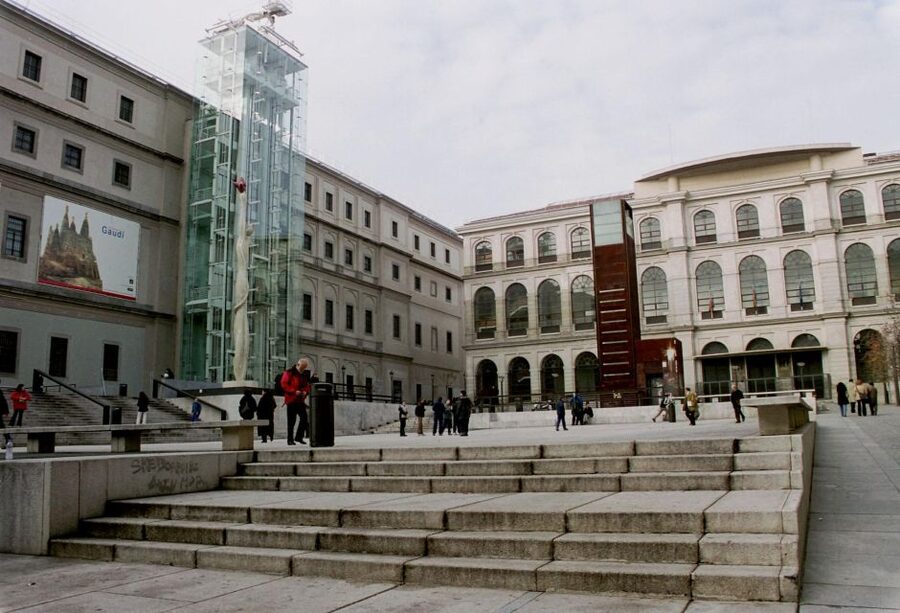
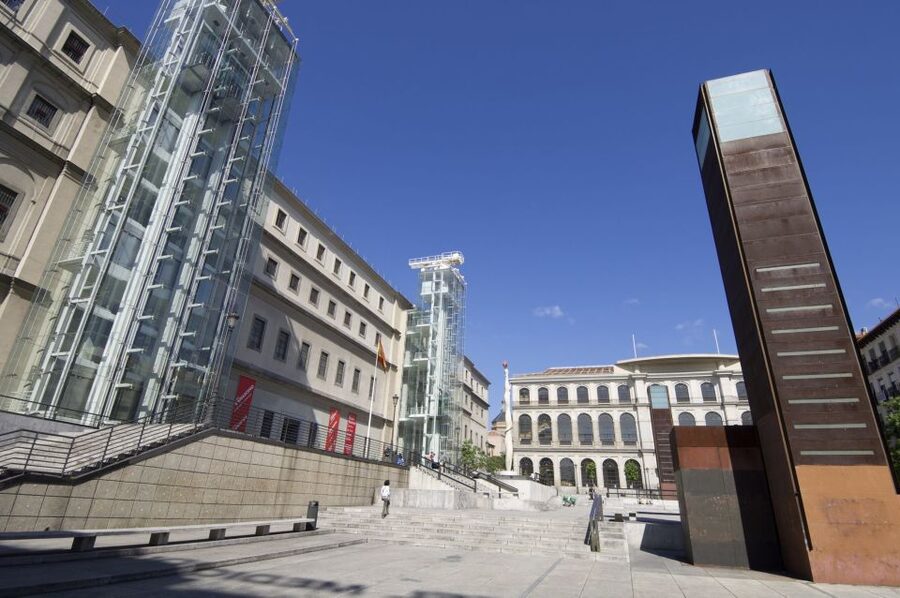
The Reina Sofía visit lasts about 75 minutes. That is enough to introduce the main ideas and see major works, but it is not enough for a full museum visit. The focus is Spain’s 20th-century art, with Picasso and Dalí at the center of the story.
Guernica is the major reason many people want this stop. Picasso’s enormous painting demands time, and a guide can help you read its fractured bodies, harsh forms, and signs of suffering without reducing it to a single slogan. Seeing it in person is different from seeing it in a book, partly because its scale changes the way you stand before it.
The guide also discusses Cubism, Surrealism, Modernism, and Abstract Art. That context is valuable if modern art makes you uncertain. Instead of asking only what a painting depicts, you begin to ask what the artist is doing with shape, space, color, and emotion.
The Reina Sofía has one important practical difference from the Prado: photography is allowed, but no flash or camera stabilization equipment is permitted. That means no tripods or selfie sticks. Large bags and luggage are not allowed, so travel with a small day bag or make other arrangements before you meet the guide.
The main weakness is the short visit. One person called the Reina Sofía portion too brief, while another felt the museum section ran too long, especially with a mixed-language presentation. Those views are not really contradictory: 75 minutes can feel rushed if you want more art, yet tiring if you are hearing repeated commentary in English and Spanish.
Language, group size, and the guide’s role
The tour is offered in English and Spanish, with live commentary. The language arrangement can vary by group. One booking had roughly equal English- and Spanish-speaking participants, and the Prado portion was split into separate language groups. At the Reina Sofía, English and Spanish were sometimes handled together, which made the explanation harder to follow for some people.
Ask at the start how the language plan will work. If you are joining with a large group, stand where you can hear clearly and do not hesitate to ask the guide to repeat a point. One person felt that more than 20 people was too many for the Reina Sofía, and another found a large group caused a delay at the Prado.
The upside of a strong guide is considerable. Minerva was praised for giving paintings soul, while Stefy was appreciated for offering interesting insights without becoming dull. Yanni was described as funny and personable as well as well informed. These details point to what makes this tour worthwhile: not merely getting inside, but having someone select the right works and give you a way to understand them.
The experience is best for someone who wants a clear introduction, not a specialist seminar. You do not need an art background. One past participant began with very little knowledge of art and found the explanations made the paintings far easier to understand.
Is $80 a fair price?
At $80 per person, the tour includes admission to both museums, a professional guide, and live commentary in English or Spanish. The price is reasonable if you value an organized route and want help choosing the important works in two major collections.
The value is strongest for first-time visitors. The Prado alone can be confusing, and the Reina Sofía’s modern art can be difficult to place without context. Paying for a guide saves you from spending your limited Madrid time wandering through rooms without a plan.
The value is weaker if you prefer a slow museum day or already know the collections well. You may want to compare the cost of visiting each museum independently, especially if you qualify for a reduced admission price. The tour also does not include hotel pickup, meals, or time for a long break.
Free cancellation up to 24 hours before the start and the option to reserve now and pay later make the booking less rigid. Check the available start times carefully, since the exact schedule can affect how comfortably you manage the walk and the time between museums.
Who will enjoy this museum day?
Choose this tour if you have only a short time in Madrid and want the main art landmarks explained by a guide. It suits couples, solo visitors, and families with older children who can manage several hours of walking and museum attention.
It is also a good choice if you are unsure how to approach modern art. The movement from Velázquez and Goya to Picasso and Dalí gives you a helpful framework, and the guide can connect the paintings instead of treating them as isolated masterpieces.
Think twice if you want long free periods, a sit-down lunch, or a quiet visit with no group around you. A large group and bilingual commentary can reduce the ease of the Reina Sofía portion. For serious art lovers, I would use this as an introduction and return to one museum alone on another day.
Should you book the Prado and Reina Sofía tour?
I would book it if you want two major museums, two famous Spanish masterpieces, and a guide-led introduction in one compact day. The strongest part is the combination of clear art history and carefully chosen highlights, especially when you are assigned a guide like Elena, Javier, Gabriela, Enrique, Stefy, Minerva, or J.J.
I would not book it expecting a relaxed museum crawl. The walk between museums is long, the schedule leaves little time for food, and the Reina Sofía may feel rushed or crowded. Pack light, wear comfortable shoes, confirm the language arrangement, and treat the free Prado time as a chance to revisit one or two works. For a first look at Madrid’s art scene, the $80 price can be worthwhile.
FAQ
Where does the tour begin?
It begins beside the Monument to Velázquez at Paseo del Prado, 11, on one of the lateral sides of the Prado Museum. The guide carries an Amigo Tours sign.
How long does the tour last?
The advertised duration is four hours. The planned schedule includes a 90-minute guided Prado visit, 30 minutes of Prado free time, a 45-minute walk, and a 75-minute Reina Sofía visit.
Are entrance tickets included?
Yes. Admission to both the Prado Museum and the Reina Sofía Museum is included.
Which languages are available?
Live commentary is available in English and Spanish. The tour may run with both languages at the same time, and the language arrangement can differ between the Prado and Reina Sofía.
Does the tour include hotel pickup?
No. Hotel pickup and drop-off are not included, so you must reach the meeting point yourself.
Can I take photos inside the museums?
Photography is not allowed in the Prado Museum. At the Reina Sofía, photography is allowed, but flash, tripods, selfie sticks, and other camera stabilization equipment are not permitted.
Can I bring luggage or a large bag?
No. Luggage and large bags are not allowed. Selfie sticks and tripods are also prohibited.
Is the tour wheelchair accessible?
Yes, the activity is listed as wheelchair accessible. Because the schedule includes a 45-minute walk between museums, ask the operator about the exact route if you need detailed accessibility information.
Can I cancel the booking?
You can cancel up to 24 hours in advance for a full refund. The booking also offers a reserve-now, pay-later option.
Recently added in Madrid
- Entrance to the Flamenco Temple Room in Madrid with Tapas Option★ 5.0 · 176 reviews
- Tapas & Paella Cooking Class in Madrid with a Professional Chef★ 5.0 · 177 reviews
- Madrid: Toledo Day Trip with Winery Visit and Wine Tasting★ 4.4 · 177 reviews
- VIP visit to the Las Ventas Bullring in Madrid★ 5.0 · 178 reviews
- VIP Entrance Ticket to Our Secret Alley in Madrid★ 5.0 · 179 reviews
- Madrid: Royal Palace tour – semi private or private★ 4.9 · 182 reviews
- Segovia Tour with Cathedral and Alcazar from Madrid★ 4.5 · 183 reviews
- Atletico de Madrid Stadium & Interactive Museum Admission Ticket★ 4.5 · 183 reviews
Prado & Madrid Museum Tours, compared.

Small Group of Prado Museum Tour & Optional Tapas
Read the review →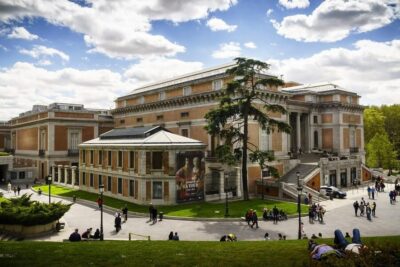
Prado Museum Guided Tour with Skip-the-Line Ticket
Read the review →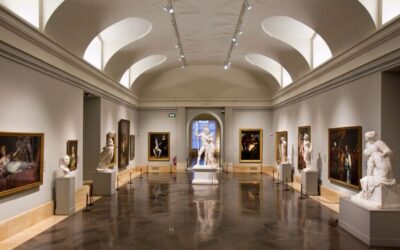
Prado Museum Small Group Tour with Skip the Line Ticket
Read the review →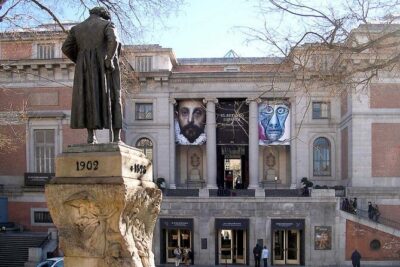
Royal Palace & Prado Museum Skip the Line Guided Tour
Read the review →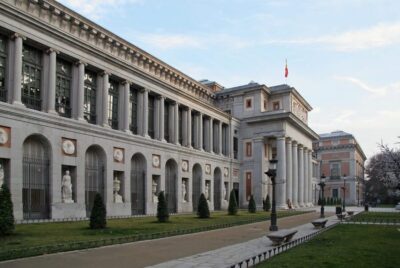
Browse the lists this tour appears in