
Reviewed · WINE TASTINGS
Madrid Region Wineries Guided Tour with Wine Tastings
Madrid’s wine country begins only about 35 minutes from the city, but the feel changes fast. This six-hour outing takes you to three family-owned wineries around Chinchón and Colmenar de Oreja, where the owners and winemakers explain their work over generous pours and local snacks.
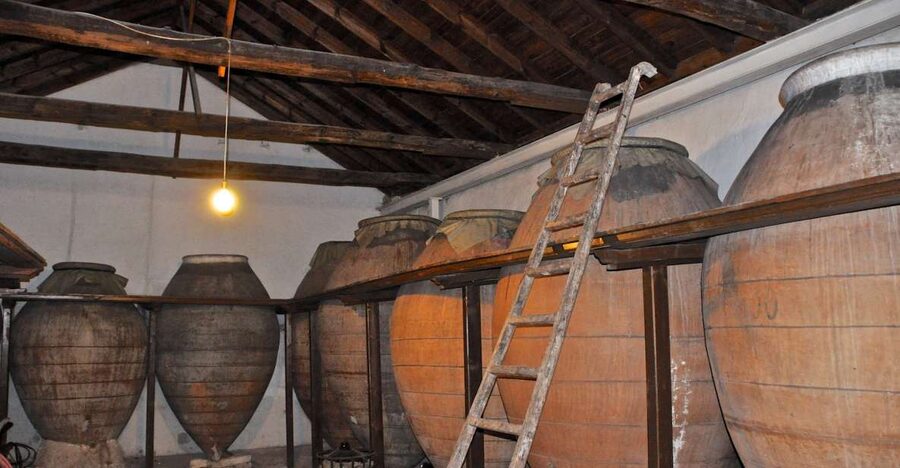
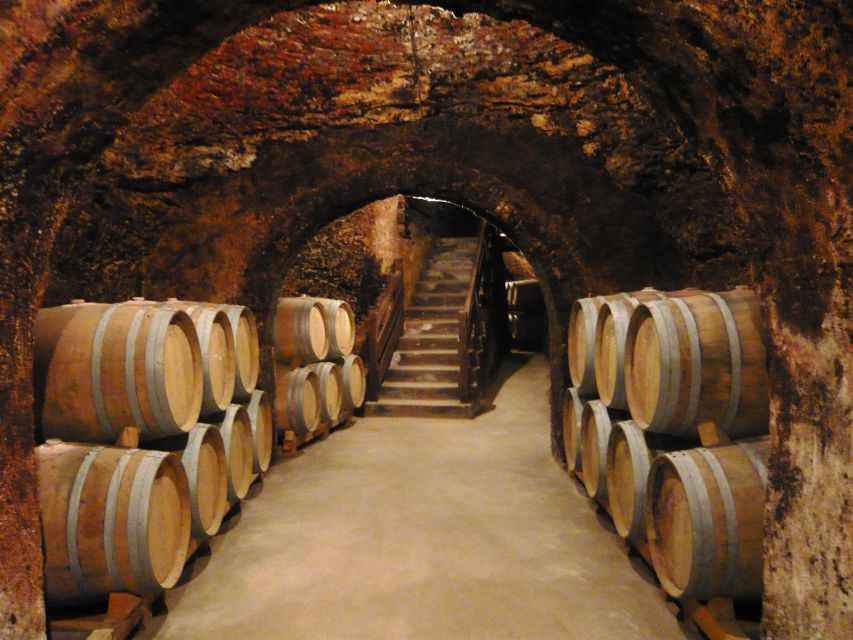
I like the mix of old and new: one stop may focus on a small modern operation, while another leads you into centuries-old underground caves or shows clay pots more than a hundred years old. The main drawback is the amount of wine. With at least nine tastings and food that amounts to a light lunch, you need to pace yourself.
Key points to know before you book
- Three wineries, three different personalities: You compare boutique production, updated traditional methods, and historic cellar work in one day.
- At least nine wines: Each winery serves at least three varieties, with appetizers such as cheese, olives, hummus, meats, and pastries.
- Meet the people behind the bottles: Family owners, including third or fifth generation winemakers, often lead the visits themselves.
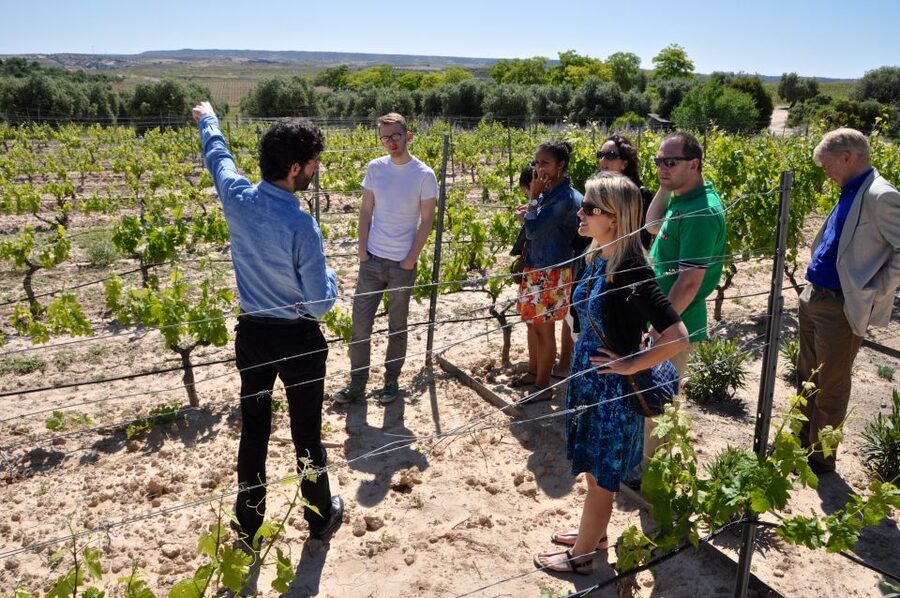
- A real taste of Madrid’s countryside: The drive passes vineyards, almond trees, olive groves, and old towns south and southeast of the capital.
- Small-group format: Groups range from 4 to 20 people, with an average of about 8.
- Best for adults who enjoy wine and local stories: Children under 12 cannot join, and the tour is not suitable for wheelchair users.
Why Madrid’s wine country is worth your time
Madrid is not usually the first Spanish wine region that comes to mind. That is part of the appeal. You are not simply joining a standard city tasting. You are heading into the Community of Madrid, an agricultural area shaped by the Tagus and nearby rivers, where wine has been made for more than 900 years.
The local Denomination of Origin, Vinos de Madrid, covers several wine areas. This tour focuses on family cellars near Chinchón and Colmenar de Oreja. These towns supplied wine to Madrid after the Castilians took the city from Moorish rule, and their wines appeared in the writing of Cervantes and other Golden Age figures.
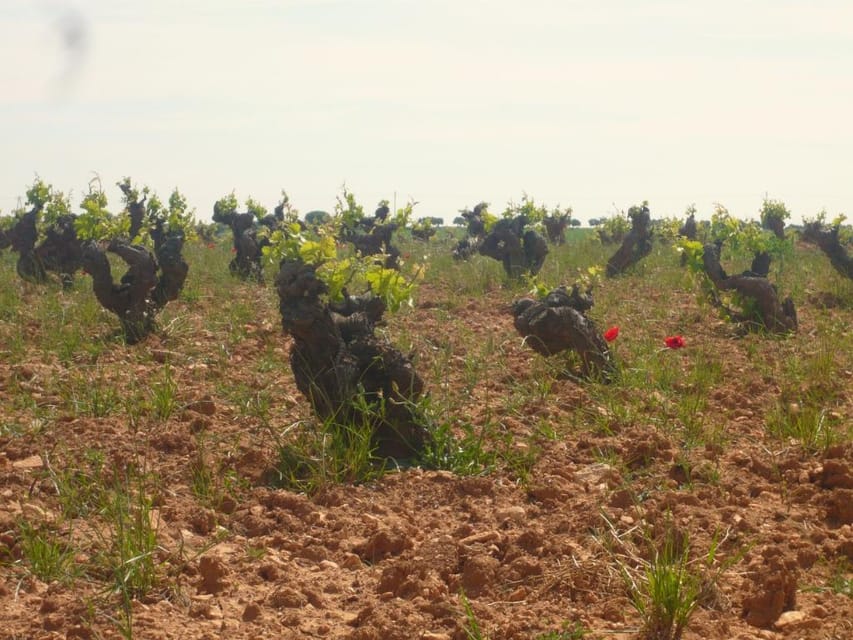
I like that this background is not presented as a dusty lecture. The guide connects the old wine trade to the bottle in front of you. You see how dry soil, hardy vines, local grape varieties, and family methods still shape the wines today.
Tempranillo is an important part of the story, especially in the full-bodied reds associated with Spain. You will also taste other varieties across the three stops. The point is not to memorize every grape. It is to notice how the same broad region can produce very different wines.
More Wine Tastings in Madrid
- Toledo Tour & Vineyard Walk with Wine Tasting from Madrid
★ 5.0 · 2,546 reviews - Madrid: Tapas & Wine Tasting Tour with Local Guide
★ 4.8 · 2,171 reviews - Madrid Tapas & Wine Tour with Rooftop Views and Local Guide
★ 5.0 · 2,047 reviews
Leaving Madrid from Plaza del Conde de Casal
The meeting point is the front door of the cafeteria at Hotel Claridge, at Plaza del Conde de Casal, 6. The closest Metro stop is Conde de Casal on Line 6, which makes the pickup practical from many parts of central Madrid.
The cafeteria is for hotel customers, so do not plan to arrive early and settle in there unless you are using the hotel’s services. I would arrive with time to spare and wait outside by the stated entrance.
From there, a bus or coach carries you into the Community of Madrid. The first drive takes about 35 minutes, followed by scenic views on the way. This is a useful part of the outing because you do not need to rent a car, navigate rural roads, or limit your tastings to a cautious sip.
The group size matters. A maximum of 20 people is possible, but the average group is around 8. That smaller typical size gives the guide more room to answer questions and helps the visits feel personal. It also means the exact mood depends partly on the people booked that day.
Guides have included Antonio, Ismael, Nacho, Enrique, Muna, Mona, Elena, Alfonso, and Rocío. The strongest pattern in the feedback is not one particular guide, but the value of having a guide who can explain wine, local geography, and Spanish customs in a relaxed way. Antonio and Ismael are often praised for combining facts with humor, while Nacho and Enrique are noted for keeping the group involved.
The tour can run in English and Spanish at the same time when needed. That is helpful for mixed groups, though simultaneous interpretation can make explanations take a little longer.
Chinchón: wine in a medieval setting
The first winery visit in Chinchón lasts about 75 minutes. Chinchón is one of the prettiest towns in the area, known for its old central square and historic character. The town itself gives the tasting a stronger sense of place than a cellar in an industrial zone.
At the winery, you receive a guided look at the operation, followed by at least three wines and local snacks. The exact winery can vary, but past visits have included Bodegas Andrés Morate and Bodegas Peral.
What I like here is the chance to see how a traditional regional producer can use current winemaking methods without discarding older practices. One winery has been described as traditional but updated, a useful contrast to the more purely historic cellar later in the day.
The snacks are more than a token bowl of crackers. Across the stops, food has included cheese, olives, meat, hummus, chips, pastries, and other local appetizers. Since lunch is not included, these servings matter. They help absorb the alcohol, but I would still eat a proper breakfast before leaving Madrid.
After the winery, there is about 25 minutes for sightseeing and views in Chinchón. This is not a long town tour, so do not expect an hour of free exploration or a full visit to every landmark. You get a short look at the setting before continuing to Colmenar de Oreja.
The road to Colmenar de Oreja
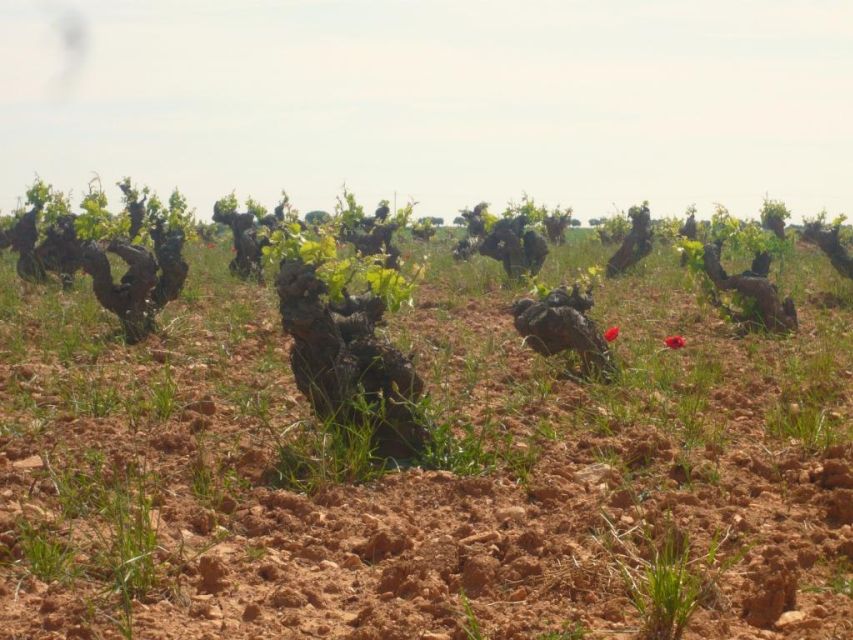
The next coach ride takes about 25 minutes. Along the way, you move through the countryside that supports Madrid’s wine production. Rows of vines appear beside almond trees and olive groves, with broad open views that feel far removed from the capital.
I find this transfer useful because it links the cellar to the source. You are not just told that the wine comes from a rural area. You see the fields and vines that make the explanation concrete.
Colmenar de Oreja is another historic town with strong links to wine and stone quarrying. The second and third winery visits are both located here, with a seven-minute walk between them. Wear comfortable shoes, since the town portion is short but not entirely vehicle-based.
The short walk also breaks up the tastings. After several pours and snacks, a few minutes on foot is welcome.
Same city, a completely different evening:
- Madrid: Tour Bernabéu Entry Ticket
★ 4.5 · 21,573 reviews - Madrid: Prado Museum Entry Ticket
★ 4.6 · 17,509 reviews - Madrid: Royal Palace Fast-Access Admission Ticket
★ 4.6 · 13,856 reviews - Madrid: “Emociones” Live Flamenco Performance
★ 4.8 · 12,866 reviews
A second family cellar and a different winemaking approach
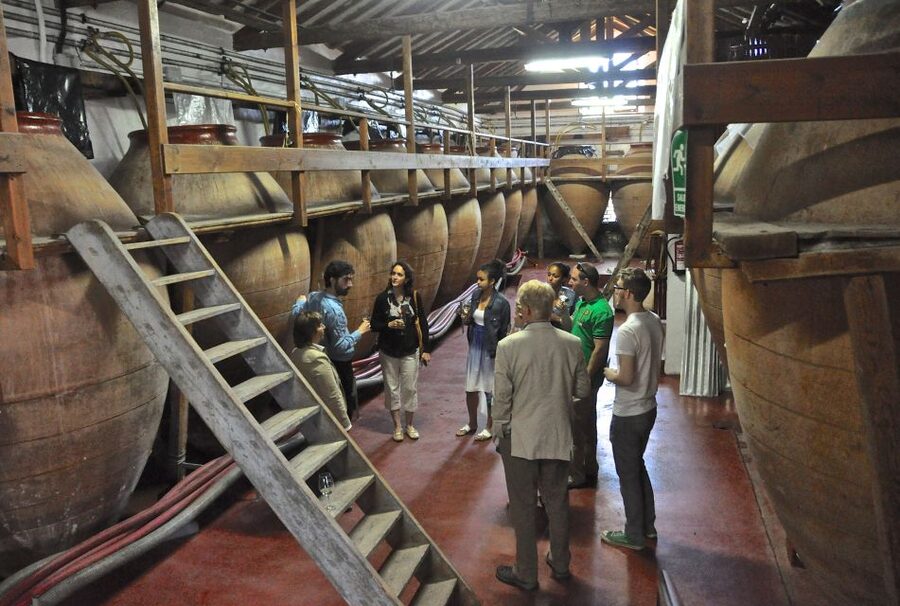
The second winery visit also lasts about 75 minutes. Here, the focus is on another family operation and its own way of handling grapes, fermentation, aging, and presentation.
The value of visiting three producers becomes clear at this point. One cellar may feel small and boutique. Another may show how a family business has adopted modern equipment while keeping its older identity. The third may take you below ground into a much older setting.
The owners are often central to these visits. Some come from the third or fifth generation of the family, and they share anecdotes about the business rather than giving only a technical presentation. That personal connection is one of the best reasons to choose this tour over a generic tasting room.
You taste at least three wines here, again with appetizers. The generous portions can be a plus if you want a social, easygoing afternoon. They can be a problem if you expected small, formal samples. Bring water if you can, and use the food breaks to slow down.
Centuries-old caves and clay wine pots
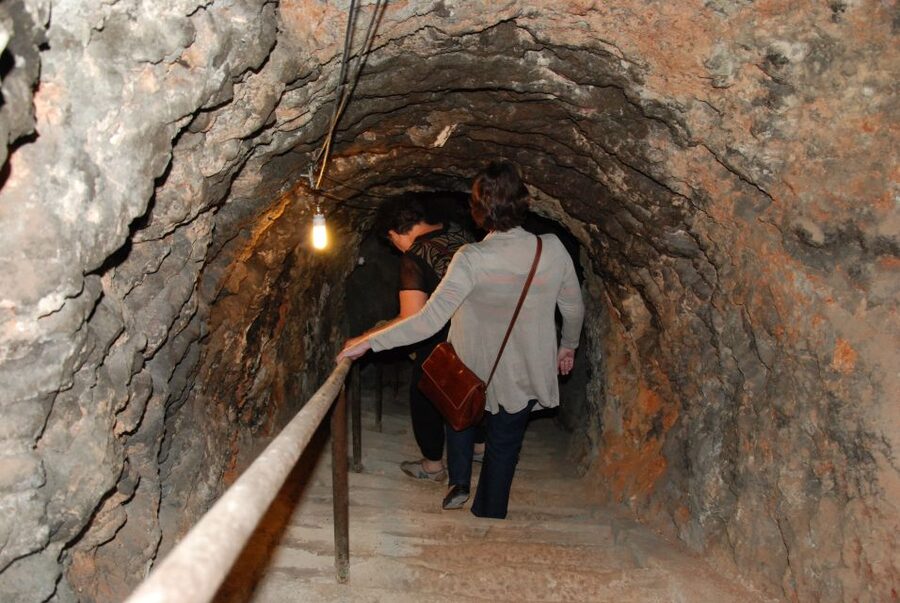
The final winery visit is the most unusual part for many people. You may walk through old underground caves where wine ages, then see the thick clay vessels used in traditional production.
One winery continues to make wine in clay pots more than a hundred years old. These vessels help you understand how much Spanish winemaking existed before stainless steel tanks and modern temperature controls. The caves also show how cellars once used cool, stable underground spaces for storage.
I would pay close attention here even if you are not a serious wine student. The caves turn an abstract story into something physical. You can see the walls, the aging spaces, and the tools tied to generations of work.
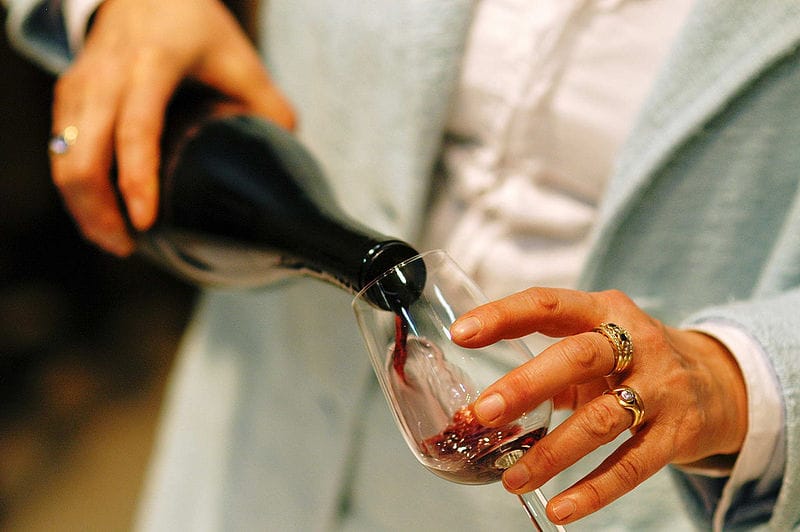
At least three more wines are served, with local snacks. One past tasting included the chance to try a 1983 rosé, with the bottle priced at €80 and split among the group. This is not presented as a standard part of the advertised package, so ask the guide about any special bottles before agreeing to an extra charge.
The final stop can also be the point where the alcohol catches up with you. Several pours at three wineries add up quickly, especially when the serving style is generous. I would treat this as a tasting and cultural visit, not a contest. You can enjoy the wines without finishing every glass.
What you will eat with the wine
Lunch is not included, but the appetizers are intended to cover a light lunch. The food varies by winery and can include cheese, olives, meat, hummus, chips, pastries, and other local recipes.
I like this arrangement because small foods often tell you as much about a place as the wine. You get salty, savory items that work well with reds and whites, and the informal setting makes it easier to talk with the winemakers and other members of the group.
Still, do not confuse appetizers with a full midday meal. If you normally need a substantial lunch, eat beforehand or carry something small for the bus. The itinerary gives you roughly 75 minutes at each winery, and a good part of that time goes to the tour and conversation.
Is $171 a fair price?
At $171 per person, this is not a budget excursion. The price includes round-trip transport from Madrid, a bilingual English and Spanish guide, three winery visits, at least nine tastings, and food at every stop.
I think the value is strongest for visitors without a car. Renting a vehicle for a rural wine route creates its own costs and leaves someone responsible for driving. Here, the transport is organized, and the guide handles the connections between towns and wineries.
You are also paying for access. These are family-owned wineries where owners and winemakers may personally explain the work. The old caves and clay pots add something you would not get from a simple city wine bar.
The price is less compelling if you want a long private tasting with only two or three carefully selected wines. You may also find it expensive if you do not drink much or if rural scenery is not a priority. For wine fans who want several producers, food, transport, and local context in one day, I consider it a reasonable splurge.
Who will enjoy this most
I would choose this tour if you want to get beyond Madrid’s center without giving up the ease of organized transport. It suits adults who enjoy wine, family stories, old towns, and a social group setting.
Solo visitors should find the format practical. The small average group makes it easier to meet people, and the activity is described as safe for solo women.
It is not suitable for children under 12, wheelchair users, pets, or anyone who may be intoxicated before the tour. The rules also prohibit costumes, a reminder that this is a working food and wine visit, not a themed performance.
You should also be comfortable walking briefly through town and managing several tastings. The tour lasts six hours, with coach rides of about 35, 25, and 40 minutes. Those transfers are not wasted time, but the day has a steady pace.
Practical ways to enjoy the day
I would eat breakfast before meeting the coach. The snacks are useful, but they are not meant to replace a full meal for everyone.
Wear shoes suitable for old cellars and a short town walk. The caves may be cool even when Madrid is warm, though no specific temperature is provided.
Ask questions early. Guides such as Antonio, Ismael, Nacho, and Enrique are praised for explaining the wine process and the region clearly, and the winemakers add details you will not get from a bottle label.
If you buy wine, bring room in your luggage. The family producers may offer bottles at attractive prices, and the direct connection with the makers can make a purchase feel more meaningful.
Finally, pace the tastings. You will receive at least nine wines, and some groups describe the pours as very generous. Water, food, and restraint will help you remember the caves and countryside as clearly as the wine.
Should you book this Madrid winery tour?
I would book it if you want a full half-day outside Madrid, especially if you value family-run businesses over large commercial estates. The strongest features are the range of three different cellars, the chance to meet winemakers, and the historic caves and clay vessels.
I would skip it if you want a quiet, formal tasting, a full restaurant lunch, or a wheelchair-accessible outing. For most wine-loving visitors, though, $171 buys a well-filled day: transport, local food, at least nine wines, old towns, and a view of Madrid’s rural wine culture that is easy to miss from the city.
FAQ
Where does the tour meet in Madrid?
The meeting point is at the front door of the cafeteria at Hotel Claridge, next to the hotel’s main entrance, at Plaza del Conde de Casal, 6, 28007 Madrid. The closest Metro stop is Conde de Casal on Line 6.
How long does the winery tour last?
The full activity lasts six hours, including transport from Madrid, the winery visits, sightseeing, and the return journey.
How many wineries will I visit?
You will visit three family-owned wineries. The route includes wineries in or near Chinchón and Colmenar de Oreja, with one vineyard visit included.
How many wines are included?
You will taste at least three wines at each winery, for a minimum of nine different wines during the tour.
Is lunch included?
A full lunch is not included. Each winery provides local appetizers, which are intended to cover a light lunch and may include cheese, olives, meats, hummus, chips, pastries, and similar foods.
What languages are available?
The live guide service is available in English and Spanish. The tour may take place in both languages at the same time when necessary.
Can children or wheelchair users join?
Children under 12 cannot take part, and the tour is not suitable for wheelchair users. Pets are also not allowed.
What happens if I need to cancel?
You can cancel up to 24 hours before the activity for a full refund. A reserve-now, pay-later option is also available.
Recently added in Madrid
- Entrance to the Flamenco Temple Room in Madrid with Tapas Option★ 5.0 · 176 reviews
- Tapas & Paella Cooking Class in Madrid with a Professional Chef★ 5.0 · 177 reviews
- Madrid: Toledo Day Trip with Winery Visit and Wine Tasting★ 4.4 · 177 reviews
- VIP visit to the Las Ventas Bullring in Madrid★ 5.0 · 178 reviews
- VIP Entrance Ticket to Our Secret Alley in Madrid★ 5.0 · 179 reviews
- Madrid: Prado & Reina Sofía Museums Guided Tour★ 4.5 · 180 reviews
- Madrid: Royal Palace tour – semi private or private★ 4.9 · 182 reviews
- Atletico de Madrid Stadium & Interactive Museum Admission Ticket★ 4.5 · 183 reviews
Wine Tastings, compared.

Montserrat & Cogwheel Train, Gourmet Wine Tasting & Tapas/Lunch
Read the review →
Montserrat with Black Madonna & Medieval Winery with Tapas/Lunch
Read the review →
Montserrat and Winery Tour with Tapas or Lunch
Read the review →
Ronda+Setenil de las Bodegas with Little Train
Read the review →
Toledo Tour & Vineyard Walk with Wine Tasting from Madrid
Read the review →
Málaga & Costa del Sol: Ronda and Setenil de las Bodegas
Read the review →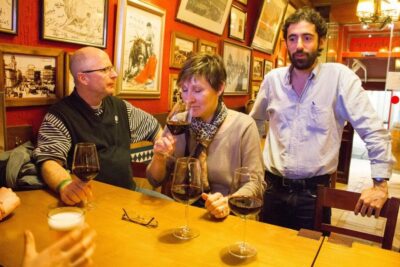
Browse the lists this tour appears in