
Reviewed · WINE TASTINGS
Madrid Countryside Wineries Guided Tour with Wine Tasting
Madrid’s wine country begins surprisingly close to the city. In about 30 kilometers, the apartment blocks give way to vineyards, old towns, and the mountain rim beyond. This tour takes you to three very different wineries, where you taste more than 10 wines and see both modern production and old clay fermentation jars.
I like the mix of small family wineries and direct contact with winemakers. I also like that the food is not an afterthought: Iberian ham, cheese, tapas, and regional hot dishes are served along the way. The main consideration is the wine itself. Madrid’s reds lean heavily toward Tempranillo, so this is less suited to anyone who strongly dislikes that grape.
Key points to know
- Three wineries in six hours: You visit a changing selection of contemporary and historic producers in the Vinos de Madrid D.O. region.
- More than 10 pours: Tastings include local red and white grapes, with generous samples at some stops.
- Old and new winemaking together: See organic vineyards, cave cellars, clay jars, and family estates.
- Food is built into the day: Cheese, Iberian products, tapas, and hot dishes provide enough food for a light lunch.
- Small groups are common: The maximum is 20 people, with an average group of about eight.
- Guides shape the experience: Ismael, Antonio, Muna, and Enrique have all led tours, with wine instruction mixed with humor and local stories.
Why Madrid’s Wine Region Is Worth Your Morning
Madrid is not usually the first Spanish city that comes to mind for wine. Rioja, Ribera del Duero, and Priorat tend to get the attention. Yet Madrid has its own protected wine region, known as Vinos de Madrid, with production areas around river valleys and the southern edge of the province.
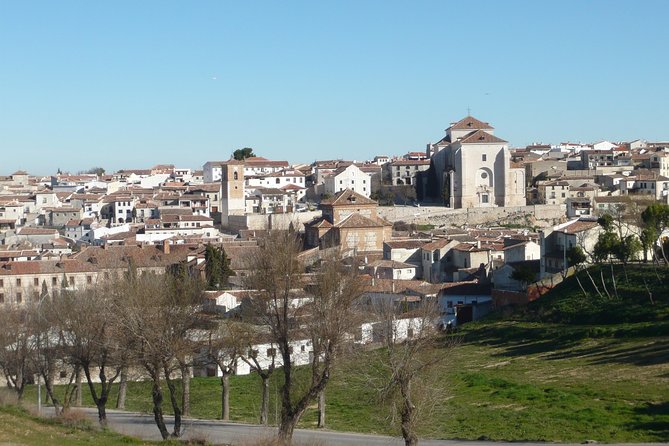
The region has a long connection with the capital. Vineyards supplied Madrid as the city grew into the capital of the Spanish Empire, and winemaking continued through generations of local families. The setting changes quickly once you leave the city. You pass from central Madrid to open countryside, historic towns, and vineyards backed by the foothills of the Sierra de Guadarrama.
That short journey is one of the tour’s strengths. You do not spend half the day sitting in a bus to reach a famous wine area. The first wineries are roughly 30 kilometers from Madrid, leaving enough time for three visits within a six-hour schedule.
The guide fills in the background during the drive. You learn about local grapes, production methods, and the difference between the Tagus River Valley and other parts of the Madrid wine zone. This context matters because the wines are easier to understand when you know the soil, climate, and old supply routes behind them.
More Wine Tastings in Madrid
- Toledo Tour & Vineyard Walk with Wine Tasting from Madrid
★ 5.0 · 2,546 reviews - Madrid: Tapas & Wine Tasting Tour with Local Guide
★ 4.8 · 2,171 reviews - Madrid Tapas & Wine Tour with Rooftop Views and Local Guide
★ 5.0 · 2,047 reviews
A Smooth Start at Conde de Casal
The tour begins at 9:30 a.m. outside the cafeteria at Hotel Claridge, at Plaza del Conde de Casal, 6. The meeting point is beside the hotel’s main door and close to Conde de Casal Metro station on Line 6.
This is a practical location, but you need to arrive early. The minivan or minibus leaves on time, and joining after departure can mean paying extra for your own transport. Allow an extra 10 to 20 minutes beyond what a map app suggests, particularly if you are crossing Madrid during the morning.
You are asked to eat a strong breakfast before setting out. That is good advice. The tastings are generous, and the food served at the wineries is intended to provide enough for a light lunch, but this is still a wine-focused day rather than a formal midday meal.
The group limit is 20 people, though the average group is around eight. That difference matters. A small group may feel personal and make it easier to ask questions. On a fuller departure, transport may be by comfortable minibus rather than a van, and conversations with the winemakers can feel less private.
The tour is operated in English and Spanish, with a bilingual local wine guide. English-language support is available, but bilingual operation means the exact rhythm may vary with the group.
Stop One: Organic Vines at Señorio de Val Azul
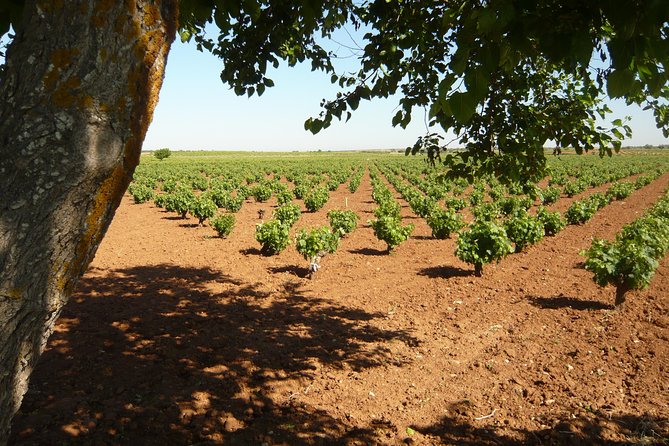
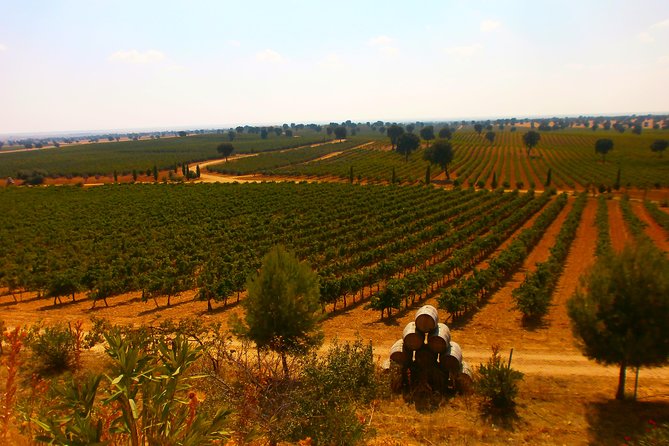
The first winery is Señorio de Val Azul, described as a boutique producer with an organic vineyard planted around the property. Its closeness to Madrid makes the change in mood immediate. You are still near the capital, but the setting feels far removed from city life.
This is a useful opening stop because it introduces the region without overwhelming you with centuries of technical detail. You see vines growing around the winery and begin tasting wines made from grapes suited to the local conditions.
Expect an explanation of how the wines are produced, followed by several samples. The exact wines can change, but the program includes both whites and reds from local grapes. Madrid’s best-known red style is generally full-bodied Tempranillo, while Malvar is a local white grape often described as fruity and tangy.
The organic farming element gives the guide a natural way to discuss vineyard work and the choices producers make before the grapes ever reach the cellar. If you are new to Spanish wine, this first stop helps you establish a baseline before comparing it with the more traditional cellars later.
The limitation is that the winery lineup changes according to availability. You should not book this expecting one fixed set of producers every time. The organizers aim to show different styles of Madrid winemaking, but the actual first stop may differ on your date.
Stop Two: A Second Producer and the Wine-Making Conversation
The second visit takes you to another Madrid town and winery. The focus remains on how wine is made, but the setting and style are different from the first stop. This contrast is important. Three identical tasting rooms would make for a long morning, while different producers let you compare methods, scale, and character.
You taste more wines with the guide and winery staff. The strongest part of this stop is the chance to connect the glass with the production process. Instead of only hearing polished tasting notes, you get a closer look at how local grapes are handled and why the region is beginning to gain more attention.
The wine zone includes riverbanks associated with the Manzanares, Tajuña, Jarama, Henares, and Tajo. Other vineyards sit near the granite foothills south of the Sierra de Guadarrama. You do not need to memorize the geography, but it helps explain why wines from the same protected region can still differ.
Food is served here as part of the tasting experience. Cheese, Iberian products, and tapas help absorb the alcohol and turn the stop into more than a series of glasses. The portions are described as generous, and some departures include regional hot dishes.
One practical point: the word lunch is used loosely. The food may be enough to keep you going, but you should not expect a restaurant-style meal with a fixed menu. A solid breakfast remains important.
Same city, a completely different evening:
- Madrid: Tour Bernabéu Entry Ticket
★ 4.5 · 21,573 reviews - Madrid: Prado Museum Entry Ticket
★ 4.6 · 17,509 reviews - Madrid: Royal Palace Fast-Access Admission Ticket
★ 4.6 · 13,856 reviews - Madrid: “Emociones” Live Flamenco Performance
★ 4.8 · 12,866 reviews
Stop Three: Clay Jars and Franciscan Caves
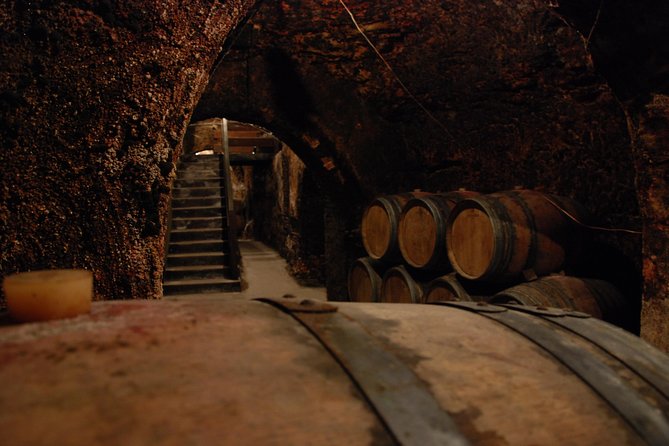
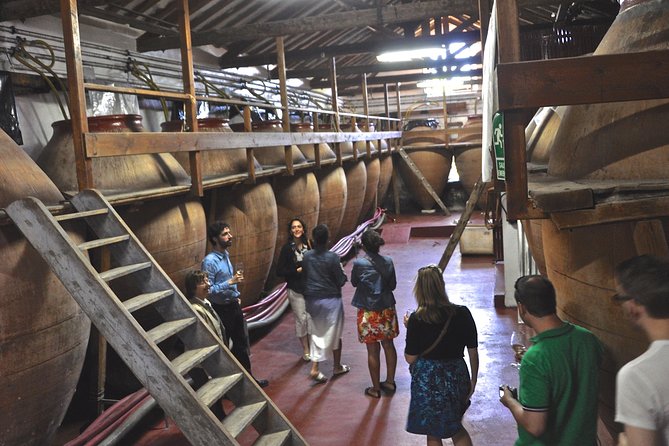
The final winery, Bodegas Jesús Díaz e Hijos, offers the most unusual historical setting. It is one of the oldest wineries in Colmenar de Oreja and occupies part of an old Franciscan convent. The family has made wine for more than a century.
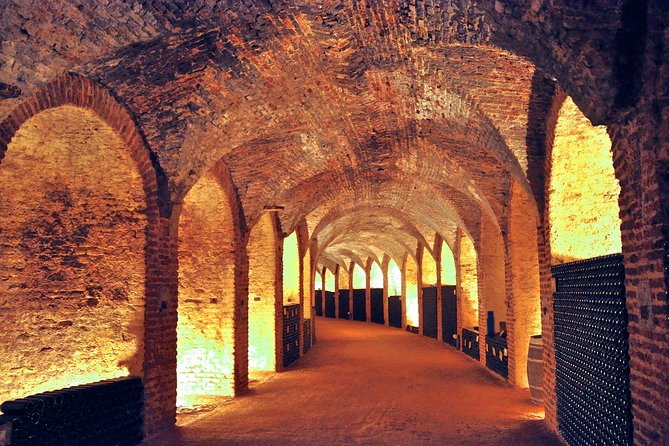
Here, wine is still produced in large clay jars, a method associated with traditional winemaking in the area. You also visit centuries-old caves where the wine rests. This is the stop that gives the tour its strongest sense of continuity. Modern steel equipment and polished tasting rooms have their place, but clay vessels and underground caves show how local wine was made before contemporary technology became standard.
The cellar is cold, so bring a warm layer even on a sunny Madrid day. That small detail can make a large difference when you are standing underground for a guided explanation and tasting.
This winery also provides a useful counterpoint to the first stop. Señorio de Val Azul represents a more contemporary boutique approach, while Bodegas Jesús Díaz e Hijos connects you with old family methods and a historic building. The tour works best when you pay attention to those differences rather than judging every wine by the same standard.
What You Will Taste and Eat
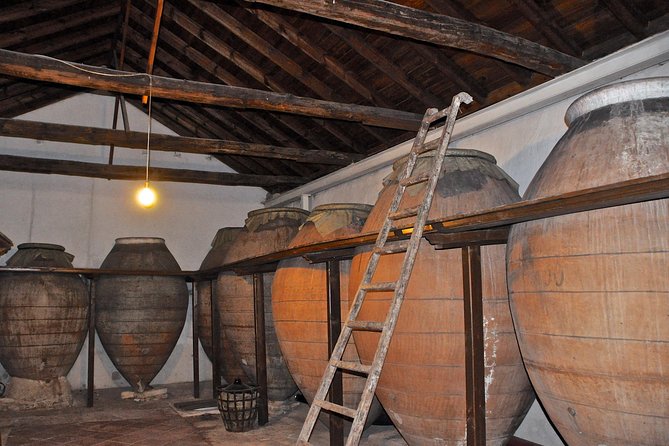
The program includes at least nine wines across the three wineries, with the broader description promising more than 10 glasses. The pours may feel closer to proper glasses than tiny samples, so pacing matters. You are not expected to finish everything, and you should listen to your body as the day goes on.
Expect both reds and whites, with local grapes at the center. Tempranillo is the key red variety to recognize. It can produce the firm, full-bodied style associated with much of central Spain. Malvar gives you a chance to try a local white with a fruitier, tangier profile.
The food includes cheese, Iberian ham and other Iberian products, tapas, and regional hot dishes served by the wineries. These pairings are valuable because they show how the wines work at the table, not just in a tasting glass. Spanish wine makes more sense with salty ham, local cheese, and small savory dishes beside it.
I would still treat the food as substantial snacks rather than a guaranteed full lunch. Menus can vary with the winery selection, and the experience does not include a separately arranged restaurant meal.
Guides Who Make the Day Work
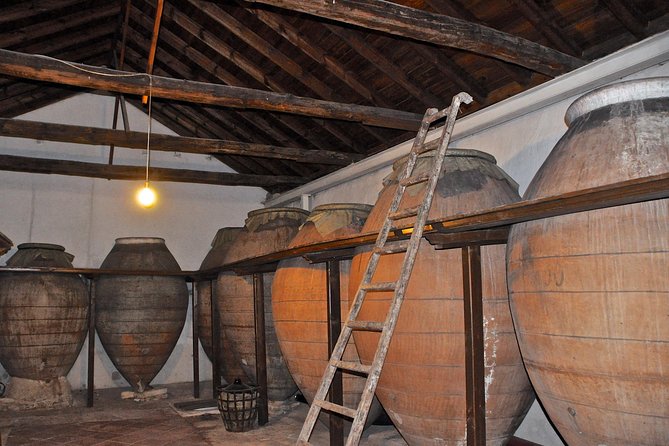
The guide is important here because the wineries are different and the wine vocabulary can become dense. Ismael has been singled out for combining detailed explanations with an easy, personal manner. Antonio is known for a relaxed style, humor, and strong wine knowledge. Muna has been praised for explaining the vineyards and production clearly, while Enrique has led visits with attention to Madrid’s regional wines.
Guide assignments are not guaranteed, but these names give you a sense of the style to expect. The best guides do more than repeat facts. They translate the technical parts of fermentation, grape varieties, and aging into plain language, then connect those ideas to what you are tasting.
The guide may also help you speak with winery owners and producers. That access is one of the tour’s more authentic features. You are not simply taken from one commercial tasting room to another. At some stops, the people making the wine explain their own work and family traditions.
At the end, the guide offers suggestions for Madrid food and activities. That is useful if this is your first visit and you want to turn a wine day into a broader plan for the city.
Transport, Timing, and Group Size
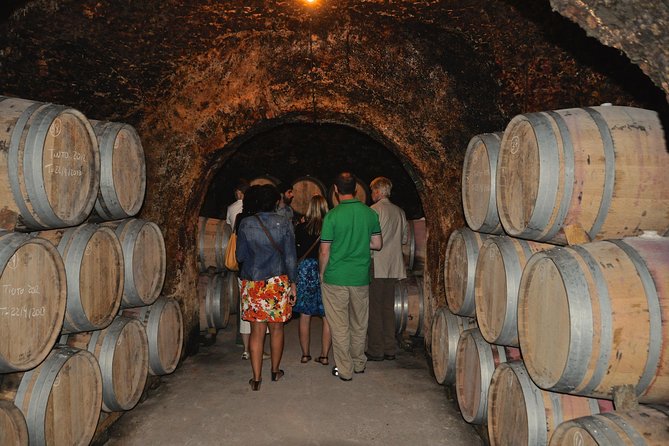
The advertised duration is about six hours, including the drive from Madrid and the three winery visits. Each winery stop is listed at roughly 90 minutes, leaving time for the road and the meeting-point transfer.
Transport is by air-conditioned minivan or bus. The route is short enough to avoid an exhausting road trip, and the drive gives you a chance to watch Madrid thin into countryside. The air conditioning is helpful in warm weather, while the cellar warning points to the one place where you will want an extra layer.
The maximum group size is 20, with about eight people on average. You should be prepared for either format. A group of eight can feel almost like a private outing, while 20 people will create a more social, bus-based atmosphere.
One past problem involved a vehicle breakdown, with a replacement bus arranged and a short public-bus connection used to reach the next winery. It appears to have been handled quickly, but any road tour carries some transport risk. That is not a reason to avoid this experience, just a reminder not to schedule an important timed activity immediately afterward.
Is $175.35 a Fair Price?
At $175.35 per person, this is not a bargain bus ride to one tasting room. You are paying for about six hours, round-trip transport from Madrid, a bilingual wine guide, three winery visits, more than 10 wine samples, and food at several stops.
The value is strongest if you would otherwise need to rent a car or arrange several taxis. Driving yourself after a day of tastings is a poor plan, and reaching three rural wineries independently would take research and careful timing. The tour also gives you access to producers and cellars you might not find easily on your own.
The price is less compelling if your main goal is a single refined meal or a highly specialized tasting led by a sommelier. This is a social countryside outing, with food served along the way and a mix of production styles. It is not designed as a luxury private tour.
For me, the best value comes from the range of experiences: an organic boutique vineyard, a second local producer, and a historic winery using clay jars and old caves. You pay for variety and convenience as much as for the wine.
Who Should Book This Madrid Wine Tour?
I would choose this tour if you want to get beyond Madrid’s city center without giving up a full day to travel. It suits curious wine drinkers, couples, solo visitors, and anyone who likes meeting producers and seeing how wine is made.
It also works for experienced wine drinkers. The region may be less familiar than Rioja, and the traditional clay-vessel methods add something you will not get from a standard tasting-room visit. At the same time, the guide-led explanations make it accessible if you are still learning the difference between a grape, a region, and a production method.
The tour is less suitable for children, since the minimum age for wine tasting is 18 and children under 12 cannot participate. It may also disappoint you if you want a fixed winery lineup, a long formal lunch, or only internationally famous labels.
Book at least a few weeks ahead if your schedule is tight. The experience is often reserved around 35 days in advance, and it requires at least four participants to operate. If the minimum is not reached, the tour can be canceled with notice, with an alternative or full refund offered.
Free cancellation is available up to 24 hours before the 9:30 a.m. start time. Changes or cancellations inside that window are not refunded.
Should You Book It?
Book this tour if you want an easy, well-organized introduction to Madrid’s own wine region, especially if you value small producers, traditional cellars, and food alongside the tastings. The short drive, three contrasting wineries, and strong local guide component make it a useful addition to a Madrid itinerary.
Think twice if you dislike Tempranillo, prefer very small private tastings, or need a guaranteed menu and winery list. For everyone else, the combination of modern vineyards, family traditions, clay jars, cave cellars, and generous pours offers a memorable way to see a different side of Spain’s capital.
FAQ
Where does the Madrid winery tour begin?
It begins at 9:30 a.m. outside the cafeteria at Hotel Claridge, at Plaza del Conde de Casal, 6, in Madrid.
How do I reach the meeting point by public transport?
The closest metro station is Conde de Casal on Line 6. The meeting point is near public transportation.
How long does the tour last?
The tour lasts approximately six hours and ends back at Plaza del Conde de Casal.
How many wineries will I visit?
You will visit three wineries in the Vinos de Madrid region. The specific wineries can change based on availability.
How many wines are included?
The tour includes at least nine wines across the three wineries, with more than 10 generous samples described as part of the experience.
What food is included?
Food can include cheese, Iberian ham and other Iberian products, tapas, and regional hot dishes served by the wineries. The food is intended to provide enough for a light lunch.
Is the tour available in English?
Yes. The tour is offered in English and is operated by a bilingual guide in English and Spanish.
Can children join the tour?
Children under 12 cannot take part. The minimum age for wine tasting is 18.
What should I bring or do before the tour?
Eat a strong breakfast before the tour and bring warm clothing for the colder cellars. Arrive early because the vehicle departs on time.
Recently added in Madrid
- Entrance to the Flamenco Temple Room in Madrid with Tapas Option★ 5.0 · 176 reviews
- Tapas & Paella Cooking Class in Madrid with a Professional Chef★ 5.0 · 177 reviews
- Madrid: Toledo Day Trip with Winery Visit and Wine Tasting★ 4.4 · 177 reviews
- VIP visit to the Las Ventas Bullring in Madrid★ 5.0 · 178 reviews
- VIP Entrance Ticket to Our Secret Alley in Madrid★ 5.0 · 179 reviews
- Madrid: Prado & Reina Sofía Museums Guided Tour★ 4.5 · 180 reviews
- Madrid: Royal Palace tour – semi private or private★ 4.9 · 182 reviews
- Atletico de Madrid Stadium & Interactive Museum Admission Ticket★ 4.5 · 183 reviews
Wine Tastings, compared.

Montserrat & Cogwheel Train, Gourmet Wine Tasting & Tapas/Lunch
Read the review →
Montserrat with Black Madonna & Medieval Winery with Tapas/Lunch
Read the review →
Montserrat and Winery Tour with Tapas or Lunch
Read the review →
Ronda+Setenil de las Bodegas with Little Train
Read the review →
Toledo Tour & Vineyard Walk with Wine Tasting from Madrid
Read the review →
Málaga & Costa del Sol: Ronda and Setenil de las Bodegas
Read the review →
Browse the lists this tour appears in