
Reviewed · MADRID TOURS
Iberian Ham and Wine Small Group Tour in Madrid
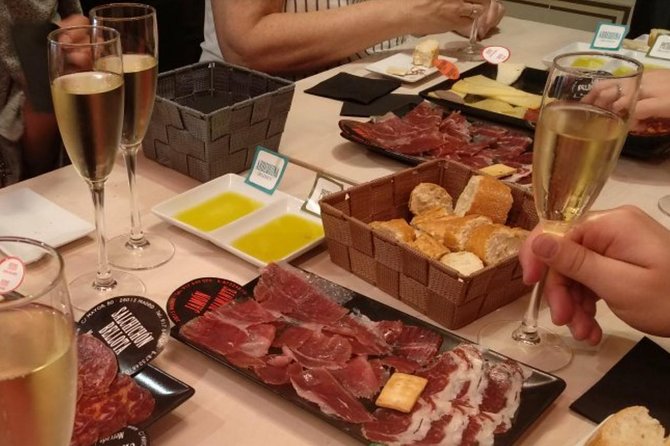
The real star here is not just the ham, but the lesson in why one slice costs far more than another. In about two hours, you move from classic tapas and Spanish wine to a focused tasting of Iberian ham, cold cuts, and cheese. Pedro and Brian are among the guides praised for explaining the food clearly and answering questions without rushing.
I like the small-group format, capped at 12 people, and the way the tasting is split between two stops rather than crammed into one crowded counter. I also like the practical shopping advice: you learn how to spot better-quality ham and understand terms such as Jamón Serrano and Jamón Ibérico. The main drawback is simple: this is not suitable for vegetarians, and the four alcoholic drinks make it a poor fit if you do not drink wine.
Key points at a glance
- Two Madrid food stops: Start with classic tapas and wine, then move to a specialist tasting of Iberian ham, cheeses, and cold cuts.
- A lesson in ham grades: Learn how Serrano and Ibérico differ, along with the effect of production, curing, and quality.
- Four Spanish alcoholic drinks included: The standard plan includes four wines, with cold cava suggested for the ham course.
- Guides who know their subject: Pedro and Brian receive especially strong praise for their food, wine, and Madrid background.
- Short, easy-to-fit schedule: The experience lasts about two hours and begins and ends at Plaza de Isabel II.
- Good value for a food-focused afternoon or evening: At $72.65 per person, the price covers the guide, tapas, ham, cheese, cold cuts, and drinks.
Why Iberian ham deserves a proper tasting
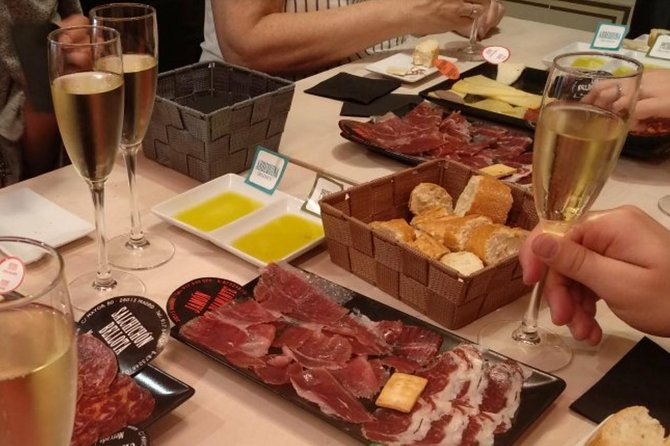
Ham is easy to order in Spain and surprisingly hard to understand at first. Menus often use Jamón Serrano and Jamón Ibérico as if the difference were obvious, but the names point to different pigs, regions, feeding methods, curing practices, and quality levels.
This tour gives you a useful introduction before you spend your own money in a market or delicatessen. You are not simply handed a plate and told to enjoy it. The guide explains what you are eating and why one product has a higher price than another.
The lesson is especially helpful if you have never tasted several grades side by side. You may notice differences in color, fat, aroma, texture, and finish. The fat is not something to push aside automatically. With good Iberian ham, it is part of the flavor and helps give the slice its soft texture.
The experience also includes salchichón, lomo, and chorizo. That broadens the tasting beyond ham and gives you a better sense of Spain’s cured-meat tradition. Manchego and other Spanish cheeses add a needed change of pace, while wine helps show how these foods work together at the table.
A few other Madrid outings to compare
- Madrid: Tour Bernabéu Entry Ticket
★ 4.5 · 21,573 reviews - Madrid: Prado Museum Entry Ticket
★ 4.6 · 17,509 reviews - Madrid: Royal Palace Fast-Access Admission Ticket
★ 4.6 · 13,856 reviews
Starting at Plaza de Isabel II
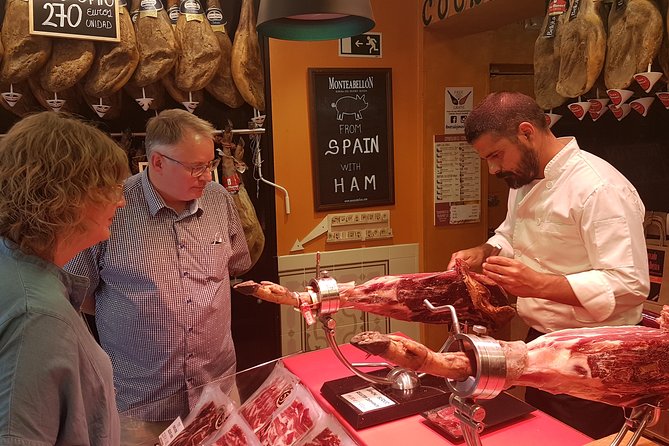
You meet at Plaza de Isabel II, a central point in Madrid’s historic quarter. The tour ends at the same meeting point, which makes the practical side easy. You do not need to arrange a taxi between venues or work out a return route from an unfamiliar neighborhood.
The walk between the two stops is described as minimal. Wear comfortable shoes anyway, since this is a walking food experience in the old center rather than a seated tasting that begins and ends in one room.
Your guide handles the food talk in English and leads the group through the progression of the meal. Pedro and Brian are named as guides associated with particularly strong experiences, while Andrew, one of the company owners, has also led the tour. Since the specific guide can vary, you should treat those names as examples rather than a guarantee.
A good guide matters here. Ham has plenty of specialized vocabulary, and a flat list of facts would make the tasting feel like a lecture. The strongest accounts describe guides who make room for questions, explain the food in plain English, and add useful context about Madrid and Spanish eating habits.
First stop: tapas, wine, and a taste of Madrid
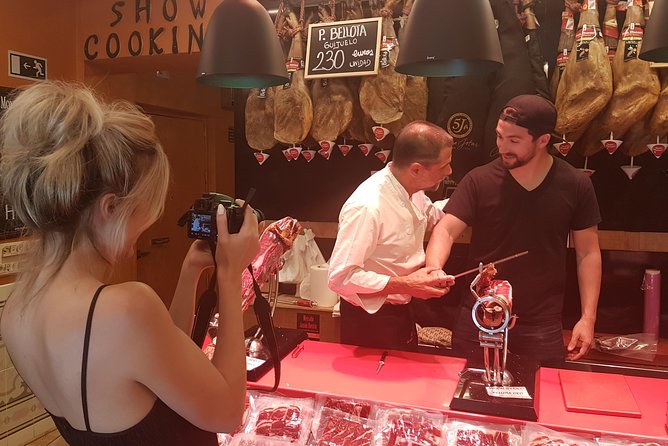
The first venue serves classic tapas with two glasses of Spanish wine. This is the lighter and more varied part of the meal, giving you a broad introduction before the dedicated ham tasting.
The food can include a traditional Spanish dish, and one account specifically describes a local vegetable stew. That detail matters because the tour is not built around meat alone. You get a glimpse of the kind of comforting local food that might appear in a Madrid lunch, not only the items most visitors already associate with Spain.
The wine pairing gives the guide a chance to discuss Spanish wine regions and how different wines work with salty, savory foods. The advertised package includes four Spanish wines in total, with two at the first stop and two at the second. Cold cava is suggested for the ham course. Some tasting accounts also mention cava and a local beer, so the exact drinks may vary from the core advertised wine plan.
I like this first stop because it sets a relaxed pace. You sit, eat, and talk before turning your full attention to the ham. If you have spent the day walking through Madrid’s museums and plazas, this works well as a calm lunch or early evening activity rather than another hurried stop.
The tradeoff is that the first course may feel modest if you arrive expecting a large restaurant meal. The full food quantity appears generous once both venues are counted, but the tour is designed as a guided tasting, not a long multi-course dinner.
Second stop: the serious ham lesson
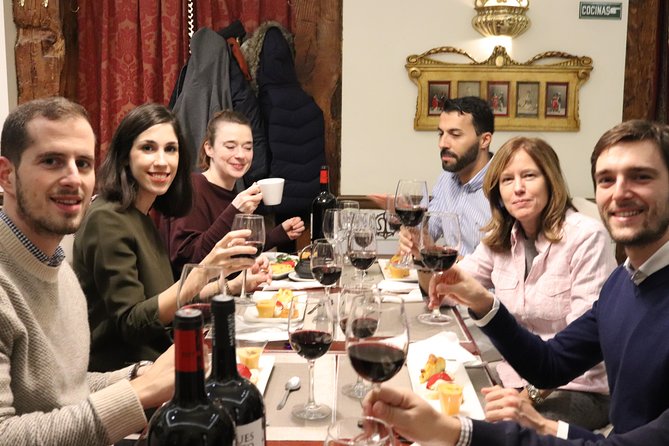
The second venue is where the tour gets specific. You receive a selection of top Iberian ham, cheese, and cold cuts, paired with two more Spanish drinks.
Here the guide explains the grades of ham and the production process. You should expect to compare several slices rather than taste just one famous product. That side-by-side approach is the most useful part of the experience because it gives your palate a reference point.
You learn about Jamón Ibérico and Jamón Serrano, along with the different standards behind each style. The talk may cover the type of pig, curing time, production area, and other factors that influence price and taste. The supplied details do not promise a particular producer or exact ham grade, so do not book expecting a named brand or a specific bellota selection.
You also receive other cured meats such as salchichón, lomo, and chorizo. Each has a different seasoning and texture, and the mix helps you understand why a Spanish charcuterie plate is more than a pile of ham.
The cheese is important, too. Manchego brings a firm, nutty contrast to the ham’s salty softness. Cava is suggested as a pairing, and its bubbles offer a clean break between bites. Even if you already know Spanish ham, this combination gives the tasting a more complete shape.
Same city, a completely different evening:
- Madrid: “Emociones” Live Flamenco Performance
★ 4.8 · 12,866 reviews - Madrid: Panoramic Route City Tour
★ 4.1 · 12,259 reviews - Madrid: Live Flamenco Show with Food and Drinks Options
★ 4.5 · 9,901 reviews - Avila & Segovia Tour with Tickets to Monuments from Madrid
★ 5.0 · 9,762 reviews
What the guide adds to the food
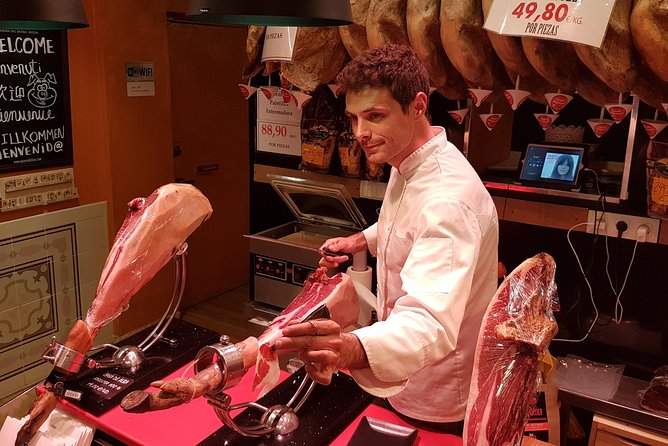
The food would probably be pleasant on its own, but the guide is what turns it into a useful Madrid experience. Pedro receives repeated praise for his explanations of ham grades, food history, wine regions, and Madrid culture. Brian is also singled out for making the tasting clear and enjoyable, while Andrew is described as carefully selecting the venues and tastings.
You can ask how to buy ham later, what to look for at a market, or why one display has a much higher price than another. That practical angle is worth more than a string of trivia. You leave with a better chance of ordering confidently at a bar or choosing a packaged product for your apartment.
The guides also seem willing to answer questions beyond ham. That can be a bonus early in a Madrid visit, when you are still figuring out local food customs and looking for ideas for the rest of your stay.
There is one important caveat. One account describes a guide making political and historical remarks that the participant found offensive. The provider apologized and said causing offense was not the intention. This appears to be an isolated concern among otherwise very positive feedback, but it is still fair to note. If you prefer a strictly food-centered tour, you can politely steer conversation back to the tasting.
Small groups make the tasting work better
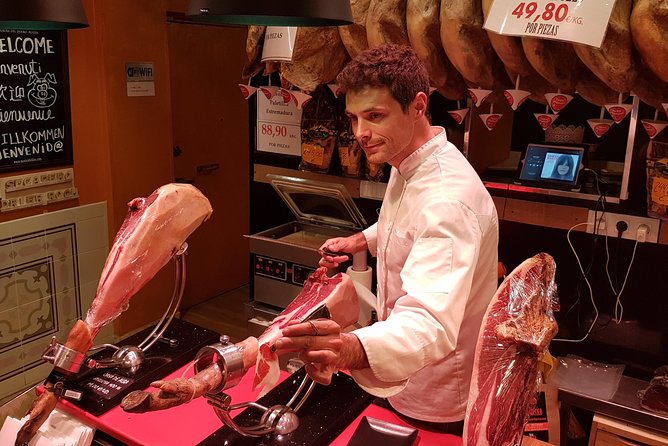
The maximum group size is 12, and some departures are smaller. One group had six people, while another had eight plus two companions. That size is large enough for a social evening but small enough for everyone to hear the guide and examine the food.
This matters at the ham stop. A large crowd around a counter would make it harder to follow the explanation or ask about a particular slice. With fewer people, you can take your time and compare what you are tasting.
The social side is part of the appeal. Food tours naturally put people at a shared table, and the structure leaves time to talk with the rest of the group. That can be pleasant if you are visiting Madrid as a couple or alone and want a low-pressure way to meet other people.
Of course, a small group does not mean a private tour. You will share the experience with people whose tastes and questions may differ from yours. The format works best if you enjoy some conversation and do not expect a completely personal tasting.
Is $72.65 a fair price?
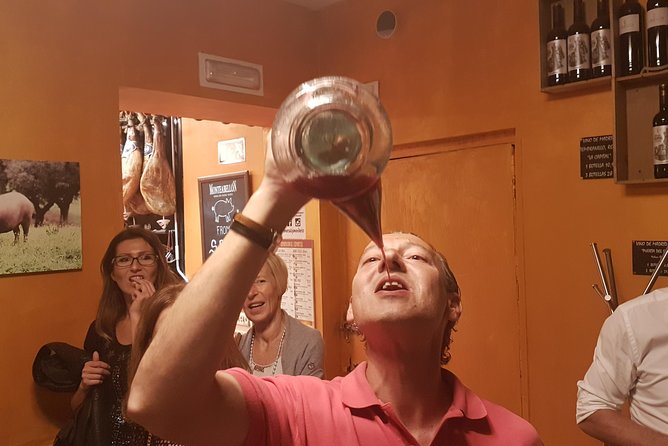
At $72.65 per person, this is not the cheapest way to eat ham in Madrid. You could order a plate of jamón and a glass of wine for much less. That comparison misses the main value, though.
The fee includes a gastronomy-focused English-speaking guide, classic tapas, a main tasting of Iberian ham and cold cuts, Spanish cheese, and four alcoholic drinks. You are also paying for the explanation, the venue selection, and the chance to compare products in a logical order.
I consider the price fair if you want an introduction rather than a quick snack. The value is strongest for first-time visitors to Spain, people who enjoy food education, and anyone who wants help buying quality cured meat later.
It is less compelling if you already know the main ham categories and would rather choose your own bars. It is also not a good deal for anyone who does not drink alcohol, since the package is built around wine and may include cava. Other food and drinks are not included.
The amount of food appears substantial for a two-hour tasting. You begin with tapas and continue with a plate of ham, cheese, and cold cuts, so eating beforehand is unnecessary. Arrive hungry, but not so hungry that you rush through the explanations.
Who should book this Madrid food tour?
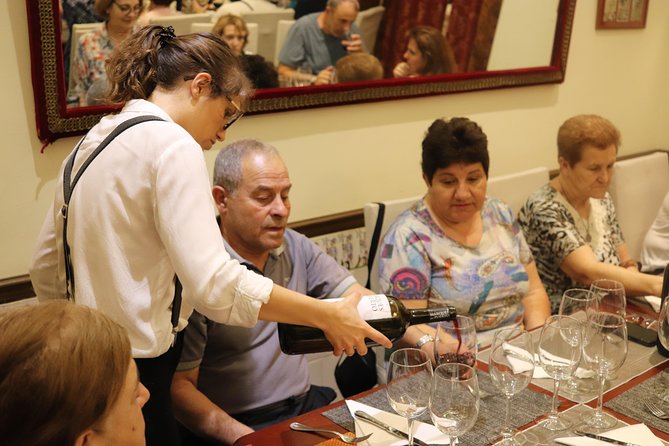
I would choose this experience if you want a compact introduction to Spanish food during your first days in Madrid. It gives you several useful reference points in a short period and begins in a central location.
It also suits you if you have already tried ham but cannot tell one quality level from another. The guided comparison, plus advice on buying cold cuts, can make the difference between ordering with confidence and simply pointing at the most expensive option.
Couples, small friend groups, and solo visitors who like shared meals should find the format comfortable. The minimum booking requirement is two people, so you cannot reserve it as a one-person booking, even if you are happy to join an existing group.
The tour does not suit vegetarians. No vegetarian option is available, and meat is central to both food stops. It may also be a poor choice if you need a carefully controlled dietary menu. You are asked to provide allergies and special requirements when booking, but the available details do not promise substitutions.
The minimum age is 18, which fits the wine-centered format. Most people can participate, but you should still mention any food allergies or special needs before the tour begins.
Timing, booking, and cancellation details
The experience lasts about two hours and is offered in English. It is usually booked well ahead, with an average booking time of around 40 days, so reserving early is sensible if your Madrid dates are fixed.
You arrange your own way to Plaza de Isabel II. Hotel pickup and drop-off are not included, and transportation to the meeting point is your responsibility. The central meeting point and same-place return keep the route simple once you arrive.
Confirmation is provided at booking. You can cancel for a full refund up to 24 hours before the start time. Changes or cancellations made inside that 24-hour window are not accepted for a refund. The tour also requires a minimum number of bookings, and if that minimum is not reached, you are offered another date or experience, or a full refund.
Final verdict: book it for the lesson, not just the plate
Book this Iberian Ham and Wine Small Group Tour if you want to understand what you are eating, compare several Spanish cured meats, and enjoy a sociable meal without giving up half a day. The strongest reasons are the small group, the two-stop structure, and guides such as Pedro and Brian who explain the food in a useful, approachable way.
Skip it if you are vegetarian, avoiding alcohol, or already an expert in Spanish ham. For everyone else, $72.65 buys more than four drinks and a plate of meat. It buys a practical introduction to one of Spain’s most important foods, with enough tapas and cheese to make the lesson feel like lunch.
FAQ
Where does the Iberian Ham and Wine Tour meet?
The tour begins at Plaza de Isabel II, Pl. de Isabel II, Centro, 28013 Madrid, Spain.
Where does the tour end?
The activity ends back at the meeting point at Plaza de Isabel II.
How long does the experience last?
The tour lasts approximately two hours.
Is the tour offered in English?
Yes. An English-speaking tour guide is included.
How many people can join the tour?
The activity has a maximum of 12 participants.
What food is included?
The food includes classic tapas, Iberian ham, cold cuts, Spanish cheese, and Manchego cheese. The cold cuts may include salchichón, lomo, and chorizo.
How many drinks are included?
Four Spanish wines are included. Cold cava is suggested as a pairing for the Iberian ham course.
Is there a vegetarian option?
No. A vegetarian option is not available, and the experience is not suitable for vegetarians.
Recently added in Madrid
- Madrid: Top Pub Crawl Madrid & Party★ 5.0 · 173 reviews
- Madrid Gourmet Tapas Small Group Tour★ 5.0 · 175 reviews
- Street Art Guided Tour in Madrid★ 5.0 · 175 reviews
- Entrance to the Flamenco Temple Room in Madrid with Tapas Option★ 5.0 · 176 reviews
- Tapas & Paella Cooking Class in Madrid with a Professional Chef★ 5.0 · 177 reviews
- Madrid: Toledo Day Trip with Winery Visit and Wine Tasting★ 4.4 · 177 reviews
- VIP visit to the Las Ventas Bullring in Madrid★ 5.0 · 178 reviews
- VIP Entrance Ticket to Our Secret Alley in Madrid★ 5.0 · 179 reviews
Madrid Tours, compared.

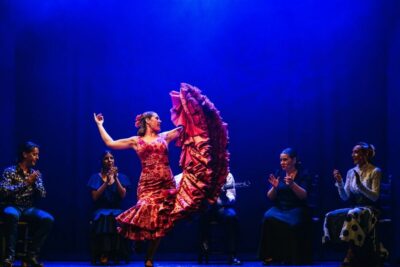

Live Flamenco Show with Food and Drinks Options
Read the review →
Avila & Segovia Tour with Tickets to Monuments from Madrid
Read the review →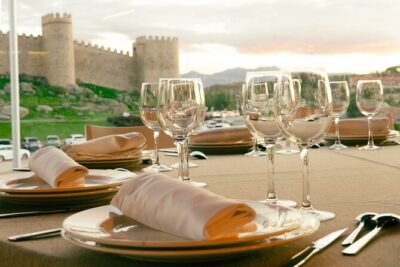
Three Cities in One Day: Segovia, Avila and Toledo from Madrid
Read the review →
Segovia and Toledo Tour, Alcazar, and Cathedral
Read the review →
Royal Palace Expert Guided Tour with Skip-the-Line
Read the review →Browse the lists this tour appears in