
Reviewed · SURFING LESSONS
Fuerteventura: Surfing Lesson in the south of Fuerteventura
Fuerteventura’s southern coast gives this surf lesson its real appeal: you are not stuck at one training beach if the conditions are poor. The team drives to the beach that best suits the day’s wind, tide, weather, and surf level, then gets you moving with a short warm-up and clear practice on the sand.
I like the small groups, limited to four to eight students per instructor, and the fact that the instructor enters the water with you. I also like the sensible equipment setup: soft-covered Ocean&Earth boards for beginners, epoxy boards for advanced surfers, and Billabong wetsuits.
The main consideration is that the ocean decides how easy your lesson will feel. One session may bring gentle, friendly waves, while another can be choppy and tiring. The day may also run anywhere from 3.5 to 13.5 hours, depending on the selected time and transport arrangements.
Key points at a glance
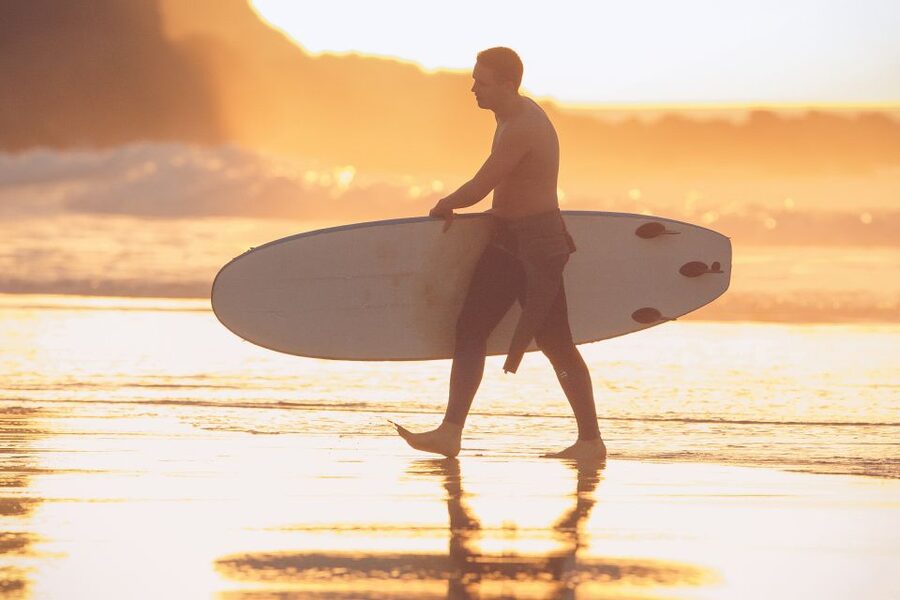
- A different beach when conditions call for it: The team selects the southern beach with the best waves for your level that day.
- Four to eight students per instructor: Small groups allow help with wave choice, board position, and technique.
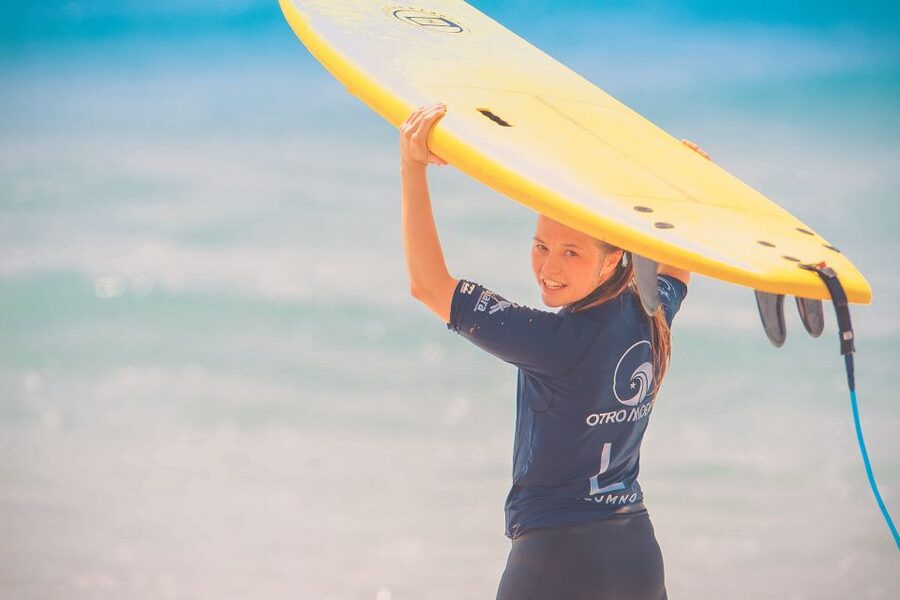
- Beginners get soft boards: The Ocean&Earth foam-covered boards are forgiving during the first attempts.
- You practice the take off before entering the water: Dry exercises explain how to lie on the board and stand up.
- A qualified beach lifeguard leads the session: Safety, currents, and equipment use are covered before you surf.
- Pickup covers much of southern Fuerteventura: For €8, collection is available in Morro Jable, Jandia, Esquinzo, Butihondo, Costa Calma, La Pared, and La Lajita.
Why this lesson works well on Fuerteventura’s southern beaches
Surfing is one of those activities that can look simple from shore and feel remarkably complicated once a board is under you. This course handles the first hurdle well. You are not simply handed a board and pointed toward the sea. The instructor explains the basics, shows you the body position, and breaks the movement into steps.
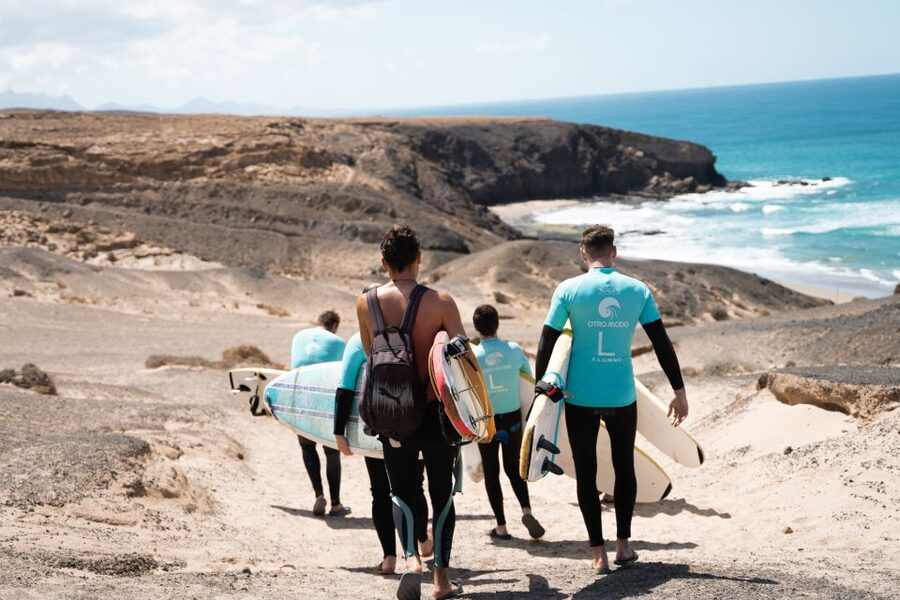
The setting helps. The south of Fuerteventura is known for broad white beaches, and the school can move between beaches rather than forcing every class into the same patch of water. That flexibility matters because wind, tide, and wave shape change the quality of a lesson.
I also appreciate that the course is not only aimed at first-timers. Beginners receive foam-covered boards and basic instruction, while intermediate and advanced surfers can use epoxy boards and work on technique. The staff tries to match the beach and advice to the ability level in the group.
The experience has earned a 4.8 rating from 354 bookings, with especially strong praise for the instructors’ friendliness, clear explanations, and ability to make first attempts feel safe. Names that appear in the feedback include Derek, Derrick, Andy, Kay, Jeroen, Gaspard, Felix, Maria, and Anja Swoboda. Staff can teach in German, English, Spanish, French, and Dutch, which is useful when you are learning a physical movement that is already hard to describe.
More surf lessons in Fuerteventura:
- Fuerteventura: Surf Lesson for All Levels and Ages
★ 4.8 · 205 reviews - Fuerteventura : Corralejo Surf Lesson
★ 4.7 · 186 reviews - Group Surfing Lesson at Playa de las Américas, Tenerife
★ 5.0 · 1,072 reviews
The meeting point changes with the ocean
Do not expect a fixed beach address printed on your confirmation to tell the full story. The meeting point and start time can change because the team chooses the beach according to wind, tide, weather, and student ability.
You need to send your mobile number before the course. The school sends a text or WhatsApp message at least one day before the lesson with the meeting point and time. If you request pickup, send the name of your hotel or the full address of your accommodation as well.
That last step is important. The pickup option costs an additional €8 and covers Morro Jable, Jandia, Esquinzo, Butihondo, Costa Calma, La Pared, and La Lajita. If you are staying elsewhere, the information provided does not promise collection, so confirm the meeting arrangement before you set out.
The duration is listed as 3.5 to 13.5 hours. That is a wide range, so check the available start times carefully. A short lesson and a longer outing can feel like different products, especially when you are planning meals, beach time, or another activity on the same day.
Arrival, safety, and the first board lesson
Once you reach the selected beach, the instructor explains the local currents and the basic rules for using the equipment. This is not filler. Knowing where the water moves and how to handle the board gives you a better chance of staying calm when a wave pushes you off line.
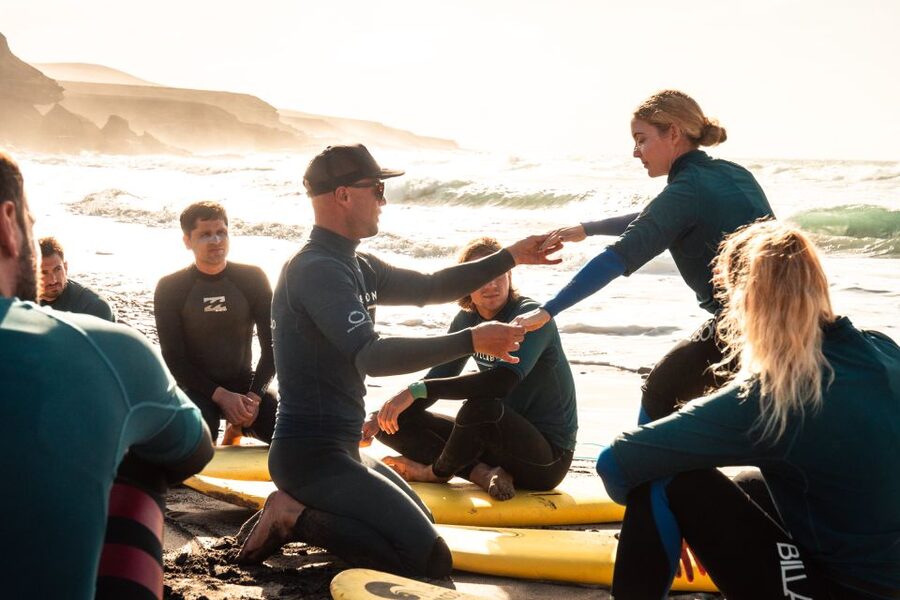
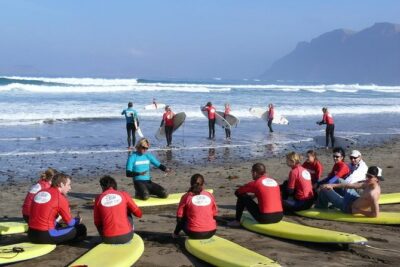
A short warm-up follows. Then you practice on land, with the board position and the standing movement explained before you face the water. The school calls this movement the take off, the key transition from lying on the board to standing on it.
For a beginner, this dry practice is one of the most useful parts of the morning. You can focus on foot placement and body position without also dealing with a moving board, cold water, and a breaking wave. The instructors’ clear explanations are often singled out, and one first-time student described being able to catch waves after good guidance.
That said, do not expect to master surfing in one lesson. The target is to understand the basic movement, catch some suitable waves, and learn enough to keep improving. You may stand up several times, or you may spend much of the session learning how to position the board and paddle. Both outcomes are normal.
Getting the right board and wetsuit
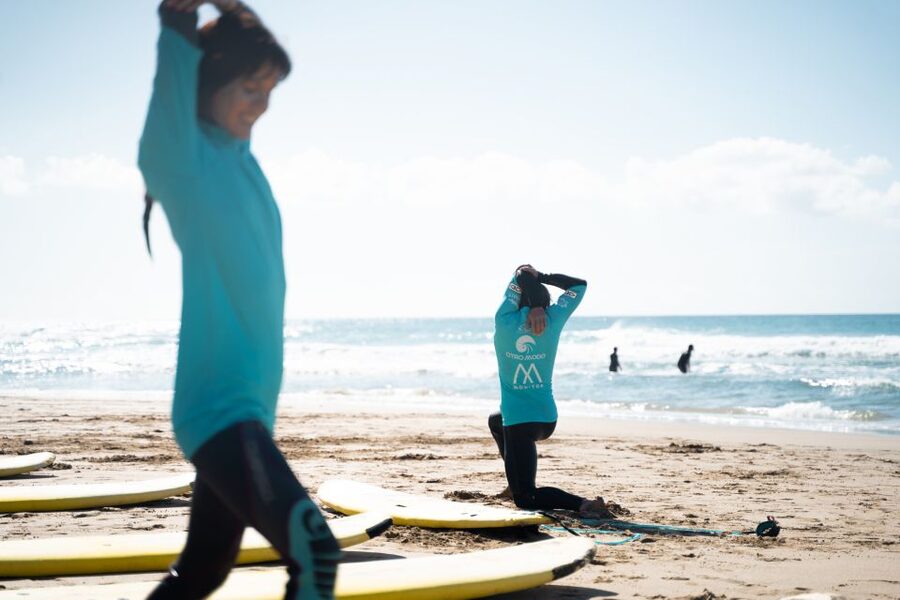
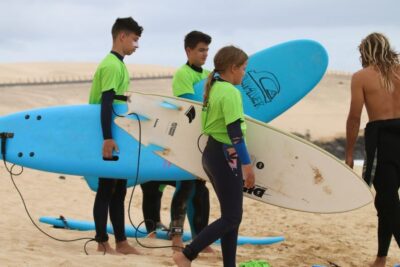
The equipment is matched to your level. Beginners use Ocean&Earth surfboards with a soft foam cover. These boards are designed to be more forgiving during early attempts and are a practical choice for learning the standing movement.
Advanced surfers use epoxy boards instead. That gives experienced participants a board more suited to working on their existing skills rather than repeating a first-timer lesson with oversized beginner equipment.
Billabong wetsuits are included. You should still bring swimwear, a towel, sunscreen, water, and beachwear. Food and drinks are not included, so pack what you need for the time you will be away from your accommodation.
You are also asked to provide your height and weight in advance. This allows the team to prepare suitable equipment and saves time at the beach. It is a small administrative detail, but it matters when a lesson involves several people and limited daylight or tide windows.
A few other Fuerteventura outings to compare
- Barcelona Paella Cooking Class with Market Visit, Tapas & Sangria
★ 5.0 · 2,531 reviews - Spanish Cooking Class Paella Tapas and Sangria in Madrid
★ 5.0 · 1,340 reviews - Madrid: Paella and Sangria Workshop in the City Center
★ 4.9 · 1,264 reviews - Paella Cooking Class, Wine Tasting & Central Market in Valencia
★ 5.0 · 1,150 reviews
Into the water with the instructor
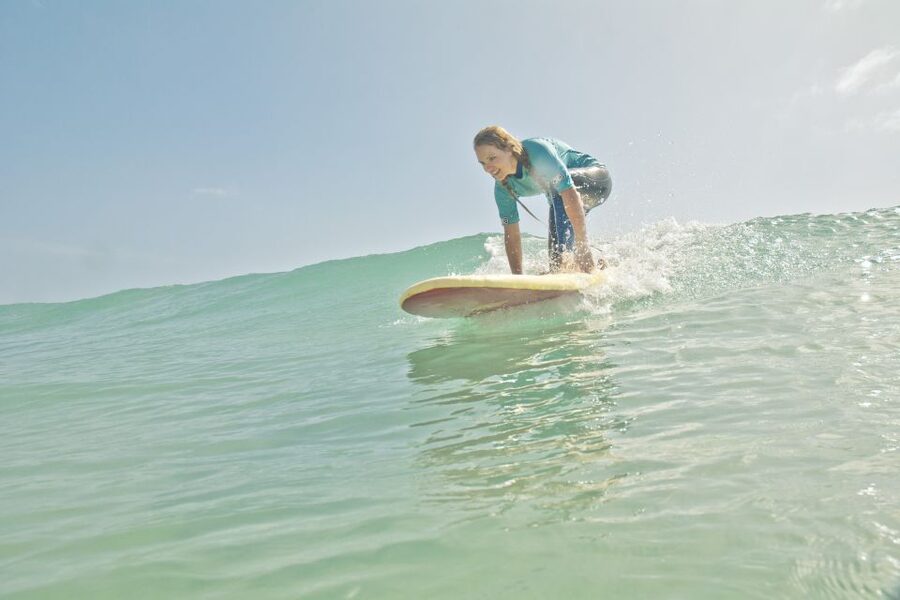
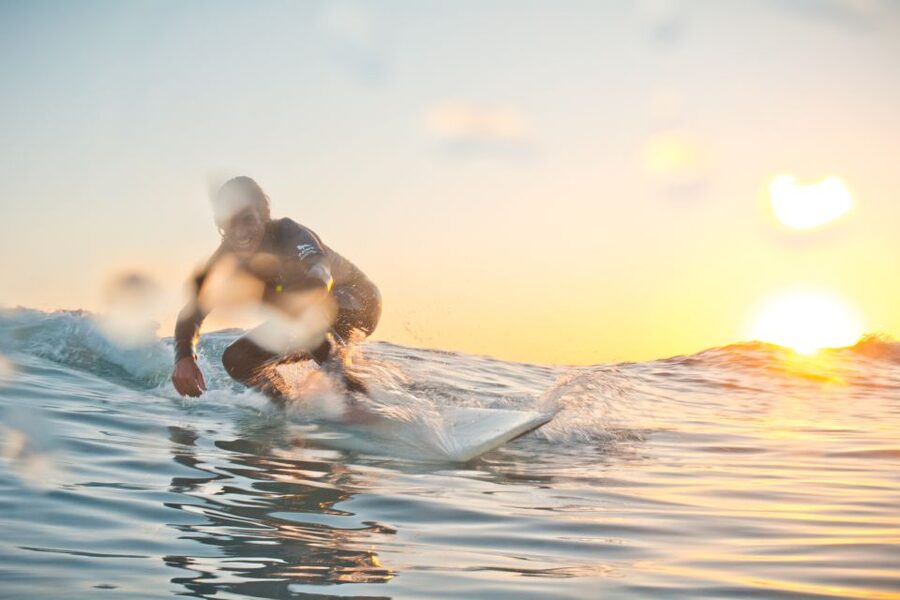
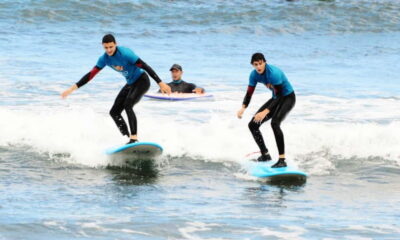
The strongest practical feature is that the instructor goes into the water with you. You are not left to remember the beach demonstration on your own while the instructor watches from a distance.
The instructor helps you choose waves, pushes you into suitable waves, and offers advice on improving your technique. For a first lesson, that push at the right moment can make the difference between a board gliding toward the beach and a board stopping beneath you.
You will need to listen closely and accept that the sea may not cooperate. A session in calm, well-shaped waves can feel exciting and encouraging. A choppy session can be harder, particularly if the current makes it difficult to move into position. One piece of feedback specifically noted that the waves were rough and the current tiring, but that catching a wave was still fun.
This is where the small group size earns its keep. Four to eight students per instructor is not private coaching, but it gives the instructor a reasonable chance to offer individual corrections. You should still expect short periods of waiting while other students take turns.
One participant felt that a second guide would have helped with a larger group in difficult conditions. That is a fair limitation to keep in mind. The advertised ratio is small-group instruction, not one-to-one tuition, and busy water or mixed abilities can stretch an instructor’s attention.
The instructors make the difference
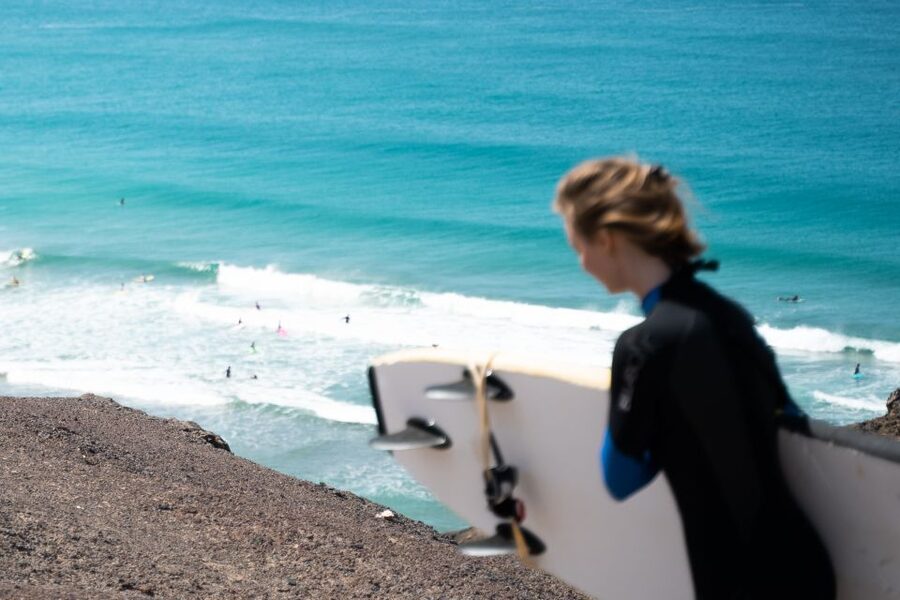
The teaching style appears to be the most praised part of this activity. Derek and Derrick are described as experienced, friendly, and positive. Andy is noted for bringing obvious enthusiasm to a first surf lesson, while Kay is praised for explaining each stage and helping everyone in the group.
Jeroen received particularly strong praise for advice and coaching, with one participant booking another surf day after the first. Gaspard is associated with choosing a good beginner beach and giving clear instructions. Anja Swoboda handled instruction in both German and English and helped nervous students feel safe despite stronger wind.
These details suggest a school with several instructors rather than one personality carrying the entire experience. The names may vary on your day, and you should not book expecting a specific teacher unless the provider confirms it. Still, the repeated pattern is useful: the lesson depends heavily on clear communication, patient help in the water, and a coach who can adjust to mixed abilities.
The language choice is another practical strength. German, English, Spanish, French, and Dutch are available. If your English is limited, tell the school in advance and ask which instructor will teach your group. One participant with limited English found the instructions clear enough to follow, which matters when timing and body position are central to the lesson.
What a typical day feels like
The exact order and length can change, but you can expect a simple sequence:
- Receive the meeting time and beach location by text or WhatsApp.
- Meet the team or use the optional pickup service.
- Travel to the beach selected for the day’s conditions.
- Receive a safety talk about currents and equipment.
- Warm up and practice the take off on the sand.
- Put on the wetsuit and carry the board into the water.
- Work with the instructor on wave choice, timing, and balance.
- Return the equipment and travel back or finish at the agreed meeting point.
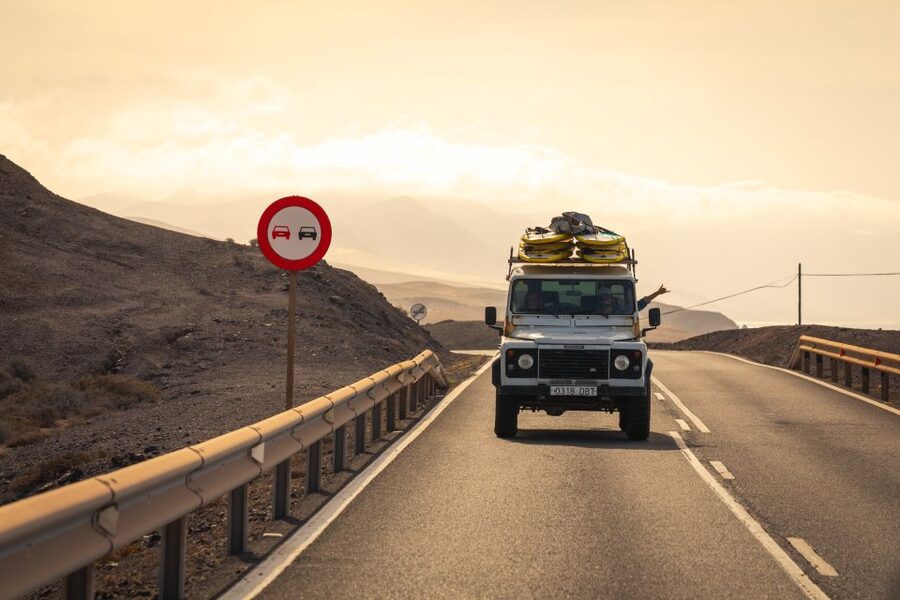
The beach shuttle is included and is more than a convenience. It lets the instructors avoid teaching every group at the same beach regardless of conditions. It also means you may see a different part of the southern coast rather than spending the whole day beside your hotel.
The tradeoff is less certainty. You cannot plan around one named beach, and the transfer time may form a notable part of a long session. If your main goal is a particular beach rather than learning to surf, this flexible format may feel less appealing.
Is $60 good value?
At $60 per person, the price is reasonable for an activity that includes the beach transfer, board, wetsuit, instruction, and safety supervision. You are not paying only for access to equipment. The instructor selects a workable beach, explains the fundamentals, enters the water, helps with wave selection, and adapts the lesson to your level.
The value is strongest for beginners who would otherwise need to rent a board and work out the basics alone. A soft board, a qualified instructor, and help catching the first waves reduce the guesswork. The included shuttle also saves you from arranging your own transport between southern resorts and the day’s chosen beach.
Intermediate and advanced surfers should judge the price differently. The attraction is not basic instruction, but coaching, access to a beach selected for the conditions, and the option of an epoxy board. Ask yourself if you want technical pointers and guided water time, since the session is not presented as an open-ended board rental.
Food and drinks are extra, and pickup costs €8. Those charges are modest, but you should include them when comparing the total cost with other surf schools. The broad duration range also makes it important to compare the exact time slot, not only the headline price.
Who should book, and who should think twice
This is a good fit if you are at least 13, want a structured first taste of surfing, and are staying in southern Fuerteventura. It suits solo visitors, couples, and small groups who like an active day rather than a passive beach outing.
It also works for mixed-ability groups. Beginners can use the soft boards and learn the take off, while stronger surfers may receive advice suited to their level. The small groups help, although a busy class or difficult sea can still mean waiting and less individual attention.
You should think twice if you dislike uncertain schedules, are looking for a fixed beach, or want guaranteed easy waves. Surfing is weather-dependent, and even an experienced instructor cannot make a choppy current feel gentle. The course is also not suitable for children under 13.
Bring water and sunscreen, even if the day feels cool. Bring a towel and swimwear, and expect to spend enough time outside that beachwear is useful before and after the water session. Since there is no food or drink included, do not assume you can buy refreshments as part of the activity.
Cancellation and booking details to keep in mind
You can cancel up to 24 hours before the course for a full refund. The reserve-now, pay-later option also helps if your plans are still shifting.
The most important booking task is sending your mobile number, accommodation details if you want pickup, and your height and weight. Watch for the WhatsApp or text message sent at least one day before the course. That message gives you the final meeting point and time, which may differ from the original plan because the beach depends on conditions.
Should you book this surf lesson?
I would book this if you want a well-organized first attempt at surfing and value instruction more than a guaranteed postcard-perfect sea. The best features are practical: instructors in the water, clear land practice, equipment for different ability levels, and the freedom to choose a better beach each day.
The main risk is not poor organization. It is the ocean. Wind, tide, and currents can make the session tiring, and the long possible duration needs checking before you commit. Still, at $60, the combination of coaching, equipment, and transport makes good sense for a beginner based in the south.
Book it for the chance to learn the basics, catch a few waves, and see a more active side of Fuerteventura. Just arrive ready for a real lesson, not a guaranteed string of effortless rides.
FAQ
Is the surfing lesson suitable for beginners?
Yes. Beginners receive a short warm-up, dry-land practice for the take off, a soft foam-covered surfboard, safety instruction, and help from the instructor in the water.
Can intermediate and advanced surfers join?
Yes. The course welcomes beginner, intermediate, and advanced surfers. Advanced participants can use epoxy surfboards and receive advice suited to their level.
How many people are in each group?
Groups are limited to four to eight students per instructor.
Is hotel pickup available?
Yes. For an additional €8, pickup is available from accommodation in Morro Jable, Jandia, Esquinzo, Butihondo, Costa Calma, La Pared, and La Lajita.
What should I bring?
Bring swimwear, a towel, sunscreen, water, and beachwear. Food and drinks are not included.
What is the minimum age?
The activity is not suitable for children under 13 years old.
Recently added in Fuerteventura
- Fuerteventura: Round-Trip or 1-Way Ferry Ticket to Lanzarote★ 4.7 · 176 reviews
- Las Palmas: Fuerteventura Cofete Beach and Desert Safari★ 4.5 · 178 reviews
- Return Ferry to Lobos Island from Corralejo, Fuerteventura★ 4.5 · 178 reviews
- Fuerteventura : Corralejo Surf Lesson★ 4.7 · 186 reviews
- Fuerteventura: Calderón Hondo Volcano Tour★ 4.7 · 188 reviews
- From Corralejo: Fuerteventura Guided E-Bike/E-scooter Tour★ 4.8 · 191 reviews
- Lobos Island Half-Day Sailing Tour with Lunch★ 5.0 · 192 reviews
- Surf Beginner Course★ 5.0 · 196 reviews
Surfing Lessons, compared.
Group Surfing Lesson at Playa de las Américas, Tenerife
Read the review →
Surf class in Famara 9:15-12:00 or 11:45-14:30 (2h class)
Read the review →
Browse the lists this tour appears in