
Reviewed · FUERTEVENTURA TOURS
Fuerteventura: Guided Stargazing Calderón Hondo Volcano Tour
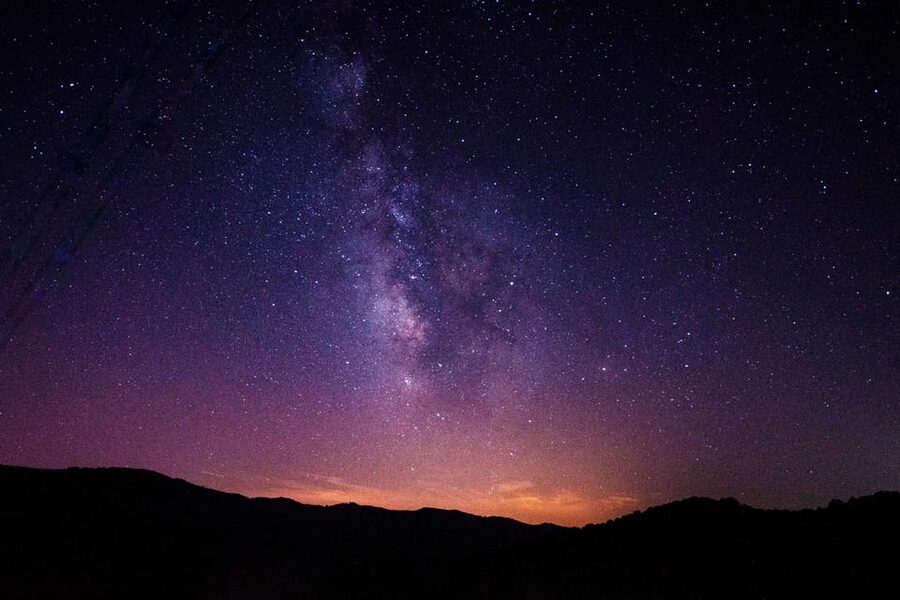
Calderón Hondo is a fine place to look at the stars because you are not simply parked beside a road. You walk up into the crater of Fuerteventura’s last active volcano, with black volcanic ground under your shoes and the Milky Way overhead. The contrast is the point: ancient fire below, cold stars above.
I like the way the tour combines volcanic geology and astronomy, rather than treating stargazing as a silent session with a telescope. I also like the guides’ personal touch. Victor, the guide most often named, uses humor, a laser pointer, and a tablet app to explain constellations, planets, island customs, and the role of the sky in local life.
The main caution is simple: clouds can spoil the stars, and no refund is given just because the sky is covered. The walk is also rocky, with a short steeper section, so this is not a good pick for anyone afraid of heights, dealing with mobility problems, or looking for a fully relaxed evening.
Key Points at a Glance
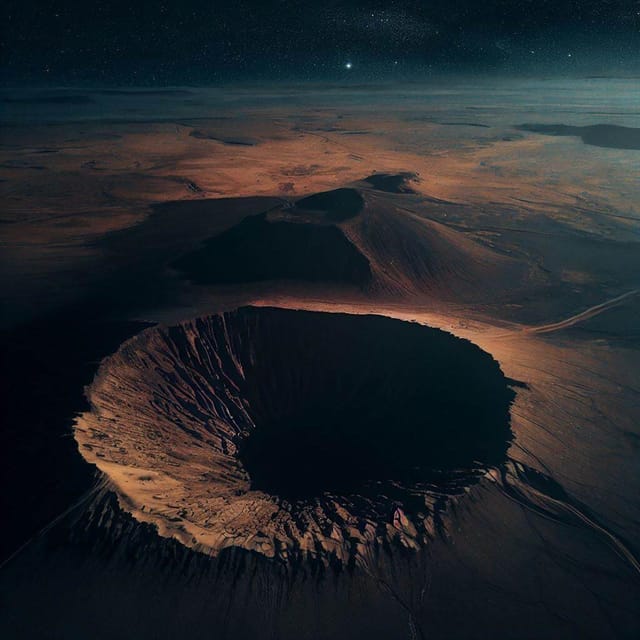
- A volcano after dark: Walk to the rim and look into Calderón Hondo’s crater under headlamp.
- A lively guide: Victor is praised for clear explanations, good humor, and keeping mixed-language groups involved.
- Real stargazing: On a clear night, you may see the Milky Way, planets, satellites, and several constellations with the naked eye.
- Wide island views: From the volcano, you can look toward Lajares, the Corralejo dunes, and Lanzarote.
- Useful transport option: Bus pickup is available from Corralejo, El Cotillo, and Puerto del Rosario when you select the transfer option.
- Weather matters: Book at least three days ahead so the operator can check conditions, but stars are never guaranteed.
Why Calderón Hondo Works So Well at Night
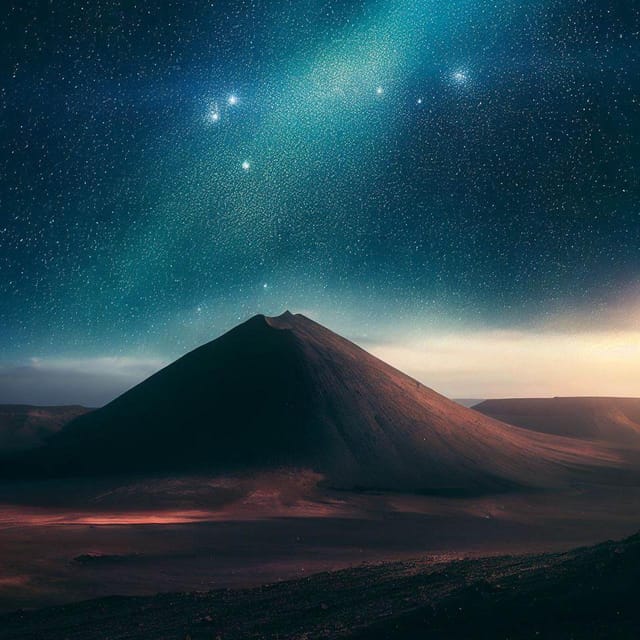
Fuerteventura is known for open spaces, dry volcanic terrain, and relatively dark skies. Calderón Hondo gives you a memorable setting for that darkness. Instead of watching stars from a resort terrace, you are up on a volcano with the island spread out around you.
The crater adds drama, but the experience is not built around a long technical hike. The complete activity lasts about three hours, including transport when selected, the walk, explanations, and time beneath the sky. You climb toward the crater edge around dusk or after sunset, then move to a clearer, flatter spot for astronomy.
That order matters. In the fading light, you can still take in the shape of the volcano and the surrounding countryside. Once darkness arrives, the guide can shift your attention from the ground to the sky. It feels like two linked excursions rather than one activity with a few facts added on.
The views are another strong reason to come. From the upper area, you can look toward Lajares, the dunes near Corralejo, and Lanzarote. The exact visibility depends on cloud, haze, and darkness, but the setting gives you plenty to see even before the first constellation appears.
A few other Fuerteventura outings to compare
- Fuerteventura: Tapas and Local Life Guided Tour
★ 4.9 · 407 reviews - Fuerteventura: Corralejo Sand Dunes Guided Shore Excursion
★ 4.6 · 335 reviews - Barcelona: Sagrada Familia Entry Ticket with Audio Guide
★ 4.6 · 105,312 reviews
The Walk to Calderón Hondo’s Crater
The evening begins with a meeting at the Repsol h2go service station if you are making your own way there. If you select the transfer option, pickup and drop-off are available from Corralejo, El Cotillo, and Puerto del Rosario. The exact timing is sent by email 24 hours before the activity because sunset times and pickup locations affect the schedule.
The walk is part of the experience, not just a way to reach the stargazing site. You follow the guide toward the volcano while learning about Fuerteventura’s formation, its volcanic terrain, and the forces that shaped the island. In the remaining light, you can see the land more clearly than you could later in the evening.
Bring proper shoes. The route is rocky, and one part is a little steep. Closed-toe shoes are required, and comfortable footwear will make a real difference. This is not the place for smooth-soled sandals or casual beach shoes.
Headlights are provided, but you still need to watch your footing. Darkness makes the route feel more adventurous, yet it also means the walk demands attention. If you are uncomfortable on uneven ground or nervous around heights, think carefully before booking. The activity is specifically unsuitable for people afraid of heights and for anyone over 65 according to the stated restrictions.
At the crater rim, the view changes. You can look down into the volcanic bowl and out across the island. The darkness removes many ordinary distractions, so the crater can feel surprisingly quiet. It is a good moment for photographs, but keep your attention on the ground and the guide’s safety instructions as well.
What You Learn About Fire and the Sky
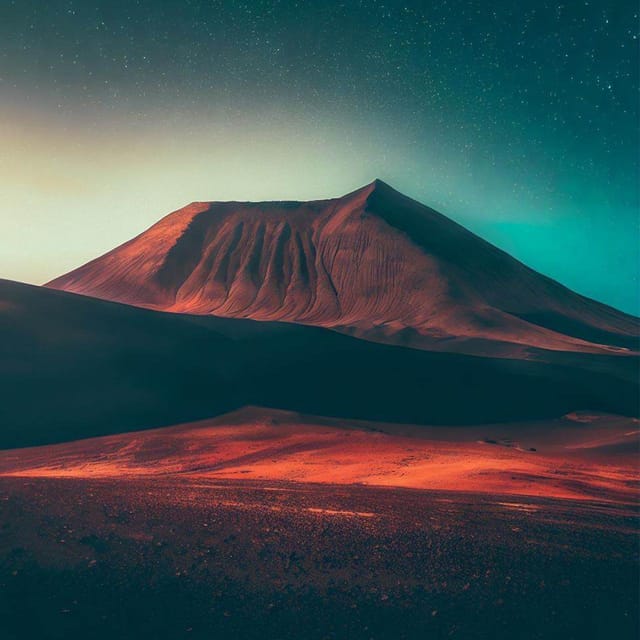
The guide does more than name stars. You hear about the importance of fire and the sky in the traditions of Fuerteventura’s native inhabitants, including how the heavens helped people understand seasons and time. That cultural layer gives the stargazing a local purpose.
I find this more rewarding than a standard constellation talk. You are not only told that a group of stars is Orion or that a bright point is a planet. You are also shown how people living on the island looked to the sky for meaning and practical clues.
The geology section works in the same way. Calderón Hondo is not treated as a scenic backdrop. You learn how volcanic activity shaped the island and why this crater matters as the last active volcano on Fuerteventura. The combination of geology, folklore, and astronomy keeps the evening varied.
Guides such as Victor are a large part of the appeal. He has been praised for making people feel comfortable, explaining ideas in English, Spanish, and Italian, and keeping the mood light without losing the educational side. The minibus ride can also become part of the evening, with jokes, island facts, and music helping the group get acquainted.
That friendly style is useful in a mixed group. You may be sharing the bus with couples, families, solo visitors, and people speaking different languages. A warm guide helps the activity feel social rather than formal.
The Astronomy Session Beneath the Milky Way
After the volcano visit, the guide takes you to a clearer area for the main astronomy session. This is where you settle in, look upward, and let your eyes adjust to the darkness.
The guide uses a laser pointer to identify stars and planets. A tablet app helps show complete constellations before you locate them in the real sky. That two-step method is particularly helpful if you know little about astronomy. The app gives you a map, while the pointer helps you connect the map to the actual stars above you.
On a clear night, the list of possible sights is impressive. You may see the Milky Way, several constellations, bright planets, and satellites moving across the sky. One evening included Saturn and Jupiter, while another offered a view of the Moon through a telescope. Those extras are not promised as part of every session, so consider them fortunate additions rather than guaranteed features.
The moon also affects the view. Strong moonlight can wash out some of the fainter stars, though it does not prevent all constellation spotting. Cloud cover is the bigger concern. Some evenings offer only short breaks, while others reveal a broad band of the Milky Way.
The guides handle poor conditions by explaining what can and cannot be seen, then using clear patches when they appear. That makes the session worthwhile even on an imperfect night, but you should still book with realistic expectations. This is a stargazing tour, not a guaranteed astronomical display.
You should also bring a jacket or coat. Fuerteventura can feel cold and windy at night, especially when you are standing still on an exposed volcano. Water is included, but food is not, so eat before the activity if you expect to be hungry.
Same city, a completely different evening:
- Morro Jable: Dolphin & Whale Watching Cruise, Drinks & Swim
★ 4.1 · 4,158 reviews - From Morro Jable: Dolphin and Whale Watching and Snorkelling
★ 4.6 · 3,111 reviews - Fuerteventura: Cofete Beach Jeep Safari
★ 4.5 · 1,644 reviews - Fuerteventura: Lobos Island Round-Trip Speedboat Ticket
★ 4.8 · 1,473 reviews
How Much Value Do You Get for $53?
At $53 per person, this is not the cheapest way to spend an evening on Fuerteventura. The value comes from combining several elements that would be difficult to organize smoothly on your own: access to the volcano at night, a guided walk, astronomy instruction, local culture, safety support, and optional transport.
If you already have a hire car, you can choose the option without transfer. But driving toward a dark volcanic site, finding the meeting point, walking safely at night, and identifying stars without help will not offer the same ease. One useful tip from the experience is that the transfer can be worth paying for even if you have a car, since the route may be tricky and the guide’s commentary begins on the minibus.
For families, couples, and solo visitors, the guided format also has social value. Children aged 11 and 14 have enjoyed the mix of walking, crater views, and stars, and younger school-age children have also joined successfully. The stated restrictions exclude babies under one year, people over 65, and cruise ship guests, so check the rules carefully before booking.
I would call the price fair if you want an organized night out with real content. It is less appealing if your main goal is simply to see stars for an hour, or if you are comfortable arranging your own visit and already understand the night sky.
Weather Is the Big Variable
You need to book at least three days ahead so the operator can check the weather. That does not mean the forecast will be perfect on the night, and it does not guarantee a clear sky. The activity does not offer a refund if stars are hidden by clouds.
This policy makes the timing of your booking important. If stargazing is the main reason for joining, avoid booking it on the final night of your holiday. Give yourself another evening in case the sky is disappointing and you want to try independent stargazing later.
Cloud is not always an absolute failure. A number of evenings have begun under thick cover, then opened enough to reveal constellations or the Milky Way. A good guide can fill gaps with volcano facts, mythology, and island stories, but no guide can make stars appear through solid cloud.
Think of the experience as a volcano and astronomy tour with variable sky conditions. On a clear night, the stars may become the highlight of your holiday. On a cloudy night, you can still get the crater, the views, the walk, and the cultural explanations, but the central promise is only partly delivered.
Who Will Enjoy This Evening Most?
This tour fits you best if you like unusual excursions, open-air scenery, and learning a little as you go. It is especially good for couples seeking a memorable night, families with older children, and solo visitors who prefer a guided activity to heading into the countryside alone.
It also works well for people who know almost nothing about astronomy. The laser pointer and tablet make the sky easier to understand, and the explanations connect the stars to local traditions instead of turning the session into a technical lecture.
You should skip it if you need smooth paths, guaranteed clear skies, or a warm indoor setting. The walk is rocky, the crater area can be windy, and the activity involves darkness and some height. Comfortable closed-toe shoes are not optional in practical terms.
The language choice is useful for international groups. Tours are offered in English, Italian, and Spanish, though the exact balance of languages may depend on the group and guide. Victor is particularly good at moving between languages and keeping everyone included.
Booking and Practical Advice
Select the transfer option if you are staying in Corralejo, El Cotillo, or Puerto del Rosario and do not want to drive at night. If you arrange your own transport, the meeting point is the Repsol h2go service station.
Watch for the final email. The displayed time may change with the season and your pickup location, and the exact start time is confirmed 24 hours before the activity. Plan to keep the evening flexible rather than scheduling a late dinner immediately afterward.
Wear closed-toe walking shoes, bring a warm jacket, and carry only what you can manage comfortably on a rocky path. Water is included. Food is not.
The activity offers free cancellation up to 24 hours before the start, with a full refund, and you can reserve now while paying later. Those options help if your weather plans are uncertain, but they do not remove the risk of cloudy skies after the cancellation deadline.
Should You Book Calderón Hondo at Night?
I would book this tour if you want Fuerteventura to feel like more than beaches and resort streets. The combination of a volcanic crater, island folklore, wide views, and a real attempt to read the night sky gives the evening a strong sense of place.
The guide is central to the experience, and Victor’s humor, care, and astronomy knowledge have made the tour especially enjoyable for many groups. Alfredo has also led sessions, so the style may vary by date, but the format remains focused on geology, culture, and the stars.
Book it early in your stay, check the forecast, and accept that clouds are part of the deal. If you have steady footing, a warm jacket, and a bit of curiosity, this is one of the more distinctive ways to spend three hours on Fuerteventura. If you need guaranteed stars or easy access, choose a simpler evening activity instead.
FAQ
How long does the Calderón Hondo stargazing tour last?
The stated duration is three hours. The total time may vary depending on your pickup location.
Where is the meeting point?
The meeting point is the Repsol h2go service station. Pickup and drop-off by bus are available from Corralejo, El Cotillo, and Puerto del Rosario when you select the transfer option.
Which languages are available?
The live tour guide service is available in English, Italian, and Spanish.
What should I wear?
Wear comfortable closed-toe shoes and bring a jacket or coat. The route is rocky, and the volcano can feel cold and windy after dark.
Are headlights provided?
Yes. Headlights are included, along with water and the guided tour.
Is food included?
No. Food is not included, so eat before the activity if you expect to need a meal.
Can I get a refund if clouds hide the stars?
You can cancel up to 24 hours in advance for a full refund. However, a refund is not provided if the stars are not visible because of weather during the tour.
Recently added in Fuerteventura
- Fuerteventura: Introduction to Scuba Diving★ 4.9 · 298 reviews
- Fuerteventura: North of Fuerteventura for Cruise Passengers★ 4.6 · 316 reviews
- Fuerteventura: Corralejo Sand Dunes Guided Shore Excursion★ 4.6 · 335 reviews
- Lezioni di Surf per Beginner e Intermedi (6 persone a istruttore)★ 5.0 · 350 reviews
- Fuerteventura South Exclusive Tour★ 5.0 · 401 reviews
- Fuerteventura: Tapas and Local Life Guided Tour★ 4.9 · 407 reviews
- From Morro Jable: Jet Ski Adventure Tour (without license)★ 4.7 · 423 reviews
- Fuerteventura North Exclusive Tour★ 5.0 · 436 reviews
Fuerteventura Tours, compared.
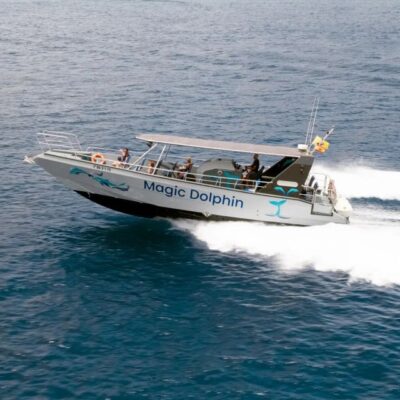
Morro Jable: Dolphin & Whale Watching Cruise, Drinks & Swim
Read the review →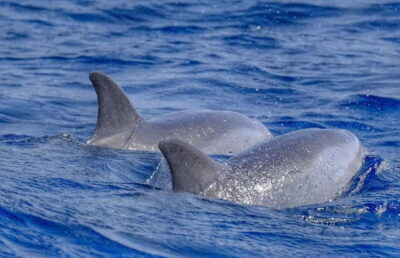
From Morro Jable: Dolphin and Whale Watching and Snorkelling
Read the review →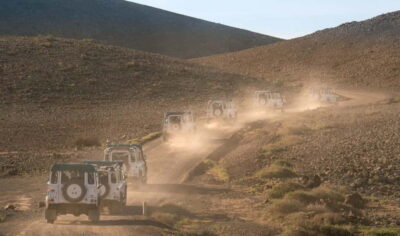
Browse the lists this tour appears in