
Reviewed · FUERTEVENTURA TOURS
From Fuerteventura: Lanzarote Volcano and Wine Region Tour
Timanfaya is the star here: a vast field of black volcanic cones, red earth, and smoking geothermal heat that can make you feel as if you have landed on Mars. You see the park from the coach and at short demonstration stops, then continue to Lanzarote’s unusual vineyards and the bright green lagoon at Charco de los Clicos.
I like the easy ferry-and-coach arrangement, which saves you from hiring a car and figuring out Lanzarote’s roads and park access. I also like the sharp contrast between the fire-blackened soil of Timanfaya, the carefully shaped vineyards of La Geria, and the green water at El Golfo. The main drawback is time: this is a packed seven-hour outing, and the wine stop and lagoon can feel brief.
Key points to know
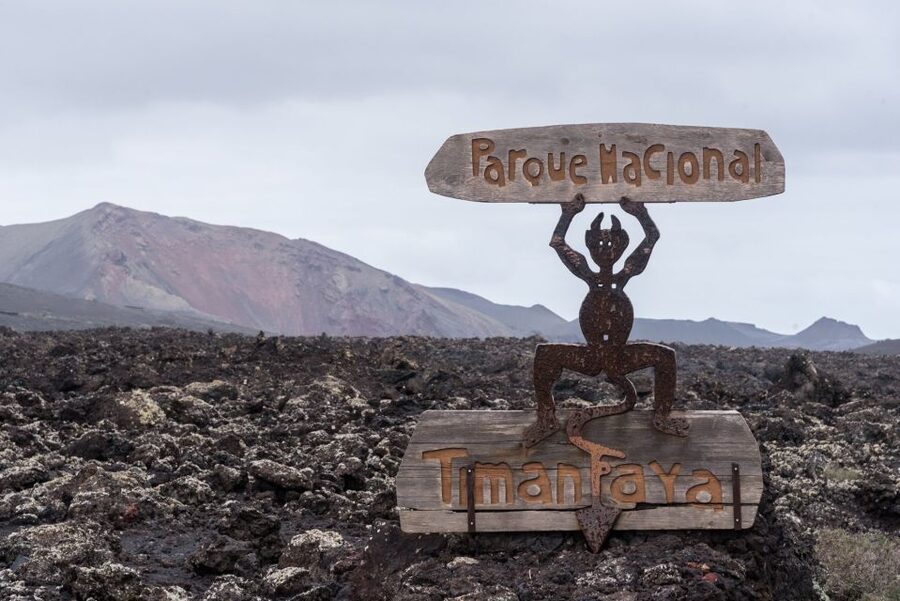
- Timanfaya is the main event: Expect geothermal demonstrations and a scenic coach circuit rather than a long hike through the national park.
- La Geria is genuinely unusual: Vines grow in circular hollows dug into black volcanic ash, a clever answer to Lanzarote’s dry, windy conditions.
- The ferry is included: The crossing from Corralejo to Playa Blanca takes about 30 minutes each way.
- The aloe vera stop is part museum, part shop: You receive an explanation of the plant, followed by time to browse products.
- Lunch is not included: Food may be available near the wine stop, but choice and price can vary.
- Bring identification: You need a valid passport or ID card to cross between the Canary Islands.
Why Timanfaya deserves the day
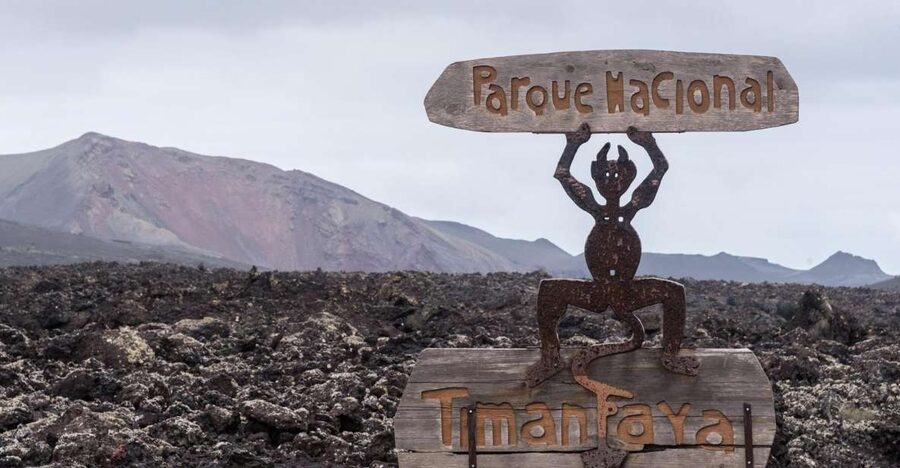
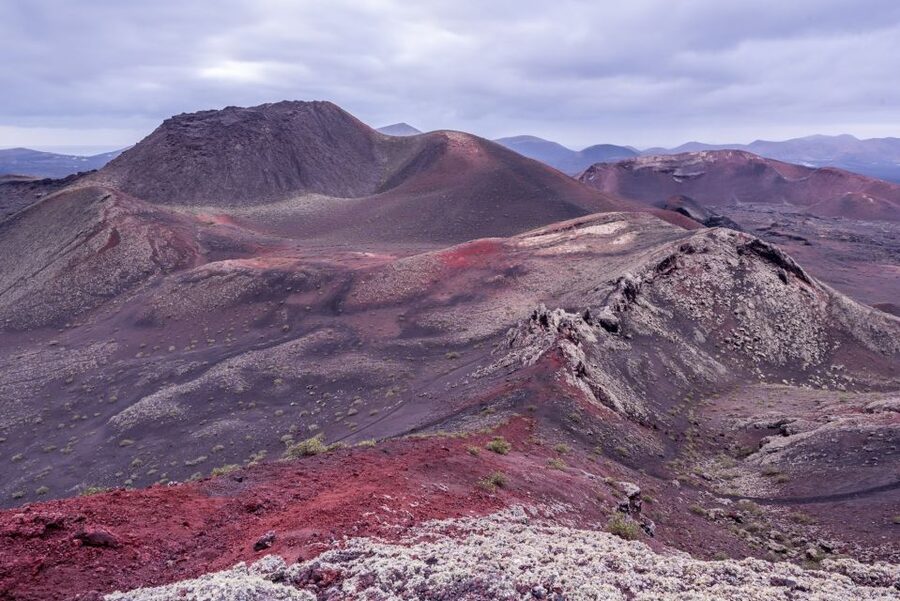
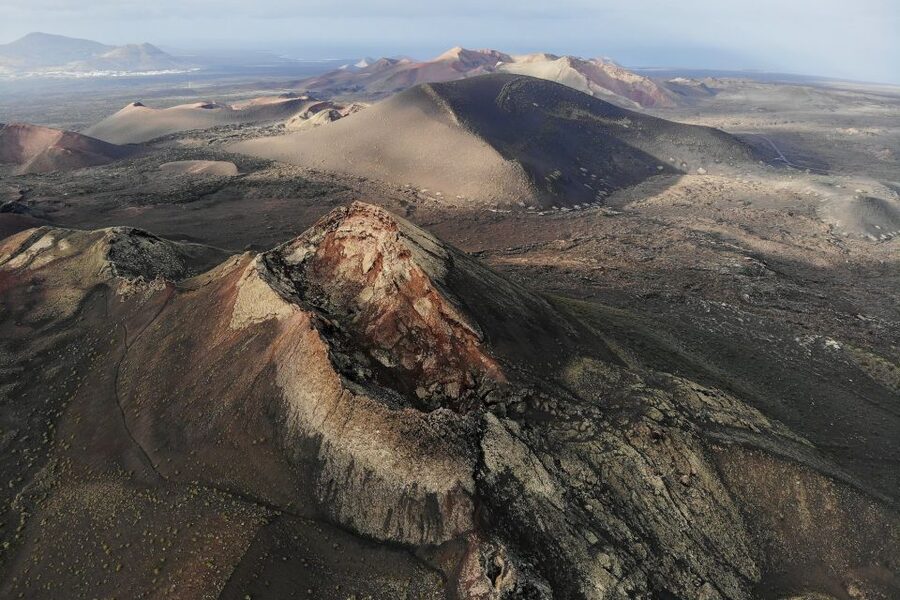
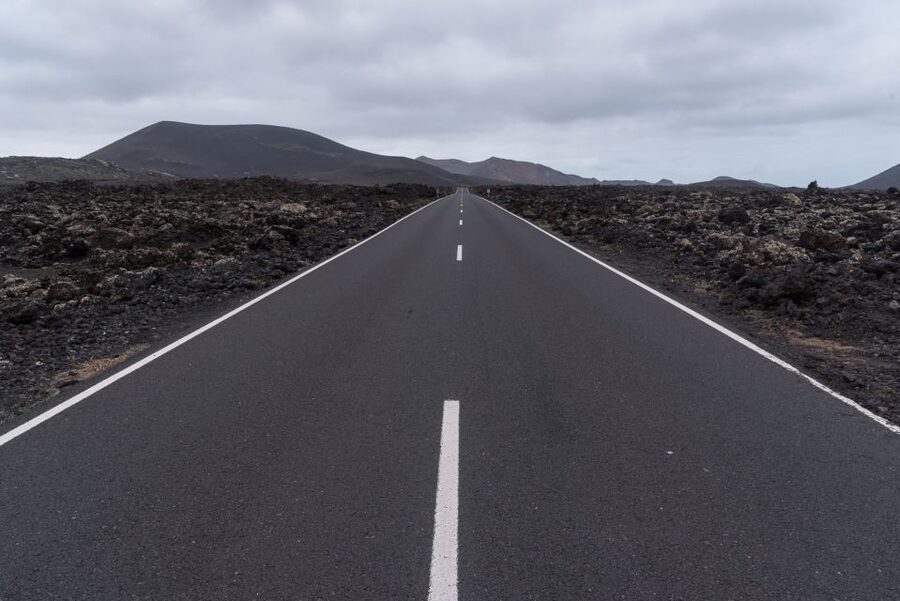
The volcanic southwest of Lanzarote is unlike anything you see on neighboring Fuerteventura. Timanfaya National Park is made up of dark lava fields, cinder cones, ridges, and red, ochre, and charcoal-colored earth. Vegetation is sparse, which gives the area its stark, otherworldly look.
The tour’s park visit lasts about an hour and a half. It is not a walking expedition. Much of the experience comes from the coach route across the volcanic area, with additional stops where staff demonstrate the heat still present below the surface.
You may see demonstrations involving hot ground, steam, or other geothermal effects. These are short, visual, and easy to understand, but the coach portion is the real scenic payoff. Sit on the side with the clearest view when you board, and keep your camera ready because the road curves through some extraordinary volcanic formations.
This arrangement has a clear advantage. Timanfaya access is controlled, and a guided coach visit is a practical way to see the park without worrying about parking, directions, or missing the return ferry. The trade-off is that most of the park passes by your window. If you want long walks among the volcanoes, this is not the right format.
The guide adds useful context about the eruptions, the unusual colors, and the way the island has adapted to its harsh ground. Guides such as Claudia, Anna, and Nieves have been praised for keeping the day moving while explaining the sights in several languages. Commentary can become rushed when English, Spanish, Italian, French, or German groups are handled together, so do not expect a quiet, single-language lecture on every stretch of road.
A few other Fuerteventura outings to compare
- Morro Jable: Dolphin & Whale Watching Cruise, Drinks & Swim
★ 4.1 · 4,158 reviews - From Morro Jable: Dolphin and Whale Watching and Snorkelling
★ 4.6 · 3,111 reviews - Fuerteventura: Cofete Beach Jeep Safari
★ 4.5 · 1,644 reviews
The Corralejo to Playa Blanca ferry
The day begins with pickup from a meeting point near your accommodation in Corralejo or Castillo and Caleta de Fuste. Listed meeting points include the Corralejo bus station, Lineas Romero in Corralejo, the Atlanticó shopping centre, Barceló Fuerteventura Thalasso Spa, and several Caleta de Fuste-area stops.
Pickup details are confirmed after you provide your accommodation information. This matters because the tour does not collect from every hotel entrance. Check your meeting point carefully, and allow a little extra time in case the transfer runs behind schedule.
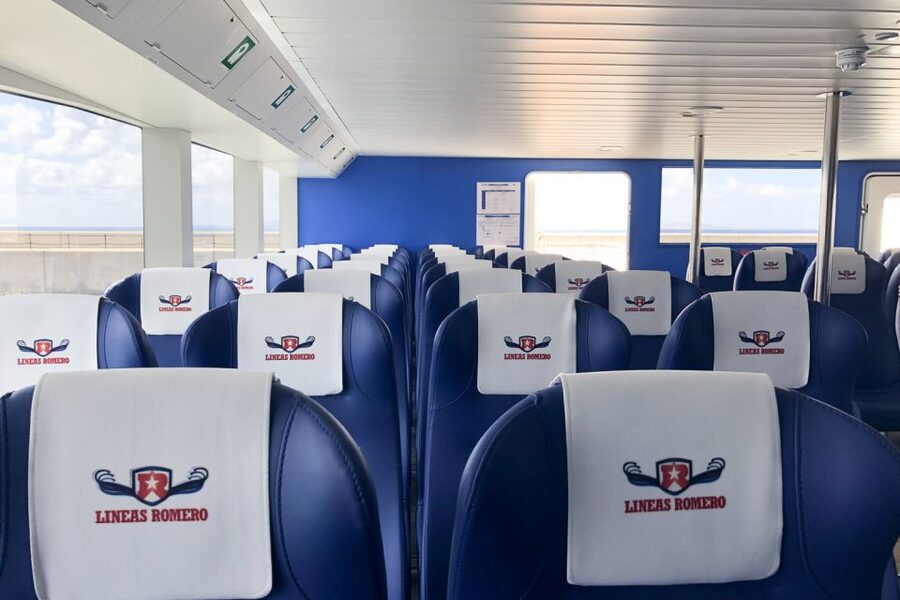
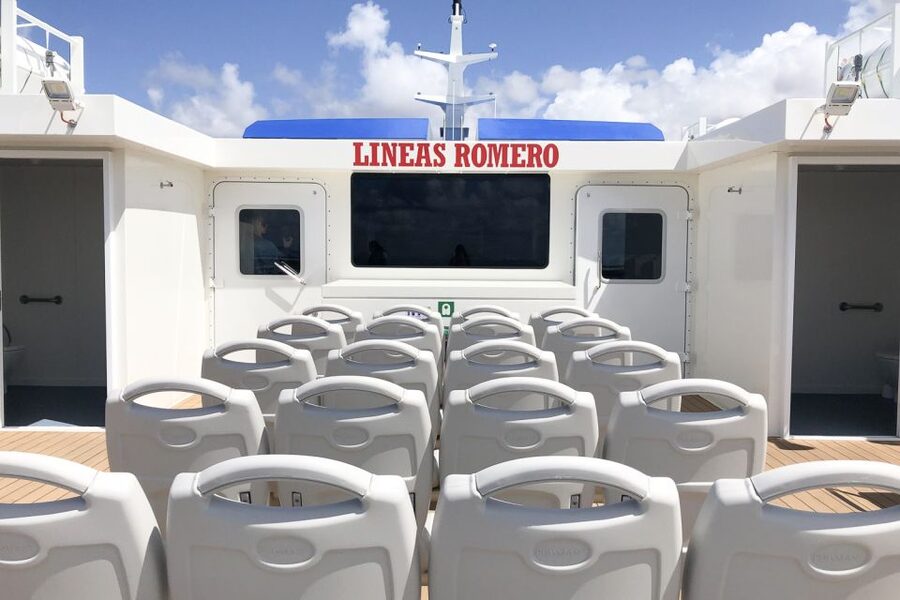
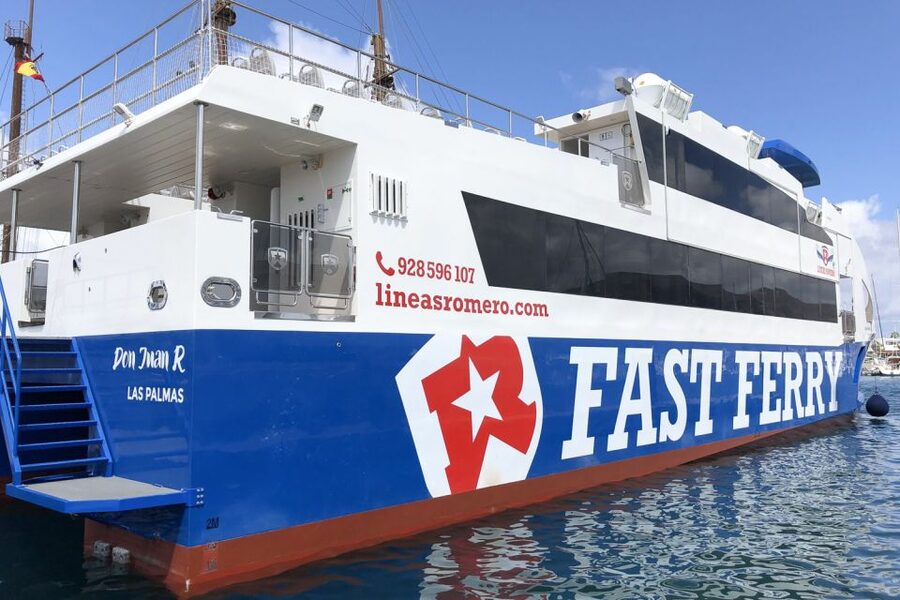
From Corralejo, the express ferry crosses to Playa Blanca in about 30 minutes. The open-air upper deck is the place to feel the sea air and watch Fuerteventura recede, though the crossing can be choppy. If you suffer from motion sickness, take that seriously: you have a ferry ride in each direction, followed by a full coach day.
Once you reach Playa Blanca, a guide meets the group and directs you to an air-conditioned coach. The transfer is efficient, but this is a large organized excursion rather than a small private outing. Groups can fill more than one coach and may be divided by language.
The ferry is a useful part of the price. A return crossing bought separately, plus transport around Lanzarote and entry to Timanfaya, would take more planning. At $98 per person, the package makes sense if you want a broad first look at Lanzarote in one day.
A closer look at the Timanfaya visit
The coach ride from Playa Blanca to the park takes roughly 30 minutes. This is when the scenery begins to change from resort towns and roads to volcanic ground. Your guide will typically explain what you are seeing before the park circuit and point out features that are easy to miss from the window.
The geothermal demonstrations are memorable because they make the volcano feel active rather than merely old. Heat close beneath the surface can turn a calm scenic stop into a quick lesson in the island’s geology.
The park road is the most rewarding part of the outing, but it is also where the schedule can feel tight. You have time to see the major sights, not to wander at your own pace. Some people also hope to visit the park shop or spend longer at the viewpoints, but the coach must keep to its timetable.
The scenery is so strong that even a window-based visit works well for a first trip. If Timanfaya is your main reason for booking, you will probably feel the day is worthwhile even if the later commercial stops are less compelling.
La Geria and Lanzarote’s ash-covered vines
After Timanfaya, the coach heads toward La Geria, Lanzarote’s famous wine-growing area. The drive takes about 15 minutes, and the change is striking. Instead of abandoned lava and raw volcanic cones, you see rows of carefully shaped planting hollows spread across black soil.
Each vine grows in a round depression, often protected by a low stone wall. The ash helps retain moisture, while the walls shelter the plant from the island’s wind. It is a simple-looking system that requires considerable work and gives La Geria its distinctive pattern.
This is one of the most interesting stops because it shows how local farming works with volcanic ground instead of trying to replace it. The vineyards are not lush in the usual sense. Their beauty comes from the repeated circles, the black ash, and the distant volcanic ridges.
The wine tasting is included, but keep your expectations modest. In practice, the sample may be a very small glass, sometimes closer to a shot than a full tasting pour. You may be offered one wine, or a choice of two, depending on how the stop is organized. Extra glasses and bottles can generally be bought, but the included tasting is not a full winery education.
Some departures allow time for food at a nearby wine-region restaurant or for small tapas and pintxos. Lunch is not included, and the available restaurant may have limited choices or feel expensive for the portion. Bring snacks and water so you are not forced to buy a meal when the schedule is tight.
I would like to see more time devoted to La Geria. The setting deserves a proper explanation of the growing method, a slower look at the vines, and a more generous tasting. As offered, it is best understood as a scenic wine stop with a sample, not a full vineyard tour.
Same city, a completely different evening:
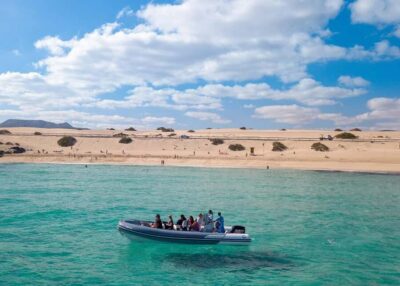
- Fuerteventura: Lobos Island Round-Trip Speedboat Ticket
★ 4.8 · 1,473 reviews - Fuerteventura: Glass Bottom Boat Cruise with Lunch & Drinks
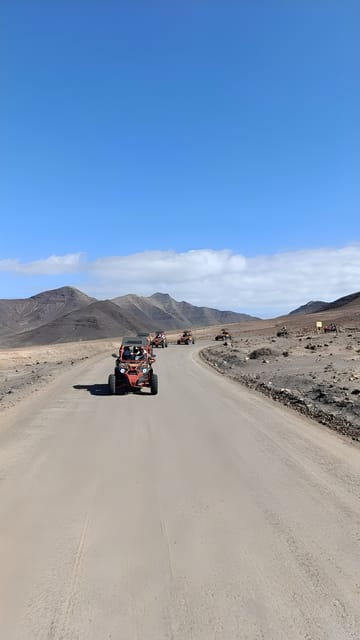
★ 4.4 · 1,317 reviews - Fuerteventura: Jandía Natural Park & The Puertito Buggy Tour
★ 4.3 · 1,263 reviews - Corralejo: Buggy Safari Tour
★ 4.6 · 1,174 reviews
The aloe vera museum and shop
The aloe vera stop is a change of pace after the volcanoes and vineyards. You learn about the local crop and its commonly promoted health and skin-care uses, then have time to look at aloe products.
The stop is free to enter, but it is important to know what kind of place this is. It is not a traditional museum with a large collection or an extended historical exhibit. It works more like a short presentation followed by a shop.
Some guides and staff keep the visit light and entertaining, while the sales approach may feel too strong for some people. You are not required to buy anything, and you can treat the stop as a quick educational break. If you are interested in aloe products, it gives you a chance to compare items and take something home. If your priority is nature, you may wish this 30-minute stop were replaced with extra time at the volcanoes or lagoon.
This is the weakest match for the tour’s headline attractions. It does, however, give passengers a place to stretch their legs, use the facilities, and browse local products before the final coastal stop.
Charco de los Clicos and El Golfo
The last major sightseeing stop is Charco de los Clicos, also called El Lago Verde. This green lagoon sits beside dark volcanic ground and dramatic cliffs on Lanzarote’s south coast. The color contrast is the reason people come: green water, black earth, and the deep blue sea nearby create one of the day’s best photo scenes.
You receive about an hour here for a short walk, sightseeing, and photographs. The viewpoint gives you the main impression quickly, but the time can still feel short if you want to explore slowly or study the cliffs.
The lagoon is one of the places where weather changes the mood of the visit. Sun brings out stronger color, while cloud, wind, or rain can make the coast feel more severe and dramatic. The itinerary can also change if weather conditions affect roads, ferry operations, or access.
I would protect this stop if the schedule were being adjusted. It offers a different experience from Timanfaya and La Geria, and it is more rewarding for independent viewing than the aloe shop. Still, this is a photo and short-walk visit, not a long coastal hike.
What the seven-hour schedule feels like
Seven hours sounds generous until you count the two ferry crossings, transfers, park circuit, and several stops. The advertised sequence includes about 30 minutes on the ferry, 30 minutes by coach to Timanfaya, 90 minutes in the park, 15 minutes to La Geria, an hour in the wine region, 20 minutes to El Golfo, an hour at the lagoon, and the return journey.
That leaves little room for delays, lunch, shopping, or unplanned stops. The operation is generally punctual, and the coach and ferry are comfortable, but you should expect a full day with frequent transitions.
The biggest benefit is convenience. You do not need to rent a car, navigate Lanzarote, arrange ferry tickets, or work out how to reach Timanfaya. Your guide and driver manage the route, and the return transfer to your resort is available according to the booking.
The cost is fair for someone who wants the main sights in one outing. The ferry, national park entry, coach, pickup, guide, and wine tasting are included. The value drops if you dislike large groups, commercial stops, or sightseeing through a coach window.
Drivers are an important part of this excursion because the roads around the volcanic areas are winding and the schedule is tight. Guides and drivers such as Jimmy and William have been singled out for careful driving and clear organization. Even so, language groups can make the commentary less focused, especially when several languages are used during the same day.
Who should book this Lanzarote day trip?
I would recommend it to you if you are staying in Fuerteventura and have only one spare day for Lanzarote. It is especially useful for first-time visitors who want Timanfaya without the work of planning a self-drive route.
It also suits families and couples who prefer a structured day. The included transport removes much of the stress, and the mix of volcanoes, vineyards, a coast stop, and local products keeps the day varied.
You may prefer another option if you want a relaxed winery visit, a serious tasting, long walks, or time to linger at viewpoints. Independent drivers could spend longer in Timanfaya and La Geria, though they would need to arrange ferry travel and manage the park visit themselves.
The tour is not suitable for wheelchair users or people with mobility impairments, and it is a poor choice if ferry motion makes you ill. Children under the stated conditions must not travel unaccompanied. Bring a passport or ID card, food, and drinks. Glass objects are not allowed.
Should you book it?
Book this excursion if your priority is seeing Timanfaya efficiently and adding several other Lanzarote sights without renting a car. The volcanic park alone gives the trip a strong reason to go, and the ferry is already built into the price.
Skip it if the wine experience is your main goal, or if you dislike shopping-oriented stops. The best version of this day is to treat La Geria as a quick introduction rather than a full tasting, pack your own food, and use the free time at Charco de los Clicos for photographs and a short walk.
For most people based in Corralejo or Caleta de Fuste, this is a practical first taste of southern Lanzarote. It is busy, sometimes rushed, and not especially intimate, but it covers a remarkable amount of ground for a single day.
FAQ
How long does the tour last?
The full experience lasts about seven hours, including the ferry crossings, coach journeys, sightseeing stops, and return transfer.
Where does the ferry leave from?
The tour uses the ferry from Corralejo in Fuerteventura to Playa Blanca in Lanzarote. Each crossing takes about 30 minutes.
Is the ferry ticket included?
Yes. The return ferry crossing between Fuerteventura and Lanzarote is included in the price.
Is pickup available from my hotel?
Pickup is available from the nearest meeting point to accommodation in Corralejo and Castillo or Caleta de Fuste. The exact time and location are confirmed after you provide your accommodation details.
What languages are available?
The tour is guaranteed in English. Spanish, French, German, and Italian may be offered when at least eight people request the same language.
Is lunch included?
No. Lunch is not included. Bring food and drinks, or buy food during the stop near the wine region if options are available.
Can I walk through Timanfaya National Park?
The main Timanfaya visit is a guided coach tour with short sightseeing and geothermal demonstration stops. It is not designed as a long walking tour through the park.
What identification do I need?
You need a valid passport or ID card to travel between the Canary Islands.
Is the tour suitable for wheelchair users or people with mobility impairments?
No. The activity is listed as unsuitable for wheelchair users and people with mobility impairments. It is also not recommended for people with motion sickness.
Recently added in Fuerteventura
- Fuerteventura: Round-Trip or 1-Way Ferry Ticket to Lanzarote★ 4.7 · 176 reviews
- Las Palmas: Fuerteventura Cofete Beach and Desert Safari★ 4.5 · 178 reviews
- Return Ferry to Lobos Island from Corralejo, Fuerteventura★ 4.5 · 178 reviews
- Fuerteventura : Corralejo Surf Lesson★ 4.7 · 186 reviews
- Fuerteventura: Calderón Hondo Volcano Tour★ 4.7 · 188 reviews
- From Corralejo: Fuerteventura Guided E-Bike/E-scooter Tour★ 4.8 · 191 reviews
- Lobos Island Half-Day Sailing Tour with Lunch★ 5.0 · 192 reviews
- Surf Beginner Course★ 5.0 · 196 reviews
Fuerteventura Tours, compared.
Morro Jable: Dolphin & Whale Watching Cruise, Drinks & Swim
Read the review →
From Morro Jable: Dolphin and Whale Watching and Snorkelling
Read the review →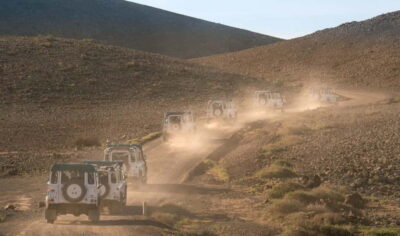
Sailing with Snorkeling and Dolphin Watching
Read the review →Browse the lists this tour appears in