

Reviewed · FULL-DAY
From Seville: Pueblos Blancos and Ronda Full-Day Trip
Ronda is the headline, but the road there is half the pleasure. This 10-hour trip from Seville crosses mountain passes, whitewashed villages, olive groves, cork forests, and the dramatic cliffs of southern Andalusia. You get a useful taste of the countryside without arranging a car.
I like the well-balanced schedule, with guided visits, scenic drives, and about two and a half hours in Ronda. I also like the olive oil stop, which turns a pretty drive into a more local experience. The catch is simple: this is a long day, and the mountain roads plus several stops can feel rushed in hot weather.
Key points to know before booking
- Ronda gets the longest stop: You have about 2.5 hours for the New Bridge, cliff views, lunch, and independent exploring.
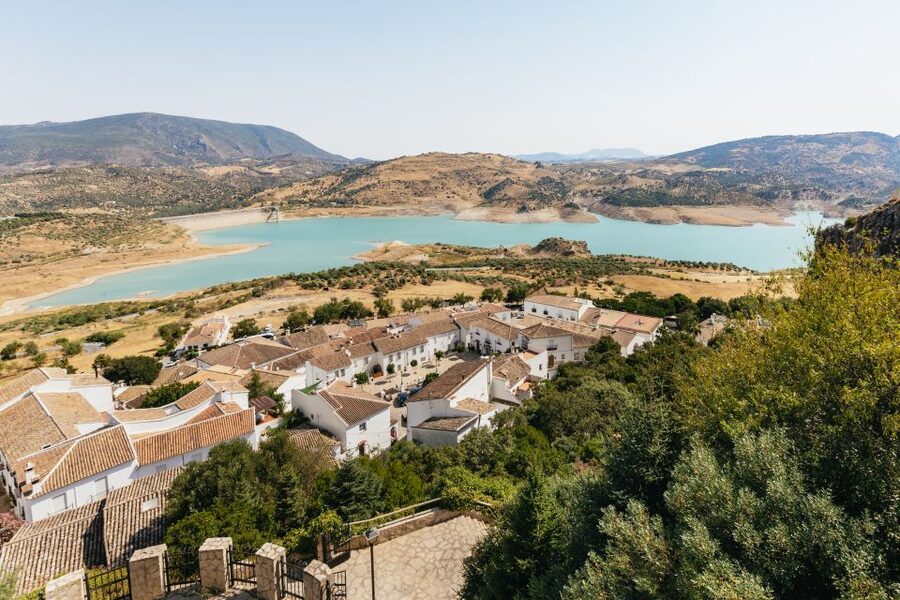
- The white villages are part of the appeal: Zahara de la Sierra and Grazalema show a slower, mountain side of Andalusia.
- The olive oil factory adds local flavor: You see how olives are mechanically pressed and taste two types of oil.
- The coach ride is scenic but winding: The driver handles narrow mountain roads, while the trip includes several stretches of 30 to 105 minutes.
- Guides make a real difference: Guides such as Antonio, Laura, Driss, Luis, Daniela, and Benoit have been praised for clear explanations, humor, and practical tips.
- Lunch is not included: You choose and pay for your own meal, with Grazalema or Ronda as the main opportunities.
Why this Seville day trip works
Seville gives you grand plazas, tiled palaces, and busy tapas streets. This outing shows you a different Andalusia, one built around mountain villages, livestock, olive oil, and dramatic views. For many people, it is the easiest way to reach Ronda without renting a car and managing unfamiliar roads.
At $52 per person, the price is strong for a full day with round-trip transportation and a live guide. You are paying for a shared coach, not a private car or a small custom tour, but the route covers three major stops and a useful amount of countryside. A private excursion would cost much more.
The trip usually begins from one of three Seville meeting points: Calle Rastro 12a, Hotel Don Paco, or Calle Trajano 6. Check your booking carefully because the pickup point depends on the option you choose. The return uses the same three locations.
The coach is described as clean, comfortable, and air-conditioned. That matters in summer, when temperatures can reach 40 degrees Celsius. The bus may be fairly large, and one practical limitation is that at least one coach used for the trip had no bathroom. The schedule includes stops, but I would still use the facilities whenever you have the chance.
A few other Seville outings to compare
- From Seville: Full-Day Aracena & Rio Tinto Mines Tour
★ 4.5 · 430 reviews - From Seville: Cordoba Full-Day Tour with Tickets Included
★ 4.5 · 258 reviews - Toledo Half or Full Day Tour with Optional Lunch from Madrid
★ 4.5 · 5,807 reviews
Crossing Andalusia toward Zahara de la Sierra
The first drive can take about 105 minutes. That sounds long on paper, but it gives your guide time to set the scene. The route passes through open countryside and toward the old frontier country of Andalusia, where castles and hill towns recall the centuries when Christian and Muslim kingdoms contested this region.
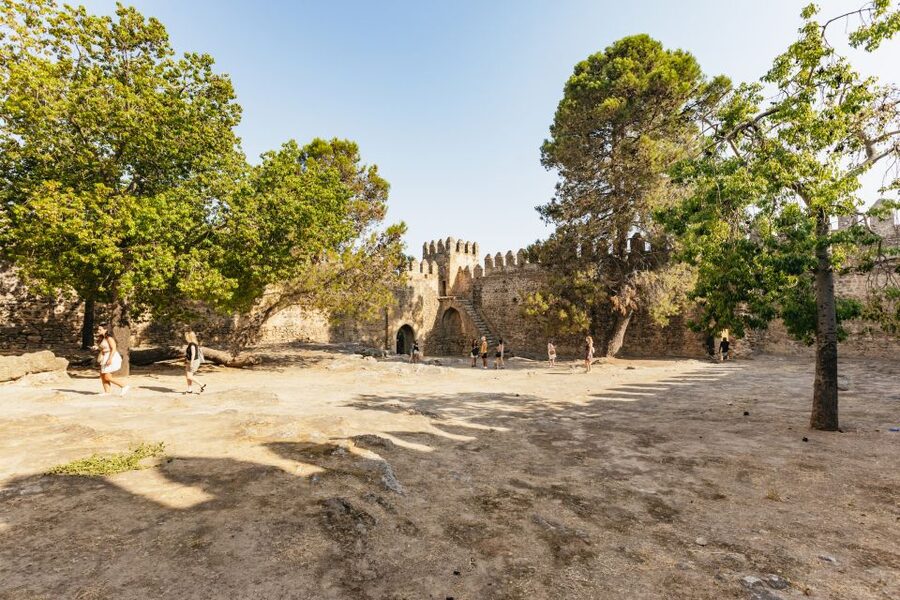
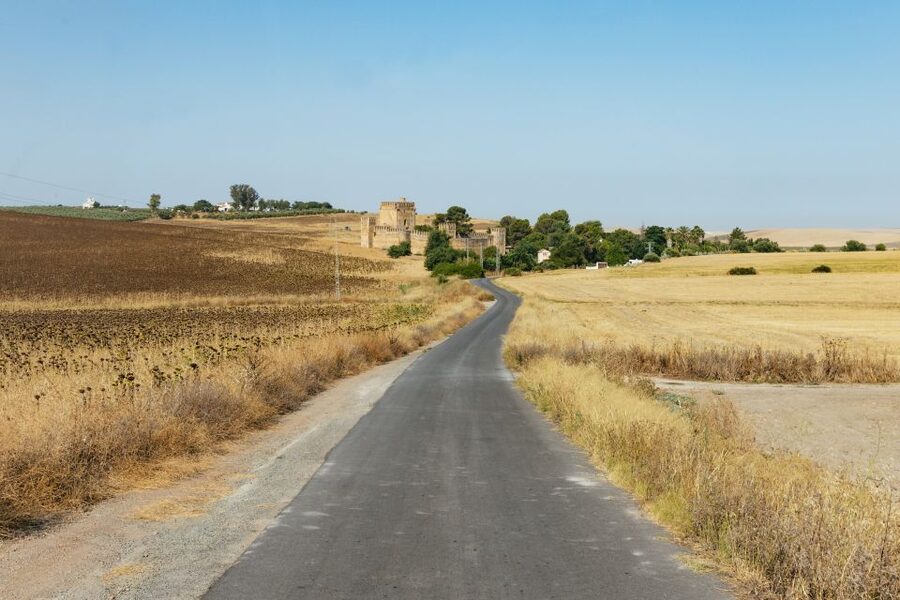
One early sight is Aguzaderas Castle. You do not get a full castle visit in the listed schedule, so think of it as a passing view and a historical marker rather than a major stop. It helps explain why fortified buildings appear across these hills.
Zahara de la Sierra is the first proper village visit, with about an hour to explore. Its white walls climb the mountainside beneath a castle, creating the classic Andalusian postcard view. The village is not simply a photo backdrop. You get a feel for how settlements were built tightly on steep ground, with narrow streets and broad views across the surrounding country.
Your guide will point out places to pause for photographs and explain the village’s place in the region’s past. The walking is likely to involve slopes and uneven streets, so comfortable shoes matter. The tour is listed as wheelchair accessible, but the mountain setting means you should still discuss your exact mobility needs when booking.
This stop is short enough to keep the day moving, but long enough to walk around and take in the setting. If you want extended time for quiet photography, independent wandering, or a café visit, you may find the hour limiting.
The olive oil stop at Molino El Vínculo
After Zahara, the group spends about 30 minutes at Molino El Vínculo, an olive oil factory. This is one of the most useful stops because it connects the scenery outside the window with a product you will see on every Andalusian table.
You learn how olives are processed mechanically to extract the oil, then taste two types. The tasting is brief, but it gives you a better sense of why olive oil matters so much in southern Spain. It also makes a practical souvenir stop if you want to take home a bottle, though purchases are not included in the tour price.
The factory visit breaks up the driving and adds something beyond views and monuments. I would not book the tour solely for this stop, but it is a welcome piece of local life. It also gives you a chance to stretch your legs before the next mountain road.
Grazalema, mountain scenery, and lunch
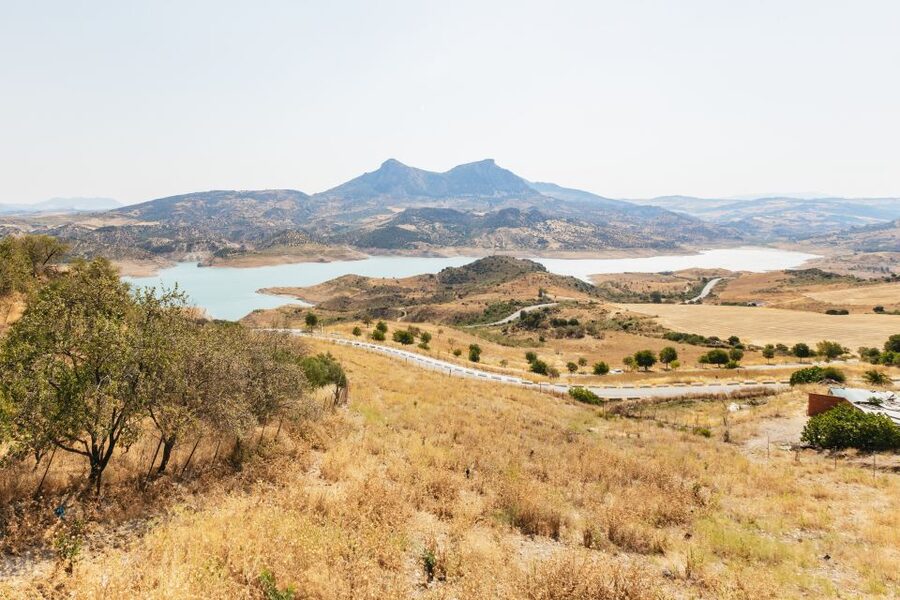
The drive to Grazalema takes about 30 minutes. The village lies within the Sierra de Grazalema Natural Park, an area known for rugged mountains and striking roads. The ride is part of the experience, especially when the weather is clear and the views open across the limestone peaks.
The area is home to Spain’s largest colony of Griffon vultures. Keep your eyes on the sky as the coach moves through the park. You may see the birds circling high above the cliffs, an impressive reminder that this is working countryside as well as a scenic one.
Grazalema itself is compact and photogenic, with white houses, flower-filled balconies, and streets that invite a slow walk. The scheduled stop lasts about 75 minutes, including lunch. That is enough time for a meal and a little exploring, but not enough for a long, relaxed restaurant experience.
Lunch is not included, so budget separately. Several people have found the recommended restaurants useful, including a patio meal at Restaurante San Diego with views toward the lake and mountains. Recommendations can vary by guide and day, but asking your guide where to eat is sensible. Guides such as Driss and Carlos have been especially appreciated for food suggestions and local connections.
There is one recurring planning point here: Grazalema may not offer as many lunch or coffee choices as Ronda. If you prefer a wider selection or want to eat with a famous view in town, you might save your main meal for Ronda and use Grazalema for a snack. On the other hand, eating in the white village keeps the day flowing and avoids spending your limited Ronda time at a table.
Same city, a completely different evening:
- Seville: Royal Alcázar Entry Ticket
★ 4.6 · 28,378 reviews - Seville: Cathedral and La Giralda Entry Ticket
★ 4.5 · 24,592 reviews - Seville: Live Flamenco Dancing Show Ticket at the Theater
★ 4.7 · 16,396 reviews - Seville: Casa de la Memoria Flamenco Show
★ 4.8 · 12,964 reviews
Through cork forests and working countryside
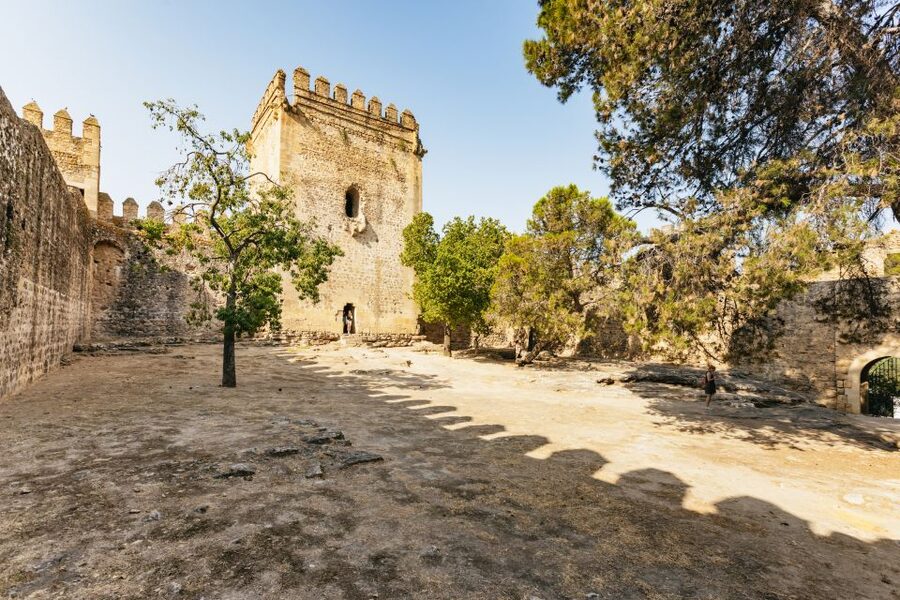
The next drive toward Ronda takes about 45 minutes. This stretch shows another side of Andalusia. The Mediterranean forest supplies honey, cork, aromatic plants, and wood, while nearby farms support cattle, Iberian pigs, and goats.
These details are easy to miss if you travel independently with your attention fixed on the next monument. A good guide turns the passing view into a lesson about how people use the land. Guides including Luis, Daniela, Antonio, and Ayman have been praised for combining regional facts with humor and clear explanations in several languages.
The route is winding. The driver deserves credit here, since the coach must handle narrow roads and tight turns. Several guides and drivers have been singled out for keeping the ride safe and smooth. If you suffer from motion sickness, sit near the front, look out at the horizon when possible, and avoid reading during the curviest stretches.
Ronda and the famous New Bridge
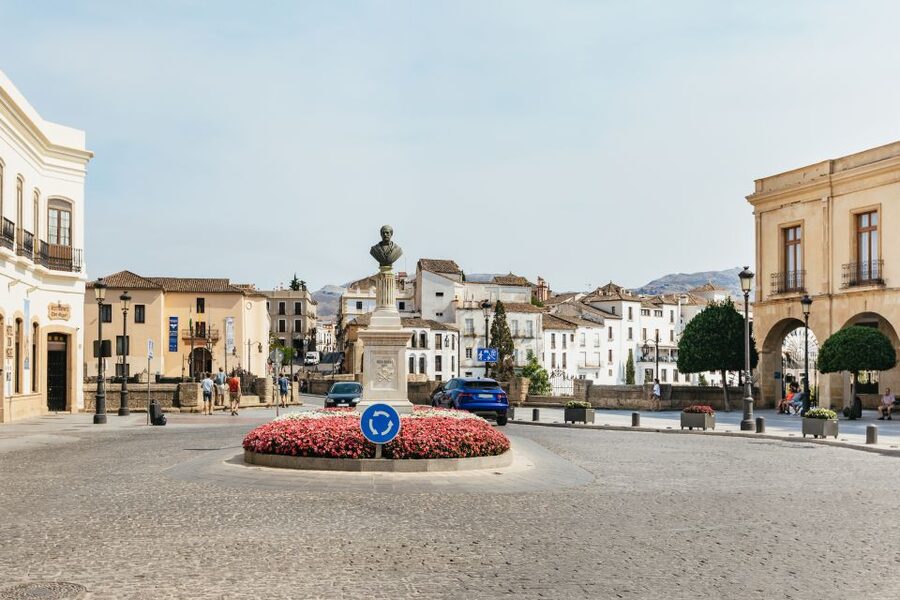
Ronda receives about 2.5 hours, including a photo stop, a guided visit, and free time. That makes it the main event and gives you enough room to see the central sights without being marched from one viewpoint to another.
The town is split by a deep gorge, with its two sides linked by the 18th-century New Bridge. The bridge is Ronda’s defining sight, and the views from around it are dramatic. Your guide will explain how the town developed across two cliffs and help you locate the best areas for photographs.
After the introduction, you have time to explore on your own. This is important because Ronda rewards a little wandering. You can follow the streets around the gorge, stop at a viewpoint, browse local shops, or sit down for lunch. The exact balance depends on the group and the guide, but the schedule is designed to give Ronda more time than the smaller villages.
Two and a half hours is useful, not generous. You can see the main bridge area and get a sense of the town, but you will not cover every corner or visit every attraction in depth. Several people have wished for more time in Ronda, which is a fair point. If Ronda is your main reason for coming to Andalusia, consider staying overnight or returning independently.
For a quick first visit, though, this works well. Guides have suggested rooftop cafés and viewpoints, including the Hotel Catalonia for drinks, tapas, and views over the gorge. Food and drinks are your responsibility, so keep enough time for lunch rather than leaving it until the final minutes.
The guide can shape the whole day
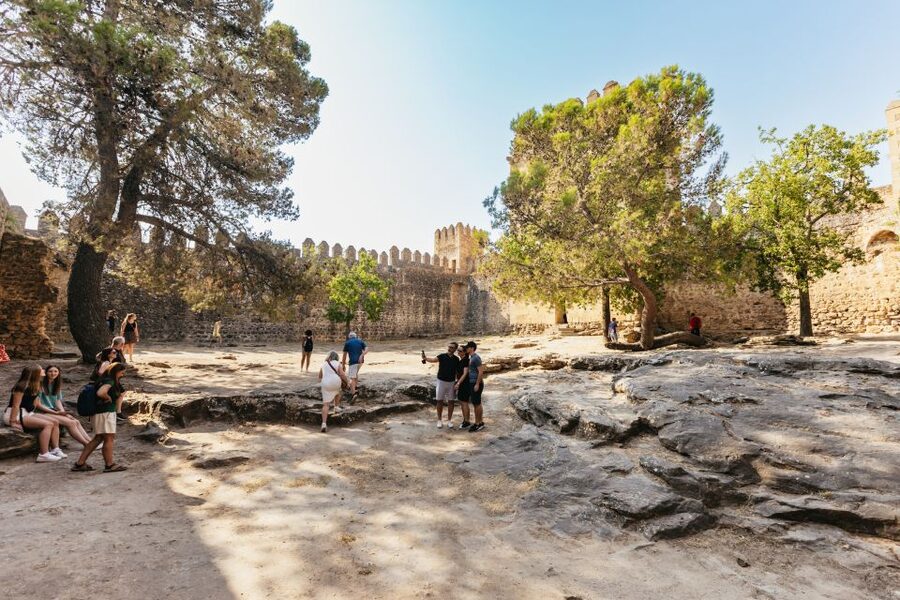
The route is fixed, but the feel of the trip depends heavily on the guide. The strongest guides do more than recite dates. They explain why the villages are built where they are, connect the castles to Andalusian history, identify local products, and give clear advice about food and viewpoints.
Names praised for warmth, humor, and strong explanations include Laura, Luis, Daniela, Jesus, Driss, Antonio, Carlos, Benoit, Nieves, Martha, Emilio, and Ayman. That does not mean you can request a particular person, but it gives you a useful idea of the standard to expect. Some guides add light humor and music on the approach to Ronda, while others focus more on history and natural science.
Language availability includes English, French, Italian, and Spanish. The tour requires at least four people for the selected language to operate. If that minimum is not met, the language can be changed or the booking can be moved or refunded. If language matters greatly to you, check the arrangement before departure rather than assuming every departure runs in every language.
The group may be large enough to feel like a conventional coach tour. That keeps the price down but means you must follow meeting times closely. One late person can affect everyone’s schedule, and the day already packs a lot into ten hours.
How hard is the day?
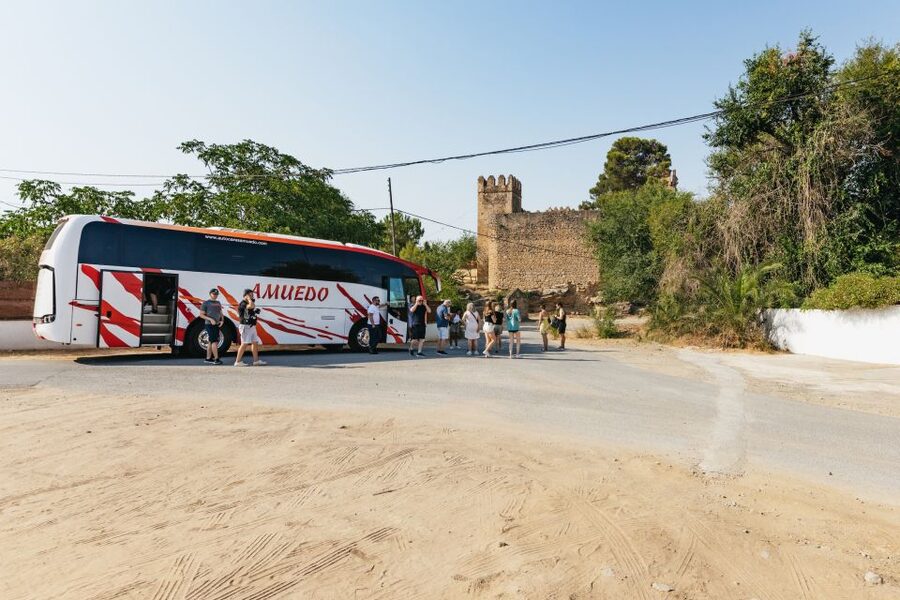
This is not an extreme walking tour, but it is not a sit-back-and-do-nothing outing either. You will board and leave the coach several times, walk through hilly white villages, and handle the slopes and uneven surfaces around Ronda.
Bring comfortable shoes, sunglasses, and a sun hat. In summer, the heat can be intense, while winter and rainy periods can make village streets slippery. One autumn booking continued successfully despite heavy rain, but poor weather can change the route.
Flooding has occasionally forced changes to the white-village portion. In one recent case, the villages were closed and the route was changed to Osuna before Ronda and the olive oil factory. Osuna was considered a less interesting substitute, but the guide communicated the change in advance and the rest of the day remained worthwhile. This is a reminder that mountain access depends on weather and road conditions.
The activity is listed as wheelchair accessible, and guides have taken care to assist people using walkers or with disabilities. Still, tell the operator about your needs beforehand. A village built on a steep mountainside can present practical challenges even when the overall tour is accessible.
Who will get the most from this trip?
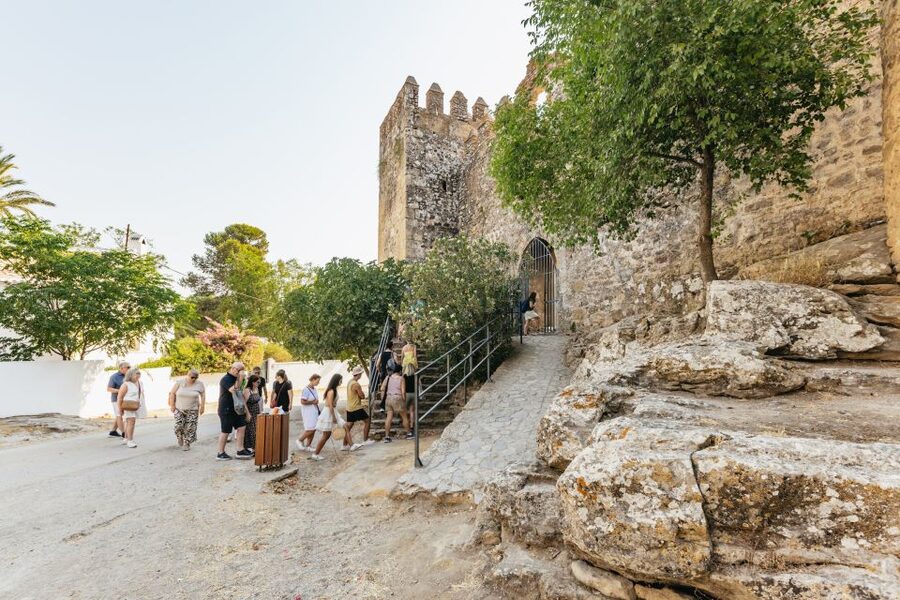
I recommend this trip if you are based in Seville and want to see more of Andalusia without hiring a car. It suits first-time visitors who want a broad introduction to Ronda, the white villages, local agriculture, and the mountain country in one day.
It is also a good choice for families and solo visitors. A guide helps with orientation, and the shared coach removes the stress of mountain driving. The mix of explanation and free time means you are not with the guide every minute.
You should think twice if you dislike long coach rides, strict meeting times, or group travel. You may also prefer an independent visit if Ronda deserves your full attention. The trip gives you a strong overview, not a slow, detailed study of each town.
The $52 price makes the compromises easier to accept. Transportation alone would involve fuel, parking, and the challenge of driving through narrow mountain roads. Add a guide, three destinations, and the olive oil visit, and this is a solid value for a full day.
Practical details that make the day easier
The first departure point may not be the one closest to your accommodation, so allow time to reach your assigned meeting place. The three options are Calle Rastro 12a, Hotel Don Paco, and Calle Trajano 6.
Bring water, even though food and drinks are not included. Plan your lunch budget before leaving Seville, and listen carefully when the guide explains the meeting time after each stop.
The journey back to Seville takes about 1.5 hours after Ronda. By then, you may be tired, particularly after a hot day. Keep your return evening light rather than booking an important late dinner or show.
Free cancellation is available up to 24 hours before departure, and you can reserve now and pay later. Those terms are useful when your Seville plans are still shifting, especially during months when weather may affect the mountain route.
Should you book the Pueblos Blancos and Ronda trip?
Book it if you want Ronda plus a taste of rural Andalusia in one organized day. The best parts are the scenery between stops, Zahara’s mountain setting, Grazalema’s flower-lined streets, the olive oil lesson, and the generous amount of time in Ronda.
Skip it if you want a private, slow-paced day or if you already plan to spend several nights in Ronda. You will see more on your own with extra time, but you will also take on the roads, navigation, and planning.
For most Seville visitors, I think the value is very good. It is a long day, but the route gives you far more than a quick trip to one famous bridge. Pack light, wear shoes with a firm grip, keep an eye on the sky for Griffon vultures, and leave room for a little olive oil in your suitcase.
FAQ
How long does the Pueblos Blancos and Ronda trip last?
The activity lasts 10 hours, including transportation from Seville, visits to Zahara de la Sierra, Molino El Vínculo, Grazalema, and Ronda, and the return journey.
Where does the tour begin?
There are three possible starting points: Calle Rastro 12a, Hotel Don Paco, and Calle Trajano 6. Your meeting point depends on the option booked.
Where does the tour end?
Drop-off is available at Hotel Don Paco, Calle Trajano 6, or Calle Rastro 12a in Seville.
How much time is provided in Ronda?
The Ronda portion lasts about 2.5 hours and includes a photo stop, a guided visit, and free time.
Is lunch included?
No. Food and drinks are not included, so you need to pay for lunch and any refreshments yourself.
Which villages are visited?
The planned route includes Zahara de la Sierra and Grazalema, two white villages in the Andalusian mountain country.
Is the olive oil factory included?
Yes. The schedule includes about 30 minutes at Molino El Vínculo, where you learn about mechanical olive processing and taste two types of olive oil.
What languages are available?
The live guide may conduct the tour in English, French, Italian, or Spanish. At least four people are required for the selected language to operate.
Is the activity wheelchair accessible?
The activity is listed as wheelchair accessible. Since the villages and mountain towns may include slopes and uneven streets, discuss your specific mobility needs before booking.
What should I bring?
Bring comfortable shoes, sunglasses, and a sun hat. It is also sensible to bring water because food and drinks are not included.
Recently added in Seville
- Gibraltar Day Trip from Seville + Rock Tour★ 4.0 · 179 reviews
- Seville: Sherry Wine Tasting with Light Snacks★ 4.9 · 183 reviews
- Seville Aquarium Admission Ticket★ 4.0 · 185 reviews
- Seville: Electric Bike Tour in Small Group★ 4.9 · 185 reviews
- Seville: Hospital de los Venerables Ticket with Audio Guide★ 4.6 · 190 reviews
- Flamenco Dance Class in Seville with optional Flamenco Costume★ 5.0 · 191 reviews
- VIP Guided Seville Alcazar Pre-Opening, Cathedral & Old Town★ 5.0 · 191 reviews
- Tablao Flamenco Orillas de Triana Ticket★ 5.0 · 195 reviews
Full-Day, compared.
Toledo Half or Full Day Tour with Optional Lunch from Madrid
Read the review →
Toledo & Segovia Full Day Guided Tour with Alcázar
Read the review →
Timanfaya Park and Jameos del Agua Full-Day Tour
Read the review →
Browse the lists this tour appears in