Reviewed · TICKETS
Barcelona: Sant Pau Recinte Modernista Entry Ticket
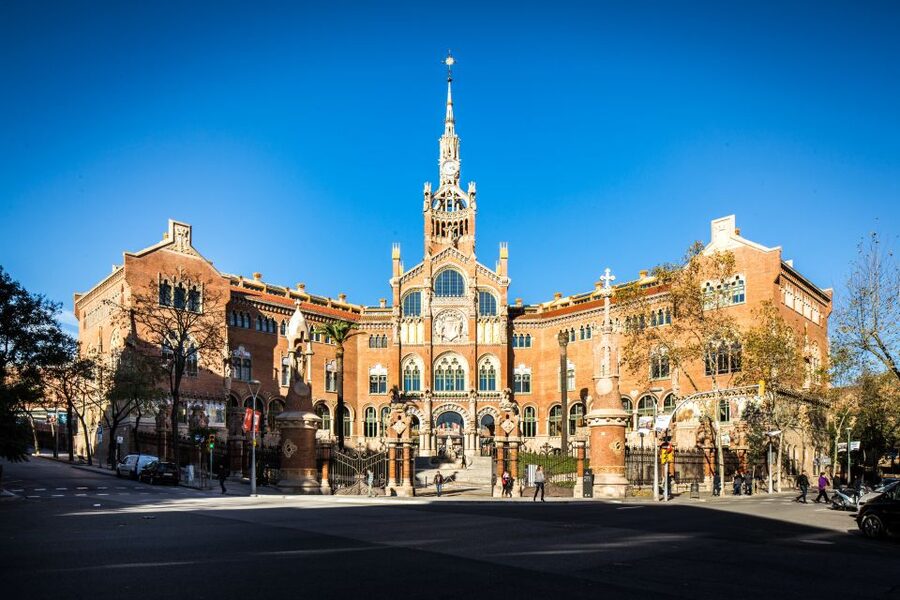
Sant Pau Recinte Modernista is a former hospital designed as a healing garden city, not simply a grand building with decorative flourishes. Lluís Domènech i Montaner created pavilions filled with mosaics, stained glass, sculptures, and sunlight, then linked them with underground passages so patients and staff could move around the site with greater comfort.
I like the way the visit combines serious medical history with extraordinary architecture. I also like that you can explore at your own pace, pause in the courtyards, and look closely at details that are easy to miss on a quick city tour. The main consideration is that this ticket does not include a guided tour, so you need to read the displays carefully or check whether an audio guide is available if you want more background.
Key points to know
- A former working hospital: Sant Pau served Barcelona’s public for about a century before becoming a cultural site.
- A garden city for healing: The complex was planned around gardens, fresh air, light, and patient welfare.
- Art Nouveau in every direction: Look for mosaics, stained glass, sculpture, tiled surfaces, and colorful architectural details.
- Underground passages: The tunnels connecting the pavilions offer a different view of how the hospital functioned.
- Near the Sagrada Família: Sant Pau makes a smart pairing with Barcelona’s most famous Modernista church.
- Self-paced and accessible: Allow around 1.5 hours, though many people stay closer to two hours when reading the displays.
Why Sant Pau Is More Than a Beautiful Facade
Barcelona is famous for Antoni Gaudí, but Sant Pau gives you a broader picture of Catalan Modernisme. Domènech i Montaner designed the complex between 1905 and 1930, bringing together architecture, sculpture, ceramics, gardens, hygiene, and medical planning.
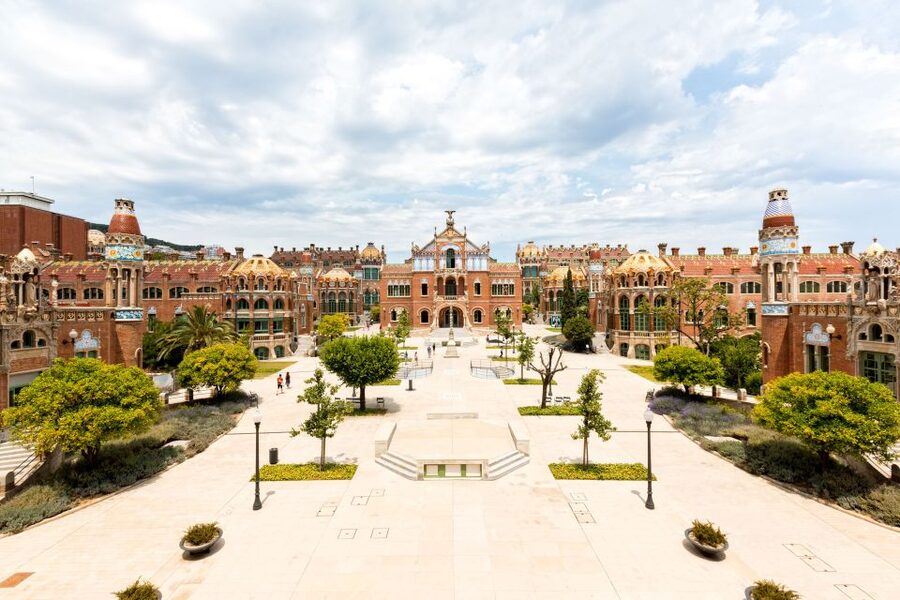
The result feels almost like a small city. Instead of placing every hospital function in one heavy block, the plan spread separate pavilions through landscaped grounds. This allowed air and sunlight to reach the wards and created a calmer setting for people who were sick.
That idea matters. Sant Pau was intended to care for people who could not afford private treatment, and its design reflected new thinking about public health. The decoration was not just there to impress wealthy patrons. A beautiful, orderly setting was seen as part of recovery.
I find that context useful because it changes the way you look at the ornament. The flowers, animals, religious images, and colorful tile work are not random decoration pasted onto a hospital. They are part of a larger idea about nature, cleanliness, dignity, and healing.
A few other Barcelona outings to compare
- Barcelona: Sagrada Familia Entry Ticket with Audio Guide
★ 4.6 · 105,312 reviews - Barcelona: Park Güell Admission Ticket
★ 4.4 · 76,534 reviews - Barcelona: La Pedrera-Casa Milà Ticket & Audio Guide Option
★ 4.7 · 15,099 reviews
Starting at Calle Sant Antoni Maria Claret
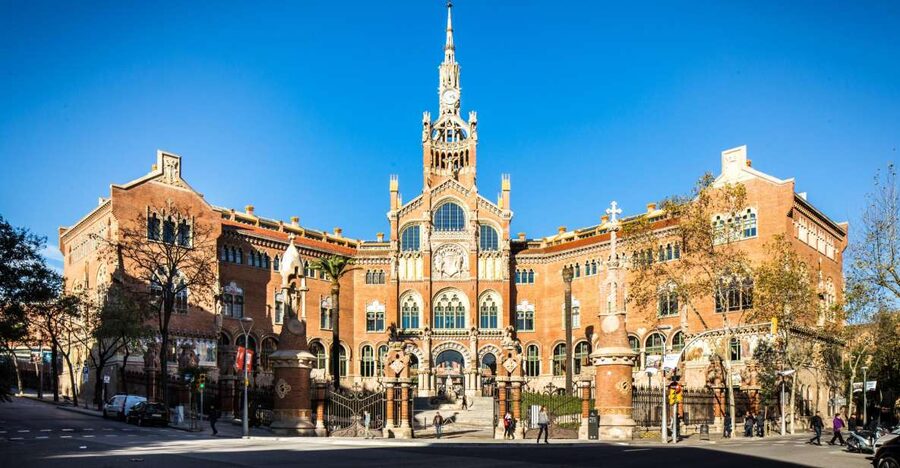
The complex is at Calle Sant Antoni Maria Claret, 167, in Barcelona’s 08025 district. It is close enough to the Sagrada Família to combine both sights in one morning or afternoon, though I would not rush Sant Pau simply because it is nearby.
As you approach, take a moment before heading inside. The front buildings give you the strongest first impression, with their detailed stonework, tiled surfaces, sculptural elements, and carefully arranged entrance. The scale can be surprising. This was a functioning medical institution, yet it has the visual drama of a palace.
The entrance process is reported as straightforward, with no long wait at quieter times. An early visit, around 9:30 in the morning, can give you a calmer start and better conditions for photography and close looking.
Sant Pau is also easy to reach by public transport, with a metro station nearby. That makes it a practical final stop before heading toward the airport, though you should remember that the on-site lockers are suitable for carry-on-sized bags rather than large luggage.
The Main Pavilions and the Modernista Details
The central part of the visit takes place among the restored pavilions. Each building has its own character, but the whole complex works as one carefully planned setting.
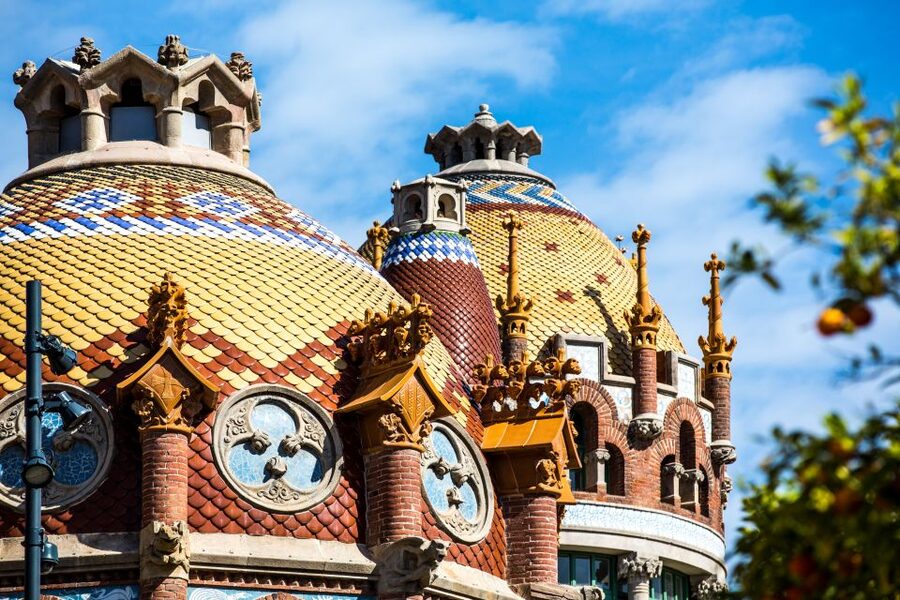
Look up often. The most memorable details may be above eye level: ceiling decoration, arches, sculpted capitals, colored tiles, and stained glass. If you walk only along the main route, you can miss some of the mural mosaics on the sides of the front buildings, so circle around rather than stopping after the first courtyard.
This is one of the places where I would avoid rushing with a phone held at chest height. You will get more from Sant Pau by pausing to study how the materials meet. Stone, ceramic, glass, and brick are used together, creating an effect that changes as the light moves across the surfaces.
The decoration is abundant, but the buildings do not feel entirely closed in. Gardens separate the pavilions, and the open spaces give you room to step back and understand the plan. That contrast between ornament and open air is central to the experience.
Some people compare the complex to Gaudí’s work, and you may hear it described in casual terms as a Gaudí-style hospital. The comparison is understandable because both architects worked in the Modernista tradition, but Sant Pau is specifically Domènech i Montaner’s achievement. It has its own balance of color, structure, symbolism, and practical planning.
The Gardens and the Idea of Recovery
The gardens are not an afterthought. They explain why Sant Pau was called a garden city and help you understand the medical ideas behind the plan.
The hospital was built at a time when health and hygiene were changing rapidly. Fresh air, natural light, clean movement through the site, and access to outdoor space were treated as important parts of care. The gardens also softened the experience of hospitalization, especially for people who might spend a long period away from home.
I like the fact that the gardens give the visit a natural rhythm. You move from a richly decorated interior into an open courtyard, then into another pavilion or passage. On a hot Barcelona day, these spaces can feel noticeably calmer and cooler than the city streets.
You can also sit in the courtyards and simply look. That is not wasted time. Sant Pau contains so many small details that a few quiet minutes often reveal more than another fast walk through a room.
There is no café listed as part of the visit, so plan refreshments outside the complex. Cafés are available nearby, which makes it easy to combine the site with a break before continuing toward the Sagrada Família or another part of the city.
Same city, a completely different evening:
- Barcelona: Casa Batlló Entry with Self-Audioguide Tour
★ 4.7 · 25,359 reviews - Barcelona: 24 or 48-Hour Hop-On Hop-Off Bus Tour
★ 4.4 · 20,872 reviews - Barcelona: Park Guell Guided Tour with Skip The Line Entry
★ 4.7 · 17,563 reviews - Barcelona in 1 Day: Sagrada Familia, Park Guell,Old Town & Pickup
★ 5.0 · 13,541 reviews
Medical History Inside a Monument
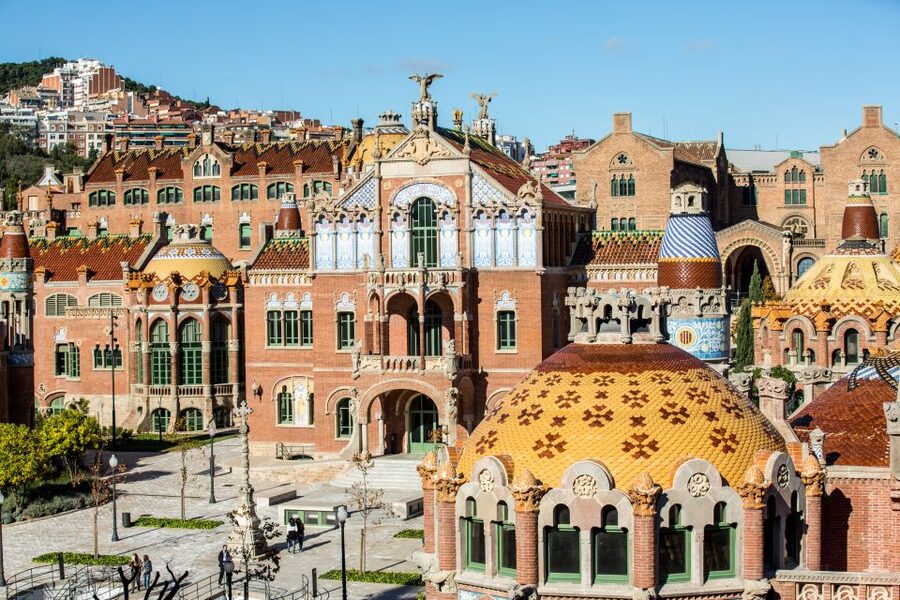
Sant Pau only recently became a museum and cultural complex compared with its long working life as a hospital. That recent history gives the place a special quality. You are not looking at a building that was designed as a museum and later given a medical story. You are looking at a real hospital that continued operating into modern times.
Inside, you might find medical instruments from the period and a hospital room arranged as it appeared in 1932. These displays help ground the architecture in ordinary life. The mosaics and stained glass are impressive, but the room with its practical medical setting can be more moving because it shows the people who used the building.
The site also presents the development of medicine and nursing. If you work in healthcare or have a medical background, you may find extra interest in the changing equipment, hospital routines, and relationship between treatment and administration.
I would also pay attention to the social purpose of the institution. Sant Pau was tied to charity and welfare, and the complex was intended to serve the poor. The beauty was not reserved for an elite audience. That makes the site a useful reminder that public buildings can offer dignity as well as function.
A short explanatory film may be available in a smaller room, and it can be easy to overlook. If you want the full story, look beyond the largest galleries and check the side rooms rather than following only the most obvious path.
Underground Passages and Hidden Working Spaces
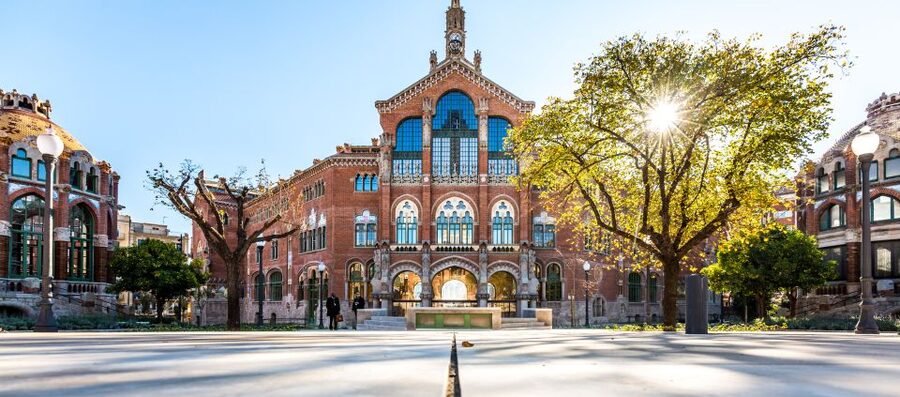
The underground passageways are one of Sant Pau’s most distinctive features. They connected the separate buildings and helped the hospital operate as one institution.
These tunnels show the practical side of the design. The pavilions could remain surrounded by gardens while staff, supplies, and hospital activity moved through protected routes below ground. For you, the passages offer a change of mood from the bright courtyards and decorated rooms above.
The tunnels also make the complex easier to understand. From the surface, the pavilions can seem like a collection of beautiful structures placed in a park. Below ground, you begin to see the network that made the whole plan work.
The amount of the complex open to the public can vary by the areas made available for the visit. One drawback is that you may wish more buildings were accessible. Still, the open pavilions, passages, gardens, and interpretive material provide enough to make the visit worthwhile.
How Long to Allow and How to Explore
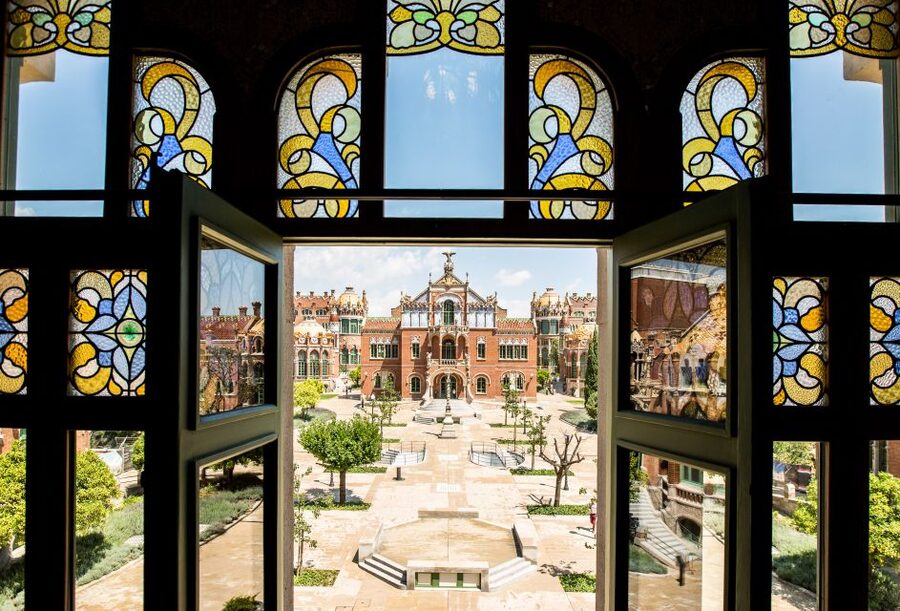
The advertised visit takes about 1.5 hours, but I would allow closer to two hours if you read the displays and spend time in the gardens. A quick visit can cover the main buildings, but it will not give you much time to inspect the mosaics or understand the hospital plan.
A good route is simple:
- Begin with the main entrance and front buildings.
- Walk around the sides to find the mural mosaics.
- Continue through the open pavilions and courtyards.
- Look for the underground passages.
- Read the sections about the hospital’s medical and charitable work.
- End with time in the gardens rather than hurrying straight out.
The ticket is valid for one day, so you have flexibility within the available opening times. This is helpful if you want to pair Sant Pau with another nearby sight, but do not treat the one-day validity as a reason to squeeze the visit into a crowded schedule.
Because there is no guided tour included, the pace is yours. That is a strength if you prefer to stop for photographs, skip long explanations, or revisit a favorite courtyard. It is less ideal if you want a historian to explain every symbol and architectural choice.
Several people find a pamphlet sufficient, while others wish they had taken an audio guide. My advice is to decide before arrival how much interpretation you need. Architecture fans can enjoy the site visually with minimal help, but the hospital’s social and medical story rewards additional explanation.
Is the $21 Ticket Good Value?
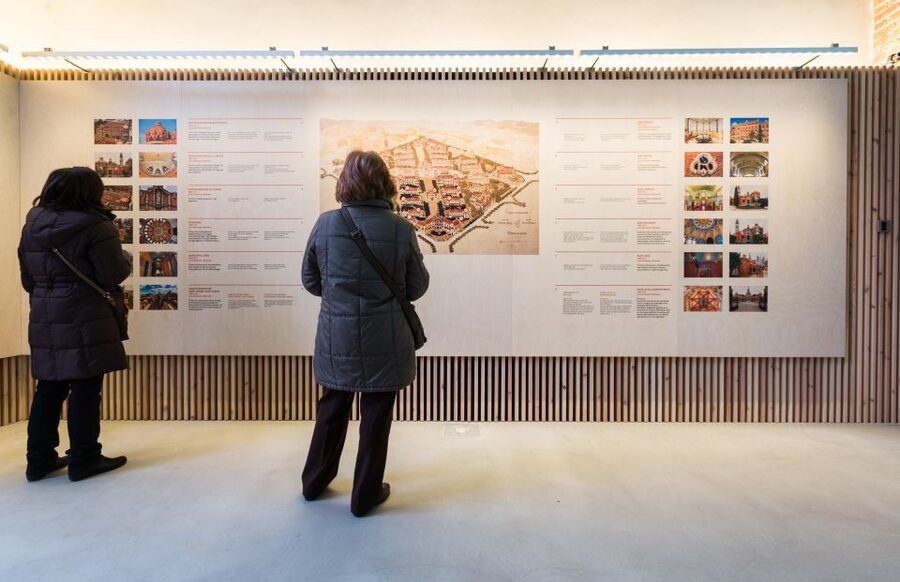
At $21 per person, Sant Pau is not a throwaway attraction, but it compares well with other major Barcelona sights if you value architecture and history. You are paying for access to a large restored complex, not just one room or one facade.
The value is strongest when you take your time. If you walk through in 30 minutes, the ticket may feel expensive. If you spend 90 minutes to two hours studying the pavilions, medical displays, gardens, and tunnels, the price becomes easier to justify.
It also offers a different experience from Barcelona’s busiest monuments. Sant Pau can feel calmer, especially early in the day or outside the most crowded periods. You can sit in the courtyard, admire the buildings, and let the place unfold without the same pressure you may feel at the Sagrada Família or Park Güell.
The ticket includes entry only. There is no guided tour, transport, food, or other add-on included. Children under 12 enter free with a parent or guardian, and visitors over 65 can receive free access on the first Sunday of the month. Check the current conditions when booking, since availability and entry arrangements can change.
Who Will Enjoy Sant Pau Most?
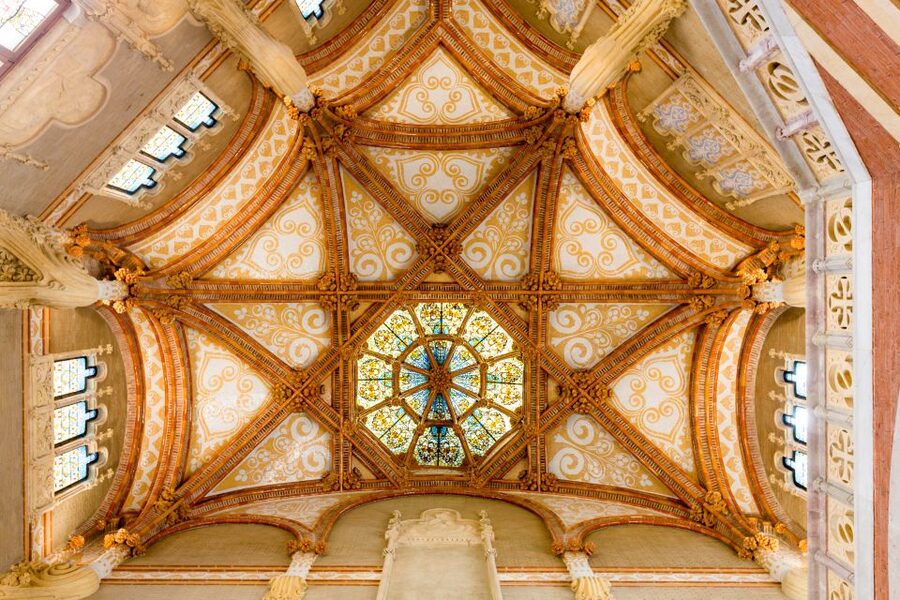
I would put Sant Pau high on the list for anyone interested in Modernista architecture, public health, hospital design, or social history. Medical workers, nurses, science-minded visitors, and people with an interest in healthcare may find the former wards and instruments especially meaningful.
It also works well for people who have already seen Barcelona’s major Gaudí sites and want a less predictable architectural stop. You get the color and theatrical detail associated with Catalan Modernisme, but you also get gardens, practical planning, and a strong story about care for the poor.
Families can visit, since children under 12 are allowed free admission with a parent or guardian. The site is wheelchair accessible, which makes the gardens and restored areas available to a broader range of visitors.
I would be less enthusiastic about recommending it to someone who wants a short, guided sightseeing stop with a clear scripted route. The self-paced format asks you to take some responsibility for making sense of the displays. It is also not suitable for pets, smoking, alcohol, or drugs.
Sant Pau or Another Barcelona Attraction?
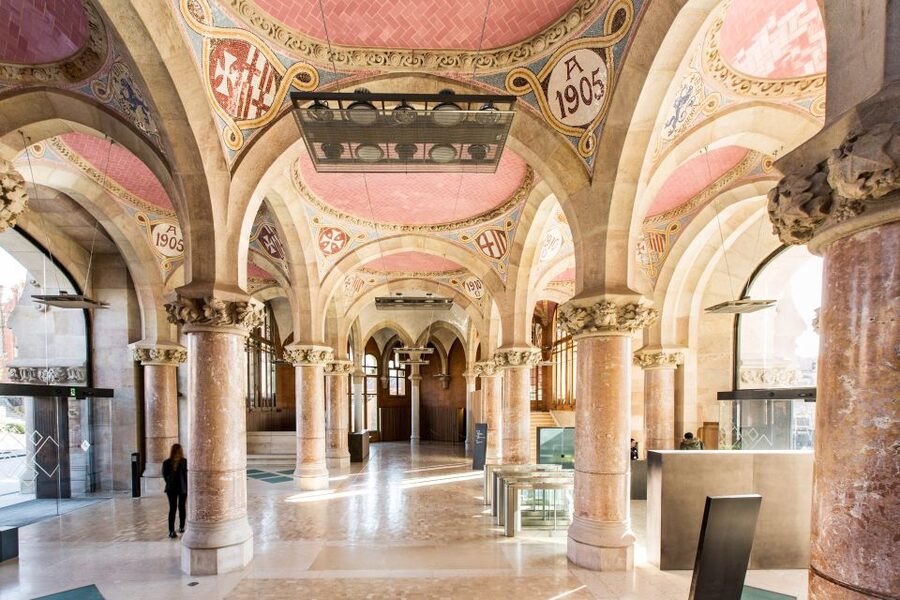
Sant Pau is especially easy to pair with the Sagrada Família because of its location. The two sites also complement each other. The Sagrada Família gives you a monumental church interior and Gaudí’s distinctive vision. Sant Pau gives you a full Modernista complex designed around public service and healing.
You can visit Sant Pau before or after the Sagrada Família, but I would avoid treating it as a quick filler. The courtyards and side details deserve attention, and the medical displays add a human side that you will not get from a purely decorative monument.
If you have only one spare hour in Barcelona, you may prefer a central attraction. If you have a little more time and want something visually striking but less frantic, Sant Pau is a strong choice.
Should You Book Sant Pau Recinte Modernista?
Book it if you want beautiful architecture with a real social purpose. The combination of gardens, pavilions, underground passages, medical objects, mosaics, and stained glass gives you far more than a photo stop.
I especially recommend visiting early, allowing around two hours, and walking around the sides of the main buildings to find the mural mosaics. Take your time in the courtyards, and consider an audio guide if you want more help with the story.
Skip it only if you strongly prefer a guided experience or have no interest in architecture and hospital history. For most visitors who want to see another side of Barcelona’s Modernisme, the $21 entry ticket is a sensible use of your sightseeing budget.
FAQ
Is a guided tour included with the Sant Pau entry ticket?
No. The ticket includes entrance to Sant Pau Recinte Modernista, but it does not include a guided tour.
How long does the visit take?
The planned visit lasts about 1.5 hours. You may want closer to two hours if you read the displays, visit the pavilions, explore the underground passages, and spend time in the gardens.
Where is Sant Pau Recinte Modernista located?
The address is Calle Sant Antoni Maria Claret, 167, 08025 Barcelona, Spain.
Is Sant Pau wheelchair accessible?
Yes. Sant Pau Recinte Modernista is wheelchair accessible.
Can children visit for free?
Yes. Children aged 11 and under are permitted to visit, and participants under 12 receive free admission. A parent or guardian must be present.
Can I cancel the booking?
Yes. You can cancel up to 24 hours in advance for a full refund. The reserve-now, pay-later option also lets you book without paying immediately.
Recently added in Barcelona
- Barcelona: Catamaran Cruise w/ Sailing, Wine, & Tapa★ 4.7 · 176 reviews
- Guided Gaudí Trencadís Mosaic Workshop in Barcelona 2 Hours★ 5.0 · 176 reviews
- Barcelona Cable Car Sky Views, Magic Fountain & Castle Visit★ 4.2 · 177 reviews
- Barcelona Private Sunset Sailing with Drinks★ 5.0 · 177 reviews
- Barcelona: Montserrat with Winery Visit and Farmhouse Lunch★ 4.7 · 178 reviews
- Barcelona: Nightmare Horror Museum Maze Entry Ticket★ 4.5 · 179 reviews
- Barcelona: City Sights Electric Quad Tour★ 4.8 · 178 reviews
- Barcelona: Professional Photoshoot Outside Sagrada Familia★ 4.8 · 179 reviews
Tickets, compared.
Sagrada Familia Entry Ticket with Audio Guide
Read the review →


Live Flamenco Dancing Show Ticket at the Theater
Read the review →