Reviewed · BARCELONA TOURS
Barcelona: 24 or 48-Hour Hop-On Hop-Off Bus Tour
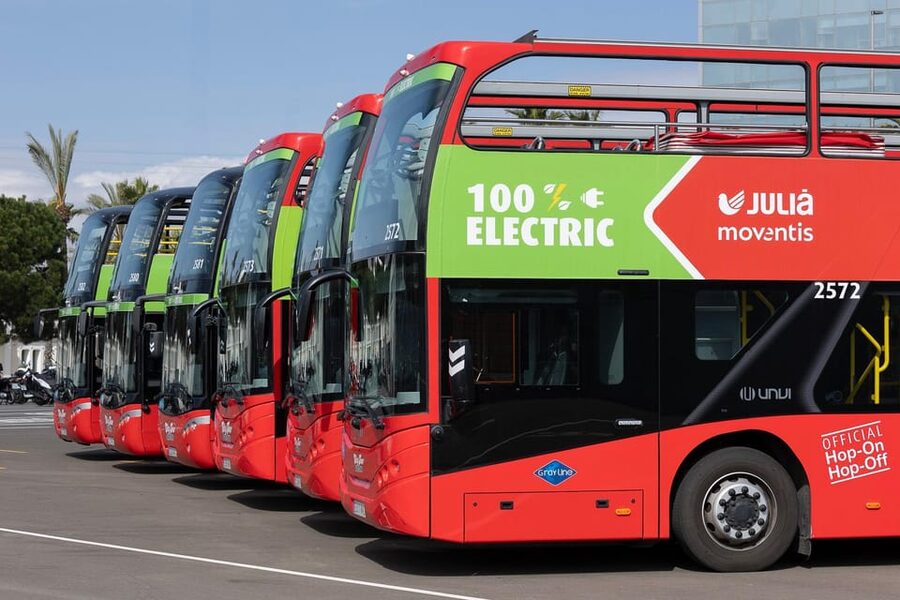
Barcelona’s two-route sightseeing bus gives you a useful first look at a city that sprawls well beyond its old center. The green route links Plaça Catalunya, Sagrada Família, and Park Güell, while the orange route reaches FC Barcelona stadium and the National Museum of Art of Catalonia. You can also hop off for a walk at Port Olímpic.
I like the freedom to build your own day, and I like the clear audio guide, available in 16 languages. Staff members are friendly and helpful, and guide Catalina has earned special praise for her detailed commentary and humor. The main drawback is crowding: the open top fills quickly, some headphone sockets do not work, and rainy weather can make the upper deck uncomfortable.
Key points
- Two routes, one ticket: Use the green and orange circuits to see both Gaudí’s Barcelona and the city’s western sights.
- Strong city overview: The bus helps you decide which museums, monuments, beaches, and neighborhoods deserve more of your time.
- Excellent multilingual audio: Commentary is offered in Spanish, Catalan, English, French, German, Italian, Portuguese, Chinese, Dutch, Japanese, Russian, Hebrew, Arabic, Swedish, Norwegian, and Turkish.
- Good 48-hour value: Two days gives you time to ride both routes and still get off for proper visits and walks.
- Open-top views: On a clear day, the upper deck offers easy views of Barcelona’s streets and architecture.
- Plan for crowds and delays: Bus frequency changes by season, and city events, demonstrations, sports, or street closures can alter the route.
Why Barcelona works well from the top deck
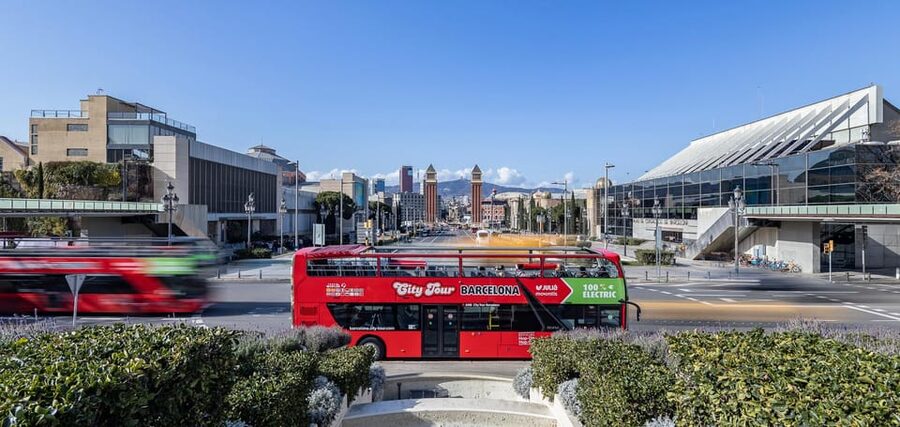
Barcelona is easy to explore in pieces, but its major sights are not all close together. Sagrada Família, Park Güell, Port Olímpic, Montjuïc, the FC Barcelona stadium, and the National Museum of Art of Catalonia sit in different parts of the city. This bus connects them without asking you to solve every transfer on public transport.
I find this especially useful on your first day. Ride a section without hopping off, listen to the commentary, and note the places you want to revisit. Then use the bus as a sightseeing shuttle, getting off when a stop matches your interests.
The experience is not a small-group tour with a guide walking beside you. It is a self-directed city circuit with recorded commentary, a map, and onboard staff. That distinction matters. You get freedom and easy transport, but you must decide how long to spend at each stop.
The ticket costs about $39 per person. That is not the cheapest way to move around Barcelona, especially if you only need short rides. It becomes better value when you use both routes, make several stops, and treat the bus as both transportation and an introduction to the city.
A few other Barcelona outings to compare
- Barcelona: Sagrada Familia Entry Ticket with Audio Guide
★ 4.6 · 105,312 reviews - Barcelona: Park Güell Admission Ticket
★ 4.4 · 76,534 reviews - Barcelona: Casa Batlló Entry with Self-Audioguide Tour
★ 4.7 · 25,359 reviews
The green route and Barcelona’s modernist heart

The green route is the one to choose for Barcelona’s most famous architecture. It runs from Plaça Catalunya toward Park Güell, taking in the modernist character that gives the city much of its visual appeal.
Plaça Catalunya is a practical starting point because it places you near the center of Barcelona. From there, you can settle into the bus, choose your language on the audio system, and begin seeing the city without worrying about directions.
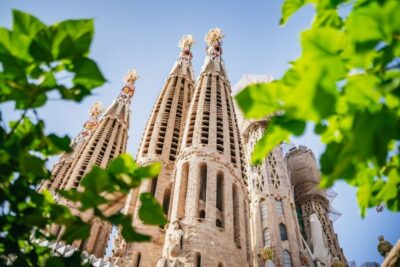
The route’s headline sight is Sagrada Família, Barcelona’s great unfinished basilica and its most recognizable monument. From the bus, you can appreciate the height and unusual forms of its façades before deciding if you want a longer visit. The audio commentary adds context about the symbolism built into the exterior, which helps you notice details that can blur together from street level.
Do not confuse a bus pass with admission to the basilica. The ticket covers transport and commentary, not entry fees for attractions. If you have a timed visit planned, give yourself plenty of margin. Traffic and busy stops can affect your arrival.
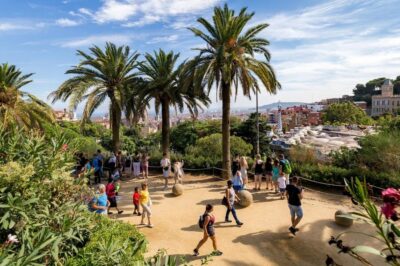
The green route continues toward Park Güell, the garden complex associated with Antoni Gaudí and listed as a UNESCO World Heritage Site. This is one of the most useful stops for combining the bus with a booked attraction. One family used the bus to arrive for a 2 p.m. Park Güell visit, then rejoined the route afterward.
Park Güell deserves time beyond a quick photograph. The bus helps you reach it, but your ticket does not replace an admission reservation where one is required. Check your separate entry arrangements before building your day around the stop.
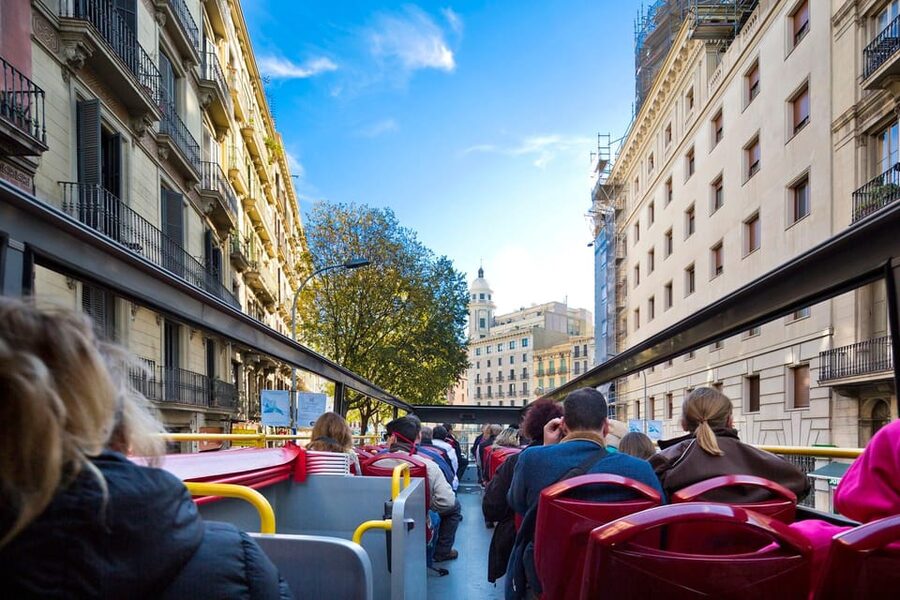
The green route is also good for simply watching Barcelona pass by. You see blocks of modernist buildings, broad avenues, and changing neighborhoods from a comfortable seat. The upper deck gives the clearest views, but it is the first part of the bus to fill.
The orange route reaches farther west
The orange route widens your view of Barcelona. It goes beyond the central modernist sights and reaches the western side of the city, including FC Barcelona stadium and the National Museum of Art of Catalonia.
The stadium stop suits football fans, but it is also useful for anyone who wants to see how far the city extends beyond the old center. If you plan to visit the stadium, allow time for the attraction itself and remember that the bus schedule still controls your return.
The National Museum of Art of Catalonia is another important orange-route stop. You can hop off, visit the museum, and board again when you are ready. The attraction is not included, but the bus removes much of the transport hassle involved in fitting it into a day.
This route is a good counterweight to a Gaudí-focused visit. The green line shows you the Barcelona most often printed on postcards. The orange line gives you a broader sense of the city, with major cultural and sports landmarks outside that central cluster.
The route also makes room for El Born, where you can stop for food and enjoy the neighborhood’s older streets and local atmosphere. The supplied information does not promise a food tasting, so think of this as a convenient place to pause for your own meal rather than part of the tour.
Port Olímpic, the promenade, and the sea
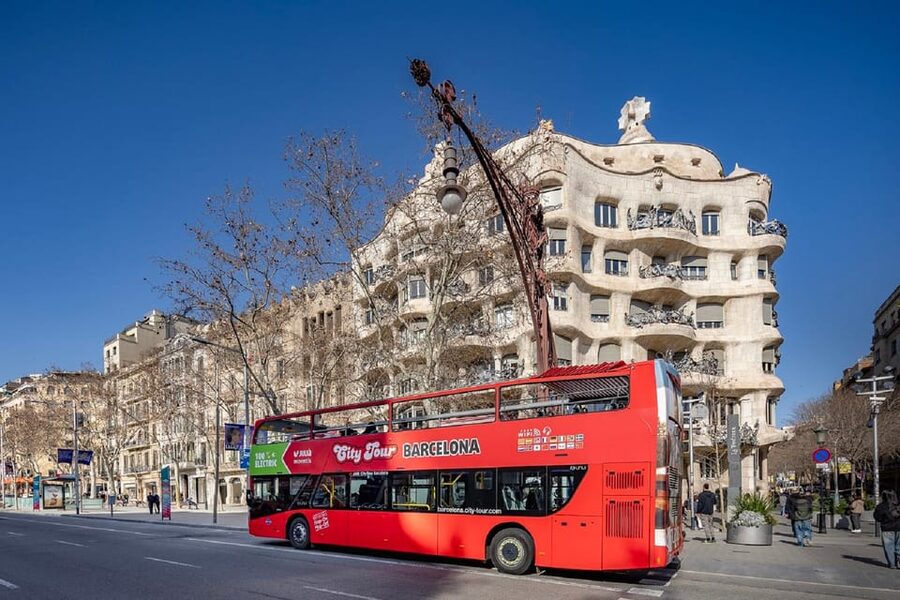
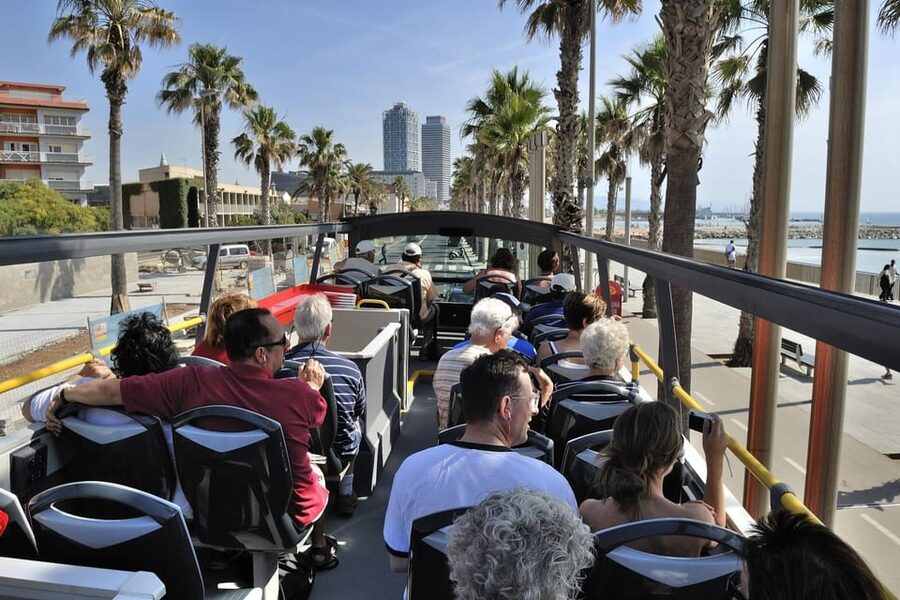
Port Olímpic is one of the best places to get off when you want a break from architecture and traffic. The area leads you toward Barcelona’s waterfront and promenade, where a walk changes the rhythm of the day.
I like this stop because it gives you something the upper deck cannot: time on foot beside the sea. You can stretch your legs, enjoy the promenade, and then return to a bus stop when you are ready.
A 48-hour ticket makes this kind of stop easier. With only one day, you may feel pressure to keep moving so you can complete both routes. With two days, you can spend longer at the port, Park Güell, a museum, or El Born without turning the whole day into a race.
One review refers to a blue catamaran line with an extra charge. That is separate from the included green and orange bus routes, so do not assume a bus ticket covers a boat ride.
Same city, a completely different evening:
- Barcelona: Park Guell Guided Tour with Skip The Line Entry
★ 4.7 · 17,563 reviews - Barcelona: La Pedrera-Casa Milà Ticket & Audio Guide Option
★ 4.7 · 15,099 reviews - Barcelona in 1 Day: Sagrada Familia, Park Guell,Old Town & Pickup
★ 5.0 · 13,541 reviews - Barcelona Aquarium: Entry Ticket
★ 4.3 · 13,335 reviews
One day or two?
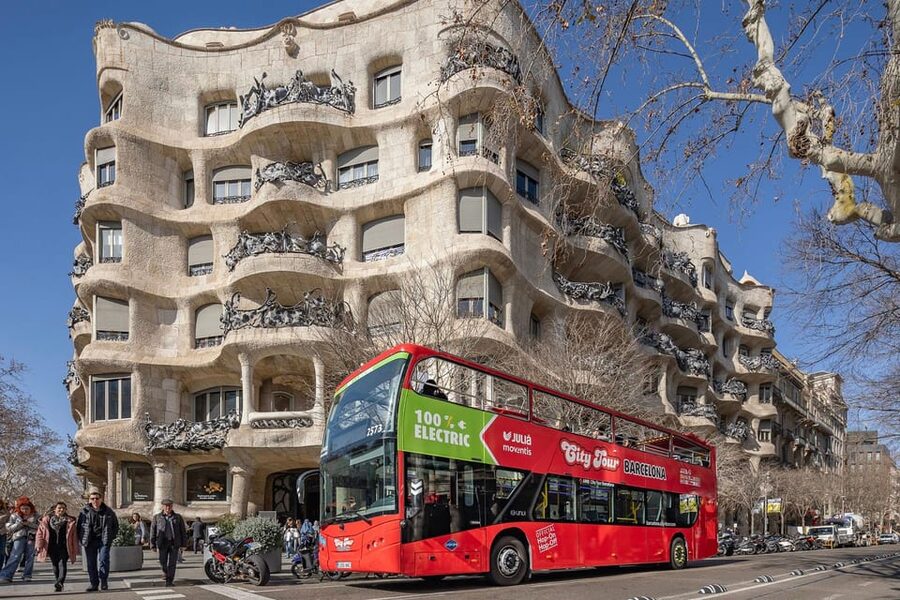
The 24-hour ticket can work well if you have limited time and want a fast overview. Several people managed both routes in one day, especially by staying on the bus for long stretches and choosing only a few stops.
That approach has a cost. You will see a lot, but you will not have much time for museums, meals, or extended walks. A packed one-day plan also leaves less room for traffic, a missed connection, or a crowded bus.
Choose 24 hours if:
- You are in Barcelona briefly.
- You mainly want an orientation ride.
- You plan to make only a few short stops.
- You are comfortable staying on the bus for much of the day.
The 48-hour ticket is the better choice for a relaxed visit. You can ride the orange route on one day and the green route on the next, a simple plan that gives each part of the city room to breathe.
It is also useful during a three-day stay. The bus can cover your sightseeing on two days, while you reserve the remaining time for places you want to explore slowly. One person used the 48-hour pass as the main way to get around during a three-day visit and did not need another form of transport.
The ticket is valid for one or two days, depending on what you buy. Check the available start times when booking, since operating details can change.
Audio commentary and onboard service
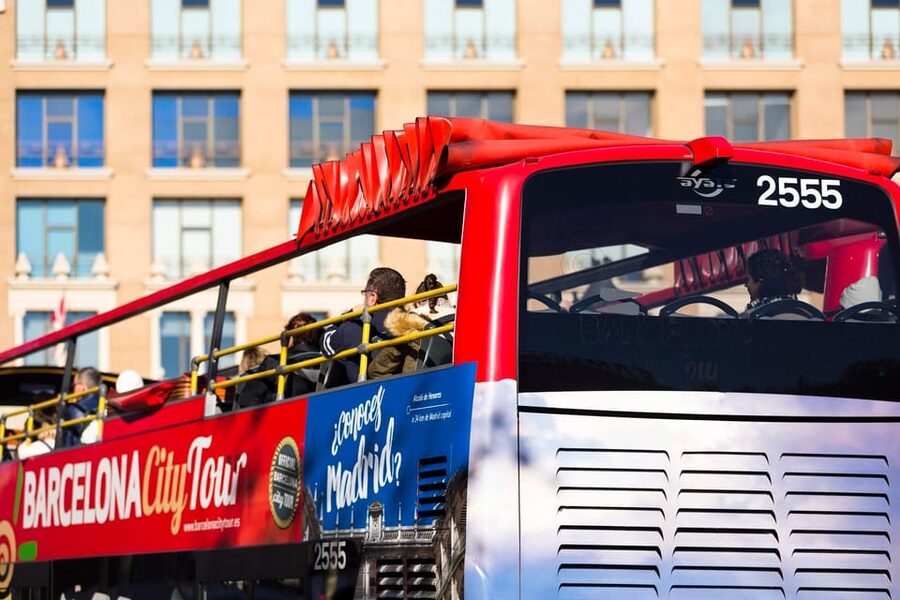
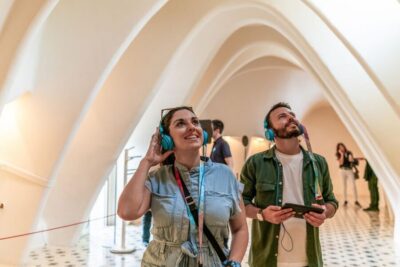
The audio guide is one of the strongest parts of this experience. You receive headphones, select from a long list of languages, and listen as the bus passes major sights. The commentary covers city history and explains details around the landmarks.
The sound quality is generally clear, and the system includes an option adapted for people with auditory disabilities. Seats equipped with the multilingual looping system are marked, and passengers who need that system receive priority for those seats.
There is one practical weakness: a few buses have had broken headphone sockets. If your audio does not work, try another seat or ask the staff for help. This is a small problem, but it can affect your experience if commentary is the main reason you booked.
The onboard staff are another plus. Staff members help with boarding, stops, and general questions. Catalina, named in one especially positive account, is described as detailed, funny, and welcoming. The service is not dependent on having a live guide narrate every moment, but helpful staff make the system easier to use.
You receive a city map showing the routes and stops, plus a discount booklet for selected shops and restaurants. Use the printed map as your basic planning tool. The live-tracking app can help you see departure times, but its route information and stop guidance may not always be accurate or up to date.
Bus comfort, timing, and the open top

The coaches are air-conditioned, and the buses are generally clean. The upper deck is the place to sit on a sunny day, giving you open views of Barcelona’s buildings and streets.
The open top is also the most weather-sensitive part of the experience. If rain is in the forecast, do not assume every upper-deck seat will be protected. One passenger got wet after finding no downstairs seats available. Bring a light rain layer and be ready to move inside.
The buses run regularly, but frequency varies by season. From November through March, service begins at 9 a.m. from various stops, with the last departure at 6 p.m. from Plaça Catalunya on the green route and from Pedrera on the orange route.
From April through October, service also begins at 9 a.m. The final departures are at 7 p.m. from those same route points. These final departure details matter because a late hop-off can leave you waiting or force you to find another way back.
The bus can get busy quickly, especially at popular stops. If the upper deck matters to you, board early in the day or be prepared to wait for a seat. Planning your must-see stops ahead of time also helps you avoid spending too much of your ticket sitting in traffic.
Barcelona occasionally closes streets for demonstrations, sports, cultural events, or official ceremonies. The route may change, and a protest once interrupted part of a ride. Build some flexibility into your schedule rather than timing a museum entry too tightly after a bus journey.
How to plan a useful day
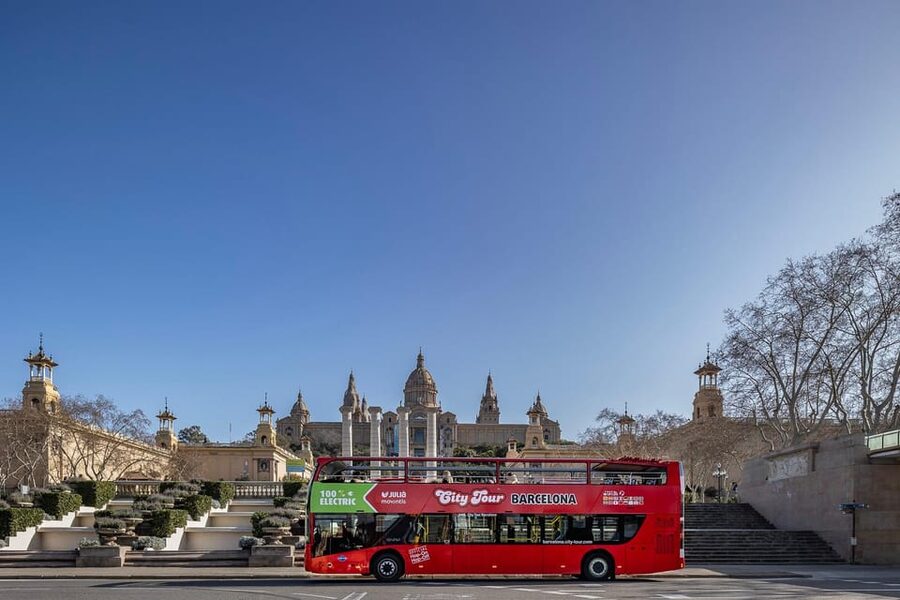
Start by studying the printed map before you board. Mark the sights you want to visit, then separate them into must-see stops and optional stops.
For a one-day plan, you might ride the green route toward Sagrada Família and Park Güell, then use the orange route for the stadium and National Museum of Art of Catalonia. You can also get off at Port Olímpic for a waterfront walk, but every extra stop reduces your chance of completing both circuits.
For two days, assign one route to each day. This is the least stressful plan and gives you time to stop for lunch, visit a museum, or walk around El Born.
Use the bus as a guide to your own priorities. If the audio commentary makes a neighborhood sound appealing, return later for a longer walk. If a stop does not interest you, stay aboard and keep seeing the city.
You can begin at any listed stop by showing your voucher to the guide on board. Hotel pickup and drop-off are not included, so you must reach a stop on your own. Wear comfortable shoes, since the best parts of Barcelona still happen after you get off.
Food and drinks are not included. That is not a problem, but it means you should plan meal breaks yourself, especially on a long route day. El Born gives you a natural place to pause, while Port Olímpic works well when you want a promenade walk.
Pets are generally not allowed. Assistance dogs are allowed, and pets may be accepted when transported in a suitably prepared basket, according to the stated conditions.
Who gets the most from this bus tour?
I would recommend it to first-time visitors, families, solo visitors, and anyone with only a short stay. It is particularly useful if you want to see Barcelona’s major districts before committing to individual attractions.
Families benefit from the ability to sit down between stops. Older visitors or anyone who would rather avoid repeated transfers may also appreciate the direct circuits and onboard seating.
Solo visitors can use the audio guide at their own pace, and the bus offers an easy way to see a lot without constantly checking directions. The open top is a treat for children, although you should keep an eye on weather and crowds.
I would be less enthusiastic if you already know Barcelona well and only need point-to-point transport. Public transport may be cheaper for short trips. I would also avoid relying on this as your only plan if you have tightly timed attraction reservations, since traffic and city events can interfere.
Should you book the 24 or 48-hour ticket?
Book the 24-hour ticket if your main goal is a quick city survey and you have a packed schedule. You can cover both routes in one day, but you will need to keep your stops selective.
Book the 48-hour ticket if you want to visit Park Güell, explore Port Olímpic, stop at a museum, and still have time for meals and walks. At $39 per person, two days offers better value when you use the bus repeatedly and let it replace several separate rides.
The strongest reason to book is not simply the number of sights. It is the combination of orientation, recorded explanations, easy route connections, and the freedom to get off when something catches your eye. The main tradeoff is a busy upper deck, occasional faulty headphone sockets, and schedules that can shift with Barcelona’s street life.
FAQ
How long is the Barcelona hop-on hop-off ticket valid?
You can choose a ticket valid for one day or two days. Check availability for the current starting times when booking.
Can I use both the green and orange routes with one ticket?
Yes. The same ticket covers both routes, allowing you to switch between them during its validity.
Where can I start the tour?
You can start at any of the stops listed for the tour. Show your voucher to the guide on board when you board.
Is hotel pickup included?
No. Hotel pickup and drop-off are not included. You must make your own way to a bus stop.
Which languages are available for the audio guide?
The audio guide is available in Spanish, Catalan, Chinese, Dutch, English, French, German, Italian, Japanese, Portuguese, Russian, Hebrew, Arabic, Swedish, Norwegian, and Turkish.
Does the ticket include entry to Sagrada Família or Park Güell?
No. The ticket includes bus transport and audio commentary, but attraction admission is not included.
What are the main sights on the green route?
The green route runs from Plaça Catalunya toward Park Güell and includes views of modernist buildings and Sagrada Família.
What can I see on the orange route?
The orange route reaches western Barcelona and includes FC Barcelona stadium, the National Museum of Art of Catalonia, and access to the El Born area.
Does the tour operate all year?
Yes, the stated service runs in winter and summer, but operating hours differ. From November through March, final departures are at 6 p.m. From April through October, final departures are at 7 p.m.
Can I bring a pet?
Pets are not generally allowed. Assistance dogs are allowed, and pets may be accepted when carried in a suitably prepared basket under the stated conditions.
Recently added in Barcelona
- Barcelona: Catamaran Cruise w/ Sailing, Wine, & Tapa★ 4.7 · 176 reviews
- Guided Gaudí Trencadís Mosaic Workshop in Barcelona 2 Hours★ 5.0 · 176 reviews
- Barcelona Cable Car Sky Views, Magic Fountain & Castle Visit★ 4.2 · 177 reviews
- Barcelona Private Sunset Sailing with Drinks★ 5.0 · 177 reviews
- Barcelona: Montserrat with Winery Visit and Farmhouse Lunch★ 4.7 · 178 reviews
- Barcelona: Nightmare Horror Museum Maze Entry Ticket★ 4.5 · 179 reviews
- Barcelona: City Sights Electric Quad Tour★ 4.8 · 178 reviews
- Barcelona: Professional Photoshoot Outside Sagrada Familia★ 4.8 · 179 reviews
Barcelona Tours, compared.

Sagrada Familia Entry Ticket with Audio Guide
Read the review →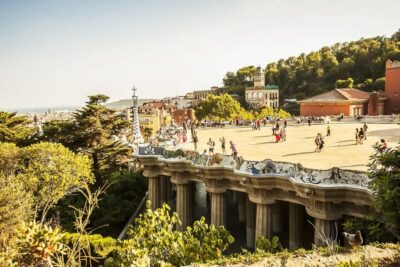
Park Guell Guided Tour with Skip The Line Entry
Read the review →La Pedrera-Casa Milà Ticket & Audio Guide Option
Read the review →
Barcelona in 1 Day: Sagrada Familia, Park Guell,Old Town & Pickup
Read the review →