
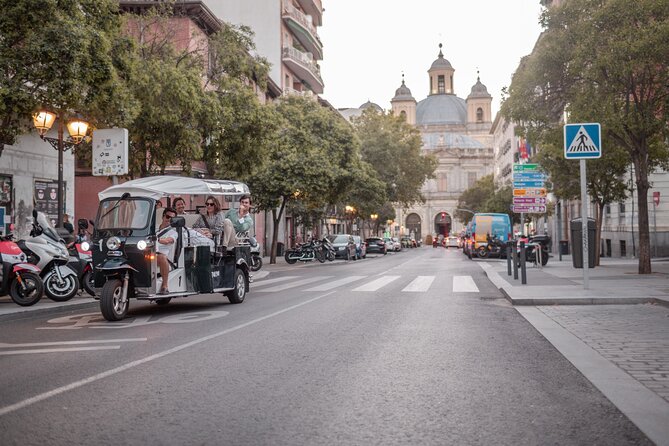
Reviewed · TUK-TUKS
Madrid Expert Tour with Local Guide in Eco Tuk Tuk Private
Madrid is easiest to understand from a moving tuk-tuk. In roughly three hours, you can connect the old center, grand boulevards, museum district, Salamanca, the Bernabéu, and the Royal Palace without wearing out your feet. Guides such as Jaime, Lucia, Carlos, and Gustavo have been praised for clear English, good humor, and useful local advice.
I like the private format, since your group gets the vehicle and can ask questions without competing with a busload of strangers. I also like the practical overview: you can spot places such as the Prado, Almudena Cathedral, or Royal Palace and decide where to return for a longer visit.
The main drawback is that this is a sightseeing ride, not a stop-and-study tour. The photo stops are prearranged, the route can change with road closures or demonstrations, and each tuk-tuk holds no more than four passengers. At about $28.67 per person, it is good value for orientation, but you should not expect a full museum visit or a long walk at every monument.
Key points to know before booking
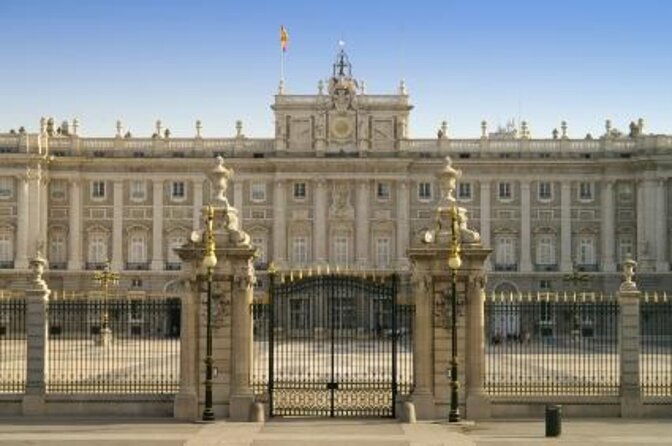
- Private electric vehicle: Your party rides together in a 100 percent electric tuk-tuk, with a legal limit of four passengers per vehicle.
- A fast first look at Madrid: The route links major sights from Atocha and the Prado to Salamanca, the Bernabéu, the Royal Palace, and the Temple of Debod.
- Guides make the difference: Named guides including Carlos, Lucia, Jaime, Manuel, Arturo, and Gustavo have been praised for warm service, clear English, history, and restaurant or sightseeing suggestions.
- Short walks and planned photos: You may get out at selected points for pictures and brief visits, but stops cannot be changed during the ride.
- Weather protection: Blankets, ponchos, and protective layers for rain and wind are available, though the tour normally runs in rain or heat.
- Useful for older visitors: The vehicles suit older people, and drivers can help with boarding. Children must be at least two years old and weigh at least 9 kilograms.
Why a tuk-tuk works well for a first day in Madrid
Madrid is spread out enough that a walking tour can leave you with a good feel for one neighborhood but little sense of the rest of the city. This route fixes that problem. You pass through central Madrid, the museum quarter, Salamanca, Paseo de la Castellana, and the western edge of the historic center in one outing.
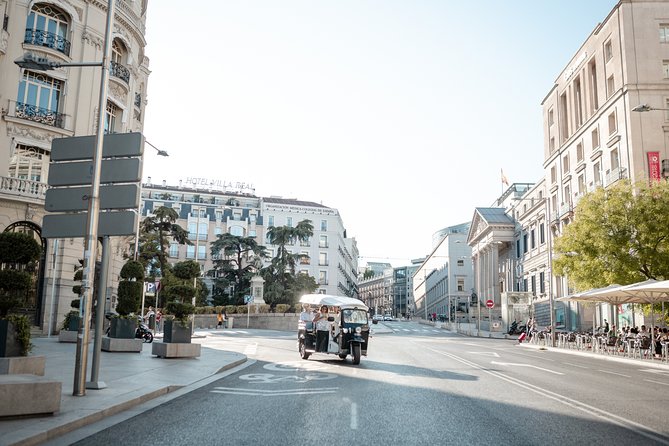
The small vehicle also handles crowded streets more easily than a coach. You are close to the street, so the ride feels more like moving through the city than looking down at it through a large window. At the same time, you avoid the long walks between attractions.
I would book this near the start of a two to five-day stay. A three-hour ride gives you a map in your head, and you can use the rest of your visit to return to the places that caught your eye. One especially useful pattern is the connection between the Prado, Retiro and Jerónimos area, Cibeles, and the center. These are all easy to recognize later.
This is also a sensible choice if your group includes someone who tires easily. The ride combines short walks with plenty of sitting. The private setup makes it easier to ask the guide to explain something again, though the route and official photo stops are fixed.
More Tuk-Tuk Tours in Madrid
- Madrid Welcome Tour with Local Guide in Eco Tuk Tuk Private
★ 5.0 · 2,936 reviews - Madrid: Private City Tour by Eco Tuk Tuk
★ 4.9 · 2,876 reviews - Madrid Historical Tour with Local Guide in Eco Tuk Tuk Private
★ 5.0 · 876 reviews
From the covered market to Atocha Station
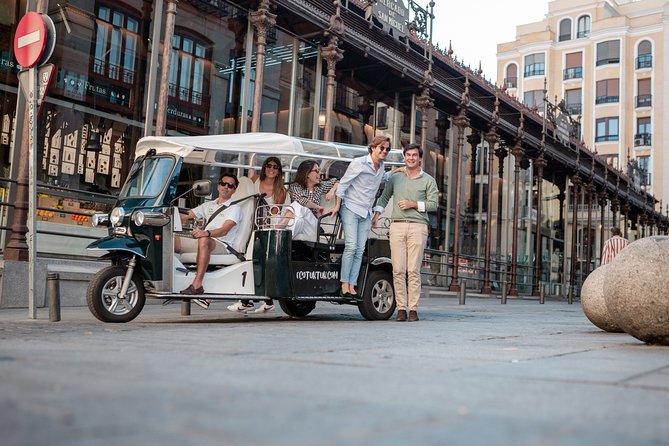
The first stop is a covered market dating from around 1916, with local food, delicatessen products, and events in an elegant setting. The market gives you an early taste of Madrid’s food culture and urban life without requiring a formal meal stop.
Treat this as a look, not a guaranteed tasting session. The tour information does not promise food samples or time to shop, so you should not plan your lunch around it. Still, it is a useful contrast to the monumental buildings that follow.
Atocha Station is one of Madrid’s great transport landmarks. It is the country’s busiest railway station and a major European rail hub, located by Plaza del Emperador Carlos V. The tuk-tuk gives you a quick sense of how the city connects to the rest of Spain.
Atocha is particularly useful to recognize if you are arriving or leaving by train. The ride does not promise an interior station visit, so think of this stop as orientation and exterior sightseeing rather than a station tour.
The Prado district and Madrid’s art treasures
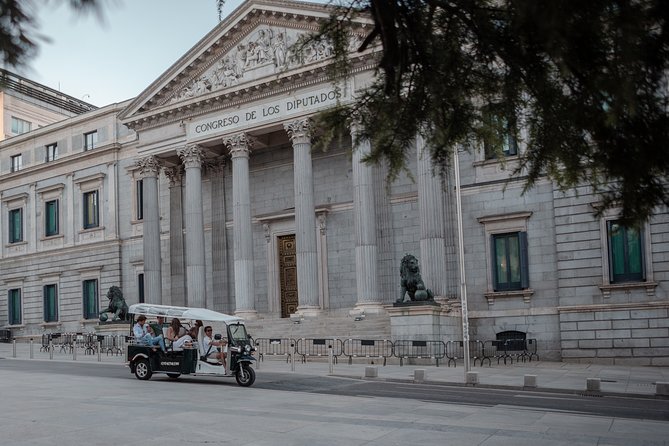
The route passes the Palace of the Spanish Courts, the home of Congress. Its neoclassical facade has six fluted Corinthian columns, a triangular pediment decorated with reliefs, and two iron lions made from cannons captured during the war in Africa.
That detail helps explain why Madrid’s architecture often mixes ceremony with political history. The bronze entrance door opens only on especially important occasions, so your view will normally be from outside.
Nearby, the Fountain of Neptune occupies the center of its namesake roundabout in Plaza de Cánovas del Castillo. Built between 1782 and 1786, the neoclassical fountain shows Neptune in his chariot. It is one of the key landmarks along Madrid’s grand central axis.
The major prize here is the Prado Museum. Its collection covers European painting from the 16th through the 19th centuries, with major works by Velázquez, El Greco, Goya, Titian, Rubens, and Bosch. Goya is especially well represented.
You will not tour the galleries during this tuk-tuk experience. That is an important limit. The ride can point you toward the museum and explain its place in Madrid, but you need a separate ticket and several hours if you want to see the collection properly.
One practical tip from the ride experience is to ask your guide about timing. A guide named John pointed out that the Prado offers free admission after 6 p.m., according to the information provided for this tour. Admission rules can change, so confirm the current hours before you rely on that plan.
Jerónimos Church, Puerta de Alcalá, and Salamanca
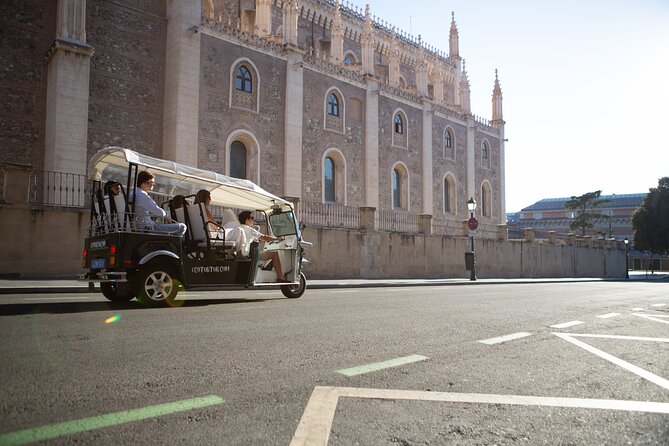
Next comes the Church of San Jerónimo el Real, usually called Los Jerónimos. The late Gothic church has Renaissance touches and a long connection with Spain’s monarchy. It was ordered by the Catholic Monarchs, served as a royal retreat, and hosted royal ceremonies, including the wedding of Alfonso XIII.
The church sits beside the Prado, making it easy to pair with a museum visit later. The tuk-tuk stop lets you understand the setting and perhaps step out briefly, but the experience does not guarantee a full interior visit.
Puerta de Alcalá is one of Madrid’s most recognizable monuments. Commissioned by Carlos III and opened in 1778, it was designed by Francesco Sabatini as a neoclassical triumphal arch. Its five openings make it unusual among European city gates.
Look for the different treatment on its two sides. One facade is simpler and includes four virtues, while the exterior side has a royal shield and heavier decoration. The name comes from the road toward Alcalá de Henares.
The tour then travels through the main streets of Salamanca, including Velázquez, Ortega y Gasset, and Serrano. This area gives you a different Madrid: wide streets, formal buildings, shopping, and a more polished urban feel than the old center.
The Salamanca section is valuable because it shows how much Madrid changes from neighborhood to neighborhood. You are not seeing only palaces and churches. You are also getting a quick look at a district known for its grand avenues and upscale atmosphere.
More tuk-tuk rides in Madrid:
- Madrid Express Tour with Local Guide in Eco Tuk Tuk Private
★ 5.0 · 413 reviews - Madrid: City Highlights Tuk Tuk Tour
★ 4.4 · 334 reviews - Tour Welcome Barcelona with Local Guide in Eco Tuk Tuk Private
★ 5.0 · 1,882 reviews - Barcelona: Private City Tour by Eco Tuk Tuk
★ 4.9 · 1,339 reviews
Paseo de la Castellana and the Bernabéu
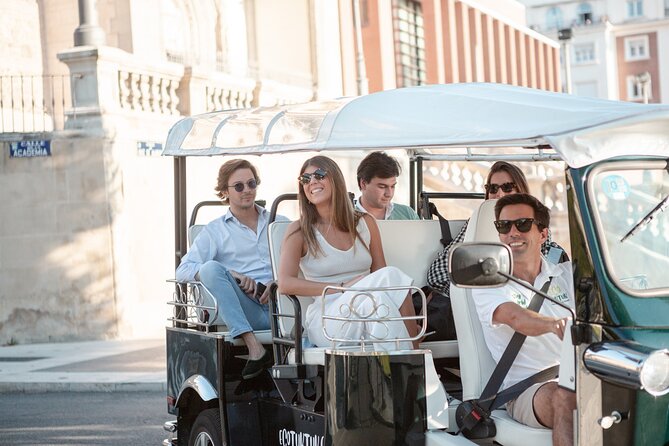
From Salamanca, the route heads toward Santiago Bernabéu Stadium along Paseo de la Castellana. The stadium opened in 1947 and now holds 81,044 spectators, making it a major part of Madrid’s modern identity.
This is a good photo opportunity for football fans, but the tour does not include stadium admission or a match. One guide, Carlos, added the stadium as a surprise during a longer four-hour outing, but you should treat that as guide-dependent rather than a promised extra.
The ride along Castellana also gives you a sense of Madrid’s scale. This broad north-south avenue links central districts with newer commercial and business areas. It is a useful counterpoint to the narrow streets around Plaza Mayor and the Royal Palace.
If football is a central reason for visiting Madrid, book a dedicated stadium experience separately. If you simply want to see the building and understand where it fits in the city, the tuk-tuk pass is enough.
Columbus, the National Library, and Cibeles
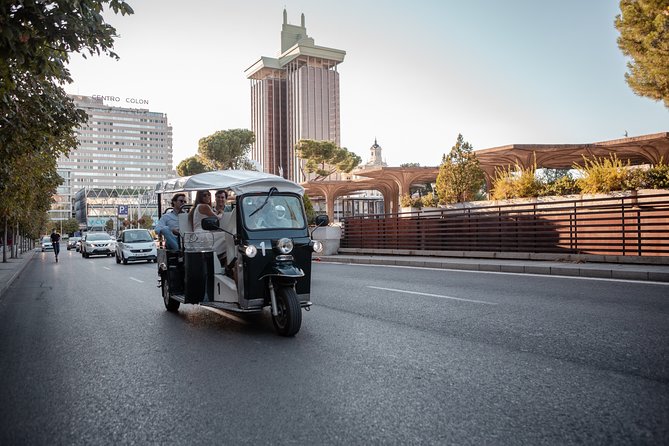
The Christopher Columbus monument presides over its square from a fountain surrounded by traffic. The white marble figure and carved pedestal reach about 17 meters and date from 1885. Nearby are the Gardens of Discovery and the Fernán Gómez Cultural Center underground.
The National Library of Spain is another major landmark along the route. It preserves Spain’s bibliographic and documentary heritage, with around thirty million publications, including books, maps, prints, drawings, music, magazines, and pamphlets. You will see the institution from the outside, while its exhibitions and museum explain more of the collection.
Then comes Plaza de Cibeles, one of Madrid’s most photographed intersections. The fountain shows the Roman goddess Cibeles riding a chariot pulled by two lions. The surrounding buildings include the Army Headquarters, Casa de América, Madrid City Hall, and the Bank of Spain.
Cibeles has a special football connection. Real Madrid supporters celebrate major team victories here, and the location also carries significance for celebrations involving Spain’s national team. Even if you do not follow football, the fountain is a strong visual marker and an easy place to recognize later.
The Bank of Spain adds another layer of civic grandeur. Its decorative facade was designed for a national institution responsible for issuing coins and banknotes. The interior is generally restricted to educational groups, universities, and certain nonprofit cultural organizations, so do not expect to go inside during this ride.
Santa Ana, San Francisco el Grande, and Almudena
Plaza de Santa Ana brings the tour back into the central neighborhoods. Created in 1810, the square has changed through several urban projects and now offers a more open setting amid the dense streets of the Centro district.
You also pass the Royal Basilica of San Francisco el Grande, formally the Basilica of Our Lady of the Angels. Its setting in the historic center makes it a useful reminder that Madrid’s religious landmarks are not confined to the area around the cathedral.
The Almudena Cathedral is Madrid’s most important religious building. Pope John Paul II consecrated it in 1993, making it the first cathedral consecrated by him outside Rome. The cathedral museum contains objects tied to the history of the Madrid diocese, including mosaics, episcopal shields, and church ornaments.
Several guides have allowed time for a short look inside the cathedral or the basilica, but the schedule is not a promise of a full visit. If you want to see the cathedral museum, roof, or interior in detail, plan a separate visit.
This part of the route is where the private format helps most. You can ask about church architecture, royal ceremonies, or the city’s religious history without waiting for a group to catch up. The guide’s personality matters here. Names praised for warmth and clear explanations include Manuel, Arturo, Alejandro, Salvador, and Lucia.
Royal Palace, Campo del Moro, and Temple of Debod
The Royal Palace, also called the Palacio de Oriente, is the grand finale of the central route. Construction began in 1738 after the earlier Habsburg palace was destroyed by fire, and the building became the regular residence of Carlos III in 1764.
Spain’s royal family now lives at the Palacio de la Zarzuela, so the Royal Palace is mainly used for ceremonies, receptions, and official events. The building is bordered by the Campo del Moro gardens and the Sabatini Gardens.
Campo del Moro stretches west from the palace toward the Paseo de la Virgen del Puerto. The garden covers about twenty hectares and has protected historical and artistic status. It can be visited during the day, but this tuk-tuk activity does not include a garden tour.
The route ends with 15 minutes at the Temple of Debod. This ancient Egyptian building was moved to Madrid and placed near the Paseo del Pintor Rosales, west of Plaza de España. Admission is free, and the hilltop setting gives the stop a different mood from the city’s palaces and avenues.
That final stop is useful for pictures and a quiet pause. It is also one of the few stops with a stated time, so you can expect a brief visit rather than an extended exploration. The vehicle then returns to the meeting point by Plaza de Oriente.
Price, timing, and comfort
At about $28.67 per person, the price is attractive if you want a private overview and your group fills the vehicle. The value drops if you are traveling alone or with only one companion, since the price is based on the number of tuk-tuks required for your party.
Each tuk-tuk has a legal maximum of four passengers. A larger family or group may need several vehicles, and separate vehicles can create a less personal experience. One four-star account also noted that tuk-tuk comfort can vary, with one vehicle offering less comfortable bench seating than another.
The ride lasts about two to four hours, with the typical version taking around three hours. A longer four-hour outing gives the guide more room for explanation and extra sightseeing, but the exact timing depends on traffic, route conditions, and the selected booking.
The vehicles are electric and sustainable, which is a practical fit for central Madrid. Blankets are available in winter, while ponchos and protective layers help in rain or wind. Tours run in rain or heat and are cancelled only in extreme conditions, so check the forecast and dress for exposure.
You must arrive on time. A delay shortens the activity and may change the route, while a delay of more than 15 minutes can lead to cancellation without a refund. Free cancellation is available up to 24 hours before the start time.
The meeting point needs careful attention. It is at the underground bus station by Plaza de Oriente, beside the Royal Palace, near the Puerta del Príncipe. There is no visible number 4 on Calle Bailén, so searching for Calle Bailén 4 or Puerta del Príncipe on a map should take you to the right entrance. Eco Tuk Tuk signs identify the stairs to the station.
If stairs are a problem, contact the operator by phone, WhatsApp, or email for elevator access. Hotel pickup and drop-off are not included, and transfers outside the route are not allowed.
Who will get the most from this ride
I would choose this tour for a first day in Madrid, a short stay, or a family group that wants to cover distance without a long walk. It also suits older people, since drivers can help with boarding and the itinerary mixes riding with brief walks.
It is a good match for first-time visitors who want context before choosing museums, churches, gardens, and neighborhoods for later. The guides have also given practical advice on food, shopping, and places to return to, which makes the private setting more useful than a recorded commentary.
I would hesitate if your main goal is detailed art, palace, or football sightseeing. The tuk-tuk points out the Prado, Royal Palace, and Bernabéu, but admission is not included and time inside is limited or absent. You will learn where to go, not complete the visit.
Pets are not allowed, and babies cannot participate. Children must be at least two years old and weigh at least 9 kilograms. The route may change because of closed streets or demonstrations, and you cannot request unscheduled photo stops.
Should you book the Madrid Eco Tuk-Tuk tour?
Book it if you want a private, efficient city orientation with an English-speaking driver-guide and minimal walking. The combination of central sights, Salamanca, Castellana, the Bernabéu, royal Madrid, and the Temple of Debod is hard to cover on foot in one morning.
I would make it one of my first activities, then return to the Prado, cathedral, palace, or gardens that interest you most. For the best value, bring three other passengers, arrive early, wear sun protection in hot weather, and carry water. In cool or wet weather, use the supplied blankets and rain layers.
Skip it if you prefer slow museum visits, long time at each monument, or a fully flexible route. But for a compact and friendly introduction to Madrid, this electric tuk-tuk offers a practical way to get your bearings fast.
FAQ
How long does the Madrid Expert Tour by Eco Tuk Tuk last?
The activity lasts approximately two to four hours, with the usual tour taking about three hours.
How many people can ride in one tuk-tuk?
The legal maximum is four passengers per tuk-tuk. Larger groups may need more than one vehicle.
Is the tour private?
Yes. Only your group participates in the private activity.
Is the tour offered in English?
Yes. The tour is offered in English with an expert companion guide-driver.
Where does the tour start and finish?
It starts at the underground bus station by Plaza de Oriente, near the Royal Palace and Puerta del Príncipe. The tour ends back at the same meeting point.
Is hotel pickup included?
No. Hotel pickup and drop-off are not included, and transfers outside the tour route are not permitted.
What happens if it rains or is cold?
The tour normally operates in rain or heat. Blankets and protective layers for rain and wind are available, and winter blankets can help keep you warm.
Can I cancel for a refund?
You can cancel up to 24 hours before the start time for a full refund. Cancellations or changes made less than 24 hours before the start time are not accepted for a refund.
Recently added in Madrid
- Entrance to the Flamenco Temple Room in Madrid with Tapas Option★ 5.0 · 176 reviews
- Tapas & Paella Cooking Class in Madrid with a Professional Chef★ 5.0 · 177 reviews
- Madrid: Toledo Day Trip with Winery Visit and Wine Tasting★ 4.4 · 177 reviews
- VIP visit to the Las Ventas Bullring in Madrid★ 5.0 · 178 reviews
- VIP Entrance Ticket to Our Secret Alley in Madrid★ 5.0 · 179 reviews
- Madrid: Prado & Reina Sofía Museums Guided Tour★ 4.5 · 180 reviews
- Madrid: Royal Palace tour – semi private or private★ 4.9 · 182 reviews
- Atletico de Madrid Stadium & Interactive Museum Admission Ticket★ 4.5 · 183 reviews
Tuk-Tuks, compared.
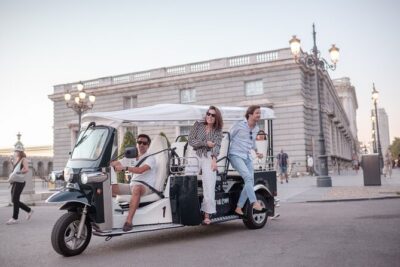
Madrid Welcome Tour with Local Guide in Eco Tuk Tuk Private
Read the review →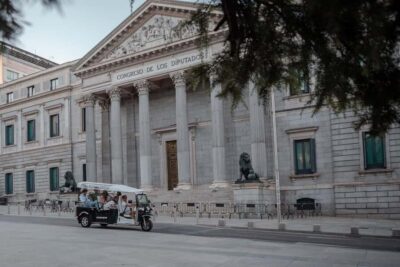
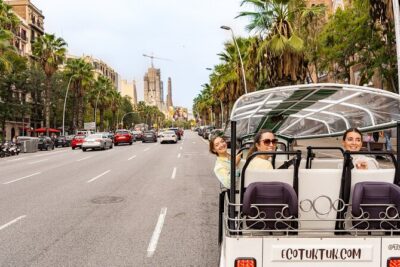
Tour Welcome Barcelona with Local Guide in Eco Tuk Tuk Private
Read the review →
Madrid Historical Tour with Local Guide in Eco Tuk Tuk Private
Read the review →
Browse the lists this tour appears in