
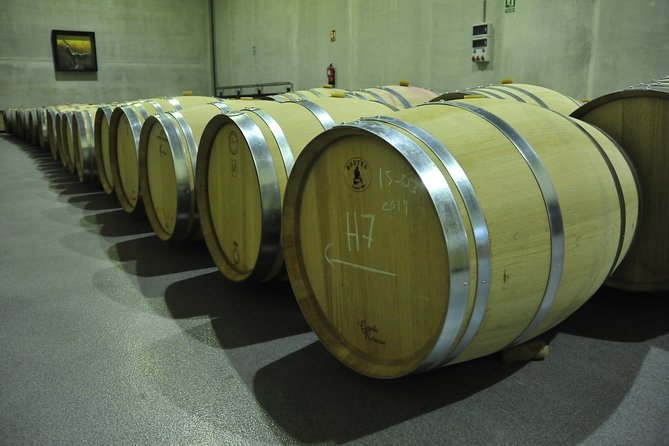
Reviewed · WINE TASTINGS
Ribera del Duero Wineries Guided Tour & Wine Tasting from Madrid
Ribera del Duero is best known for powerful Tempranillo reds, but this tour shows you much more than what sits in the glass. You travel from Madrid into high, dry wine country, visit three sharply different bodegas, and finish at an underground cellar cut deep into the earth.
I like the mix of old and new. One stop may be a modern winery open to the vineyards, while another leads you through tunnels used for wine storage since the Middle Ages. I also like the food served with the tastings, which means you are not drinking nine or more wines on an empty stomach. The drawback is the long day and the roughly two-hour drive each way.
Key points at a glance
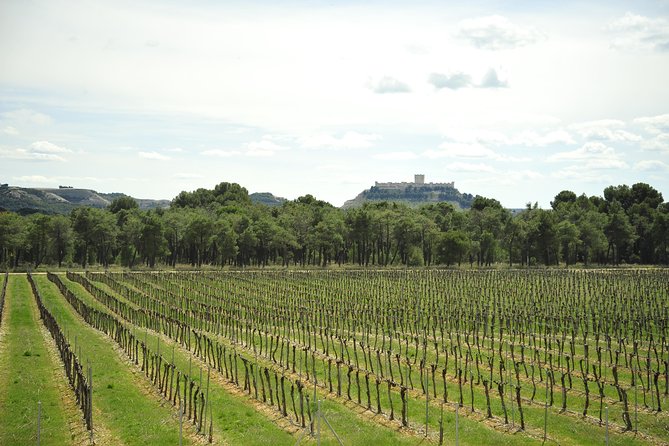
- Three contrasting wineries: Expect a blend of boutique production, modern facilities, and traditional family cellars.
- At least nine wine tastes: Each winery serves a minimum of three wines, usually with cheese, crackers, salami, or other snacks.
- The underground cellar is a highlight: One visit reaches a medieval tunnel network roughly four miles long and about 40 feet below ground.
- Lunch is flexible: You choose your own meal in a local town, but lunch is not included in the $223.82 price.
- Small-group setting: The tour allows up to 20 people, though some departures are much smaller. A Mercedes Sprinter can feel tight when nearly full.
- A very early, very full day: Pickup is at 9:15 a.m. and return is expected around 8 p.m., traffic permitting.
Why Ribera del Duero makes a good day trip from Madrid
Madrid is a fine base for food and wine, but its city streets do not show you where Spain’s most famous reds are made. Ribera del Duero lies about two hours away by road along the Duero River, which gives the region its name and much of its identity.
The area is closely tied to Tempranillo, the grape behind many of its full-bodied, fruit-filled red wines. The climate is extreme, with hot summers, cold winters, and conditions that force the vines to work hard. That helps explain why the wines often have firm structure, dark fruit, and plenty of character.
You will not spend the day touring one giant commercial plant. The plan is built around contrast. A young producer can show you a more personal, experimental side of the region. A large, polished facility can explain modern production at scale. An old underground bodega connects today’s wine with centuries of local practice.
That variety is the main reason I find this outing more useful than a simple tasting session in Madrid. You get to compare winemaking methods, buildings, cellar design, and family stories within one wine region.
More Wine Tastings in Madrid
- Toledo Tour & Vineyard Walk with Wine Tasting from Madrid
★ 5.0 · 2,546 reviews - Madrid: Tapas & Wine Tasting Tour with Local Guide
★ 4.8 · 2,171 reviews - Madrid Tapas & Wine Tour with Rooftop Views and Local Guide
★ 5.0 · 2,047 reviews
Leaving Madrid at 9:15 a.m.
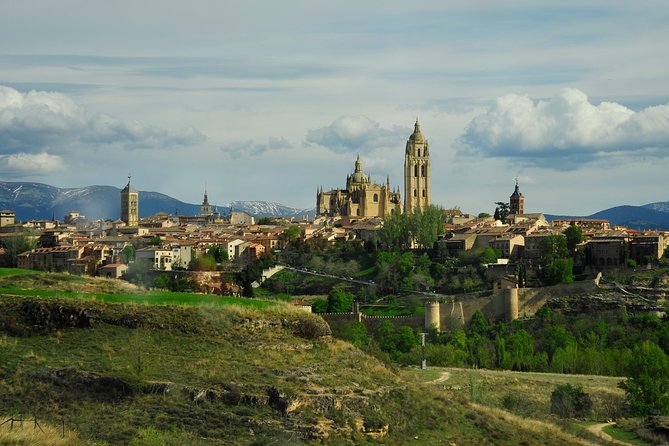
The meeting point is at the front door of the cafeteria at Hotel Claridge, at Plaza del Conde de Casal, 6. Conde de Casal Metro Station on Line 6 is nearby, so this is a practical place to reach from much of Madrid.
Take the departure time seriously. The vehicle leaves on time, and arriving late can mean arranging and paying for your own transport to catch up with the group. Plan your route the night before, then add 10 to 20 minutes to the journey time shown by a map app. A regular taxi is recommended over Uber for this early departure.
The drive takes about two hours, though some departures reach the first winery in closer to an hour and 45 minutes. A bilingual guide normally uses part of the ride to explain Spanish wine and the region, then gives you quiet time to look out at the countryside or rest.
The vehicle is air-conditioned, but space depends on the departure. The tour has a maximum of 20 people, yet some groups are much smaller. A group of six can feel easy and relaxed. One account described a nine-seat Mercedes Sprinter as somewhat cramped when full, so do not expect a luxury coach with room to stretch out.
First winery: start with the grape and the bottle
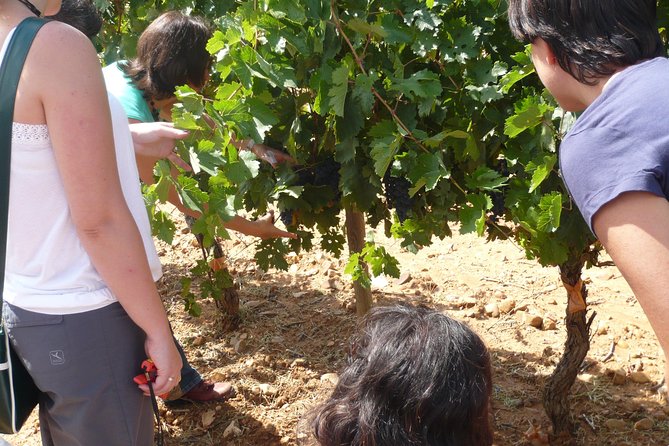
The first winery usually provides the fullest introduction to Ribera del Duero wine. You learn how grapes are grown, harvested, fermented, aged, and bottled, with special attention to Tempranillo.
The specific bodega can change. Past visits have included Territorio Luthier, described as a small and relatively young producer, and larger operations such as Bela. That flexibility means you should not book this expecting one guaranteed brand or building. The point is the range of producers.
At this stop, you can expect a guided visit lasting about 90 minutes. You taste at least three wines, often with enough cheese, crackers, salami, or similar snacks to keep the tasting comfortable. The pours have been described as generous, sometimes close to half a glass each, so pace yourself.
I like beginning with production basics because it gives the rest of the day some structure. Instead of tasting blindly, you can pay attention to the differences between fresh and aged wines, the effect of the local climate, and the choices made by each producer.
If wine is new to you, the guide can help you understand what you are tasting without turning the day into a technical class. If you already know Spanish wine, the pleasure comes from comparing producers and seeing how one grape can take different forms.
Second winery: modern design and open vineyard views
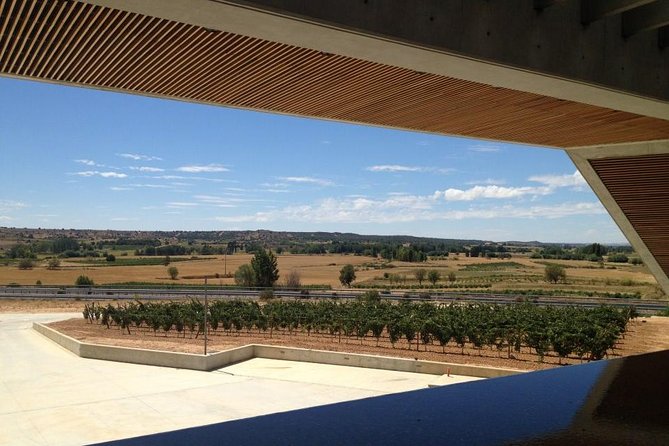
The second stop is chosen to feel different from the first. Its modern design connects the inside of the winery with the surrounding vines, using open views and functional spaces rather than hiding the production process behind an old facade.
This stop is useful because wine architecture is part of the Ribera del Duero story. Some producers are firmly tied to old cellars and inherited methods. Others use contemporary buildings, new equipment, and carefully planned visitor areas while still working with the same local grape.
Again, the named winery may vary by date. Some departures have included larger, state-of-the-art facilities, while others have featured smaller operations. You should see this as a strength of the format, not a promise of a fixed checklist. The operator changes the order and locations depending on the day.
The visit lasts about 90 minutes and includes at least three tastings. The host at the winery explains the selected wines and how they differ. Snacks are served here as well, which helps when several tasting stops are packed into one day.
The main thing to watch is your energy. By the second bodega, you have already spent hours on the road and tasted several wines. Drink water when it is available, eat the snacks, and do not feel obliged to finish every pour. A good wine day is measured by what you remember, not by how much you consume.
Same city, a completely different evening:
- Madrid: Tour Bernabéu Entry Ticket
★ 4.5 · 21,573 reviews - Madrid: Prado Museum Entry Ticket
★ 4.6 · 17,509 reviews - Madrid: Royal Palace Fast-Access Admission Ticket
★ 4.6 · 13,856 reviews - Madrid: “Emociones” Live Flamenco Performance
★ 4.8 · 12,866 reviews
A Castilian lunch stop in Roa
Lunch takes place during free time in or near Roa, and you choose where and what to eat. This is a welcome break from the fixed schedule, but it also means the meal is not included.
You might choose tapas for roughly 12 to 15 euros, or a full three-course Castilian meal for about 30 euros. The area is known for traditional regional cooking, and the guide can direct you to a local restaurant or tavern. Several accounts praised the lunch choices, including shared plates in an informal local setting.
I prefer this arrangement to a compulsory group menu. You can keep lunch light if you want to reserve your appetite for the afternoon tastings, or sit down for a full meal if you need a proper pause. Just budget for it separately from the tour price.
The one limitation is time. The stop is listed as about an hour, so this is not an opportunity for a leisurely restaurant lunch. If you want three courses, keep an eye on the clock and follow the guide’s timing.
Third winery: descend into medieval wine tunnels
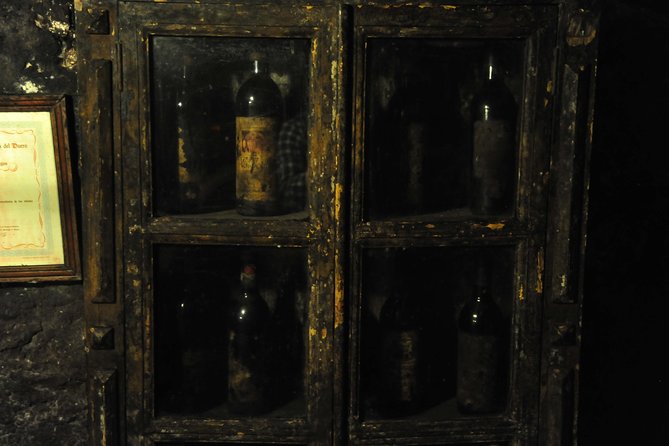
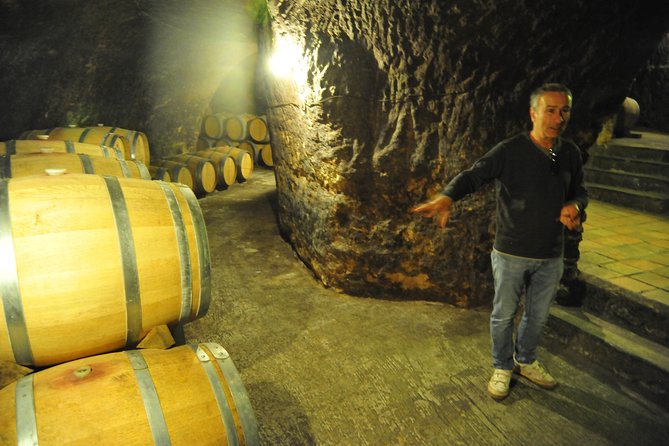
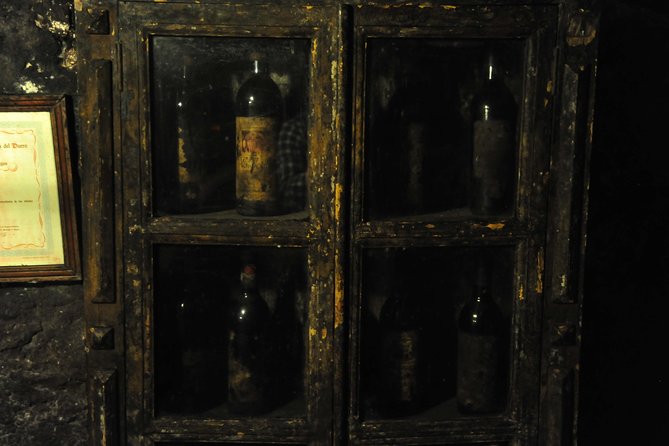
The final bodega is often the most memorable stop because it takes you below ground. In Curiel de Duero, the traditional cellar is part of a network of underground tunnels excavated roughly 40 feet below the town.
The entire network is said to run for about four miles. These cool, dark passages were used to preserve wine long before modern temperature control. Walking through them gives you a direct sense of how Spanish wine was stored and protected in earlier centuries.
Some accounts describe cellars dating to the 16th century, while the tour description connects the underground network with wine made and stored since the Middle Ages. Either way, this is not just another room with barrels. The cellar shows how local communities built wine culture into the ground beneath their homes and streets.
The third visit lasts about 90 minutes and includes at least three more wines. This is where the contrast between modern winery design and old cellar tradition comes together. You have seen production in newer facilities, then finish in a place shaped by generations of local wine work.
Bring a warm layer. The cellars can be cold even when the day outside is warm. Shoes with a secure sole are also a sensible choice for underground walking, although no special equipment is listed.
Guides make the long day work
The tour is operated by a bilingual guide in English and Spanish. Guides named in the feedback include Ismael, Antonio, Cosmin, also called Cos, Mina, Muna, and Alfonso. Your specific guide depends on the date and departure.
Ismael received especially strong praise for his clear English, regional knowledge, calm driving, and ability to explain the day’s schedule. Antonio was appreciated for his explanations of production, tasting, and local history. Cosmin was singled out for safe driving, good restaurant choices, and practical help during the day.
The guide is more than a driver. On a trip with several moving parts, the guide keeps the schedule together, explains what to expect, translates when needed, and helps you make sense of the differences between the bodegas. That personal guidance is a major part of the price.
The operator calls the tour bilingual if necessary, so you should be comfortable with English and Spanish being used during the day. If you have questions about wine, ask them. The small-group format can make conversation easier, especially when the departure has fewer than 10 people.
What $223.82 includes, and what it does not
At $223.82 per person, this is not a cheap excursion. The price includes round-trip transport from Madrid, a local bilingual guide, three winery visits, at least three wine tastes at each winery, and snacks at the bodegas.
That works out to a full day of transport and organized access rather than simply paying for wine. Reaching Ribera del Duero independently would require arranging a car or public transport, planning winery appointments, and coordinating several locations that may be spread across different towns. The tour removes that work.
You also get access to small and traditional producers that may be difficult to arrange on your own. The underground cellar, in particular, adds something that a standard Madrid tasting cannot offer.
Lunch is extra, with a suggested budget of about 12 to 30 euros. Wine purchases are also extra. One detailed account described buying bottles from two smaller wineries for shipment to the United States, but shipping arrangements and costs are not included in the tour price.
The value is strongest if you want a guided wine education day and do not want to drive after tasting. It is weaker if you prefer to visit one winery slowly, choose every bottle yourself, or avoid a long day in a vehicle.
The practical tradeoffs to know before booking
The tour lasts about 10 to 11 hours. Departure is at 9:15 a.m., and return to Hotel Claridge is expected around 8 p.m., though Madrid traffic can change the timing.
That makes this a poor choice for a day when you have an evening train, flight, or fixed dinner reservation. It is a better fit when you can give the entire day to the excursion and accept that the road time is part of the experience.
Children under 12 cannot join the shared tour. The minimum age for wine tasting is 18, and children must be accompanied by an adult. The tour is not offered as a shared experience for younger children, although a private arrangement may be possible by contacting the operator.
The tour requires at least four participants. If that minimum is not reached, the operator can cancel after confirmation, normally notifying you one week ahead and offering another option or a full refund.
Free cancellation is available up to 24 hours before the start time. Cancellations or changes made inside that window are not refunded or accepted, so keep your Madrid schedule flexible until the day before.
Who will enjoy this Ribera del Duero tour most
I would choose this tour if you want to see a major Spanish wine region but have limited time in Madrid. It suits wine beginners because the day explains the process from grape to bottle, yet it also gives experienced wine drinkers three different producers to compare.
It is especially good for people who value local food, old cellars, and access to places that are awkward to reach without a car. Couples, small groups of friends, and solo visitors who enjoy meeting people on organized outings should find the format comfortable when the departure is not full.
You should think twice if long drives wear you down, if you want a slow lunch, or if your main goal is to visit one famous winery in depth. The itinerary can change, and the named bodegas are not guaranteed. You are booking the regional experience and the range of styles, not a fixed brand tour.
Should you book it?
Yes, if you can handle a full day and want a practical way to reach Ribera del Duero from Madrid. The combination of nine or more tastings, local snacks, three different winery settings, and the underground cellar gives the trip real substance.
I would book it for the variety and the history, not just the amount of wine. You will spend a good deal of time on the road, but the reward is a useful look at how Ribera del Duero works, from modern production to centuries-old tunnels. Pack a warm layer, arrive early, budget for lunch, and keep your evening free.
FAQ
Where does the tour begin?
It begins at the front door of the cafeteria at Hotel Claridge, next to the hotel’s main entrance, at Plaza del Conde de Casal, 6, Madrid.
What time does the tour start?
Pickup is at 9:15 a.m. You should arrive early because the tour departs on time.
Which Metro station is closest to the meeting point?
Conde de Casal Station on Metro Line 6 is the closest listed station.
How long does the tour last?
The tour takes about 10 to 11 hours, depending mainly on traffic in Madrid. The expected return is around 8 p.m.
How many wineries will I visit?
You will visit three wineries. The order, towns, and specific bodegas can change depending on the day.
How many wines are included?
Each winery includes a minimum of three wine tastings, so you should receive at least nine tastings during the day.
Is lunch included?
No. You have free time to choose your own lunch, and the suggested budget ranges from about 12 to 15 euros for tapas to around 30 euros for a full three-course meal.
Are snacks provided during the tastings?
Yes. Snacks are provided at the wineries, and the food can include items such as cheese, crackers, and salami.
Can children join the tour?
Children under 12 cannot take part in the shared tour. The minimum age for wine tasting is 18, and children must be accompanied by an adult.
What happens if the tour does not reach its minimum group size?
The tour requires at least four participants. If the operator cancels because that minimum is not reached, you will be offered another date or experience, or a full refund.
Is cancellation free?
You can cancel for a full refund up to 24 hours before the experience begins. Cancellations or changes made less than 24 hours before the start time are not accepted for a refund.
Should I bring a jacket?
Yes. The cellars can be cold, so warm clothing is recommended even if the weather in Madrid or outside the wineries is mild.
Recently added in Madrid
- Entrance to the Flamenco Temple Room in Madrid with Tapas Option★ 5.0 · 176 reviews
- Tapas & Paella Cooking Class in Madrid with a Professional Chef★ 5.0 · 177 reviews
- Madrid: Toledo Day Trip with Winery Visit and Wine Tasting★ 4.4 · 177 reviews
- VIP visit to the Las Ventas Bullring in Madrid★ 5.0 · 178 reviews
- VIP Entrance Ticket to Our Secret Alley in Madrid★ 5.0 · 179 reviews
- Madrid: Prado & Reina Sofía Museums Guided Tour★ 4.5 · 180 reviews
- Madrid: Royal Palace tour – semi private or private★ 4.9 · 182 reviews
- Atletico de Madrid Stadium & Interactive Museum Admission Ticket★ 4.5 · 183 reviews
Wine Tastings, compared.

Montserrat & Cogwheel Train, Gourmet Wine Tasting & Tapas/Lunch
Read the review →
Montserrat with Black Madonna & Medieval Winery with Tapas/Lunch
Read the review →
Montserrat and Winery Tour with Tapas or Lunch
Read the review →
Ronda+Setenil de las Bodegas with Little Train
Read the review →
Toledo Tour & Vineyard Walk with Wine Tasting from Madrid
Read the review →
Málaga & Costa del Sol: Ronda and Setenil de las Bodegas
Read the review →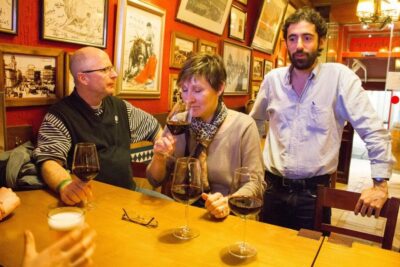
Browse the lists this tour appears in