
Reviewed · SPAIN
Whalewatching La Gomera
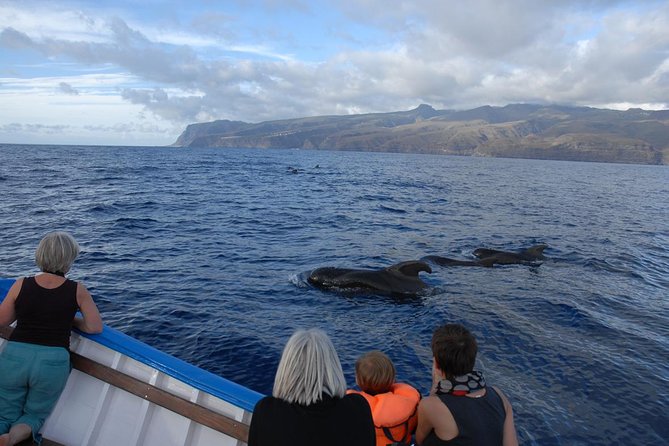
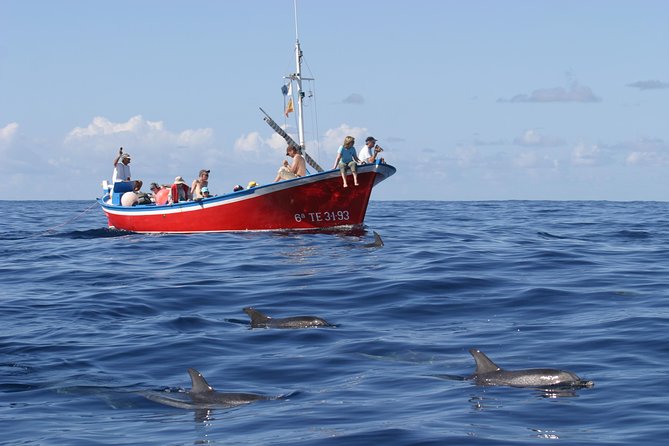
The best part of this La Gomera whale-watching trip is its small scale. You go out from Vueltas harbour in a traditional Canarian fishing boat with no more than 10 people, rather than sitting in a large crowd waiting for someone else to spot the blow of a whale. The boat heads into the ocean southwest of La Gomera, where dolphins, pilot whales, other whales, turtles, and sometimes even sharks may appear.
I like two things right away: the close-to-the-water setting and the guides’ clear respect for the animals. Melanie, Nicole, Carmen, and skipper Noel are praised for explaining marine life with warmth and enthusiasm, while allowing the boat to watch rather than chase. I also like the stated sighting rate of about 90%, though that does not mean every trip will bring the same species or equally close encounters.
The trade-off is comfort. This is a working-style fishing boat, not a floating lounge. One boat has no roof, and water is not necessarily provided, so bring sun protection and your own drinks. The sea can also be lively, and you need a moderate level of fitness.
Key points to know before booking
- Maximum of 10 people: The small group makes it easier to hear the guide and get a clear view around the boat.
- Three to four hours at sea: You have time to search patiently instead of rushing from one sighting to the next.
- Traditional Canarian fishing boat: Expect an authentic, simple boat rather than a large sightseeing vessel with extensive facilities.
- Whale sightings are not guaranteed: Dolphins may be plentiful, but wildlife is wild and conditions change.
- Guides speak English, German, and Spanish: The guide may be multilingual, with Melanie, Nicole, Carmen, or Noel involved.
- Summer bathing stop on request: Ask if you would like to swim, although this depends on the day and conditions.
Leaving Vueltas harbour for the open water
The outing begins at the harbour of Vueltas in Valle Gran Rey, on La Gomera’s southwest coast. The boat then heads 2 to 3 nautical miles offshore, into the waters southwest of the island, for a search lasting around three to four hours.
That route matters. You are not simply motoring to a fixed viewing platform. The crew needs to read the water, watch for blows and fins, and adjust the course as marine life moves. Some trips may find animals quickly. Others require patience. One group spent extra time at sea while the crew searched for a family of whales, rather than turning straight back when the first attempt took longer.
That is a good sign for anyone who cares more about a thoughtful wildlife outing than a strict timetable. Still, extra time should not be treated as guaranteed. The advertised duration remains approximately three to four hours.
As the boat leaves the harbour, you get a changing view of La Gomera’s coast and the quiet of the Atlantic. The trip is as much about being on the ocean as ticking animals off a list. The small boat helps you feel the movement of the water and keeps the outing personal, but it also means less protection from sun, wind, and spray.
What else fills a Spain itinerary:
- Barcelona: Sagrada Familia Entry Ticket with Audio Guide
★ 4.6 · 105,312 reviews - Barcelona: Park Güell Admission Ticket
★ 4.4 · 76,534 reviews - Seville: Royal Alcázar Entry Ticket
★ 4.6 · 28,378 reviews
Watching dolphins, whales, turtles, and more
The waters around La Gomera can produce a varied wildlife show. Sightings on different outings have included spotted dolphins, bottlenose dolphins, pilot whales, other whales, turtles, and a small hammerhead shark.
Dolphins may be the most active part of the trip. They can swim beside the boat for a long stretch, with one outing recording more than an hour of dolphins close by. You might see jumping, fast turns, or groups moving alongside the hull. These moments are often more engaging than a distant whale surfacing once because the action can continue while the boat moves slowly.
Whales require a different kind of attention. A guide may spot a blow before you see the animal itself. One outing caught sight of a whale’s blow but not the whale, a useful reminder that whale watching involves clues, patience, and a little luck. Other trips have seen several whales, including pilot whales and a young calf.
The guide’s role is important here. Melanie is described as warm, enthusiastic, and passionate about the sea, while Nicole has been praised for explaining the animals and the effect of ferry traffic on marine life. You are not just pointed toward a fin. The guide can discuss physiology, behavior, and the wider pressures facing whales and dolphins.
Turtles and sharks are possible extras, not promises. Three turtles were seen on one trip, while another outing included a small shark. These sightings add variety, but you should book for the chance to observe marine life, not for a fixed list of species.
A quieter approach to wildlife
The strongest reason to choose this excursion is the way it approaches the animals. The boat is small, and the crew aims to watch without turning the outing into a chase. That distinction matters.
A fast, crowded boat may cover more water, but it can also make the experience feel hurried. Here, the crew’s reported approach is gentler. The boat keeps a respectful distance and allows the animals to decide how close they come. Dolphins that choose to swim near the boat can make the encounter feel remarkably intimate without the crew forcing the moment.
I also like that the guides connect the wildlife to the wider sea. Learning about ferry traffic and its effect on whales gives the outing a useful edge. You come away with more than photos. You gain a clearer sense of how noise and boat movement affect marine mammals.
The small group helps with this. With a maximum of 10 people, you have a better chance of hearing the explanation and moving your attention between the guide and the water. On a large boat, a sighting can disappear behind a forest of heads. Here, the setting should feel more direct.
The limitation is that a small boat offers fewer comforts. One visitor found the lack of a roof and drinking water disappointing. The operator’s focus is deliberately on the sea and wildlife, not on onboard catering or polished facilities. Pack accordingly.
What the guides add to the trip
The crew is central to the experience. Guides may speak English, German, and Spanish, and the tour can be operated by a multilingual guide. Names associated with the outings include Melanie, Nicole, Carmen, and skipper Noel.
Melanie is especially noted for her energy and friendly manner. Carmen has also been praised as a capable host, while Noel is identified as a skipper who helps create the relaxed small-boat atmosphere. The precise team on your departure may differ, so do not assume a particular guide is guaranteed.
A good wildlife guide does two jobs. First, the guide helps you find animals that are easy to miss. A blow, dorsal fin, or change in the water may last only seconds. Second, the guide gives meaning to what you see. The tour promises information about the physiology and behavior of whales and dolphins, which makes even a brief sighting worthwhile.
The best advice is to listen before the animals appear. You may learn what to watch for, where to look, and how to tell one species from another. That preparation can make you faster at spotting a dolphin or identifying a pilot whale.
Same city, a completely different evening:
- Barcelona: Casa Batlló Entry with Self-Audioguide Tour
★ 4.7 · 25,359 reviews - Seville: Cathedral and La Giralda Entry Ticket
★ 4.5 · 24,592 reviews - Madrid: Tour Bernabéu Entry Ticket
★ 4.5 · 21,573 reviews - Barcelona: 24 or 48-Hour Hop-On Hop-Off Bus Tour
★ 4.4 · 20,872 reviews
The boat, comfort, and what to bring
The boat is a traditional Canarian fishing boat with room for no more than 10 people. That gives you a more personal outing and a close view of the water, but it does not offer the same shelter or seating layout as a large catamaran.
A roof is not guaranteed. One account specifically noted an open boat and no water for passengers. This is the most important practical drawback, especially in strong sun or changing weather. Bring a hat, sunscreen, sunglasses, a light layer, and water. Keep phones and cameras protected from spray.
The tour calls for moderate physical fitness. You should be comfortable spending several hours on a small boat and handling normal movement at sea. The supplied information does not describe special accessibility arrangements, so contact the operator before booking if you have mobility concerns or need specific support.
A bathing stop may be offered on request during summertime. This is a pleasant option if conditions allow, but it should not be the main reason you book. The core activity is whale and dolphin watching.
Food and alcoholic drinks are not included. The supplied details also do not promise a meal or snacks. Plan to eat beforehand and bring water unless the operator confirms otherwise.
How much value do you get for $54.54?
At $54.54 per person, this is priced in the middle range for a half-day wildlife outing, but the real value comes from the group size and time on the water. You receive three to four hours aboard a small boat with a maximum of 10 people, plus a guide who explains the animals in several languages.
That works out well if you value personal attention and a quiet approach. A large boat may offer more shade, toilets, or onboard services, but this trip puts the money into the boat time, the skipper, and the search for wildlife.
The stated sighting rate is approximately 90 percent. Read that carefully. It suggests that most departures encounter some marine life, not that 90 percent of passengers see whales close up. Dolphins may be the more likely highlight, while whales can be farther away or visible only briefly.
The price makes the most sense if you are happy with a natural encounter rather than a guaranteed performance. You are paying for time and opportunity. The ocean decides the final result.
Who will enjoy this La Gomera tour?
I would choose this for someone who prefers a small, personal boat and cares about responsible wildlife viewing. It suits couples, families, and solo visitors who want to hear the guide without a crowd. One family outing included attentive care for a child, which suggests the crew can be thoughtful with younger passengers, although the tour still requires moderate fitness.
It also suits people with an interest in marine science. The guides discuss behavior and physiology, and the experience can raise useful questions about boat traffic and the health of the sea.
You may want a different type of excursion if comfort is your top concern. If you need a roof, guaranteed drinking water, extensive seating, or a stable large vessel, check those details before booking. The operator intentionally keeps the experience simple.
The tour also requires patience. You could see dolphins beside the boat for an hour. You could see one whale, a blow, turtles, or nothing more than distant signs of life. A wildlife trip is not a theatre show, and no responsible operator can control the animals.
Timing, meeting details, and cancellation terms
The activity begins and ends at the meeting point, with no hotel pickup or drop-off. The information identifies Vueltas harbour in Valle Gran Rey as the departure point and also gives Calle Carretera, 1A, 38870, Santa Cruz de Tenerife, Spain as the start address. Because those details do not appear perfectly aligned, confirm the exact meeting instructions and harbour location after booking.
A mobile number is required during booking, and confirmation is sent within 48 hours, subject to availability. The tour may be cancelled if weather is poor or if the minimum number of people is not reached. In those cases, you are offered another date or experience, or a full refund.
For any other cancellation or amendment, the booking is non-refundable. That makes travel insurance or careful scheduling sensible if your plans may change.
Is Whalewatching La Gomera worth booking?
Yes, if you want a small-group marine wildlife trip with a respectful tone and a real chance of seeing dolphins or whales. The combination of a traditional fishing boat, a maximum of 10 people, multilingual guiding, and up to four hours at sea gives this outing a strong sense of place.
I would book it for the guides, the quiet approach, and the chance to watch animals on their own terms. I would not book it expecting a guaranteed whale encounter, luxury seating, or a fully serviced boat.
Bring water, sun protection, and patience. Confirm the exact meeting point, check the weather, and keep your expectations open. If the sea cooperates, this can be one of the most memorable ways to meet La Gomera’s offshore wildlife.
FAQ
Where does the whale-watching tour depart?
The boat leaves from Vueltas harbour in Valle Gran Rey, La Gomera. The supplied meeting information also lists Calle Carretera, 1A, 38870, Santa Cruz de Tenerife, Spain, so confirm the exact meeting instructions after booking.
How long does the tour last?
The outing lasts approximately three to four hours.
How many people can join the boat?
The tour has a maximum of 10 participants.
What animals might I see?
Possible sightings include whales, pilot whales, spotted dolphins, bottlenose dolphins, turtles, and sharks. Sightings vary, and no particular species is guaranteed.
Are whale sightings guaranteed?
No. The stated overall sighting rate is approximately 90 percent, but the type, distance, and duration of any sighting can vary.
What languages are available?
The guide service is available in German, Spanish, and English. The tour may be operated by a multilingual guide.
Is hotel pickup included?
No. Hotel pickup and drop-off are not included, and transportation to and from the attraction is also excluded.
Can I swim during the tour?
During summertime, a bathing stop is offered on request. It depends on the outing and conditions.
Are drinks included?
Alcoholic drinks are not included. The information does not state that drinking water is provided, so bring your own water.
What happens if bad weather cancels the tour?
If poor weather causes cancellation, you are offered a different date or experience, or a full refund. If the minimum number of participants is not reached, the same options apply.
Recently added in Spain
- From Andratx: Formula Sunset Driving Tour★ 4.8 · 176 reviews
- Barcelona: Catamaran Cruise w/ Sailing, Wine, & Tapa★ 4.7 · 176 reviews
- Entrance to the Flamenco Temple Room in Madrid with Tapas Option★ 5.0 · 176 reviews
- Valencia Private Walking Tour with Official Valencian Guide★ 5.0 · 176 reviews
- Fuerteventura: Round-Trip or 1-Way Ferry Ticket to Lanzarote★ 4.7 · 176 reviews
- Mallorca Sailing Adventure with Snorkeling, Snacks & Drinks★ 5.0 · 176 reviews
- Benahavís: Canyoning Guided Tour at Guadalmina River★ 5.0 · 177 reviews
- Guided Gaudí Trencadís Mosaic Workshop in Barcelona 2 Hours★ 5.0 · 176 reviews