
Reviewed · WALKING TOURS
Seville Jewish Quarter walking tour: Santa Cruz District
Santa Cruz is at its best when you stop treating it as a route between Seville’s cathedral and Alcázar. This 90-minute walk takes you into its tight lanes, flower-filled patios, quiet plazas, and old corners where Jewish heritage, Christian tradition, opera, and local folklore overlap.
I like the small-scale storytelling, especially when guides such as Julio, Anna, Juan, Lara, Alfredo, and Valentin answer questions instead of simply reciting dates. I also like the focus on details you could easily miss alone, from street names and water systems to the stories attached to Susona and Barrabás.
The trade-off is time. Ten minutes at each listed stop goes quickly, and this is more of an introduction than a full study of Seville’s Jewish past. Wear comfortable shoes, use sunblock, and expect very little shade in parts of the route.
Key points to know before you book
- Stories give Santa Cruz its shape: Hear about Susona, Miguel Mañara, Barrabás, and the legends tied to local streets.
- The route covers more than pretty lanes: You visit Plaza del Triunfo, Plaza de la Alianza, Plaza de Doña Elvira, Hospital de los Venerables, Casa Murillo, and Patio de Banderas.
- Guides make the difference: Julio, Anna, Juan, Lara, Alfredo, and Valentin are among the guides praised for clear explanations, humor, and historical depth.
- The price is modest: At $15 per person, the walk offers a useful orientation for first-time visitors without taking half a day.
- It ends at Patio de Banderas: That makes it easy to continue exploring Santa Cruz on your own.
- You can choose English or Spanish: An optional flamenco show may also be available through the guide.
Why Santa Cruz works best on foot
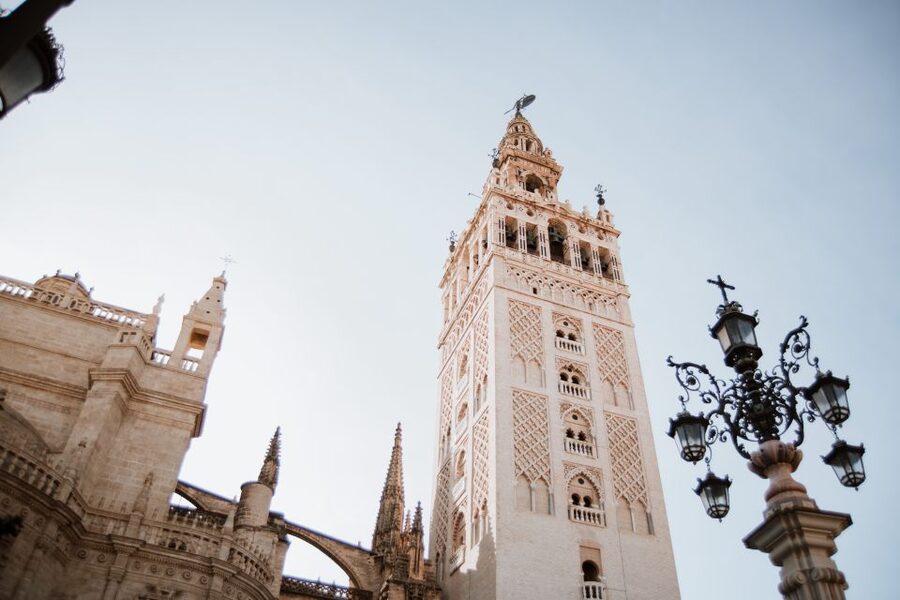
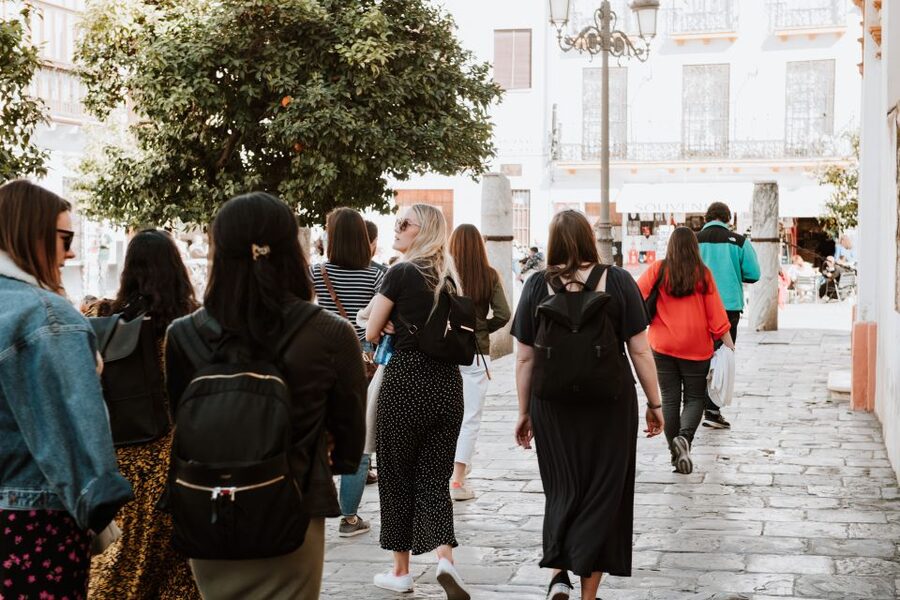
Santa Cruz is not a neighborhood you understand from a map alone. Its lanes twist, narrow, widen into small plazas, and then seem to fold back into themselves. Whitewashed walls, orange trees, tiled courtyards, fountains, balconies, and old stonework create the visual appeal, but the guide supplies the meaning.
I find the Jewish-quarter theme useful because it gives the walk a clear purpose. Instead of simply admiring picturesque architecture, you learn how the area’s identity has been shaped by different communities, traditions, legends, and later cultural references.
The tour also connects Santa Cruz with Seville’s wider past. Opera, folklore, religious institutions, old defensive walls, and water systems all enter the story. That makes the walk appealing even if you are not visiting specifically for Jewish history.
The pace is designed for sightseeing rather than exercise. Each listed stop receives about ten minutes of guided attention, so you have time to look around, take photographs, and ask questions, but not enough time for long visits inside every site. Think of it as a guided orientation with substance.
More Walking Tours in Seville
- Seville: Small-Group City Highlights Walking Tour
★ 5.0 · 1,204 reviews - Cultural Walking Tour of Seville Monumental
★ 5.0 · 861 reviews - Seville: Tapas, Taverns, and History Walking Tour
★ 4.9 · 676 reviews
Meeting beneath the Inmaculada statue
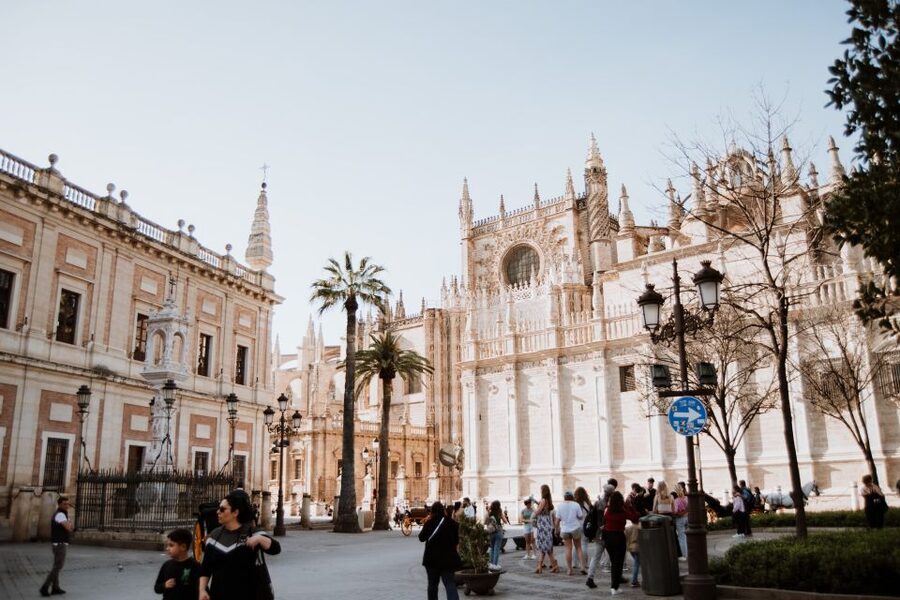
The tour begins in Plaza del Triunfo, under the statue of the Virgen de la Inmaculada. This is a sensible meeting point near some of Seville’s major sights, and the blue umbrella or Sevilla Guías & Tours name tag helps you identify the guide.
Starting here places Santa Cruz in context right away. The plaza is not just a place to gather. It introduces the historic center and positions you at the edge of the neighborhood you are about to explore.
I recommend arriving with your shoes already tied, your phone charged, and water in hand. The tour is short, but Seville’s sun can be strong, and the information comes quickly. The supplied advice to wear comfortable clothes and use sunblock is practical, not fussy.
Plaza de la Alianza and the first turn into Santa Cruz
From Plaza del Triunfo, the route moves to Plaza de la Alianza, one of the first places where Santa Cruz’s compact scale becomes clear. The guide uses the square to explain the area’s past and the way its streets connect.
This stop helps you read the neighborhood. Santa Cruz is full of visual clues, but they are easy to pass without explanation. A guide can point out how a plaza, lane, wall, or fountain fits into the larger story.
The square is also a good place to settle into the tour’s style. You are not just walking from one attraction to another. The route uses places as prompts for stories, including the legends and characters that have kept Santa Cruz in Seville’s imagination.
Plaza de Doña Elvira and the romantic side of the district
Plaza de Doña Elvira brings the tour to one of Santa Cruz’s most attractive open spaces. Orange trees, a romantic atmosphere, and traditional details make it the kind of place where you may want to pause rather than rush through.
The value here is partly visual and partly interpretive. Without a guide, you might admire the square and move on. With one, you hear why particular corners matter and how local stories attach themselves to ordinary-looking spaces.
This is also one of the places where the tour’s balance between history and folklore works well. Santa Cruz is not presented as a museum frozen in time. Its appeal comes from the way facts, legends, architecture, and popular culture sit side by side.
Same city, a completely different evening:
- Seville: Royal Alcázar Entry Ticket
★ 4.6 · 28,378 reviews - Seville: Cathedral and La Giralda Entry Ticket
★ 4.5 · 24,592 reviews - Seville: Live Flamenco Dancing Show Ticket at the Theater
★ 4.7 · 16,396 reviews - Seville: Casa de la Memoria Flamenco Show
★ 4.8 · 12,964 reviews
Calle Susona and a story of love, betrayal, and identity
Calle Susona is the emotional center of the route. The guide tells the story of Susona, a young Jewish woman caught between love, betrayal, and identity. The tale gives a human face to the neighborhood’s Jewish past and explains why her name remains attached to this street.
You should listen for the distinction between history and legend. The tour is designed to share both, and the best guides make clear how folklore contributes to Seville’s sense of place without pretending every dramatic detail is a documented fact.
This stop is one reason a guided walk offers more than a self-guided stroll. A street name can be easy to overlook. A story connected to that name makes you see it differently for the rest of your time in Seville.
Hospital de los Venerables and Seville’s Golden Age
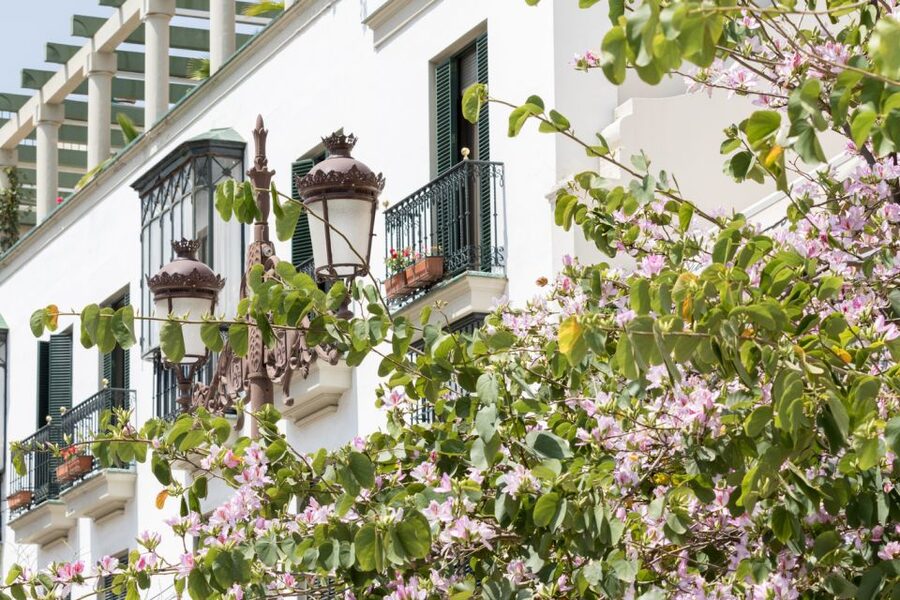
The route continues to the Hospital de los Venerables, described as one of the symbols of Seville’s Golden Age. The guide explains its place in the district and connects it with the city’s broader cultural and religious story.
You may not have time for a full visit inside the building during this walk, so keep your expectations sensible. This is a guided stop, not a separate museum tour. Still, the explanation can help you decide which places deserve a longer return visit.
I like this part of the itinerary because it widens the subject. The walk begins with Jewish heritage, but it does not stay locked into one narrow theme. It shows how Santa Cruz gained layers of meaning over time.
Casa Murillo and the value of looking closely
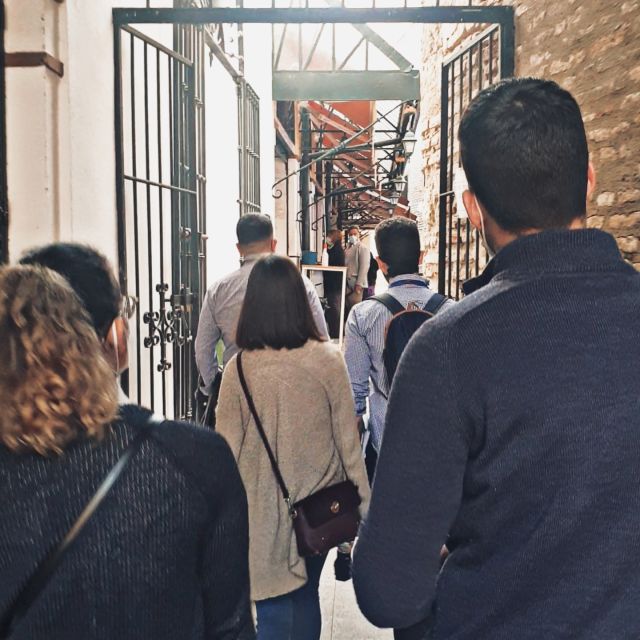
At Casa Murillo, the guide turns your attention to another important local landmark. The stop adds an artistic and cultural note to the route, giving you a reason to notice the buildings rather than treating the neighborhood as a pretty backdrop.
This is where a good guide’s eye matters. Several people who took the walk singled out the way their guides showed small details they would not have found alone. That may include architectural features, street design, historical references, or stories attached to a particular corner.
The tour does not require you to arrive with a specialist’s knowledge. You simply need to stay curious and ask questions. Guides such as Juan and Valentin have been praised for giving detailed answers, while Alfredo was singled out for especially strong knowledge of the Jewish quarter and Seville generally.
Rosina’s Balcony, Carmen, and the city of opera
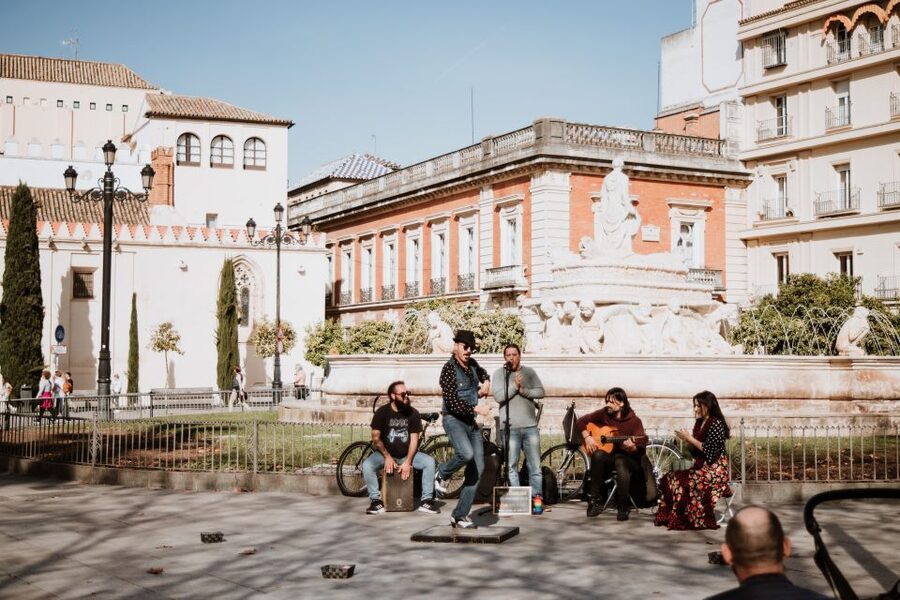
The itinerary then moves into Seville’s connection with opera through Rosina’s Balcony and Calle Ópera Carmen. These stops show how the city’s streets and legends have fed artistic works beyond local history.
You learn that Santa Cruz is not only a place of old buildings and religious landmarks. It has also become a setting for drama, romance, and theatrical imagination. The opera references give the walk a different rhythm and should appeal to anyone interested in music, literature, or the way cities become part of popular culture.
One guide was praised for explaining how Seville’s past continues to play out through opera. That is a useful angle because it connects what you see in the street with the stories audiences know from the stage.
Patio de Banderas and the old walls
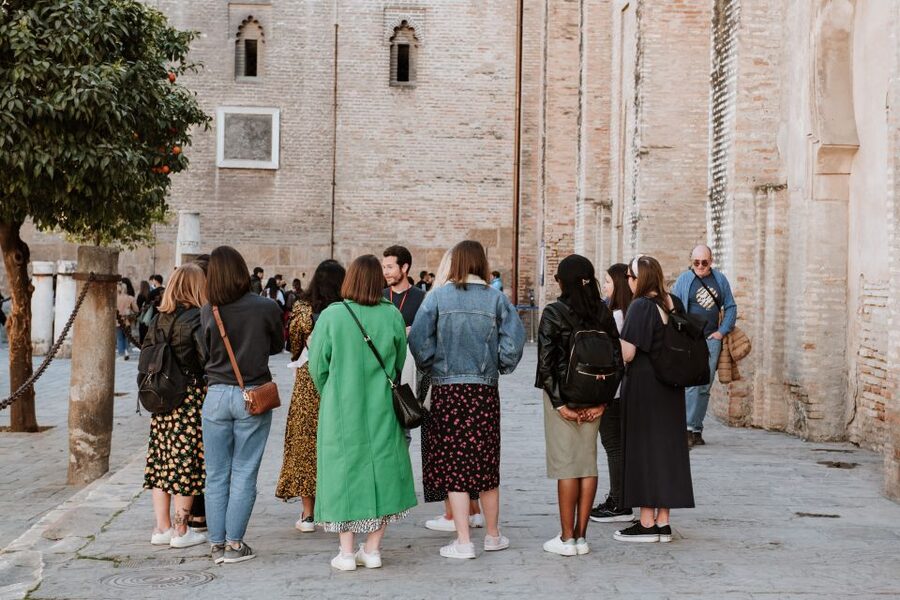
The route finishes at Patio de Banderas, after also touching on the area around the old walls and water systems. The exact amount of time spent on each feature depends on the guide and the group, but the focus is on helping you understand how Santa Cruz functioned, not just how it looks.
This final stop is practical as well as scenic. You finish in a central part of the district instead of being returned to the starting point, so you can continue walking, find a meal, or revisit a lane that caught your attention.
The itinerary also lists a hop-on hop-off stop for about ten minutes. Do not read that as transportation included in the price. The experience is a walking tour, and hotel pickup is not included.
The guides are the main reason to book
The strongest pattern in the feedback is the quality of the guides. Julio is repeatedly praised for his historical command, friendly manner, and ability to answer questions. Anna is described as clear, lively, and especially good with small groups.
Valentin comes across as an energetic teacher who keeps people involved while handling detailed questions. Juan has been praised for adapting the walk to a small group’s interests, and Alfredo received exceptional praise for his expertise in the Jewish quarter and Seville’s wider past.
Lara and Jose are also noted for making the route clear and enjoyable. The guide you receive will shape the tone of the tour, but the consistent pattern is encouraging: expect a live explanation rather than a stiff speech.
Small groups can make a real difference. One booking had only two people, and another had four, allowing the guide to adapt the discussion. Group size can vary, so I would not book expecting a private tour, but be ready to take advantage of the chance to ask questions when the group is small.
What $15 buys you
At $15 per person, this is a strong-value way to get your bearings in Seville. You receive 90 minutes with a live guide in English or Spanish, a route through several key Santa Cruz locations, and context that would take effort to assemble from guidebooks and street signs.
The value is greatest if this is your first visit to Seville or your first morning in Santa Cruz. The tour can help you understand the street plan and show you corners you may want to revisit later.
It is less useful if you want extended entrance time at each landmark or a specialist academic lecture. The pace allows for ten-minute guided stops, not lengthy interior visits, and food, drinks, transport, and hotel pickup are not included.
The rating of 4.8 from 104 ratings supports the idea that the tour delivers what it promises: a short, story-led introduction with strong guiding. I would still judge it by your interests. If you want a long architectural study, you may need a longer tour. If you want a lively orientation with local tales, the price is easy to justify.
Who will enjoy this walk most
I recommend it to first-time visitors who want to understand Santa Cruz before exploring it alone. It is also a good fit for people who enjoy history told through characters and legends rather than through a long list of dates.
Opera fans should pay special attention to Rosina’s Balcony and Calle Ópera Carmen. Anyone interested in Jewish heritage will appreciate the focus on Susona, the former Jewish quarter, and the historical context provided by guides with a strong interest in the subject.
Families and mixed-age groups may find the legends easier to follow than a formal lecture. The route is also wheelchair accessible, though the narrow streets and changing surfaces of a historic district can still make comfortable planning worthwhile.
I would be more cautious about booking during the hottest part of the day if you dislike sun or outdoor walking. The tour runs for only 1.5 hours, but there is no promise of constant shade. Comfortable shoes and sunblock are essential.
Booking flexibility and optional flamenco
You can cancel up to 24 hours before the activity for a full refund, and the reserve-now, pay-later option helps if your Seville schedule is still shifting. Check the available starting times when booking because the tour operates at set times rather than whenever you arrive.
An optional flamenco show may be available. Ask the guide at the meeting point or contact the company in advance to check availability. It is not part of the basic $15 walking tour, so treat it as a possible add-on rather than a guaranteed feature.
Should you book the Santa Cruz Jewish Quarter walk?
Book it if you want a focused introduction to Santa Cruz, enjoy local legends, and value a guide who can explain details you would probably miss alone. The route covers plenty in 90 minutes, and the $15 price leaves room in your budget for returning later to the places that interest you most.
Skip it if you need long interior visits, a private tour guaranteed in advance, or a full-day examination of Seville’s Jewish past. For most visitors, though, this is a sensible first step into the district: short, affordable, easy to fit into a busy sightseeing day, and made memorable by stories of Susona, Miguel Mañara, Barrabás, opera, and old Santa Cruz itself.
FAQ
How long does the Santa Cruz walking tour last?
The tour lasts 1.5 hours, or 90 minutes.
How much does the tour cost?
The listed price is $15 per person.
Where does the tour meet?
Meet under the Virgen de la Inmaculada statue in Plaza del Triunfo. The guide will carry a blue umbrella or wear a name tag with the Sevilla Guías & Tours logo.
Which languages are available?
The guided tour is offered in English or Spanish.
Where does the tour finish?
The walk finishes at Patio de Banderas.
Is hotel pickup included?
No. Hotel pickup, food, drinks, and anything not specifically included are excluded.
Can I cancel or pay later?
You can cancel up to 24 hours in advance for a full refund. You can also reserve your place and pay later.
Recently added in Seville
- Private Half Day Walking Tour of Seville★ 5.0 · 101 reviews
- Seville: 3–Hour Sightseeing Tour★ 4.4 · 101 reviews
- Gibraltar with Rock of Gibraltar & St. Michael Cave from Seville★ 4.5 · 102 reviews
- Alcazar, Cathedral and Giralda of Seville with entrance fee included★ 4.0 · 102 reviews
- Seville: Archive of the Indies Guided Tour★ 4.6 · 102 reviews
- Seville Former Jewish Quarter Walking Tour: Santa Cruz★ 5.0 · 105 reviews
- Seville: Museum of Fine Arts Guided Tour★ 4.8 · 107 reviews
- Seville: 3 Bars Pub Crawl + VIP Club Entrance & 3 Free Shots★ 4.3 · 108 reviews
Walking Tours, compared.

Barcelona Tapas and Wine Experience Small-Group Walking Tour
Read the review →
Tapas Walking Tour with Food, Wine, and History
Read the review →
Albaicín and Sacromonte Guided Sunset Walking Tour
Read the review →
Toledo Tour & Vineyard Walk with Wine Tasting from Madrid
Read the review →

Barcelona Tapas Walking Tour: Food, Wine & History
Read the review →
Madrid Old Town & Royal Palace Walking Tour Skip the Line Ticket
Read the review →
Browse the lists this tour appears in