
Reviewed · COOKING CLASSES
Seville: Spanish Cooking Class with Dinner
Cooking dinner inside Triana Market is a fine way to spend an evening in Seville. Instead of simply ordering tapas, you work with a chef to prepare gazpacho or salmorejo, traditional small plates, chicken paella, and a light dessert, then sit down to eat the results.
I like two things right away: the menu gives you useful dishes to repeat at home, and the class is built around a shared table rather than a formal demonstration. The sangria during the cooking keeps things sociable, while two more drinks come with dinner.
The main consideration is that this is a group cooking class, not a private lesson. You may prepare only one part of a dish while watching the chef handle another, so serious cooks looking for intensive, individual instruction may want something more technical.
Key points to know before booking
- Market setting: Meet at stalls 75 to 77 inside Triana Market on Plaza del Altozano.
- Three-hour evening: Cooking, drinks, dinner, and conversation are all included in one compact activity.
- Four-course-style menu: Expect a starter, tapas, paella, and lemon sorbet with Cava, though the exact starter or tapas can vary.
- English instruction: The chef leads the class in English and explains both methods and Spanish food traditions.
- Social format: Groups are often around 10 people, a size that allows shared work without feeling too crowded.
- Good value at $82: Ingredients, apron, sangria, the full meal, and two additional drinks are included.
Starting at Triana Market on Plaza del Altozano
The class meets at stalls 75 to 77 in Triana Market, on Plaza del Altozano. That location matters. You are not walking into a generic conference room for a cooking demonstration. You begin in one of Seville’s traditional market settings, in the Triana neighborhood across the Guadalquivir River.
The market gives the evening a useful sense of place before the cooking even starts. Triana is closely tied to Seville’s food culture, and preparing local dishes in a market setting feels more connected to the city than taking a class in a hotel kitchen.
You should allow enough time to find the stalls. The meeting point is specific, but a market can be less obvious than a restaurant entrance. Look for stalls 75 to 77 at the Plaza del Altozano side of the market, and arrive ready to start at the stated time.
The cooking school is run by Taller Andaluz de Cocina. The class itself is in English, so you can follow the chef’s explanations even if you do not know much Spanish cooking vocabulary.
More cooking classes in Seville:
- Spanish Cooking Class & Triana Market Tour in Sevilla
★ 5.0 · 760 reviews - Seville: 3.5-Hour Spanish Cooking Class & Triana Market Tour
★ 4.9 · 751 reviews - Spanish Cooking Class and Dinner in Seville
★ 5.0 · 261 reviews
The first hour: gazpacho, salmorejo, and Spanish tapas
The menu starts with a cold Andalusian soup. Depending on the class, you may prepare gazpacho or salmorejo. Both are tomato-based, but salmorejo is generally thicker and creamier, while gazpacho is lighter and more drinkable.
This is a useful first lesson because the dishes look simple but depend on balance. The chef can show you how texture, olive oil, garlic, bread, and acidity work together. These are not complicated recipes, but small changes can make the difference between a flat soup and one with the clean, sharp flavor you expect in southern Spain.
The class also prepares typical tapas. Possible dishes include spinach with chickpeas, huevos a la flamenca, or Spanish omelet. Each one gives you a different idea of what Spanish home cooking can be.
Spinach with chickpeas is a particularly Sevillian combination, hearty enough to feel like more than a side dish. Huevos a la flamenca brings eggs into the picture, while tortilla española teaches the basic logic of one of Spain’s most famous foods: potatoes, eggs, oil, and patience.
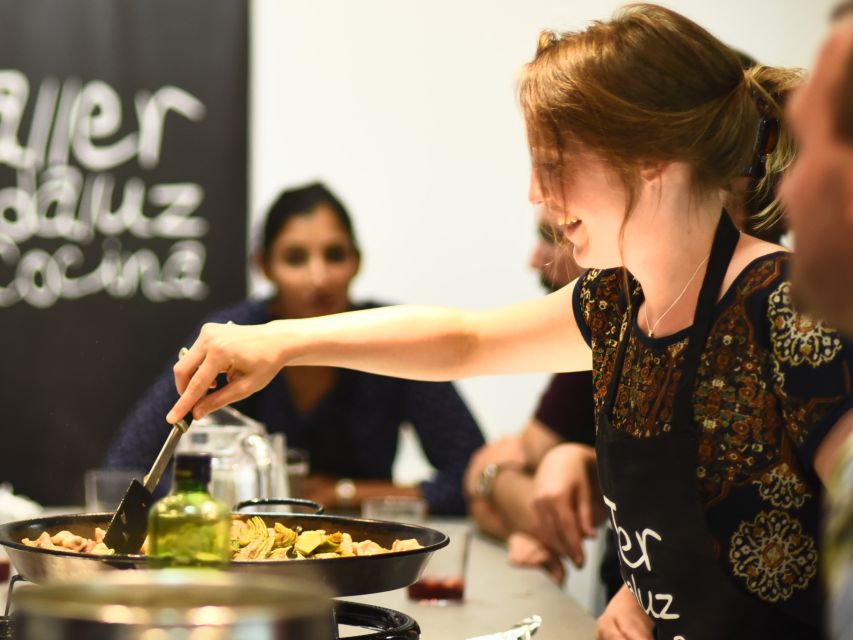
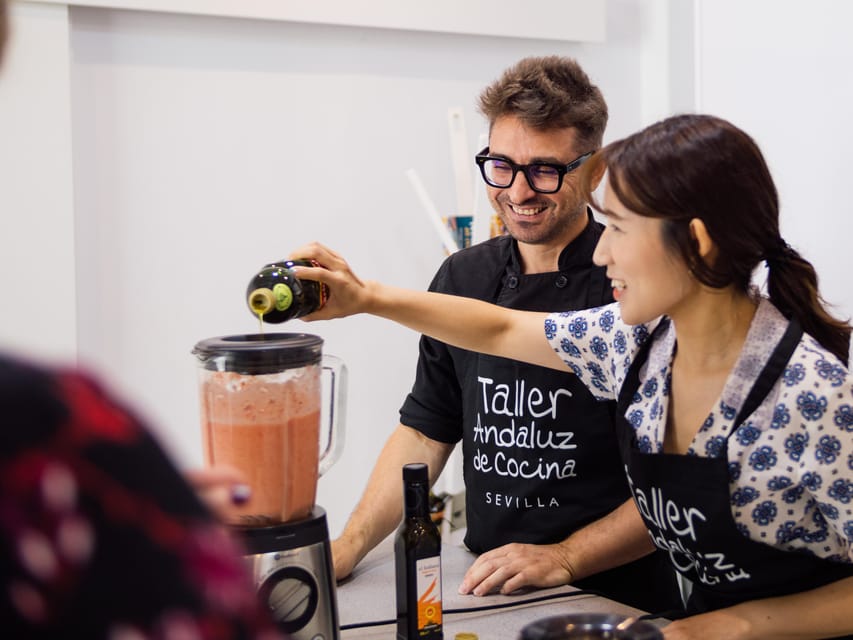
You will not simply watch the chef talk through recipes. The format is shared and hands-on, with different people taking on small jobs as the dishes come together. That means you should expect a mix of chopping, stirring, seasoning, and observing.
This arrangement works well for beginners. You can learn without having to carry an entire dish alone, and the chef can step in when a technique needs a professional touch. If you want every participant to make an individual plate from start to finish, this format may feel less personal.
Making chicken paella with seasonal vegetables
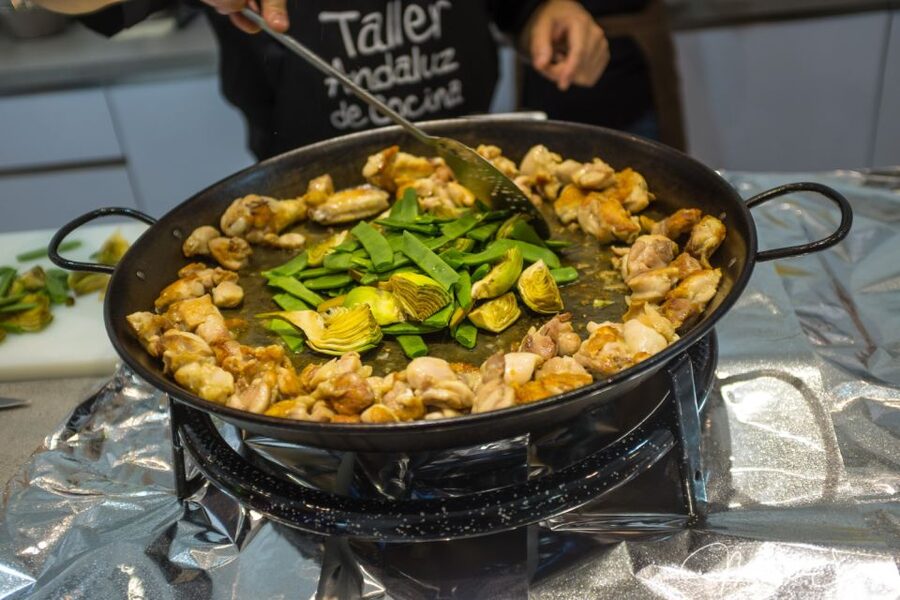
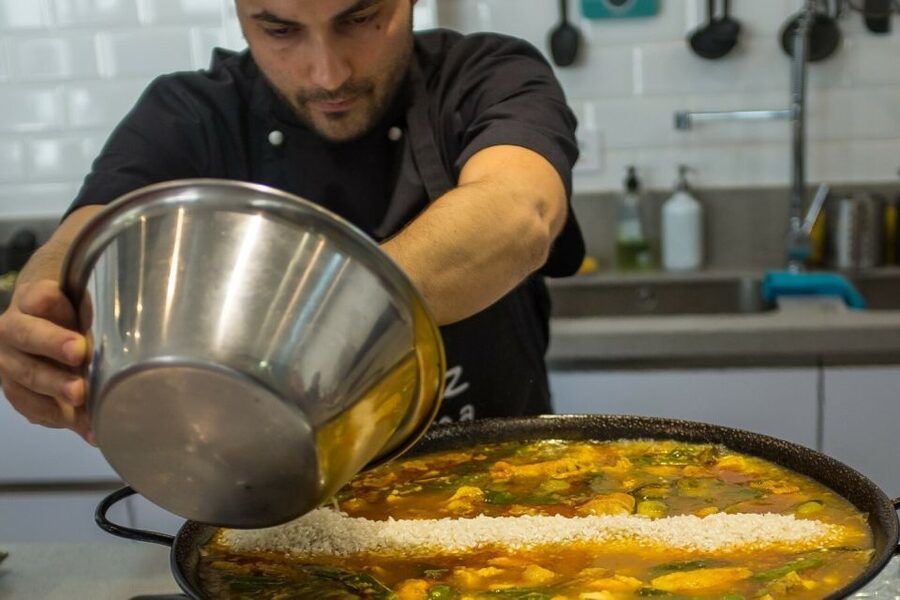
The main event is an authentic Valencian-style paella made with chicken and seasonal vegetables. That detail is worth noting because paella has many regional versions, and this class does not present the dish as a vague all-purpose Spanish rice meal.
Several class instructors have included practical preparation work, such as handling and deboning a whole chicken. That is more useful than simply being handed pre-cut meat. You get a better look at how the ingredients are prepared before they reach the pan.
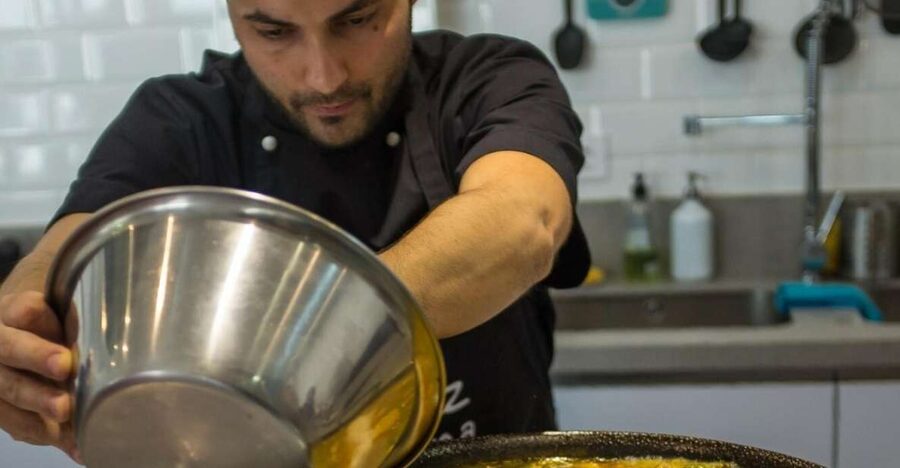
The chef explains the order of cooking and the techniques that matter. Paella is not just rice plus ingredients. The timing, stock, seasoning, and treatment of the rice all affect the final result. The class gives you a chance to see those choices in action and ask questions as the dish develops.
You may not personally handle every stage. In a group of about 10, one person might work on the chicken, another might prepare vegetables, and someone else might help with the rice. Still, the shared method lets you see the whole process instead of focusing so closely on one task that you miss the larger picture.
The paella is also where the class feels most like a team effort. Everyone contributes something, and the final dinner belongs to the whole table. That can be more fun than a solitary cooking lesson, especially if you are traveling alone or want an easy way to meet people.
Dessert with lemon sorbet and Cava
Dessert is deliberately light: lemon sorbet with Cava. After soup, tapas, and paella, this is a sensible finish rather than another heavy course.
The combination also keeps the class playful. You get a refreshing end to the meal, and the Cava adds a Spanish sparkling-wine touch. The menu has enough variety to feel like a full evening meal without leaving you with another elaborate recipe to manage.
The advertised menu describes a meal of all the dishes prepared during the class. The exact starter or tapas may differ, so do not treat the listed options as a guaranteed fixed menu. If a particular dish matters to you, check the available menu when booking.
A few other Seville outings to compare
- Seville: Guadalquivir Boat Tour with Optional Lunch/Dinner
★ 4.4 · 2,193 reviews - Flamenco Show at Tablao El Arenal with Drink and Optional Dinner or Tapas
★ 4.5 · 1,415 reviews - Seville: Flamenco at El Palacio Andaluz with Optional Dinner
★ 4.5 · 1,119 reviews - Seville: Flamenco Show with Andalusian Dinner at La Cantaora
★ 4.4 · 954 reviews
Sangria while you cook, then two drinks at dinner
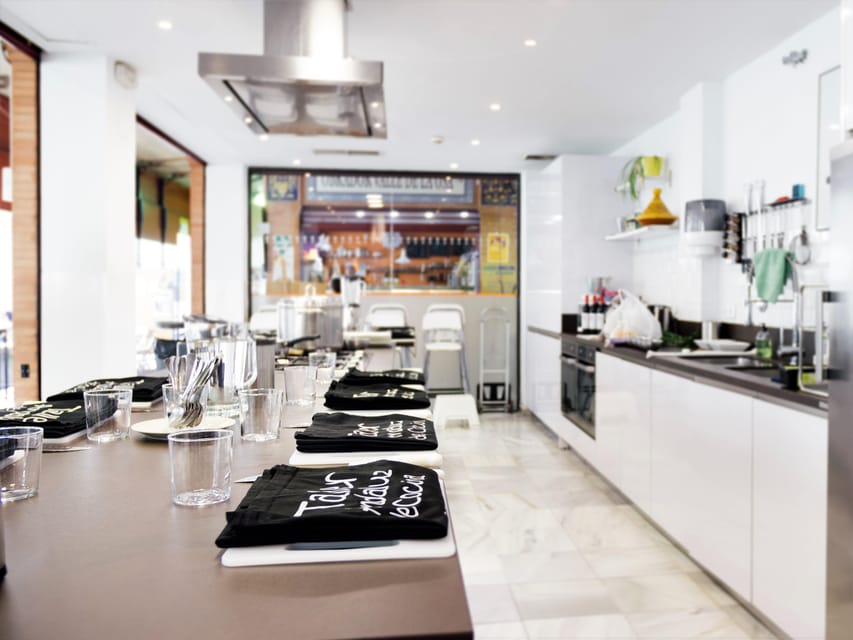
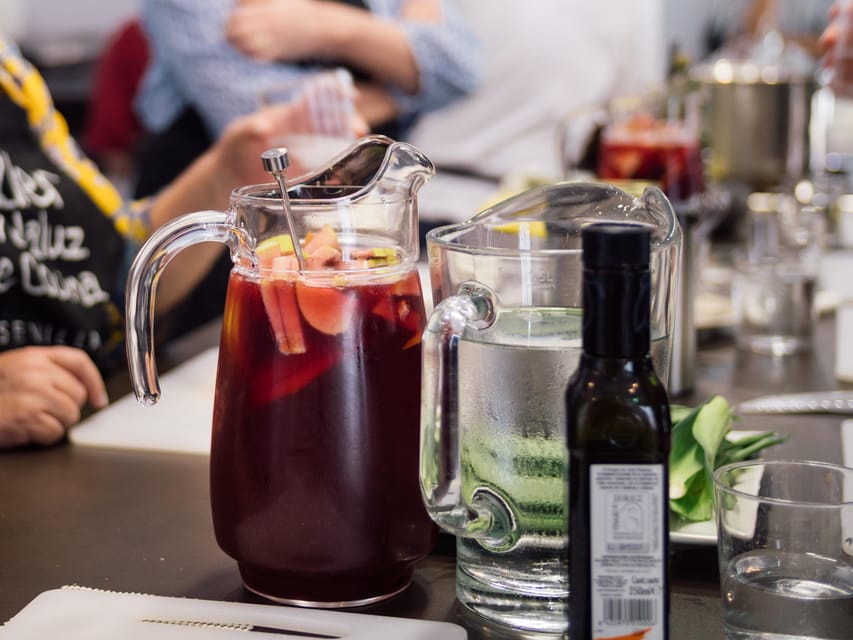
Sangria is served during the lesson. This is not just an extra beverage. It helps soften the classroom feeling and gives people something to share while the chef organizes the next step.
When the cooking is finished, you sit down to eat and receive two additional drinks. These can be white or red wine, local beer, or soft drinks. At $82 per person, the package includes more than instruction alone: all ingredients, an apron, sangria, the complete meal, and those two dinner drinks.
I consider that a fair price for an activity lasting three hours. A comparable evening meal in Seville could use much of the same budget, but it would not give you the instruction, market setting, or recipes to take home. The value is strongest if you enjoy social activities and will actually use what you learn later.
The price is less compelling if you are mainly looking for the cheapest dinner possible. This is an experience with food, not simply a restaurant meal. You are paying for the teaching, preparation, time, and group atmosphere as well as what ends up on your plate.
The drinks also mean you should think about your own pace. The evening includes sangria and two further drinks, but you do not have to treat that as a challenge. The best part of the class is the food and conversation, not rushing through the alcohol.
Chefs who teach with humor and practical tips
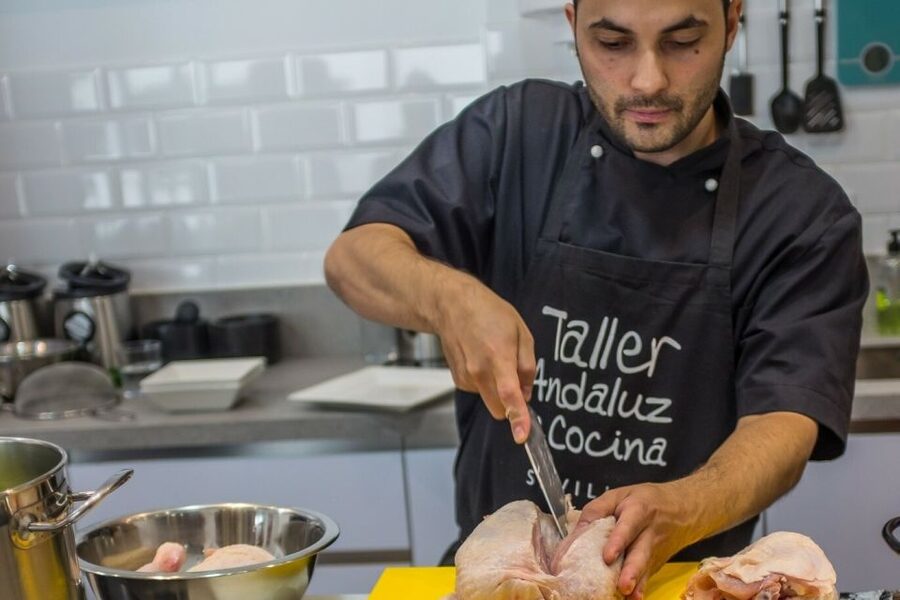
The chef changes by session. Names associated with the classes include Carlo, Carlos, Leo, Pedro, Dom, David, and Domenico, sometimes with an assistant such as Sabrina or Anna.
The strongest pattern is a teaching style that mixes cooking instruction with humor. Carlo and Carlos are repeatedly praised for keeping the room relaxed, while Leo is known for making the cooking interactive and lively. David has been described as especially good at explaining the preparation from starter through dessert.
That personality matters in a class like this. Cooking in front of strangers can feel awkward if the instructor is stiff or rushed. A warm chef helps beginners ask questions, recover from mistakes, and take part without worrying about doing everything perfectly.
The instruction is not limited to recipe steps. You can expect explanations of cooking techniques, ingredient preparation, and the background of Spanish dishes. The chefs also answer questions about Spanish food and daily life, and some have offered suggestions for restaurants and bars in Seville.
The tone is clearly informal. If you want a quiet, highly technical culinary workshop, you may find the jokes and social chatter distracting. If you want to learn while laughing and eating, the approach is a strong match.
What the group format really feels like
The usual group size can be around 10 people, though you should treat that as a reported example rather than a fixed guarantee. That is a comfortable number for a communal cooking class. It is large enough to meet people from different countries, but small enough for the chef to keep the room involved.
You will probably share jobs rather than work alone. One person may chop, another may stir, and another may watch a key stage before the group moves on. This gives the evening a relaxed rhythm, though it also means you should speak up if there is a particular technique you especially want to try.
I would book this as a good choice for couples, friends, solo visitors, and families with older children or teenagers. Couples can work together without needing to plan a separate dinner. Solo visitors have a natural conversation starter, and teenagers can take part in something more active than a standard restaurant meal.
The social side is a major part of the value. You meet people from around the world while sharing tasks, then sit together to eat. If you prefer not to socialize with a group, this may not be the right evening activity.
Dietary restrictions and what to arrange in advance
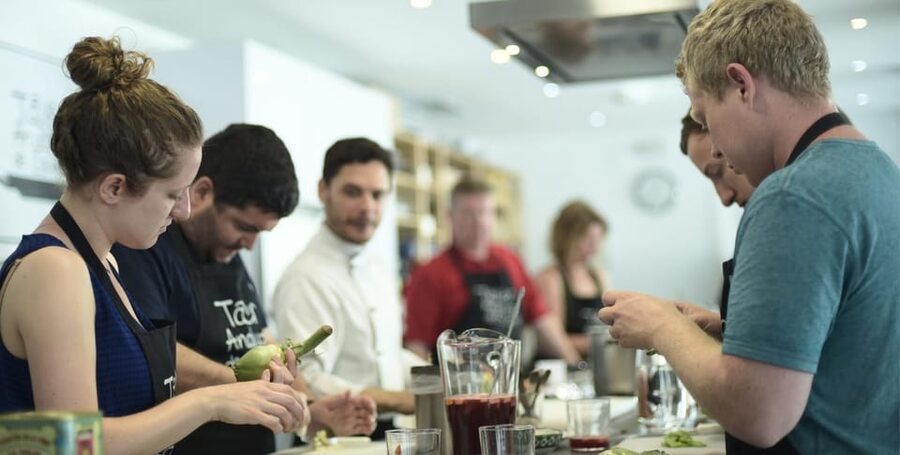
The recipes can be adapted for dietary restrictions, but you need to advise the provider in advance if the menu must be changed. Do not wait until you arrive and assume the chef can replace everything on the spot.
Vegetarian adjustments have been handled in class, and a gluten-free option has also been specifically accommodated. Still, the practical advice is simple: state your needs clearly during booking and confirm them before the class.
Because the meal is prepared as a group, it is also worth asking how your adapted dishes will fit into the shared menu. The supplied information confirms that changes are possible, but it does not promise a separate kitchen or a fully individualized menu.
Recipes you can recreate at home
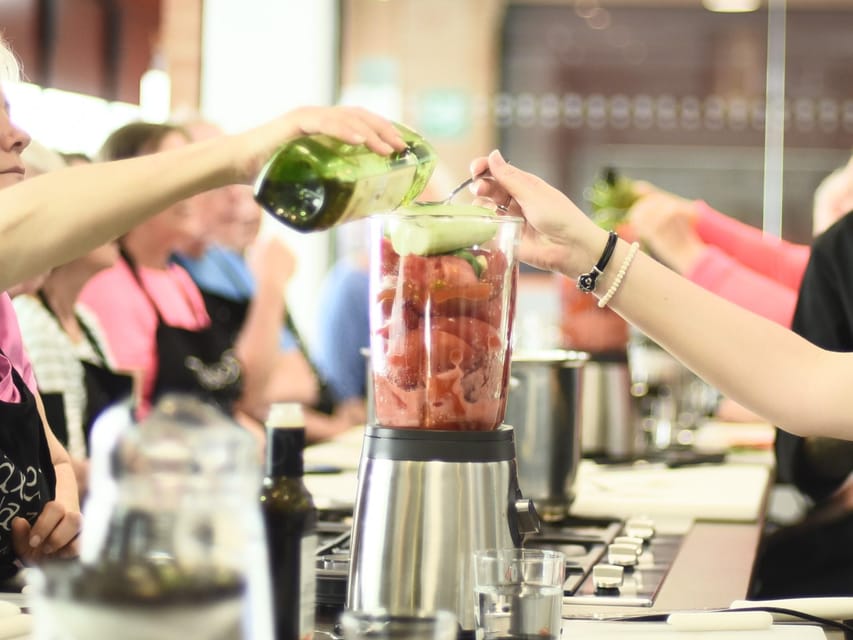
The best long-term benefit is that the dishes are designed to be repeatable. Gazpacho, salmorejo, spinach with chickpeas, tortilla, and paella are not just restaurant curiosities. They are the sort of recipes you can attempt in your own kitchen once you understand the method.
Several class participants have received the recipes by email after the session. That is useful because paella and Spanish tortilla rely on timing and proportions that are easy to forget after a busy evening. I would save the email when it arrives, and if you do not receive it, contact the provider rather than assuming it was not sent.
The class also teaches techniques that are hard to learn from a recipe alone. Seeing how a chef prepares chicken, judges texture, seasons a soup, or manages rice gives you a better starting point at home.
You should not expect to leave as a professional cook. You will, however, leave with a clearer sense of how these dishes are assembled and what to watch for when you make them again.
Timing, meeting details, and cancellation flexibility
The activity lasts three hours, with starting times depending on availability. Since the evening includes preparation, cooking, drinks, and dinner, it is best treated as a substantial part of your schedule rather than a quick stop before another fixed booking.
Meet at stalls 75 to 77 in Triana Market on Plaza del Altozano. The class is conducted in English and includes a live guide, meaning the chef or instructor leads the session in person.
You can cancel up to 24 hours in advance for a full refund. The reserve-now, pay-later option also helps if your Seville plans are still changing. Those terms are useful for an evening activity, particularly if you are arranging several reservations around a busy city visit.
Who should book this Seville cooking class?
Book it if you want a meal with a story attached to it. You will cook dishes associated with Spain, work in a market-based school, learn from a professional chef, and eat with a mixed international group.
It is especially good for first-time cooks. The shared tasks reduce pressure, and the chefs are used to teaching people with different skill levels. It also suits experienced home cooks who want local techniques and a chance to ask questions.
I would be more cautious if you have a strict timetable, dislike group activities, or want advanced culinary training. The class is intentionally relaxed and entertaining. It teaches useful skills, but it is also designed as a social evening.
Should you book it?
At $82, I would book this class if you value an activity that combines dinner, drinks, local food, and practical instruction. The Triana Market setting, English-speaking chefs, generous menu, and three-hour format give it more substance than a standard tapas outing.
The main question is not whether you like Spanish food. It is whether you enjoy preparing it with other people. If the answer is yes, this is a smart Seville choice, particularly for couples, solo visitors, and anyone who wants recipes to carry home. If you want a private lesson or a quiet meal, spend the evening at a restaurant instead.
FAQ
Where does the cooking class meet?
Meet at stalls 75 to 77 in Triana Market on Plaza del Altozano in Seville.
How long does the cooking class last?
The experience lasts three hours.
Is the class taught in English?
Yes. The class language is English, and it includes a live tour guide or chef instructor.
What dishes will I cook?
The menu includes gazpacho or salmorejo, typical tapas, Valencian-style chicken paella with seasonal vegetables, and lemon sorbet with Cava. Tapas may include spinach with chickpeas, huevos a la flamenca, or Spanish omelet.
Are drinks included?
Yes. Sangria is served while you cook, and two additional drinks come with the meal. Choices include white or red wine, local beer, or soft drinks.
Are ingredients included?
Yes. All ingredients are included in the activity price.
Is an apron provided?
Yes. You can use an apron during the class.
Can the menu accommodate dietary restrictions?
Yes. Recipes can be adapted for dietary restrictions, but you must advise the provider in advance if changes are needed.
Is the class suitable for beginners?
Yes. The class is designed for both novice cooks and people with more experience.
Can I cancel for a refund?
You can cancel up to 24 hours in advance for a full refund. A reserve-now, pay-later option is also available.
More Workshops in Seville
- Seville: Flamenco Dance Class with Optional Costume
★ 4.9 · 1,032 reviews - Seville: Paddle Surf Route and Class
★ 5.0 · 346 reviews - Sevilla: Rooftop Paella Cooking Class & 30-minute expert Q&A
★ 5.0 · 198 reviews - Flamenco Dance Class in Seville with optional Flamenco Costume
★ 5.0 · 191 reviews
More Dinner Experiences in Seville
- Seville: Flamenco Show & Roof Dinner with Cathedral Views
★ 4.7 · 203 reviews - Tablao Flamenco Cordobes on Rambla Barcelona with Dinner Option
★ 4.5 · 2,756 reviews - Teide National Park Sunset & Stargazing with Dinner (Star Safari)
★ 5.0 · 2,601 reviews - Corral de la Moreria Madrid Flamenco Show with Optional Dinner
★ 5.0 · 2,424 reviews
Recently added in Seville
- Gibraltar Day Trip from Seville + Rock Tour★ 4.0 · 179 reviews
- Seville: Sherry Wine Tasting with Light Snacks★ 4.9 · 183 reviews
- Seville Aquarium Admission Ticket★ 4.0 · 185 reviews
- Seville: Electric Bike Tour in Small Group★ 4.9 · 185 reviews
- Seville: Hospital de los Venerables Ticket with Audio Guide★ 4.6 · 190 reviews
- Flamenco Dance Class in Seville with optional Flamenco Costume★ 5.0 · 191 reviews
- VIP Guided Seville Alcazar Pre-Opening, Cathedral & Old Town★ 5.0 · 191 reviews
- Tablao Flamenco Orillas de Triana Ticket★ 5.0 · 195 reviews
Cooking Classes, compared.
Paella Cooking Experience & Boqueria Market Tour
Read the review →
Barcelona Paella Cooking Class with Market Visit, Tapas & Sangria
Read the review →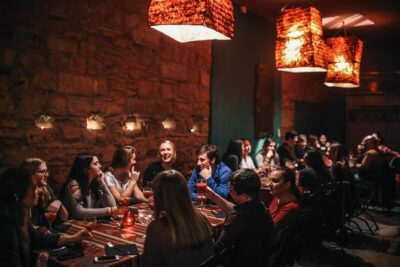
Barcelona Interactive Spanish Cooking Experience
Read the review →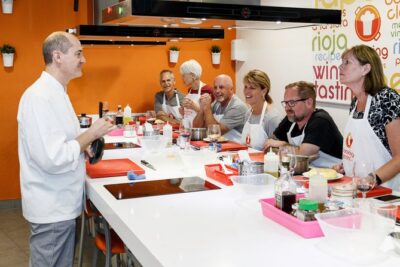
Spanish Cooking Class Paella Tapas and Sangria in Madrid
Read the review →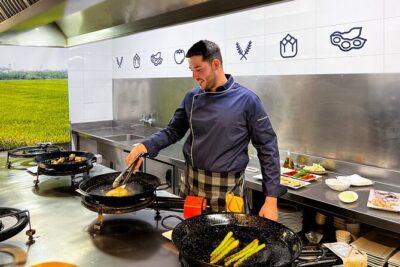
Paella Cooking Class, Wine Tasting & Central Market in Valencia
Read the review →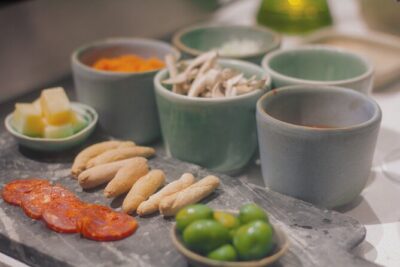
Paella Cooking Class in Madrid with Bottomless Wine Pairing
Read the review →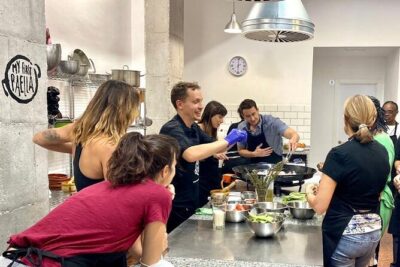
Valencian paella cooking class, tapas and visit to Ruzafa market.
Read the review →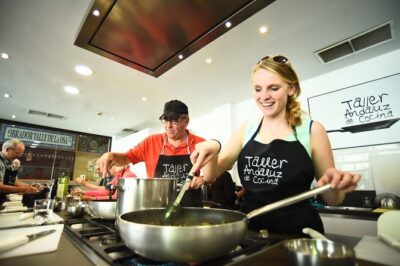
Spanish Cooking Class & Triana Market Tour in Sevilla
Read the review →Browse the lists this tour appears in