

Reviewed · PRADO & MADRID MUSEUM TOURS
Madrid: Prado Museum Masterpieces Tour with Entry Ticket
The Prado is one of those museums where a little guidance saves you from a lot of wandering. This three-hour small-group tour follows a clear path from the 15th to the 19th century, using major paintings to explain how Spanish art, European styles, and royal power shaped one another.
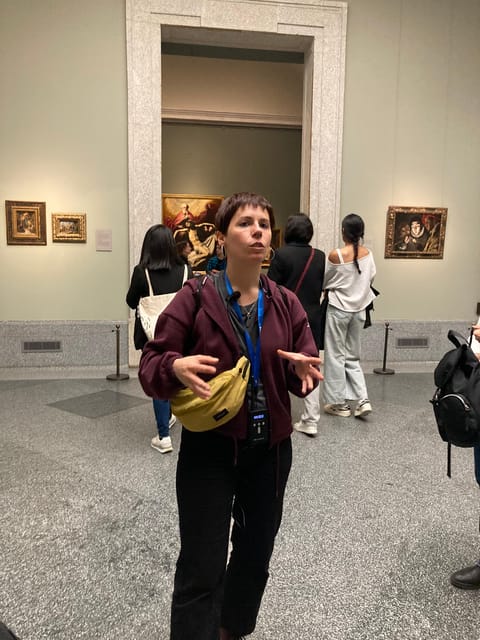
I especially like two things here: guide Delfi is an art restorer, so she can discuss how paintings work as objects as well as what they mean, and the group is limited to seven people. The headsets also help you hear every word in crowded rooms. The main consideration is pace: three hours gives you a strong introduction, but the Prado is far too large to cover in full.
Key points
- A chronological route: Follow four centuries of European art, from Titian and El Greco to Velázquez and Goya.
- Art-restorer insight: Expect explanations of technique, symbolism, style, and the physical qualities of the paintings.
- Small group of up to seven: You have room to ask questions and take a closer look.
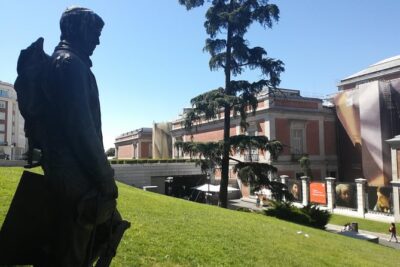
- A helpful starting point: Meet beside Goya’s monument, where a dark gray umbrella with colorful polka dots identifies Delfi.
- A focused museum visit: See the best-known Prado works without trying to conquer every gallery.
- Practical entry included: Your ticket, English-speaking guide, and small-group tour are covered in the $74 price.
Why a guide helps at the Prado
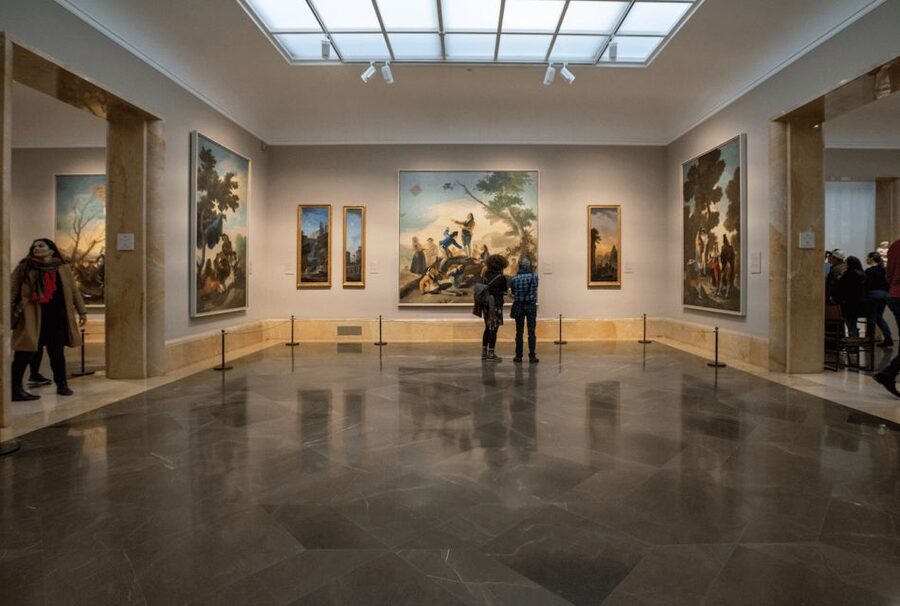
The Museo Nacional del Prado is not difficult to enter, but it can be difficult to use well. The collection is huge, and its greatest strength is not one isolated painting. It is the way Spanish, Italian, Flemish, and other European works connect across centuries.
A first-time visit can easily turn into a march from one famous canvas to the next. You may recognize the names, yet miss the political, religious, or artistic reasons the paintings mattered. This tour gives you a framework before the details start piling up.
Delfi begins with the building itself and the origin of the collection. That opening matters because the Prado was not simply assembled as a random group of beautiful objects. Its works are tied to Spanish rulers, court taste, religious institutions, and the wider Hispanic Monarchy.
From there, she uses a chronological order. This lets you see changes in artistic style rather than treating each painting as an unrelated masterpiece. You can follow how artists borrowed from earlier painters, challenged accepted methods, or adapted their work for powerful patrons.
More Museums in Madrid
- Madrid: Prado Museum Entry Ticket
★ 4.6 · 17,509 reviews - Madrid: Reina Sofía Museum Entrance Ticket
★ 4.5 · 6,889 reviews - Madrid: Small Group of Prado Museum Tour & Optional Tapas
★ 4.6 · 2,437 reviews
Meeting beside Goya’s monument
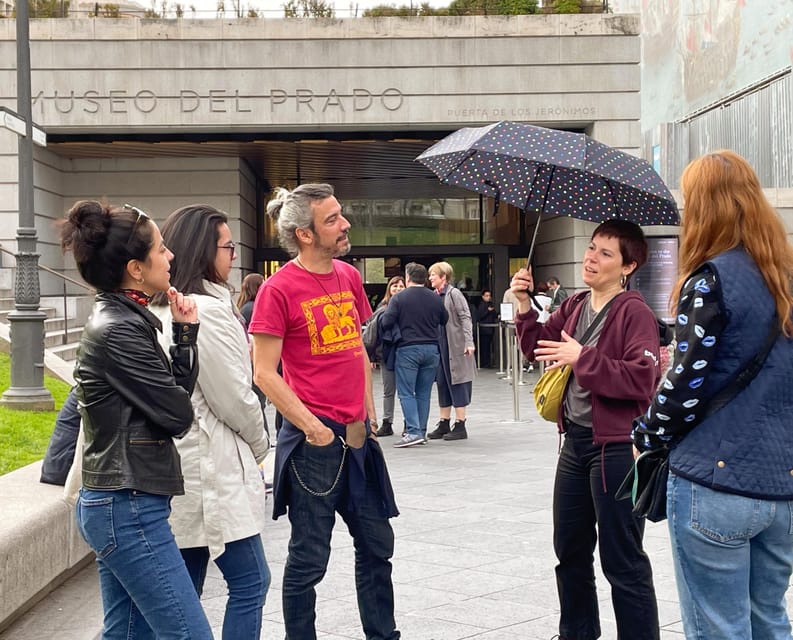
The meeting point is the Monumento a Goya, beside the Prado. Look for Delfi carrying a dark gray umbrella with colorful polka dots, a practical marker in a busy city-center setting.
Starting outside gives the tour a useful first chapter. Before you enter, you can hear about the museum’s origins, the building, and the collection. That short introduction helps you understand why the Prado became such an important home for Spanish royal art.
Give yourself enough time to reach the monument. The instructions are clear, but the tour begins there rather than at an interior museum desk. If you arrive late, catching up may be difficult once the group is inside.
You will also pass through an X-ray check for belongings. Food and drinks are not allowed, and large bags or luggage should be left elsewhere. Comfortable shoes are a sensible choice because three hours in a museum means plenty of standing and walking.
From the 15th century to Titian
The early part of the route sets up the artistic changes that follow. You will move through European painting from the 15th century onward, paying special attention to artists connected with Spain or the Hispanic Monarchy.
Titian is an important early focus because his work helps show how color, composition, and royal patronage influenced later European painting. Rather than treating him as an isolated Italian name, Delfi connects his work to the wider network of rulers and artists who shaped the Prado’s collection.
This is one of the tour’s most useful habits: the paintings are placed in conversation with one another. You are encouraged to look at what changed from one period to the next, not just to memorize titles and dates.
The route is selective. You will not inspect every room or every artist, and that is a benefit for a first visit. A guide can spend time on works that explain an era, then move on before the museum’s scale becomes tiring.
El Greco and the language of Spanish painting
El Greco offers a sharp change in mood and style. His elongated figures and intense spiritual force can seem unusual if you first approach the paintings as simple religious scenes.
Delfi’s role is to help you read those choices. You can look at the way a figure is shaped, how the composition directs your eye, and how the emotional effect relates to the period. The point is not just that El Greco looks distinctive. It is understanding why his style mattered.
This part suits you if you enjoy learning how to look at a painting. The guide’s explanations focus on symbolism, artistic method, and the cultural setting around the work. That makes the experience more active than simply standing in front of a famous canvas and waiting for it to impress you.
A few other Madrid outings to compare
- Madrid: Prado Museum Guided Tour with Skip-the-Line Ticket
★ 4.5 · 2,018 reviews - Madrid: Prado Museum Guided Tour With Fast Access
★ 4.8 · 1,785 reviews - Prado Museum Small Group Tour with Skip the Line Ticket
★ 5.0 · 1,738 reviews - Royal Palace & Prado Museum Skip the Line Guided Tour
★ 4.5 · 1,347 reviews
Rubens, court taste, and artistic exchange
Rubens brings another change in scale, color, and movement. His place on the route helps explain how artists and royal courts crossed national borders, and how styles traveled through Europe.
The Prado’s collection is especially effective for these comparisons. Flemish, Italian, and Spanish painters appear within a larger story of influence and patronage. You can see that Spanish art did not develop in isolation, even when the tour gives special attention to artists who worked in Spain or for its monarchy.
Delfi also discusses relationships between artists and the ways one painter affected another. That kind of context adds value to the ticket because you are not only seeing individual works. You are learning how a visual tradition develops over time.
Velázquez and the Prado’s central masterpieces
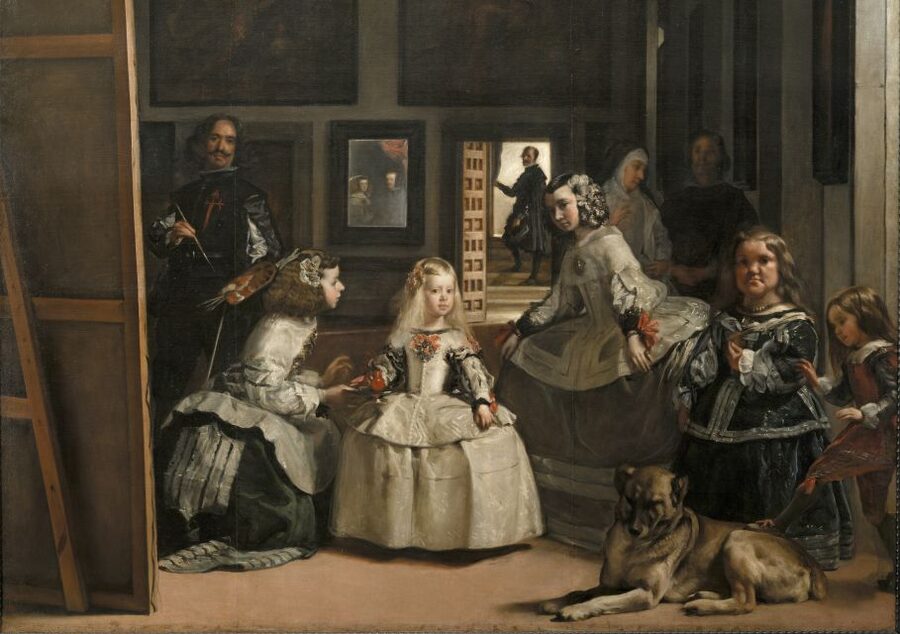
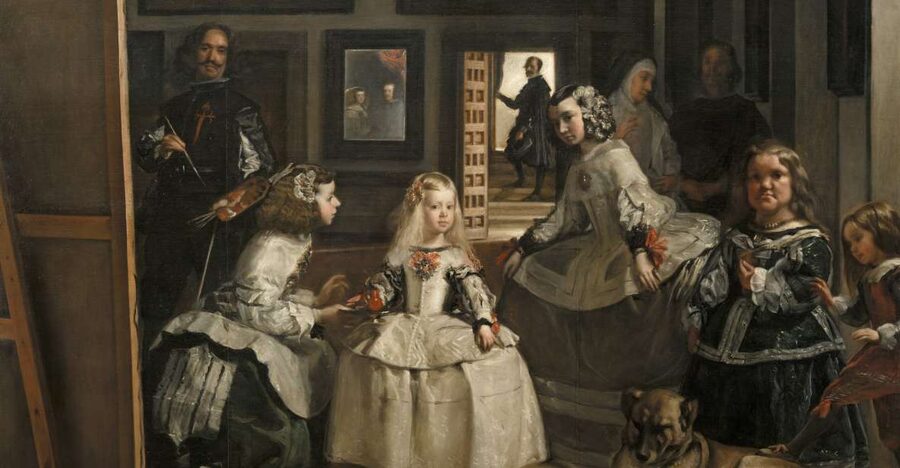
Velázquez is one of the essential Prado stops, and the tour gives him the attention you would expect. His paintings reward close looking, especially when you consider the relationship between court life, the people depicted, and the act of painting itself.
A good guide can point out details that are easy to miss from a distance. You may notice how figures are arranged, how space is suggested, or how the painter uses light and gesture to control the scene. The larger questions about status and royal representation become easier to follow once the visual details are clear.
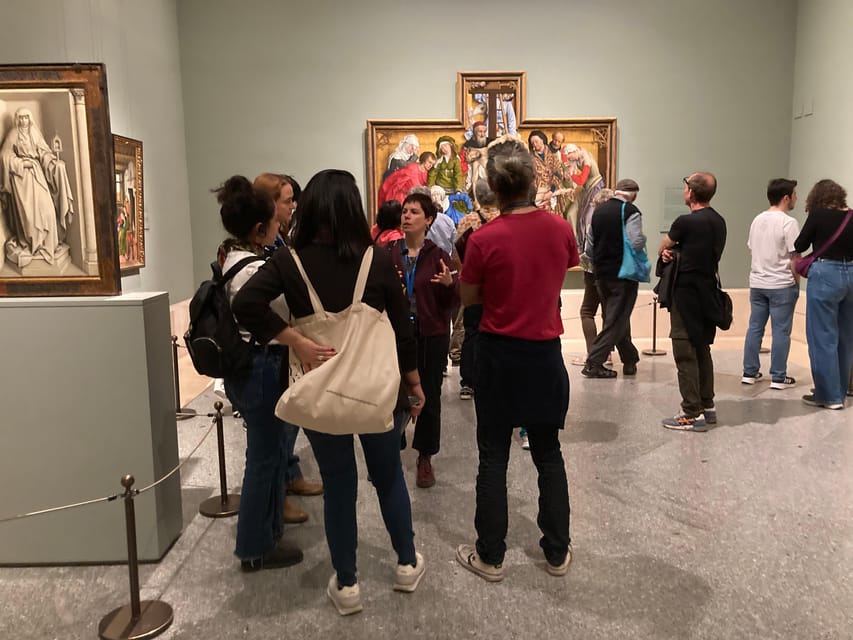
This is also where the small group helps. With no more than seven people, you can ask a question without interrupting a large lecture. You have a better chance of finding a comfortable viewing position and staying connected to the explanation.
The headset system is another practical plus. In crowded galleries, you can listen while looking at the artwork instead of standing shoulder to shoulder around the guide. Several participants specifically appreciated the clear sound, which can make a major difference in a busy museum.
Goya and the final turn toward modernity
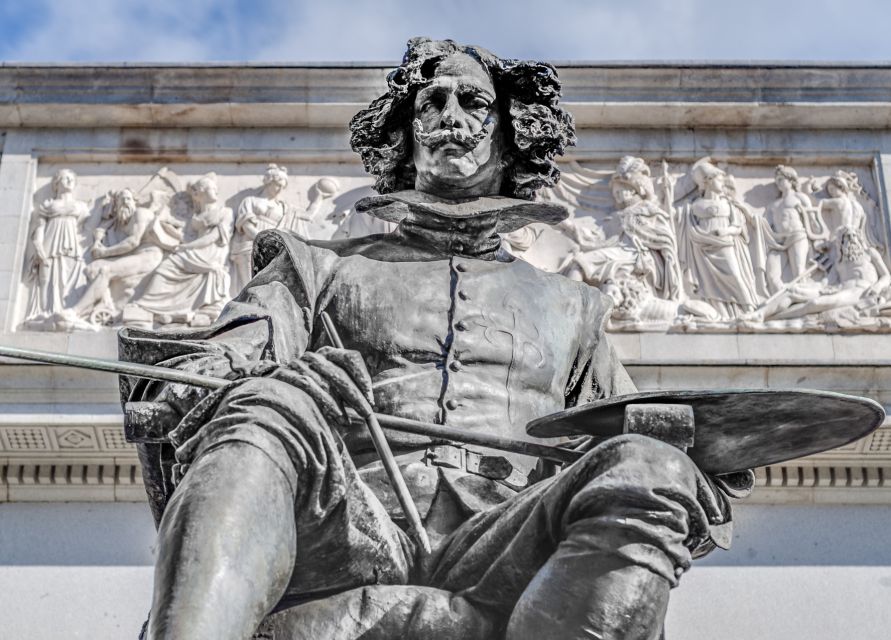
The route ends with Goya, whose work gives the tour a powerful closing section. His paintings connect personal vision with war, politics, society, and the changing role of the artist.
Beginning at Goya’s monument and ending inside the Prado with his work gives the visit a pleasing structure. You start with a visible reminder of the artist, then reach his paintings after seeing the earlier traditions that shaped Spanish art.
Goya also shows why a purely chronological museum visit can be helpful. His work does not fit neatly into a single mood or style, and its meaning becomes clearer when you understand the world around it. The guide’s attention to Spain’s rulers and political setting adds another layer to the paintings.
If Goya is your main reason for visiting, tell Delfi at the beginning. The route includes major artists across four centuries, so the exact amount of time at any single work can vary with the group’s questions and pace.
What the three hours feel like
Three hours is long enough to build a real understanding of the Prado, but not long enough to see everything. That is the honest tradeoff. You will focus on selected masterpieces and connecting works, rather than trying to tick off every gallery.
The pace appears designed to keep the session lively. Delfi explains the artists, the visual details, and the historical setting, then leaves room for questions. Several people found that the time passed quickly, while experienced museumgoers still appreciated the added context.
You should expect a fairly intense morning or afternoon. There will be extended periods on your feet, and the amount of information is substantial. Comfortable shoes are essential, especially if you are not used to long museum visits.
The tour can work for people who do not normally love art museums. The explanations are designed to make paintings readable, and the stories behind the works provide a way into the subject even if you do not already know art history.
It is also a good match for experienced museumgoers. A strong guide can connect paintings you have seen before with artistic influences, political events, and technical choices that you may not have noticed alone.
Small-group value at $74
At $74 per person, the price is not the cheapest way to enter the Prado. Your ticket is included, along with an English-speaking guide and a group limited to seven. The question is not simply what admission costs, but how much time and confusion the guidance saves.
I consider the price reasonable if this is your first Prado visit or if you want a structured introduction to the collection. The museum is large enough that a poorly planned visit can leave you tired without giving you a clear sense of what you saw.
The small group improves the value. In a large tour, questions can be awkward and the guide may need to repeat everything loudly. Here, the format gives Delfi more room to adjust to the group, answer questions, and keep people involved.
You may not need this tour if you already know the Prado well and prefer to wander independently. It is also less suitable if you want a slow, single-artist study session. This is a broad survey, moving through major periods and painters in three hours.
Flexible booking helps reduce the risk. You can cancel up to 24 hours before the start for a full refund, and you can reserve now while paying later. Check the available start times when planning your Madrid schedule.
Practical details before you book
The activity is in English and is wheelchair accessible. Bring a passport or ID card, since identification may be required, and wear shoes that will remain comfortable through a long museum session.
Photography is not allowed inside. Food and drinks are also prohibited, and all belongings go through an X-ray scanner. Do not arrive with luggage or a large bag, since those items are not permitted as part of the museum visit.
Plan your museum time around the tour rather than trying to squeeze it between several distant sights. The starting point is at Goya’s monument, and the tour finishes at the Prado itself.
Delfi’s clear English, friendly manner, and ability to explain difficult ideas in an approachable way are central to the experience. She also provides practical suggestions for other things to do in Madrid after the tour, which can be useful if you are still shaping your itinerary.
The guide has been praised for sending reminders, helping with directions, and keeping younger members of a group involved. Those details matter if you are traveling with family or if one person in your group is less interested in museums than the rest.
Who should take this Prado tour?
I would choose this tour for a first visit to Madrid’s Prado, especially if you want to understand the collection rather than simply photograph a few famous names. It gives you a logical route and enough background to make the paintings easier to appreciate.
It is also a strong option for couples or families with mixed interests. The stories, historical links, and visual clues give non-specialists an entry point, while the discussion of technique and artistic influence offers plenty for experienced museumgoers.
The format is less ideal for you if you dislike guided visits, need frequent sitting breaks, or want to spend a long time with one painting. Three hours is a focused survey, not an unhurried personal wander.
I would also avoid scheduling another demanding attraction immediately afterward. The tour is efficient, but the subject matter is substantial. Give yourself time for a meal, a rest, or a quiet walk through Madrid’s museum district.
Should you book the Prado Masterpieces Tour?
Book it if you want the Prado to make sense quickly. The strongest reasons are Delfi’s background as an art restorer, the chronological structure, the small group, and the way painting is tied to Spanish monarchy, politics, religion, and artistic influence.
The $74 cost is justified by the included entry and personal attention, particularly when the group is at its maximum of seven or smaller. You will see only a selection of the museum, but that selection is the point: it gives you a useful first map of a collection that can otherwise feel overwhelming.
Skip it if you already have a detailed Prado plan and prefer to explore alone. For most first-time visitors, though, three hours with a clear, enthusiastic guide is a smart way to meet Titian, El Greco, Rubens, Velázquez, and Goya without getting lost in the scale of the museum.
FAQ
How long does the Prado Museum tour last?
The tour lasts three hours.
What language is the tour conducted in?
The live tour guide speaks English.
How many people are in the group?
The group is limited to seven participants.
Is the Prado Museum entry ticket included?
Yes. The Prado Museum entry ticket is included in the $74 price.
Where does the tour meet?
Meet beside the Monumento a Goya. The guide carries a dark gray umbrella with colorful polka dots so you can identify her.
Where does the tour finish?
The tour finishes at the Museo Nacional del Prado.
Which artists are included in the route?
The tour follows European art from the 15th to the 19th centuries and gives special attention to Titian, El Greco, Rubens, Velázquez, and Goya.
Can wheelchair users join the tour?
Yes. The activity is wheelchair accessible.
What should you bring, and what is not allowed?
Bring a passport or ID card and comfortable shoes. Food, drinks, luggage, and large bags are not allowed, and photography is not permitted inside the museum. All belongings must pass through an X-ray scanner.
Recently added in Madrid
- Entrance to the Flamenco Temple Room in Madrid with Tapas Option★ 5.0 · 176 reviews
- Tapas & Paella Cooking Class in Madrid with a Professional Chef★ 5.0 · 177 reviews
- Madrid: Toledo Day Trip with Winery Visit and Wine Tasting★ 4.4 · 177 reviews
- VIP visit to the Las Ventas Bullring in Madrid★ 5.0 · 178 reviews
- VIP Entrance Ticket to Our Secret Alley in Madrid★ 5.0 · 179 reviews
- Madrid: Prado & Reina Sofía Museums Guided Tour★ 4.5 · 180 reviews
- Madrid: Royal Palace tour – semi private or private★ 4.9 · 182 reviews
- Atletico de Madrid Stadium & Interactive Museum Admission Ticket★ 4.5 · 183 reviews
Prado & Madrid Museum Tours, compared.


Small Group of Prado Museum Tour & Optional Tapas
Read the review →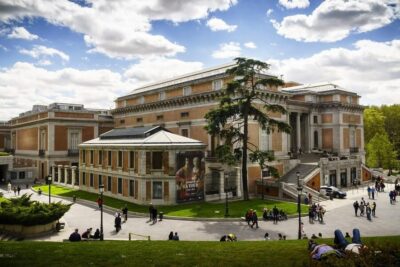
Prado Museum Guided Tour with Skip-the-Line Ticket
Read the review →
Prado Museum Small Group Tour with Skip the Line Ticket
Read the review →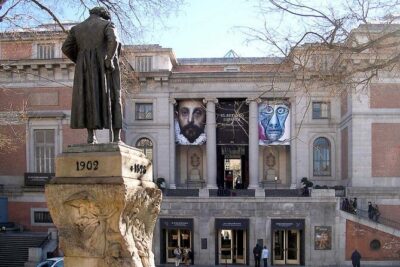
Royal Palace & Prado Museum Skip the Line Guided Tour
Read the review →
Browse the lists this tour appears in