
Reviewed · VALENCIA TOURS
Valencia: Orange Farm and Orchard Trip with Tastings
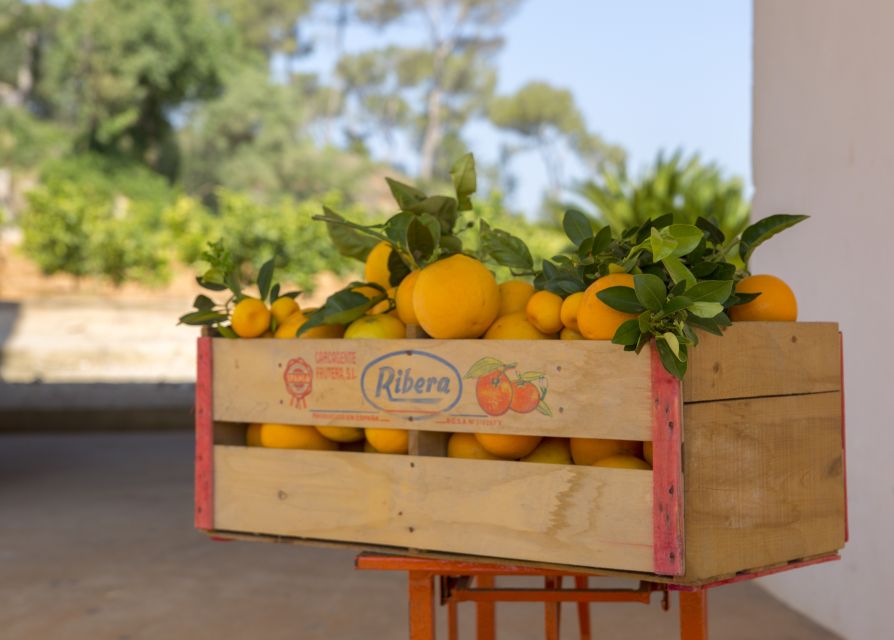
The best part of this orange farm tour near Valencia is that it goes beyond a pretty walk among trees. You see how citrus is grown, pruned, grafted, selected, and packed, then taste fruit and local products in the same place they are made. I especially like the hands-on orange picking and the chance to handle the sorting process in the Naranjas Ribera warehouse.
I also like the personal touch. Guides including Teresa, Ana, Claire, and Luis bring family knowledge of the farm and the local citrus trade, rather than giving you a generic garden talk. The main drawback is getting there: the train from Valencia is quick, but the final journey may involve a taxi or a roughly 30-minute walk that is not especially scenic.
Key points before you book
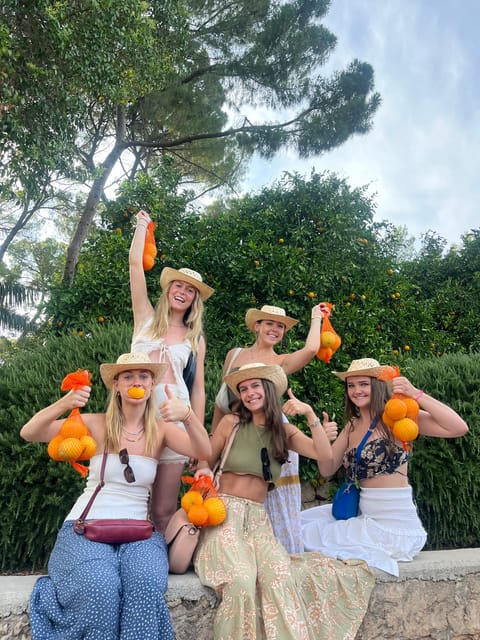
- Pick a bag of oranges in season: Orange picking is included from February through June, with seasonal fruit availability varying across the wider October to June period.
- See more than ordinary oranges: The orchard includes Sanguinelli blood oranges, yuzu, Buddha’s hand, citrus caviar, kumquats, grapefruit, avocados, papayas, and other fruit.
- Visit a working warehouse: You see how oranges are calibrated, sorted, and prepared for shipment around Europe.
- Taste a generous range of products: Expect fresh juice, lemonade or other citrus drinks, seasonal mandarins, jams, orange blossom honey, cookies, and Valencian liqueurs.
- Reach it from Valencia by train: The direct train from Valencia Nord takes about 35 minutes, but allow extra time for the final connection.
- Expect a personal family-run visit: The English-speaking guides explain both old farming methods and modern production.
Why this orange farm is worth leaving Valencia for
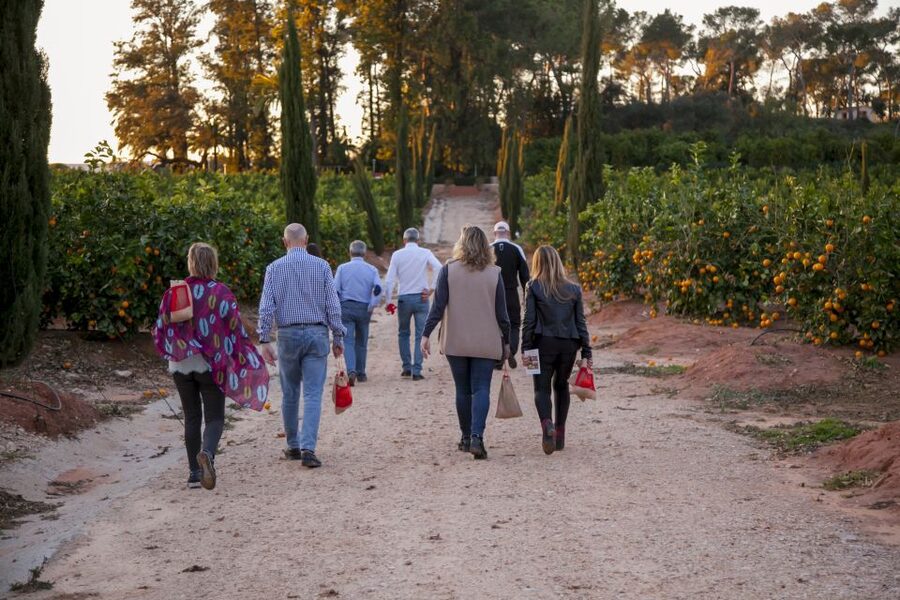
Valencia is famous for its oranges, but city markets and restaurant menus only show you the finished product. At Huerto Ribera, in Carcaixent, you get a clearer picture of the work behind it.
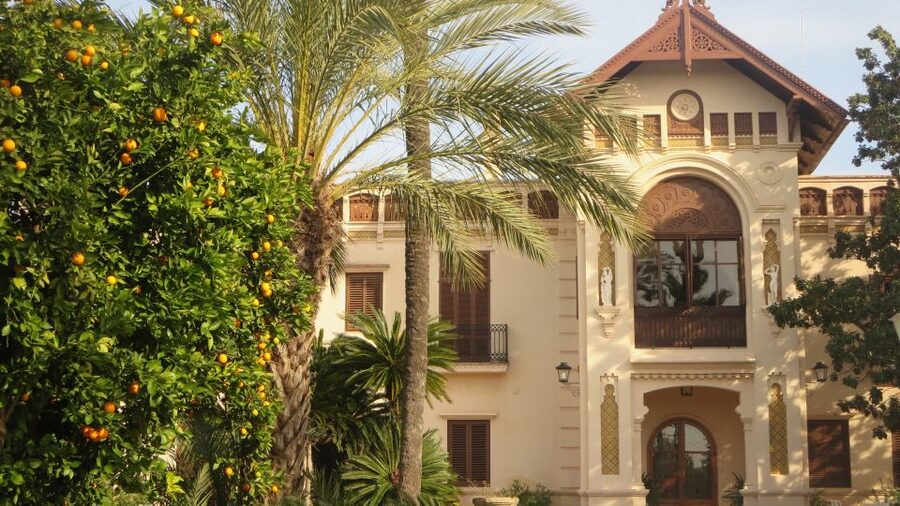
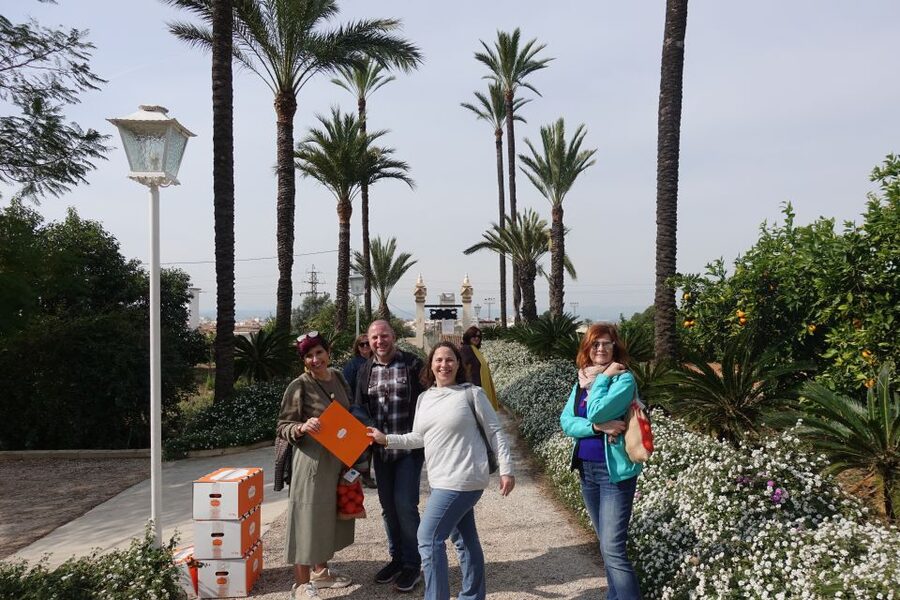
Carcaixent sits about 35 kilometers from Valencia and is often called the orange cradle. Huerto Ribera has operated since 1870, and the visit takes place around a 19th-century modernist house, its gardens, and working citrus groves. You are not simply looking at an ornamental orchard. The tour connects the trees to the commercial side of farming.
That makes the $35 price easier to judge. In two hours, you receive a guided walk, a farm and warehouse visit, a series of tastings, and, during the right season, a bag of oranges to pick and take home. I would not book it only for the quantity of food. I would book it because the tour gives you a real local activity that is quite different from Valencia’s usual old-town, beach, and museum circuit.
The experience also works well for families. Picking fruit gives children something concrete to do, and the variety of citrus keeps the walk from becoming a long botanical lecture. Adults get the farming story, while younger visitors can taste fruit, handle oranges, and see the sorting equipment.
A few other Valencia outings to compare
- Ría de Arousa: Boat Ride to Mussel Farm with Tasting
★ 4.7 · 845 reviews - La Herradura Coffee Farm: tour in Europe’s only plantation
★ 4.8 · 430 reviews - Alicante : E-Bike Coast Tour, Roman Fish Farm and Snorkeling
★ 4.8 · 250 reviews
Entering Huerto Ribera’s gardens and orchard
The tour begins at Huerto Ribera, where you see the exterior of the eclectic modernist house before walking through the gardens and orange groves. The setting is one of the main pleasures of the visit, especially during orange blossom season.
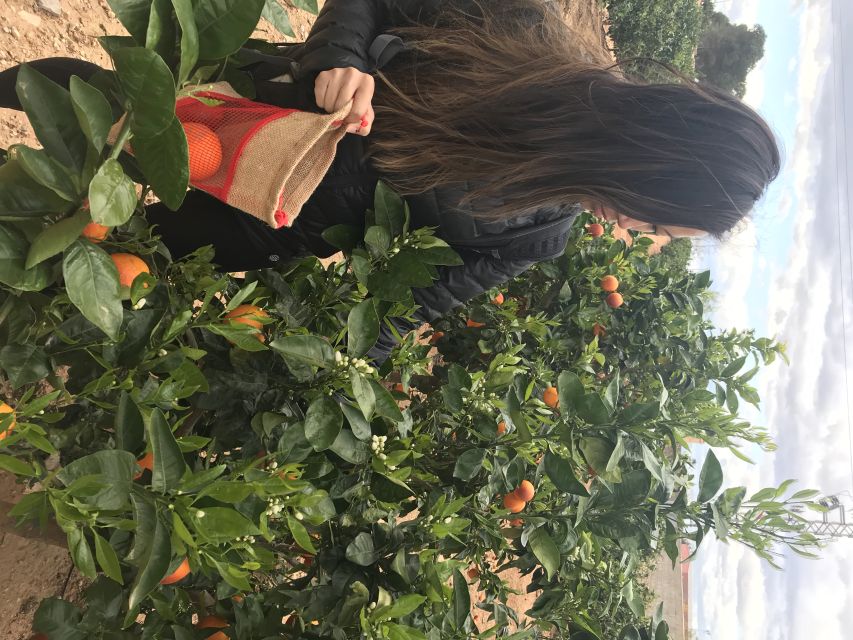
In April, the scent of the blossoms can be powerful. You may notice the aroma before you have seen much of the orchard, which gives this visit a strong sense of place. The timing of the blossom depends on the year, so it is not guaranteed, but spring is a particularly appealing period if flowers matter to you.
The grounds include more than orange trees. You can see oranges, mandarins, lemons, grapefruit, kumquats, pomegranates, avocados, papayas, medlars, Buddha’s hand, yuzu, and citrus caviar. Some of these fruits are familiar, while others are unusual enough to make the walk feel like a small introduction to the wider citrus world.
The guide explains flowering, pruning, grafting, and the differences between traditional cultivation and current farming methods. That comparison matters. You begin to understand that an orchard is not simply a collection of trees waiting for harvest. Tree care, water, variety selection, and timing all affect the final fruit.
Guides such as Teresa, Ana E, Claire, and Luis have been praised for making this information easy to follow in English. Their family connection to the farm also helps put the local farming economy into context. The visit touches on the changes facing Valencian citrus growers, not just the romantic side of rural life.
Learning how citrus is grown
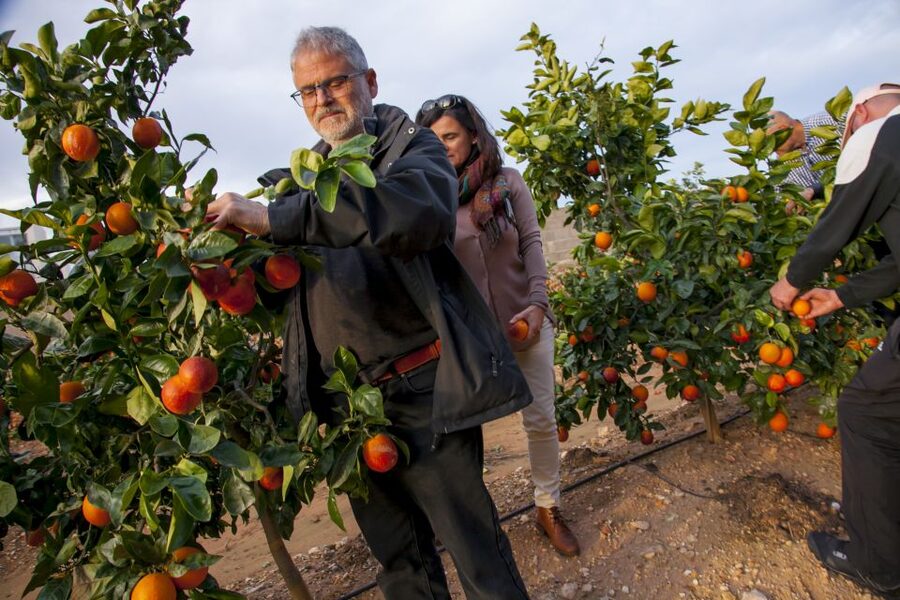
The orchard walk is informative without needing to become a technical class. You hear about how citrus trees are shaped, how branches are managed, and how different varieties mature at different times.
I find the traditional and modern comparison especially useful. Many food tours stop at tasting, but this one explains why production has changed and what happens after the fruit leaves the tree. You get a better sense of the effort involved before reaching the warehouse.
The range of fruit adds welcome variety. Sanguinelli, a blood orange, may have a deeper color and a different flavor from the sweet oranges many people expect. Buddha’s hand is striking in appearance, while yuzu and citrus caviar show how broad the citrus family can be.
The exact fruits available for tasting depend on the season. That is important to keep in mind. You may see certain plants in the orchard without tasting every variety on every date. The tour promises a look at all the varieties planted, but the most generous selection will naturally depend on what is ripe.
The guide also explains the well used to irrigate the orchard. This stop is brief but useful because water is central to farming in this part of Spain. It shows that the orchard is an operating agricultural property, not just a preserved historic garden.
Picking your own oranges
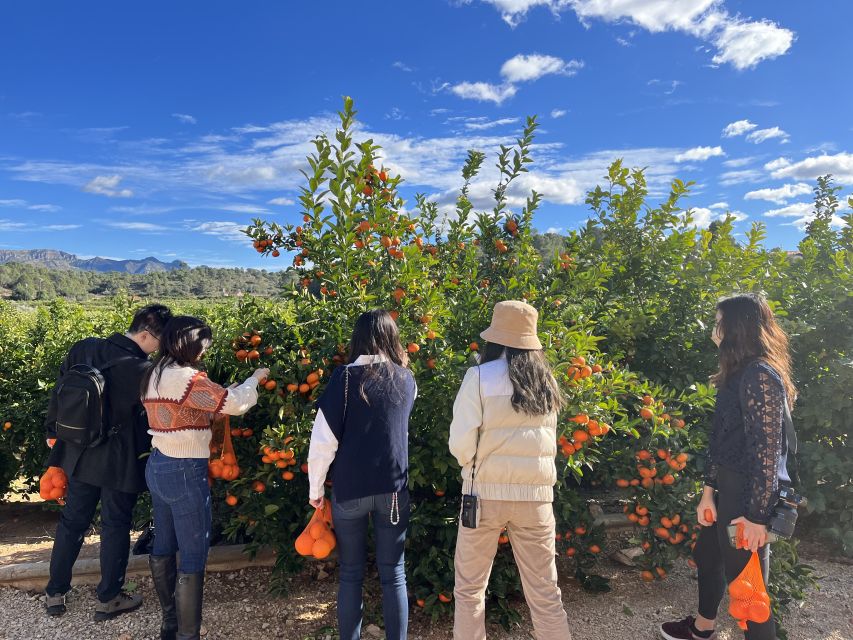
For many people, orange picking is the highlight. When included, you receive a bag and collect oranges directly from the trees, then take them home.
The published seasonal details vary slightly: the wider citrus season runs roughly from October to June, while the included pick-your-own bag is specified for February through June. If picking is the deciding reason for your booking, check the exact date and current conditions before you go.
This is a simple activity, but it changes the tone of the tour. Instead of only hearing how fruit is harvested, you take part in the process. It is also a good reason to bring a sturdy bag or leave space in your luggage, though the farm provides the bag for the picking activity.
The fruit is not just a souvenir. You can eat it later, juice it in your accommodation, or share it with friends. Fresh orange juice is one of the strongest parts of the tasting, and the farm’s oranges give you a useful comparison with supermarket fruit.
Wear comfortable shoes. The tour involves walking through gardens and groves, and the ground may not be as smooth as a city pavement. A hat is also sensible in warmer months. The farm has provided hats during hot visits, but I would still arrive prepared for sun.
Same city, a completely different evening:
- Valencia: Oceanogràfic Entry Ticket
★ 4.7 · 9,893 reviews - Valencia: 24 or 48-Hour Hop-on Hop-off Bus Ticket
★ 3.9 · 5,611 reviews - Valencia: Palosanto Flamenco Show Ticket
★ 4.8 · 3,876 reviews - Valencia: Catamaran Cruise with Sunset Option
★ 4.0 · 3,566 reviews
Inside the Naranjas Ribera warehouse
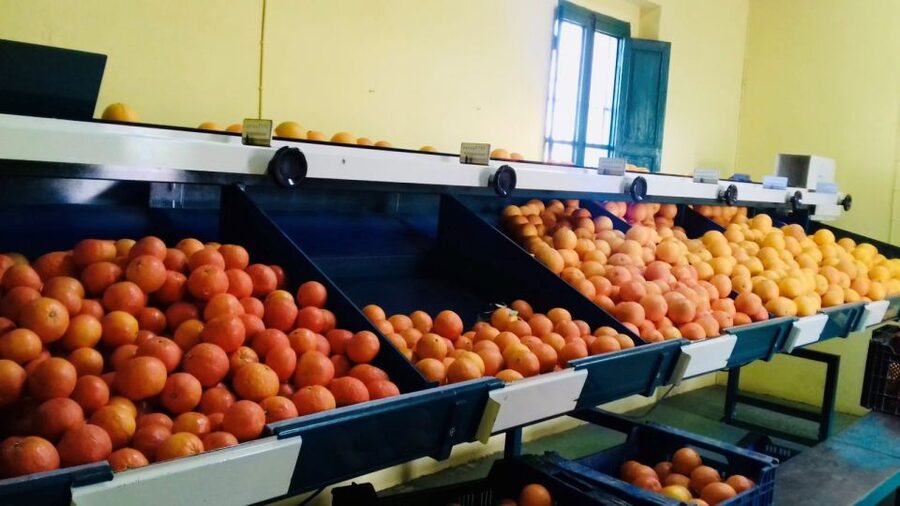
The warehouse adds substance to the visit. Here, you learn how oranges are calibrated and selected before being placed in boxes for shipment around Europe.
Calibration means sorting fruit by size and quality. Seeing this process helps explain why oranges that look similar on a tree can be handled differently once harvested. It is also the point where the tour moves from farm tradition to modern commercial production.
A particularly enjoyable part for families is having a chance to see or try the sorting equipment. It gives children a practical task and lets adults understand the steps between picking and shipping.
The warehouse may not have the visual charm of the gardens, but it is one of the most useful stops. If you only walked among trees, you might leave with a pleasant memory and little sense of the business. The warehouse shows the scale and organization required to send citrus beyond the local area.
The visit also gives you a more balanced view of orange farming. Valencia’s citrus tradition is appealing, but farming is work, and the tour does not ignore that. You hear about production, changing economic conditions, and the current position of Valencian growers.
A tasting of citrus, jams, honey, and liqueurs
The final tasting is generous for a two-hour activity. Depending on the season and the day, you may try orange juice, lemonade, mandarins, different citrus fruits, homemade jams, orange blossom honey, Valencian liqueurs, and citrus-based cookies.
The tasting is not limited to one glass of juice. You may sample lemon, lime, grapefruit, kumquats, citrus caviar, and other fruits found on the property. This is where the orchard tour becomes most memorable because the flavors are easy to compare while the plants are still fresh in your mind.
Orange blossom honey is a particularly fitting local product. The connection between blossoms, pollination, and the final jar gives the tasting a clear link to the orchard rather than making it feel like a random snack stop.
There is also a small shop where you can buy homemade marmalades, liqueurs, honey, and related products. I like that the buying opportunity comes at the end, after you have tasted the items. It lets you make your own choice without turning the whole visit into a sales pitch.
If you are traveling with limited luggage, keep the shop in mind before you arrive. Jars and bottles are useful gifts, but they take space and may be awkward to carry. The tastings still provide good value even if you buy nothing.
Getting from Valencia to Carcaixent
The official meeting point is Huerto Ribera, Polígono Nº 53, 5, 46740 Carcaixent. By car, the farm is about 35 kilometers from Valencia.
By public transport, you can take a direct train from Valencia Nord. The journey takes about 35 minutes, which makes the farm a possible half-day outing from the city. The train itself is straightforward, but do not treat the transfer as an afterthought.
Train departure times need checking in advance. One practical detail is that tickets may need to be bought at the station counter, and the service may be less frequent than you expect. Missing the right train can make you late for a fixed tour start.
The final trip from the station requires planning. Some people have arranged a taxi, while others have walked for about 30 minutes. The walk is manageable for some visitors, but it has been described as long and not particularly attractive. With children, luggage, hot weather, or limited mobility, a taxi is the better choice if available.
The return journey deserves the same care. Do not assume you can finish the tour and immediately find a taxi waiting. Ask about the local connection before setting out, and allow time after the two-hour visit.
Timing, weather, and comfort
The tour lasts about two hours, which feels like a good length for a farm visit. There is enough time for the gardens, orchard, warehouse, tasting, and seasonal picking without turning the day into a full agricultural seminar.
Summer can be hot, and the farm may feel warmer than Valencia. Wear light clothing, comfortable shoes, and sun protection. Hats have been supplied on hot days, but you should not depend on that.
Spring offers the best chance of enjoying orange blossom aromas, while the picking experience depends on the fruit calendar. Winter and spring are likely to appeal most to visitors who want oranges to take home, but the farm contains citrus and other fruit across several seasons.
The tour is conducted in English with a live guide. The guides have different personalities, but the strongest part of the experience is the direct, friendly explanation of the farm. Ana E, Teresa, Claire, Luis, and other guides have been singled out for warmth, humor, and clear answers.
The property is not suitable for wheelchair users, although partial assistance has been provided for a wheelchair user on one occasion. That should not be taken as a promise of full accessibility. Contact the farm before booking if your group has mobility needs.
Who will enjoy Huerto Ribera most
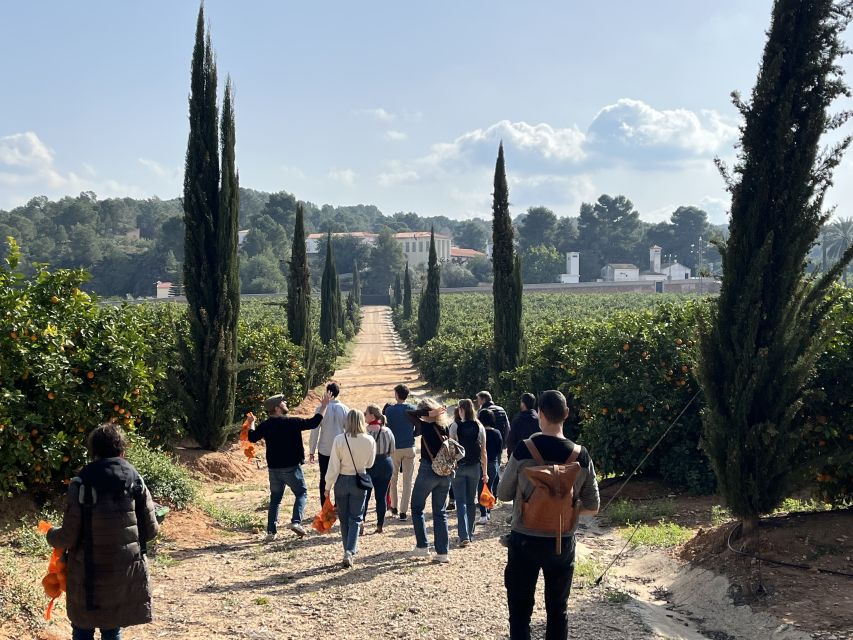
I would recommend this for anyone who wants a rural break from Valencia’s city sights. It suits food lovers, families, gardeners, photographers, and people curious about how a familiar fruit is produced.
It is also a good choice if you have already visited the major sights in Valencia and want something tied closely to the region. Orange farming is not an added theme here. It is the reason the town and farm matter.
Families should find plenty to hold a child’s attention, especially the fruit picking, juice, unusual citrus, and sorting equipment. The walking is moderate, but hot weather and the trip from the station may test younger children.
The tour is less suitable if you want a purely polished attraction with easy city-center access. You need to make a transport plan, and the farm is not fully accessible for wheelchair users. People expecting a long, formal lesson on the worldwide origins of citrus may also find the history section limited.
For $35, I consider the value strong. You get an English guide, an authentic working setting, plenty of samples, and a seasonal bag of oranges. The price is especially fair for families or anyone who enjoys tasting local products, though transportation costs can add to the total.
Should you book this orange farm tour?
Yes, if you want a hands-on taste of Valencia rather than another indoor attraction. The best reasons to book are the personal guides, the broad citrus collection, the warehouse demonstration, and the chance to pick oranges when the season allows.
Plan your route carefully, check the train schedule, and arrange the last connection if you do not have a car. Pick spring for orange blossoms, and choose February through June if taking home your own bag of oranges is essential.
Skip it if you need a fully accessible site, dislike rural transfers, or want a tour based mainly on grand architecture. For everyone else, Huerto Ribera offers a practical, tasty, and genuinely local two hours outside the city.
FAQ
How far is Huerto Ribera from Valencia?
Huerto Ribera is in Carcaixent, about 35 kilometers from Valencia.
How long does the tour last?
The guided experience lasts about two hours.
Can I reach the farm by train?
Yes. A direct train from Valencia Nord to the Carcaixent area takes about 35 minutes. You need to plan the final connection from the station to the farm.
Is transportation included in the price?
No. Transportation to and from Huerto Ribera is not included.
Can I pick oranges during the tour?
Yes, seasonal orange picking is included from February through June. The wider fruit season can run from October to June, so check the date if picking is important to you.
What products are included in the tasting?
The tasting can include orange juice, seasonal mandarins, Valencian liqueurs, homemade jams, orange blossom honey, and other citrus products.
Is the tour accessible to wheelchair users?
The experience is listed as not suitable for wheelchair users. Partial accommodation has been possible in an individual case, but the property is not fully accessible.
Recently added in Valencia
- Valencia Private Walking Tour with Official Valencian Guide★ 5.0 · 176 reviews
- From Valencia: Caves of San José Guided Tour & Boat Ride★ 4.5 · 179 reviews
- Valencia: Pobla de Farnals JetSki Rental, photos &BeachClub★ 4.8 · 179 reviews
- Valencia: Port Saplaya Boat Tour with Free Drink & Swimming★ 4.4 · 183 reviews
- From Valencia: Montanejos Thermal Spring & Girlfriend Waterfall★ 4.5 · 182 reviews
- Pub Crawl Tour in Valencia★ 5.0 · 183 reviews
- Valencia: Morning Food Tour with Central Market Visit★ 4.9 · 196 reviews
- City of Arts and Sciences Private Segway Tour★ 5.0 · 196 reviews
Valencia Tours, compared.





Valencia Old Town Tour with Wine & Tapas in 11th Century Historic Monument
Read the review →
Oceanogràfic, Hemisfèric & Science Museum Combo
Read the review →

Sunset or Daytime Catamaran Cruise with Drink
Read the review →Browse the lists this tour appears in