
Reviewed · TAPAS & FOOD TOURS
Seville: Flavors of Andalucía Guided Food Tour with Tastings
Triana is where this food tour earns its keep. Across the Isabel II Bridge, you leave Seville’s cathedral zone behind and follow a guide into local bars and small restaurants that are easy to miss on your own. The focus is not polished food photography. It is generous, sometimes odd-looking food with a story behind it.
I like the way food and Seville’s past are tied together, rather than treated as two separate tours. I also like the local angle: guides such as Fabio, Lucia, and Antonio have led people to small taverns, market stalls, pottery shops, and neighborhood spots where dishes such as quail, pisto, snails, and pringá feel at home.
The main consideration is that this is a tasting walk, not a long restaurant meal. Two bars and roughly six or seven dishes can satisfy you, but it is wise not to arrive ravenous, especially if your group chooses the basic option without dessert or a third stop.
Key points to know before you book
- Triana is the star setting: Begin near Puente Isabel II and explore a part of Seville that many visitors skip.
- Expect local, not predictable, tapas: Dishes may include lentils, pisto, quail, snails, pringá, and other Andalusian specialties.
- The guide shapes the experience: Fabio, Lucia, Antonio, Paula, Judith, and others combine food explanations with Seville and Triana history.
- Drinks are part of the tasting: Spanish wine, Manzanilla sherry, tinto de verano, water, soft drinks, tea, or coffee may be included depending on the stop.
- The standard tour lasts 2.5 hours: You visit two tapas bars or taverns, with an optional third bar.
- Add-ons change the finish: Dessert and rooftop sangria are available only with selected options, and the dessert may be served as a takeaway pastry rather than a sit-down course.
Starting across the bridge in Triana
The meeting point is easy to describe once you know what to look for: the churro stand called Churreria Los Especiales, on the old-town side of Puente Isabel II. The bridge is often called the Triana Bridge, and it connects the historic center with the Triana neighborhood.
This starting point matters because the tour is not simply a restaurant crawl in the most visited part of central Seville. You begin by crossing into a district with its own identity, then use food to understand how Triana fits into the city.
You should wear comfortable shoes. The tour lasts two and a half hours and involves walking between stops, standing in bars, and moving through streets and market areas. Starting times vary, so check the available departure before booking.
The tour is offered in English with a live guide. Guide assignments can change, but several guides receive repeated praise for their warmth and clear explanations. Fabio is often described as especially strong on culinary detail and local history. Lucia mixes food knowledge with stories about family life, landmarks, and the neighborhood. Antonio is praised for his friendly manner and his ability to explain Seville through its food and wine.
More Tapas & Food Tours in Seville
- Sevilla Food Tour: Tapas, Wine, History & Traditions
★ 5.0 · 3,468 reviews - Ultimate Seville Tapas, Wine & History Small Group Tour
★ 5.0 · 1,766 reviews - Seville: Tapas Crawl
★ 4.9 · 1,705 reviews
Why Triana makes a better food lesson than a generic tapas crawl
Seville has no shortage of tapas bars, and you can certainly order a plate of jamón or croquetas without help. The value here is in being shown what to order and why it belongs in the local food culture.
Your guide explains the roots of Spanish cuisine, the products used in Andalusia, local wineries, and the connection between food, agriculture, culture, and Seville’s past. That context can change the way you look at a simple plate. A dish may seem humble, but it can reflect regional habits, available ingredients, or the influence of different cultures in Spain.
The tour also gives you a reason to cross the river. Several stops are described as places you might walk past without entering. One small bar in particular is remembered for award-winning food despite an unassuming exterior. That is useful in Seville, where the best meal is not always served in the smartest-looking room.
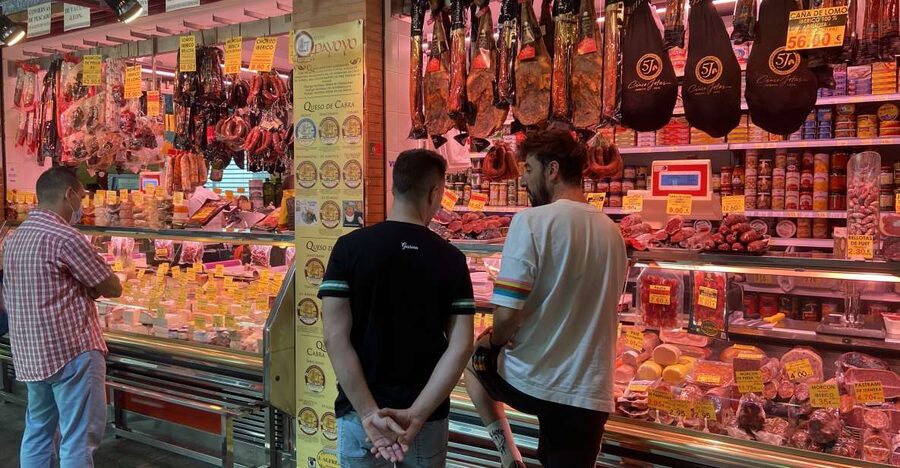
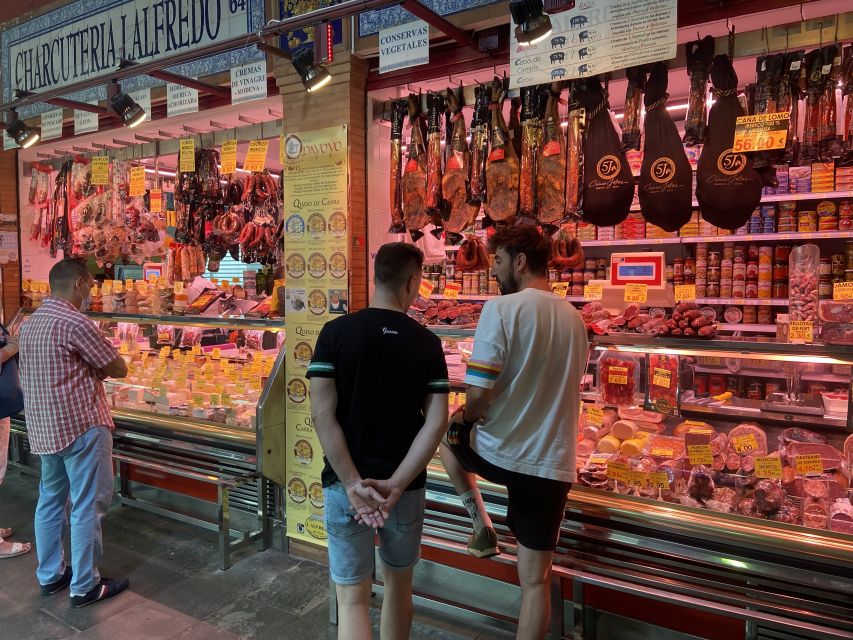
You may also pass food stalls, small restaurants, local pottery shops, and a market. These details widen the experience beyond eating. You get a short introduction to how the neighborhood works, with the guide pointing out places you can revisit later.
The first tapas stop: simple food with local character
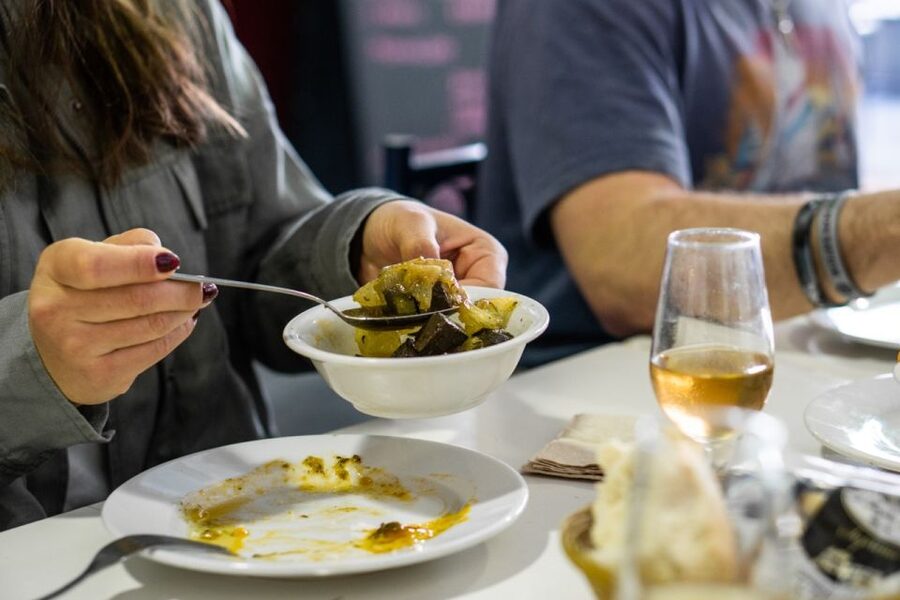
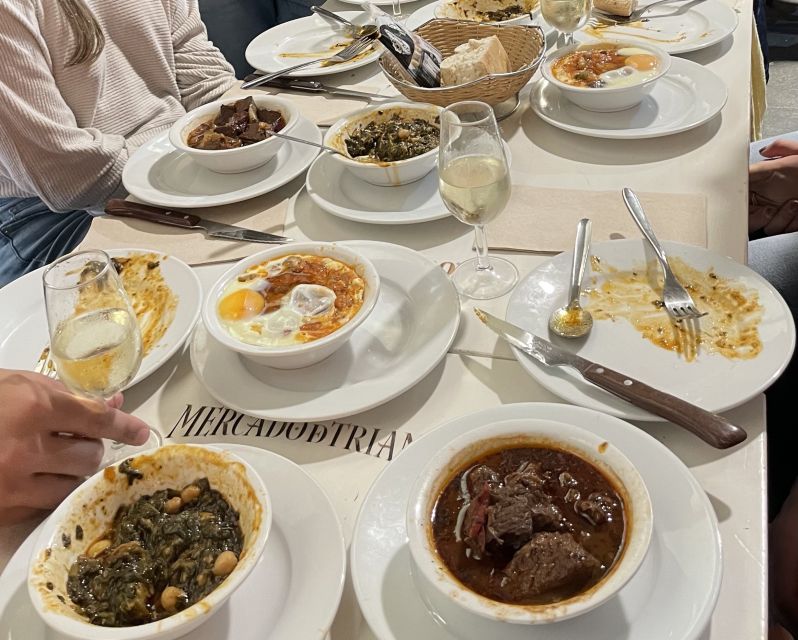
The first bar usually sets the tone. You may sit or stand with the group, share several dishes, and pair them with a drink. The tasting can include three dishes, and one example included lentils alongside other local plates.
The food is described as generous rather than decorative. That fits the tour’s theme: some tapas may look plain or even unattractive, yet taste excellent. The point is to judge the food by its flavor, not by its appearance.
This is also where a guide can help if you are unfamiliar with Spanish ordering customs. You are not left to scan a menu and guess. The guide introduces the dish, explains its place in local cooking, and helps the group understand what is being served.
A drink may be Spanish wine, Manzanilla sherry, or a nonalcoholic choice such as water or a soft drink. One tasting includes white dry sherry, and Manzanilla is explained as part of the local drinking culture. You may find the flavor unusual at first, but the guide can show you how it is traditionally enjoyed.
I especially like this stop for cautious eaters. You can try food you might not order alone, but you are doing it in a group with a clear explanation. If something is not for you, the tour still gives you a better sense of what local diners choose.
The second bar: unusual dishes and the best surprises
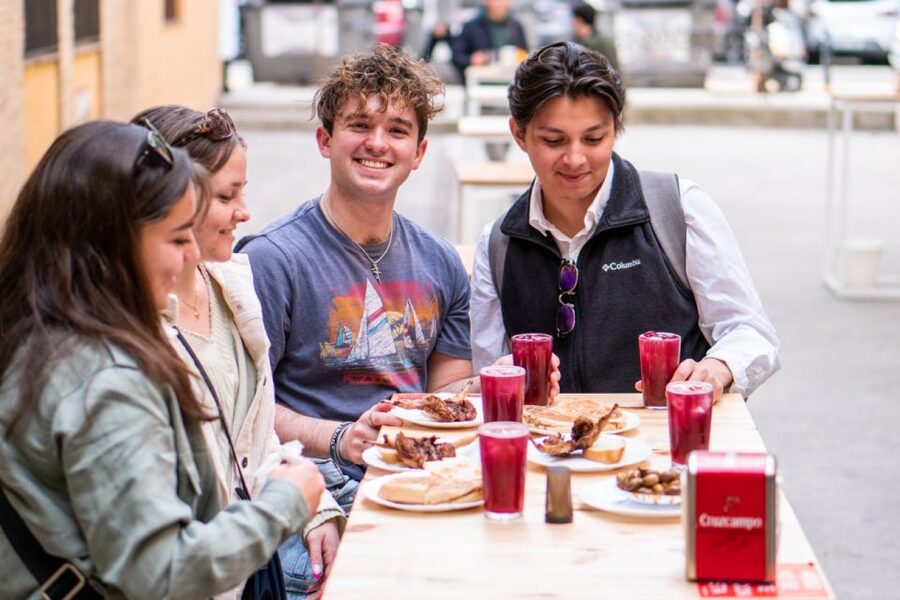
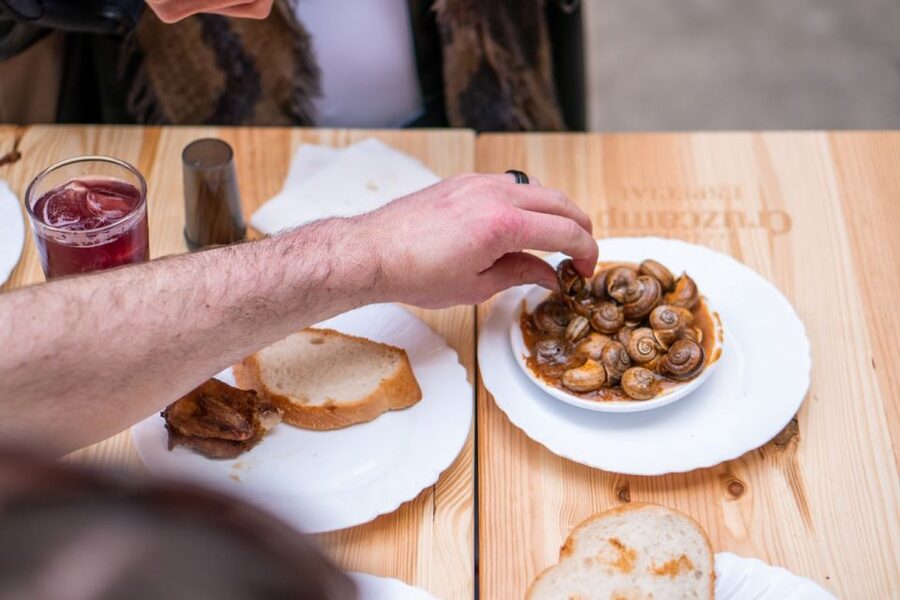
The second stop is where the tour becomes more adventurous. Examples from the tastings include roast quail, snails, and pringá, a mixed-meat filling served in a sandwich. These are not the standard first choices for many visitors, which is exactly why a guide helps.
Quail is singled out as especially memorable, and the small portions let you try it without committing to a full order. Snails may appeal to adventurous eaters, while pringá offers a hearty taste of Andalusian comfort food. If you prefer familiar dishes, you can still enjoy the chance to see what locals eat, but this stop is not designed only around safe, well-known tapas.
Another tasting included tinto de verano, a refreshing combination of red wine and lemonade. It is less formal than ordering a glass of wine and fits the relaxed bar setting. The drink selection helps show that Spanish food culture includes casual, everyday combinations as well as celebrated wines.
The second bar can be particularly valuable because its exterior may not suggest much. A good guide gets you through the door, explains what is worth ordering, and removes the guesswork. You may leave with a short list of places to return to, including a dish you would not have noticed on your own.
More tapas and food tours in Seville:
- Authentic Flamenco Show with Tapas & Wine Guided Tour
★ 5.0 · 1,476 reviews - Flamenco Show at Tablao El Arenal with Drink and Optional Dinner or Tapas
★ 4.5 · 1,415 reviews - The Seville Tapas Crawl Tour by Food Lover Tour
★ 5.0 · 1,213 reviews - Seville Ultimate Food Tour
★ 5.0 · 898 reviews
How much food do you actually get?
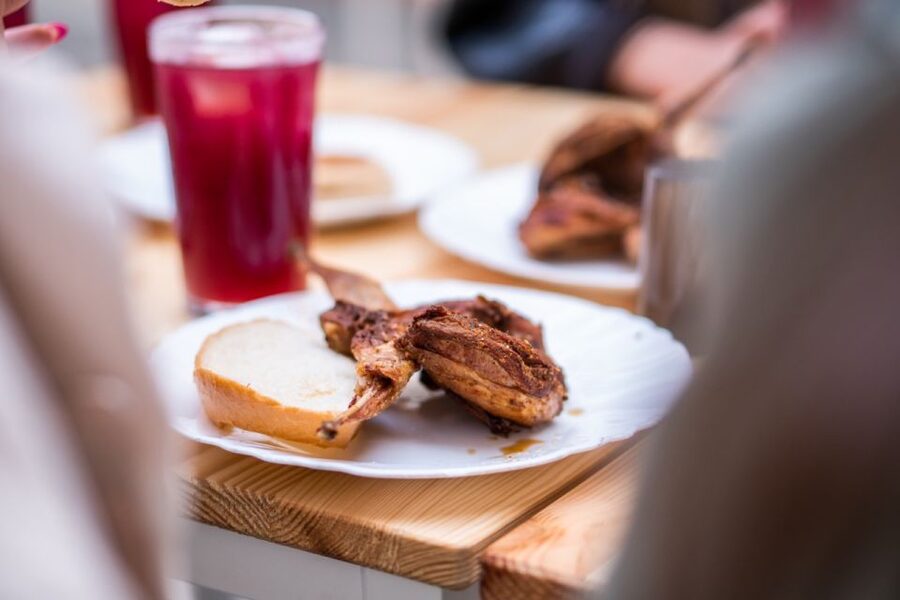
The exact menu can vary, but the standard package includes tapas at two different tapas bars or taverns, Spanish wine, and water or a soft drink. Past tastings have included around six or seven dishes and two drinks, with portions substantial enough for a light meal.
That makes the $35 price reasonable if you value the guide, the neighborhood orientation, the food education, and the included drinks. Ordering the same number of dishes independently might cost less in some bars, but you would not get the same help choosing unfamiliar specialties or finding local places.
Still, I would not treat the basic tour as a full dinner for a very hungry person. One useful tip is to eat a light snack earlier in the day. A previous participant enjoyed the tour after having only a croissant earlier, but also noted that the experience is better for a few picky bits while learning than for arriving ready to eat a huge meal.
The optional third tapas bar adds more food and time in the local setting. If you want the strongest food value, it may be worth comparing the package options before paying. The dessert add-on is less substantial than some people expect. It may involve receiving a pastry from a shop to take away, rather than sitting down together for a final dessert course.
Rooftop sangria is another optional extra. It can make the ending feel more social, but it is not part of the base tour. Read the selected package carefully so the final stop matches what you want.
The history works best when you enjoy conversation
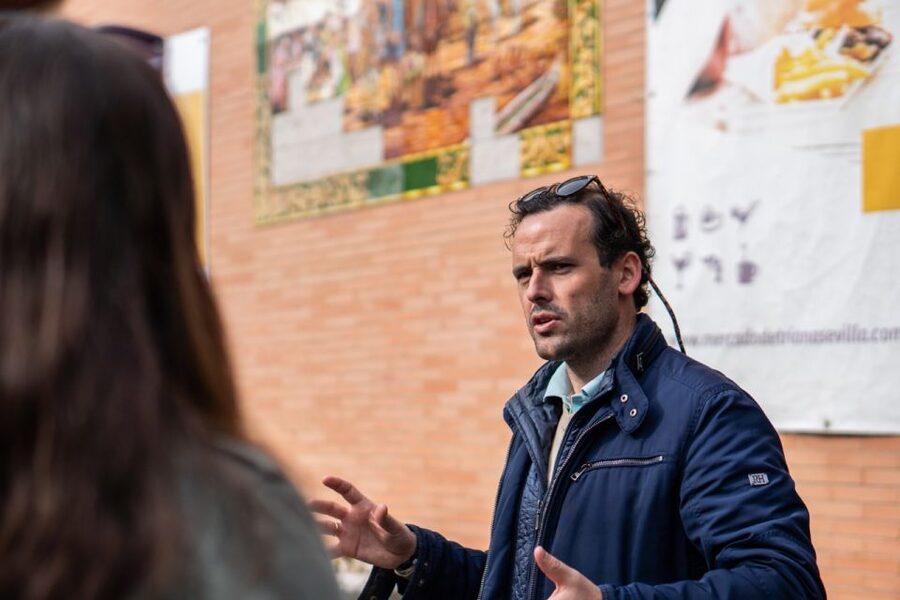
This tour gives considerable space to explanations. Fabio is praised for connecting culinary facts with the history of Seville and Andalusia. Lucia brings in local life and family customs. Other guides, including Paula, Antonio, Judith, and Fran, are described as friendly, engaging, and able to answer questions.
That means the pace is not nonstop eating. You may stop while the guide explains the neighborhood, the dish, a drink, or the cultural forces that shaped Spanish food. If you like learning while you eat, this is a major strength.
If you want only a rapid series of tastings, you may find the talking slower than expected. The tour is designed for food lovers who want context, not just a checklist of plates. I would choose it early in a Seville visit because the recommendations can help with the rest of your stay.
The social side is another plus. The group format gives you a chance to talk with other people while sharing plates and drinks. Some departures may be small, and one person received a nearly private experience, but group size is not specified, so you should not book expecting a private tour.
What makes the food specifically Andalusian?
The tour does not present Spanish food as one uniform national menu. It points toward the differences within Spain and gives particular attention to Andalusia and Seville.
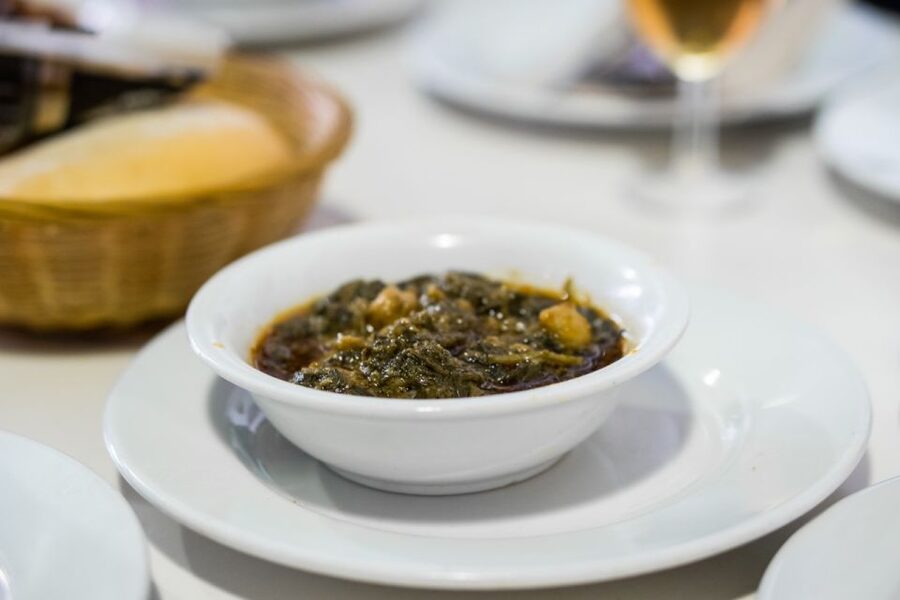
Pisto, lentils, quail, snails, pringá, sherry, and tinto de verano all show different sides of the region. Some are rustic and filling. Others are linked to local drink customs or everyday bar life. The point is not that every dish is unique to Triana, but that the guide places each tasting in a local setting.
You also learn that food can be unpolished and still be excellent. This is a helpful lesson in Spain, where the most satisfying plate may arrive without elaborate presentation. A plain-looking tapa can carry more local character than a carefully arranged dish aimed at visitors.
The tour also leaves you with practical suggestions. Guides are happy to recommend more dishes and places to try independently. That follow-up advice may be worth as much as one extra tapa, especially if you are staying in Seville for several days.
Who will enjoy this tour most?
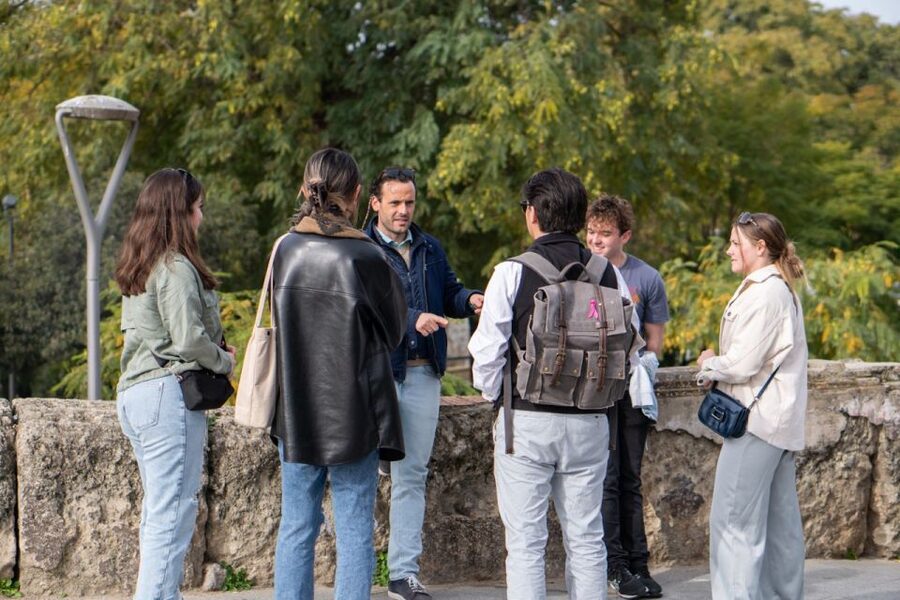
I would recommend it to first-time visitors who want a quick introduction to Triana and to people who have eaten tapas before but want to move beyond familiar orders. It suits couples, friends, solo visitors, and parent-child groups who enjoy sharing food and asking questions.
It is also a good choice if you are nervous about ordering in local bars. The guide handles the selection and explains what arrives, so you can be more adventurous without wasting a whole meal on an unknown dish.
Food-focused visitors should pay attention to the package details. The base option includes two bars, while selected packages add a third bar, dessert, or rooftop sangria. If you are mainly interested in tasting variety, the third-bar option may matter more than the dessert add-on.
You may want to skip it if you dislike shared plates, have strict dietary needs that were not addressed in the available information, or want a formal sit-down dinner. The tour includes unusual foods, and the exact dishes can change. Ask the provider about dietary concerns before booking rather than assuming every stop can adjust the menu.
Practical value at $35
At $35 per person, this is priced as an affordable guided tasting rather than a luxury food experience. The cost covers a 2.5-hour walking tour, a local English-speaking guide, tapas at two bars, and drinks. Selected options add a third tapas stop, dessert, or rooftop sangria.
The strongest value comes from the combination of access and explanation. You pay to find local-style places, try dishes you may overlook, and understand what you are eating. If you only want the cheapest possible food, independent tapas ordering will likely cost less.
The tour is also flexible from a booking point of view. You can cancel up to 24 hours ahead for a full refund, and the reserve-now, pay-later option lets you hold a place without paying immediately. Those policies are useful when your Seville plans are still shifting, though they should not replace checking the exact terms at booking.
Should you book the Triana food tour?
Book it if you want local tapas with a guide who explains the story behind the plate. The best parts are the Triana setting, the small neighborhood bars, the unusual dishes, and the strong personal guidance from people such as Fabio, Lucia, and Antonio.
Choose the basic option if you want a compact introduction and a light meal. Choose the third-bar option if food variety is your main goal, and do not add dessert expecting a long sit-down finale. Arrive in comfortable shoes, eat lightly beforehand, and keep an open mind about dishes that look less than beautiful.
I would make this an early Seville activity. You will leave with more than a full stomach: you will have a better idea of where to eat, what to order, and why Triana tastes different from the postcard center of town.
FAQ
Where does the tour meet?
Meet at the Churreria Los Especiales churro stand on the old-town side of Puente Isabel II, the bridge leading toward Triana.
How long does the food tour last?
The tour lasts 2.5 hours.
What language is the tour offered in?
The tour is offered in English with a live guide.
How many tapas bars are included?
The standard option includes tapas at two different tapas bars or taverns. A selected option may include a third tapas bar.
What drinks are included?
Spanish wine is included, along with water or a soft drink. Tea or coffee may also be included, depending on the tour arrangements.
What kinds of food might I try?
The tastings can include traditional tapas and less familiar local dishes. Examples include lentils, pisto, roast quail, snails, and pringá. The exact menu may vary.
Is dessert included?
Dessert is included only if you select an option that lists it. The dessert may be provided as a pastry to take away rather than as a sit-down course.
Can I cancel the booking?
You can cancel up to 24 hours in advance for a full refund. A reserve-now, pay-later option is also available.
Recently added in Seville
- 3-hour Guided Bike Tour along the Highlights of Seville★ 5.0 · 315 reviews
- Cordoba City Tour with Mosque-Cathedral from Seville★ 4.5 · 326 reviews
- Seville: Guided Sunset Bike Tour★ 4.9 · 332 reviews
- Seville: Alcazar & Cathedral Skip-the-Line Guided Tour★ 4.5 · 332 reviews
- Seville Private Walking Tour with Alcazar & Cathedral Tickets★ 5.0 · 332 reviews
- Seville & Alcazar Skip the Line from Cadiz Port (Cruisers Only)★ 5.0 · 337 reviews
- Seville: Authentic and Romantic Horse-Drawn Carriage Ride★ 4.5 · 341 reviews
- Seville: Paddle Surf Route and Class★ 5.0 · 346 reviews
Tapas & Food Tours, compared.

Montserrat & Cogwheel Train, Gourmet Wine Tasting & Tapas/Lunch
Read the review →
Barcelona Tapas and Wine Experience Small-Group Walking Tour
Read the review →
Montserrat with Black Madonna & Medieval Winery with Tapas/Lunch
Read the review →
Montserrat and Winery Tour with Tapas or Lunch
Read the review →
Tapas Walking Tour with Food, Wine, and History
Read the review →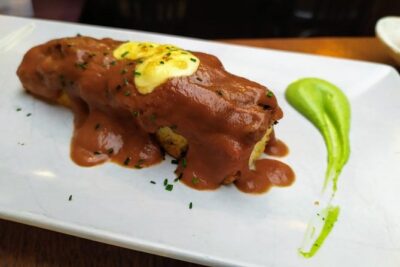
Sevilla Food Tour: Tapas, Wine, History & Traditions
Read the review →
Valencia Old Town Tour with Wine & Tapas in 11th Century Historic Monument
Read the review →
Barcelona Paella Cooking Class with Market Visit, Tapas & Sangria
Read the review →Browse the lists this tour appears in