
Reviewed · MALAGA TOURS
Málaga: Museo del Automóvil y la Moda Ticket
Málaga’s Automobile and Fashion Museum pairs beautifully restored cars with period clothing, so this is more than a line-up of polished metal. You move through car design, fashion, art, and popular culture, from rare early vehicles to American Cadillacs, Rolls-Royces, Jaguars, and cars built around unusual energy ideas.
I like the setting in La Tabacalera, a former tobacco factory built in 1923, and I like the clever links between each vehicle and the clothes, posters, and design of its era. The main drawback is its location outside Málaga’s central sightseeing zone, and the advertised 50 minutes can feel short if you stop to read everything.
Key points to know before you go
- Former tobacco factory setting: The museum occupies Málaga’s spacious La Tabacalera complex, built in 1923 and later adapted for exhibitions.
- Cars paired with fashion: Period dresses, designer pieces, artwork, and posters help explain the style surrounding each automobile.
- Broad range of vehicles: Expect rare early models, popular small cars, American dream cars, Cadillacs, Rolls-Royces, Jaguars, and alternative-energy designs.
- Sunday engine activity: At 12:30 on Sundays, selected vehicles are started so you can hear their engines and learn about their power.
- Easy visit by car: Free parking is available on site, a useful perk because the museum is a little outside central Málaga.
- Good value at $14: The ticket is reasonably priced for a well-presented collection, especially if you enjoy both design and motoring.
Why the car and fashion pairing works

A car museum can become repetitive: one polished bonnet after another, with a date and a manufacturer name doing most of the talking. This museum avoids that problem by placing automobiles beside clothing and visual art from the same period.
That pairing gives you a quicker sense of the era. A car from the Roaring ’20s feels different when you see the silhouettes, fabrics, and styling associated with the decade. The museum is asking you to look at cars as design objects, not just machines.
I especially like this approach for mixed-interest groups. You do not need to know the difference between a prewar chassis and a postwar engine to enjoy the display. Someone interested in fashion, graphic design, or social history has plenty to examine while the car enthusiast studies bodywork and mechanics.
The collection also includes decorative engines and unusual display pieces, along with artwork and posters. Some of the presentation has a playful edge. One setup includes a virtual room where you can try on Dior dresses digitally, a small feature that adds fun for children and adults.
A few other Malaga outings to compare
- Málaga: Museo Picasso Málaga Entry Ticket
★ 4.4 · 11,138 reviews - Malaga: Hammam Al Ándalus Entry Ticket with Massage
★ 4.7 · 2,498 reviews - Benalmádena: Mount Calamorro Cable Car Ticket
★ 4.5 · 1,901 reviews
Starting in La Tabacalera
The setting deserves attention before you even reach the first car. La Tabacalera was built as a tobacco factory in 1923, and the museum uses the old industrial building for a spacious exhibition.
The airy interior, good lighting, and cool temperature are helpful in Málaga’s heat. You can walk around without feeling packed into narrow rooms, and the site includes rest areas and amenities. Free parking makes this a practical stop if you have a rental car.
The location is the main logistical trade-off. The museum is on Avenida Sor Teresa Prat, outside the historic center, so it is not the kind of attraction you naturally pass while walking between the Alcazaba, cathedral, and Picasso Museum. If you are staying near central Málaga, allow extra time to reach it.
That distance does not make the museum difficult to visit, but it changes how you plan your day. I would pair it with other stops in the western part of the city rather than treat it as a quick detour from the old town. If you are driving, the free parking removes one of the usual headaches.
The early years and alternative-energy cars
The exhibition moves through the past, present, and possible future of automobile design. Among the displays are rare models from the late 19th century, which help show how experimental the early car industry was.
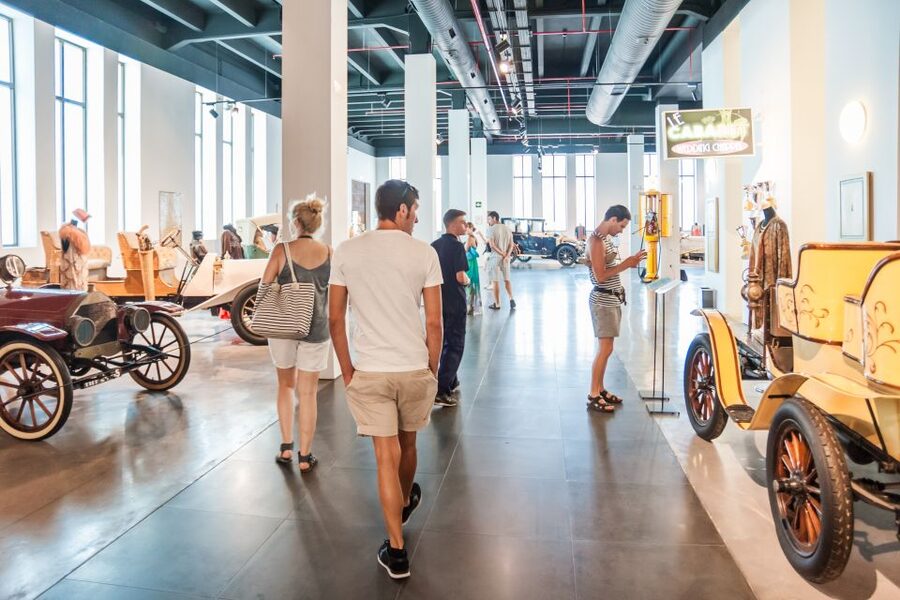
These vehicles are valuable even if you are not a serious motor enthusiast. They make clear that the car did not arrive as a finished idea. Designers were still working out shape, power, construction, and the basic relationship between driver and machine.
The museum also shows vehicles designed to run on alternative energy sources. The display is not just about glamorous classics. It reminds you that concerns about fuel and propulsion are not new, and that designers have long looked for different answers.
Short information panels beside the vehicles give the year of manufacture and a brief account of each car. The explanations are useful without taking over the visit. You can get the main point quickly, then spend more time on the models that catch your eye.
Roaring ’20s style and cars ahead of their time
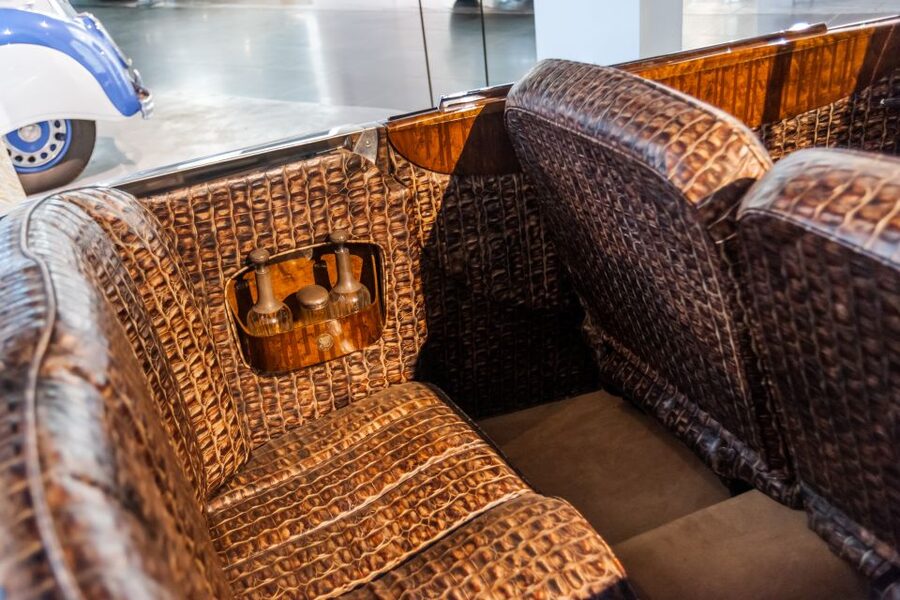
The 1920s section is one of the museum’s most visually pleasing areas. Cars from this period often have long, dramatic forms, and the accompanying clothing helps you see how automobiles fitted into a wider design culture.
The museum also presents avant-garde vehicles that were unusual in their own time. Some feel elegant, some strange, and some look as though their designers were trying to guess the future.
This is where the fashion displays do their best work. Rather than treating clothing as decoration placed nearby, the exhibition uses it to build a period mood. The clothes help you compare the lines of a dress, a poster, and a car body.
You will also see mannequins sitting in some cars. I found this gives scale and creates a scene, but it is not to everyone’s taste. If you prefer a clean, technical presentation, the figures may feel slightly theatrical.
Same city, a completely different evening:
- From Málaga & Costa del Sol: Caminito del Rey Guided Tour
★ 4.7 · 7,488 reviews - Málaga: Alcazaba and Roman Theatre Guided Tour With Entry
★ 4.8 · 5,792 reviews - Benalmadena: Dolphin Watching Boat Tour
★ 4.4 · 5,786 reviews - Malaga: Teatro Flamenco Malaga Live Flamenco Show
★ 4.7 · 4,254 reviews
American dream cars and English heritage
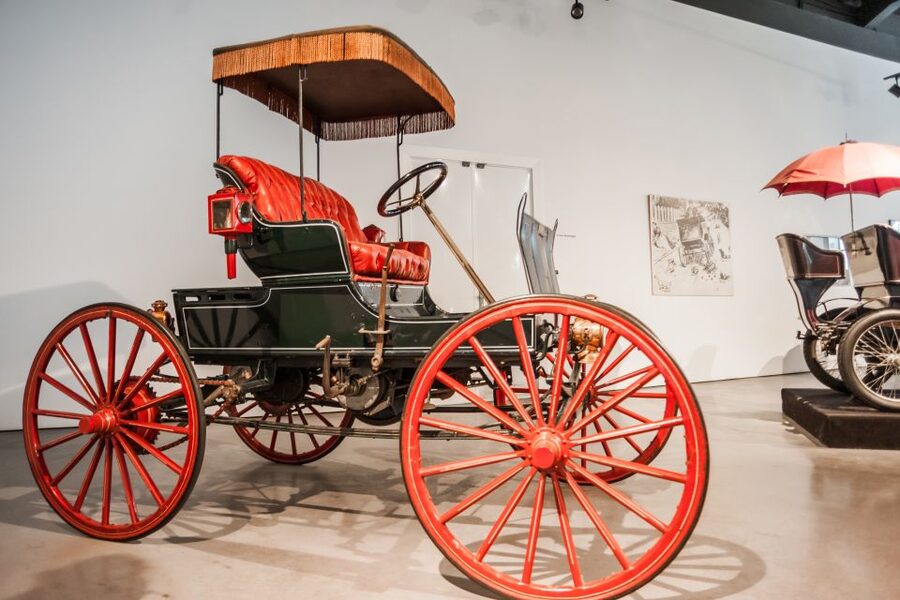
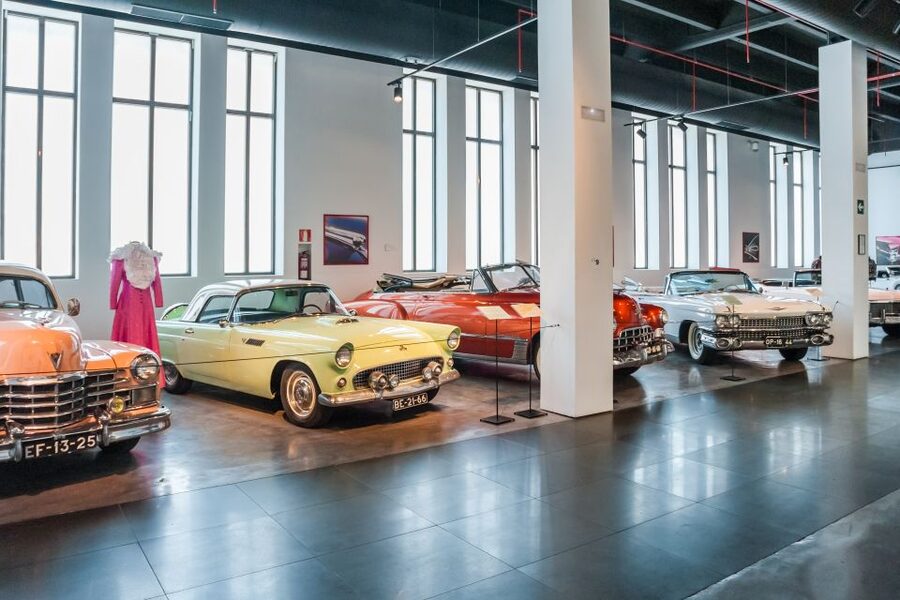
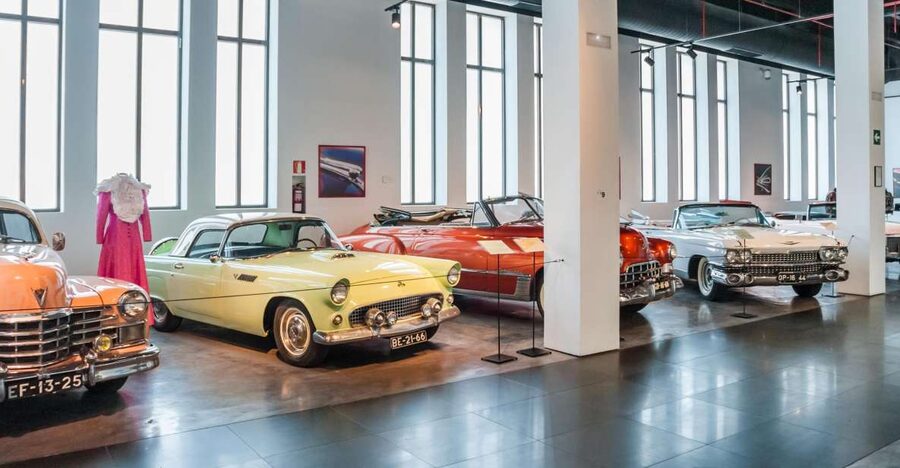
The American section brings a change of scale. Mighty American models, including a collection of Cadillacs, express the confidence and excess associated with the postwar dream car.
These are the cars to examine for size, chrome, fins, and visual drama. They are less about squeezing into a narrow European street and more about making an entrance. The contrast with smaller European models keeps the collection moving.
The English cars offer a different kind of appeal. Rolls-Royce and Jaguar represent a more restrained form of luxury, with attention to finish, proportion, and status rather than pure bulk.
The range of makes and periods is one reason the museum works for families. You might have one person drawn to the grand American cars, another focused on English elegance, and a child fascinated by the smallest or strangest model in the room.
The popular-car section brings you back to earth
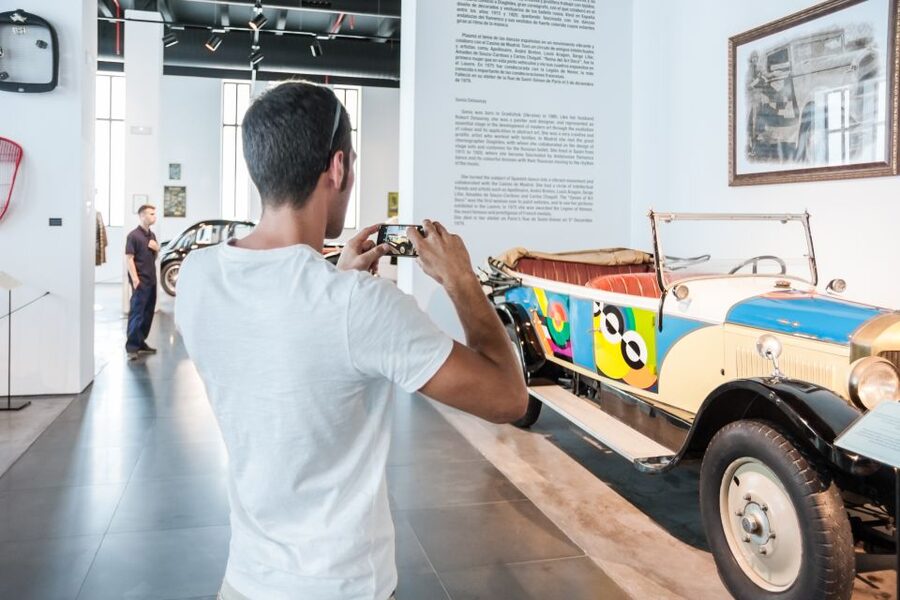
Not every vehicle here is a fantasy machine. A display of nine popular cars returns the story to everyday motoring.
The group includes an Austin Seven, a Morris Minor, and a 1960s Velorex. These models matter because they connect the history of the automobile with ordinary life. A museum filled only with luxury cars can make the past look remote. Popular vehicles show how car ownership, transport, and design reached wider society.
The Austin Seven and Morris Minor are especially useful contrasts to the large American models. They show how different countries approached space, cost, and practical travel.
This section also helps younger visitors. A child may not understand why a rare luxury car matters, but a small, odd-looking, or approachable vehicle can be easier to connect with. The museum is not only displaying prestige. It is also showing the cars people used.
Fashion, art, and the pleasure of looking closely
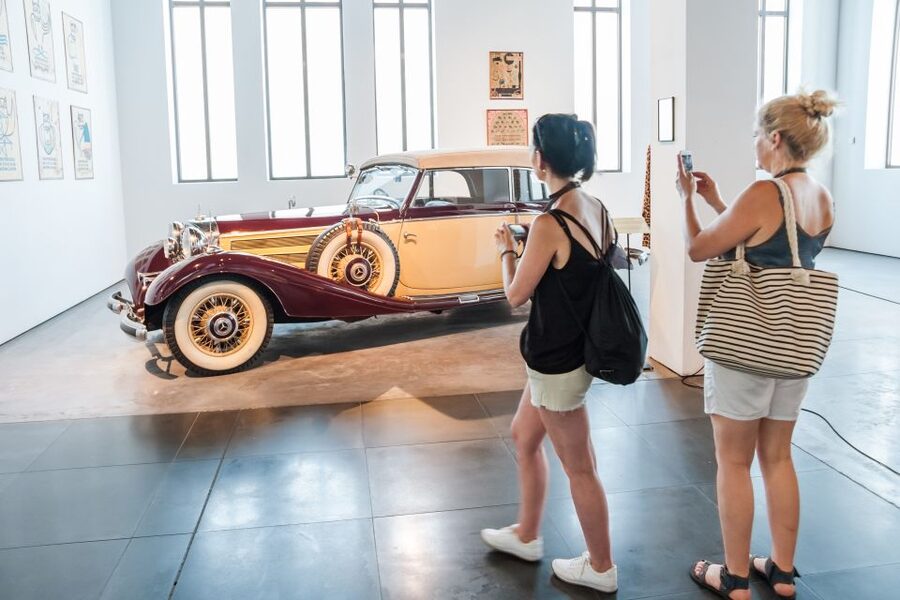
The clothing displays are a major reason to visit even if cars are not your main interest. Dresses and designer pieces are placed beside automobiles from matching eras, and the result gives the collection a strong visual rhythm.
I would not rush this part. Look at the cut of the clothing, the materials, and the way the display frames the car. The combination can reveal how ideas of luxury and modernity changed from decade to decade.
Artwork and period images add another layer. They help explain the cultural world around the vehicles rather than leaving you with technical facts alone.
The museum’s fashion material also makes it a good choice for couples or families with different tastes. One visitor can focus on restoration and engineering while another studies the clothes and design movements. That shared but flexible experience is a real strength.
Allow 50 minutes, but do not force the pace
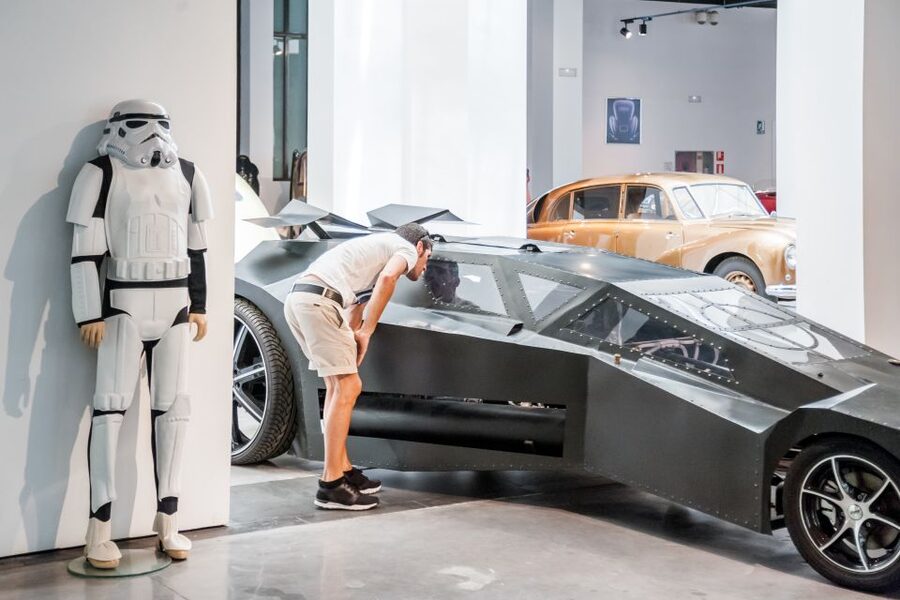
The stated duration is 50 minutes, which is enough for a reasonably quick walk through the main collection. You can see the major themes, admire the best-known cars, and read selected panels within that time.
I would allow closer to an hour if you enjoy details, take photographs, or want to examine both the vehicles and the clothing. The museum is not enormous, but its displays reward pauses.
The spacious layout makes it possible to wander at your own pace. It is not presented as a tightly controlled route with a guide moving you from room to room. You can concentrate on the areas that interest you and move faster through the rest.
A guided tour is available as an option for visitors who want professional commentary. Check that your booking includes the museum entrance as well as the tour, since the two elements may need to be selected together. If you prefer independence, the short descriptions beside the cars make a self-guided visit workable.
Sunday’s engine-starting activity
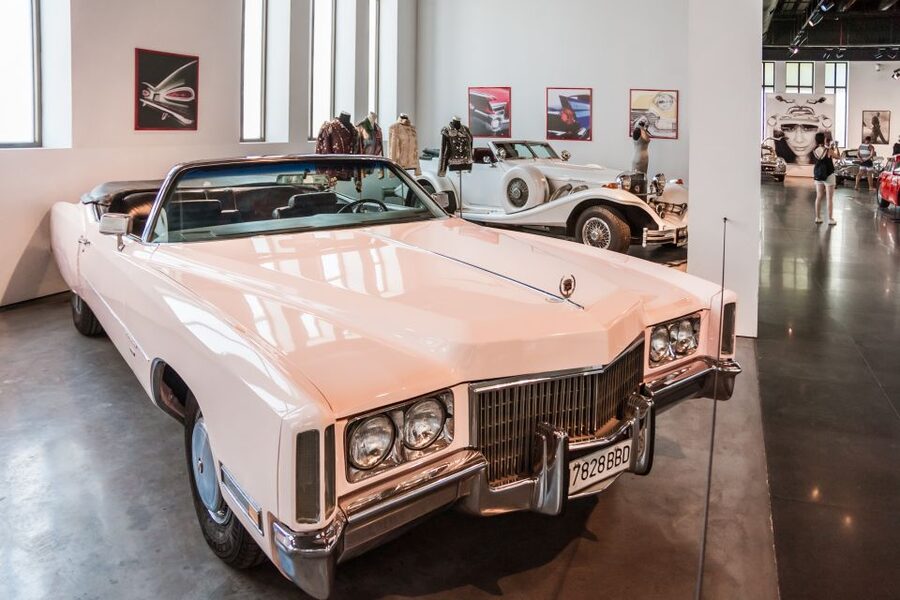
If you can arrange your visit for Sunday, the 12:30 Running the Engines activity adds something you cannot get from a silent display.
Selected vehicles are started, allowing you to hear the engines and learn about their power. That sound changes your understanding of the cars. A vehicle that looks impressive behind a barrier becomes a working machine, with noise and mechanical force.
This activity is particularly useful for car enthusiasts, but children often respond well to it too. The exact vehicles involved are not specified, so you should treat it as an added feature rather than expect one particular model to run.
Plan your timing carefully. Arriving around the activity means you may spend less time wandering before it starts, while visiting afterward lets you see the cars first and then hear some of them in action. Either way, Sunday at 12:30 is the key time to remember.
The $14 ticket and practical value
At $14 per person, the entrance price is fair for a specialist museum with a large, varied collection and free parking. You are paying for more than a room of cars: the ticket covers the automobile displays, fashion, artwork, the restored industrial setting, and access to the themed areas.
The value is strongest if your group includes mixed interests. A dedicated car museum can be a poor use of money for someone who is not interested in engines. Here, the fashion and art give the visit a wider purpose.
The price also works well as a weather-proof Málaga activity. The museum is indoors, cool, and spacious, so it can offer a break from strong sun or an uncertain day.
There are limits. If you want a huge technical collection with extensive engineering explanations, you might find the visit lighter than expected. One recent assessment felt there could have been more to see, and another found parts of the setup less creative than hoped. For most people, though, the careful presentation makes the admission worthwhile.
Access, bags, and small planning details
The facilities are adapted for seniors and people with disabilities, with easy parking and rest areas. Special tours are available for people with sensory limitations, which is useful to arrange ahead of time if needed.
Large bags and luggage are not allowed, so do not arrive with airport-sized cases. Smoking is not permitted indoors, and swimwear is not suitable attire.
Bring your passport or ID card if requested, and carry a student card or disability card if you are using one for admission purposes. There is free WiFi on site.
The building has amenities, and a small coffee shop outside can be convenient after the visit. It may become busy during summer, so do not depend on a quick coffee if you are working to a tight schedule.
Who will enjoy this museum most?
I would recommend it first to anyone who likes classic cars, design, fashion, or visual history. You do not need to be able to name every manufacturer. The displays are attractive enough to carry the visit, while the labels give you a basic understanding of what you are seeing.
Families should find enough variety for different ages. The unusual cars, large Cadillacs, virtual fashion feature, and engine activity can keep younger visitors interested, while adults have the period styling and historical context.
It also suits cruise passengers with a prearranged plan, provided you leave enough time for the journey to and from the port. The museum is a good choice for couples who usually disagree about museums, since one can study cars and the other can focus on fashion.
I would hesitate only if your Málaga schedule is extremely short and you are staying entirely around the old town. The museum is not central, and you should not squeeze it in without allowing for the trip. Also, if you expect a vast collection or a highly technical account of automobile engineering, this is more about design, culture, and presentation.
Should you book the Málaga Automobile and Fashion Museum?
Book it if you want a museum with a clear point of view: cars shown as part of fashion and design, in an atmospheric former factory. The restored vehicles, period clothing, art, and broad mix of models make the $14 ticket good value for most visitors.
Choose Sunday at 12:30 if hearing old engines matters to you. Otherwise, a self-guided visit of about 50 minutes is enough for the main displays, though I would give yourself an hour if you like to read and take photos.
Skip it only if your time in Málaga is too limited to leave the center or if you want a purely technical car collection. For everyone else, this is an easy, unusual stop that gives both car enthusiasts and fashion lovers something to enjoy.
FAQ
How long does the museum visit last?
The stated duration is 50 minutes. You may want longer if you plan to read the information panels, study the fashion displays, or take photographs.
Where is the Automobile and Fashion Museum located?
It is at Avenida Sor Teresa Prat, 15, 29003 Málaga, Spain, inside the former La Tabacalera tobacco factory.
Is parking available?
Yes. Free parking is available on site.
Can I visit the museum without a guide?
Yes. You can explore the themed collections independently. A guided tour is available if you select that option.
When can I hear some of the engines running?
The Running the Engines activity takes place every Sunday at 12:30. Selected vehicles are started so you can hear their engines and learn about their power.
Is the museum suitable for people with disabilities?
The facilities are adapted for seniors and people with disabilities, with easy parking and rest areas. Special tours are available for people with sensory limitations.
Recently added in Malaga
- Tour to Gibralfaro★ 4.7 · 182 reviews
- Al Andalus Hammam in Malaga: Relaxing Bath★ 4.5 · 186 reviews
- Benalmádena: Deluxe Parasailing Flight from Benalmadena Port★ 4.8 · 188 reviews
- Caminito del Rey Small Group Tour from Malaga with Picnic★ 5.0 · 190 reviews
- Ultimate Malaga History & Tapas – All Included Full Experience★ 5.0 · 191 reviews
- From Málaga: Caminito del Rey Small-Group Tour with Picnic★ 4.9 · 192 reviews
- Malaga: Granada Day Trip with Alhambra, Palaces and Gardens★ 4.5 · 197 reviews
- Paddle Surf Route Cliffs Nerja and Cascada de Maro + Snorkel★ 4.5 · 198 reviews
Malaga Tours, compared.


From Málaga & Costa del Sol: Caminito del Rey Guided Tour
Read the review →
Alcazaba and Roman Theatre Guided Tour With Entry
Read the review →


Ronda+Setenil de las Bodegas with Little Train
Read the review →

Browse the lists this tour appears in