
Reviewed · GRAN CANARIA TOURS
Gran Canaria: Grand Island Tour by Bus with Transfers
Gran Canaria reveals its variety best from the road, and this eight-hour island circuit covers an impressive amount of ground. You move from Puerto de Mogán’s canals to volcanic mountains, wild western cliffs, banana country, and Las Palmas in one long day.
I like the wide range of scenery and the chance to see places such as San Nicolás and Agaete without arranging several separate trips. I also like the optional banana plantation visit, which adds a practical look at local farming rather than another quick photo stop.
The trade-off is clear: you spend plenty of time on the bus, especially with pickups and winding coastal roads. Stops can be brief, so this suits you if you want an overview of Gran Canaria more than a slow, in-depth visit to each town.
Key points at a glance
- Puerto de Mogán: See the white houses and canals of the resort often called Little Venice, with a boat ride available through the calm harbor waters.
- Montañas Azules: Stop among volcanic peaks colored in shades from red to blue.
- San Nicolás: Take a short photo stop with broad views toward the beach and western coast.
- Agaete and Gáldar: Pair a local lunch option with a look at one of Gran Canaria’s important banana-growing areas.
- Las Palmas finale: Finish near Las Arenas, Las Canteras Beach, and the Alfredo Kraus Auditorium.
- Pickup convenience: Transfers are included from eight southern and southwestern resort areas, with details sent by email 24 to 48 hours before departure.
One bus ride, many faces of Gran Canaria
Gran Canaria is not a place you can understand from one resort town. The southern coast has holiday beaches and marina life, while the west feels far more rugged. The north brings older towns, agriculture, and heavier green growth in some areas. Las Palmas adds city streets, shopping, and a broad urban beach.
This tour gives you a useful first look at those contrasts. It follows a circular route around much of the island, with a professional guide explaining what you are seeing in English, German, or Spanish. The commentary matters here because the scenery changes quickly, and a good explanation helps connect the volcanic ground, coastal villages, and banana farms.
I would think of the day as a moving introduction rather than a collection of long visits. You will see a lot, but you will not have hours to wander in any one place. That is the central choice: coverage over depth.
The bus also changes the character of the day. You are not worrying about mountain roads, directions, parking, or finding the right coastal turn. On the other hand, you must follow the group’s schedule, and additional hotel pickups can trim the time available at later stops.
A few other Gran Canaria outings to compare
- Poema del Mar Skip-the-Line Ticket
★ 4.8 · 3,856 reviews - Puerto de Mogán: Submarine Tour
★ 4.4 · 3,792 reviews - Maspalomas: Guided Camel Ride in the Maspalomas Sand Dunes
★ 4.4 · 3,690 reviews
Pickup from the southern resorts
Pickup is offered in Maspalomas, Playa del Inglés, San Agustín, Bahía Feliz, Puerto Rico, Arguineguín, Taurito, and Puerto Mogán. The exact pickup information is sent by email 24 to 48 hours before the tour date, so check your inbox rather than assuming a hotel lobby time.
This is useful if you are staying in one of the main resort areas and do not want to arrange your own transport. It also explains why the day may feel longer than the advertised eight hours from your own hotel door. The bus can collect people from several areas before the main route gets underway.
Bring water, a few snacks, and comfortable clothes. Lunch is not included, and the schedule may not leave you much time to search for food between stops. Comfortable clothing is especially sensible because you will alternate between sitting on the bus, walking briefly, and stepping out at viewpoints.
The tour uses a large bus, according to the supplied details from the experience. That gives you a straightforward way to cross the island, but it can feel less nimble on narrow roads than a small vehicle. One poor rating focused on the stress of getting on and off a large bus for short visits. That is a fair warning if you prefer small groups and unhurried stops.
Puerto de Mogán and the Little Venice label
Puerto de Mogán is a pleasant opening stop because it looks different from the dry, open scenery found elsewhere in the south. White houses, canals, and calm water give the harbor a softer, more settled feel. The town is often called Little Venice, a nickname tied to its waterways and waterfront setting.
The planned boat trip through the harbor waters adds another angle. Instead of seeing the marina only from the pavement, you can look back at the houses and waterfront from the water. The supplied details present this as part of the experience, although optional activities and exact timing can depend on the day’s schedule, so confirm what is included when booking.
I would keep your expectations sensible. This is not a long harbor cruise or a full morning in Puerto de Mogán. It is an early taste of the town, followed by the wider coastal route. If you want time for a slow coffee, shopping, or a relaxed walk through every lane, this tour will probably move too quickly.
Still, it is a worthwhile contrast to the more severe west coast. You get an attractive marina, white buildings, and a short water-based experience before the bus turns toward the island’s volcanic side.
The Montañas Azules and Gran Canaria’s volcanic colors
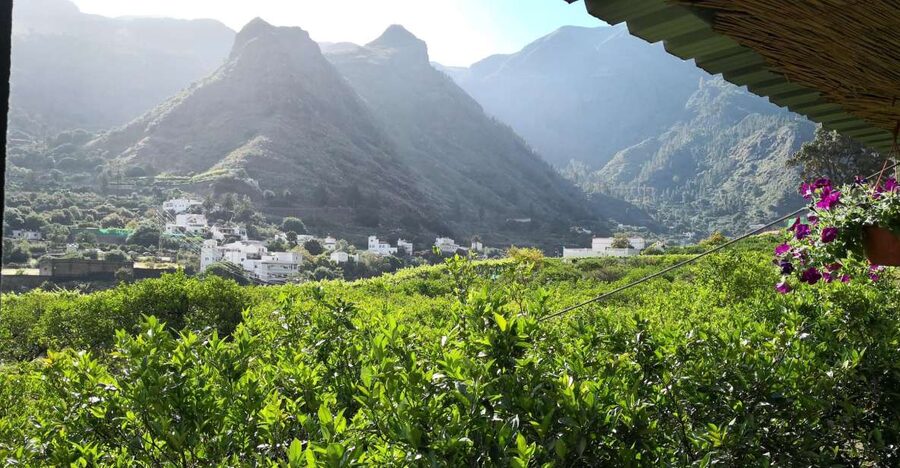
The Montañas Azules are one of the more unusual stops. These volcanic mountains show tones ranging from deep red to deep blue, giving the area a much different look from the resort coast.
The stop works best as a visual pause. You can take in the colors, photograph the ridges, and hear the guide place the formations within Gran Canaria’s volcanic setting. It is not described as a long hike, so do not pack walking shoes expecting a trail-based excursion. Comfortable clothes and sensible footwear are enough for the short visits described.
This is one of the moments when a bus tour earns its keep. You can reach an unusual viewpoint without planning a route through unfamiliar country. The drawback is that the stop is timed for the group, so photographers may find themselves working quickly.
Same city, a completely different evening:
- Guided tour of the Banana World
★ 5.0 · 3,431 reviews - From Puerto Rico de Gran Canaria: Dolphin Watching Cruise
★ 4.3 · 2,520 reviews - Gran Canaria: Dolphin and Whale Watching Cruise
★ 4.3 · 1,855 reviews - Gran Canaria Guided Buggy Tour
★ 4.7 · 1,743 reviews
San Nicolás and the rough western coast
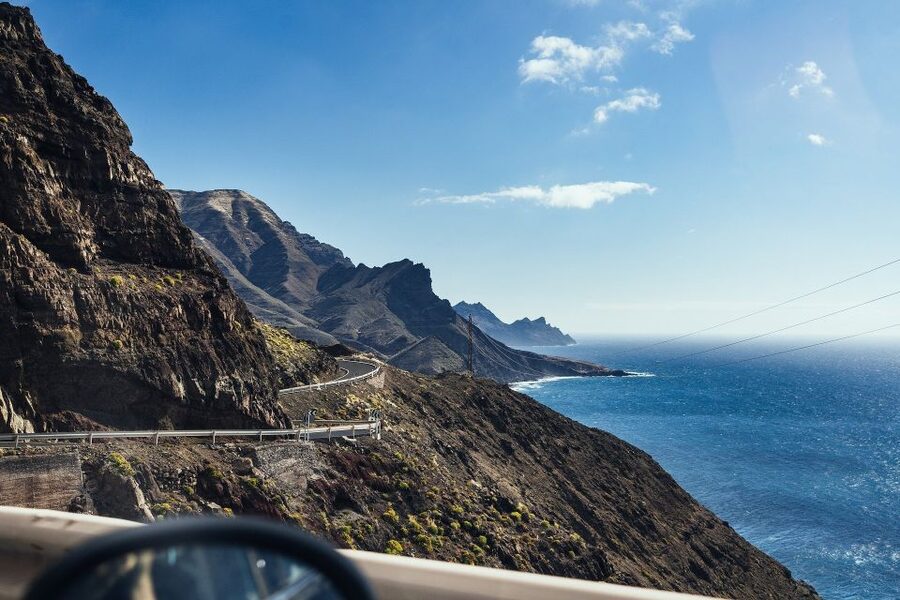
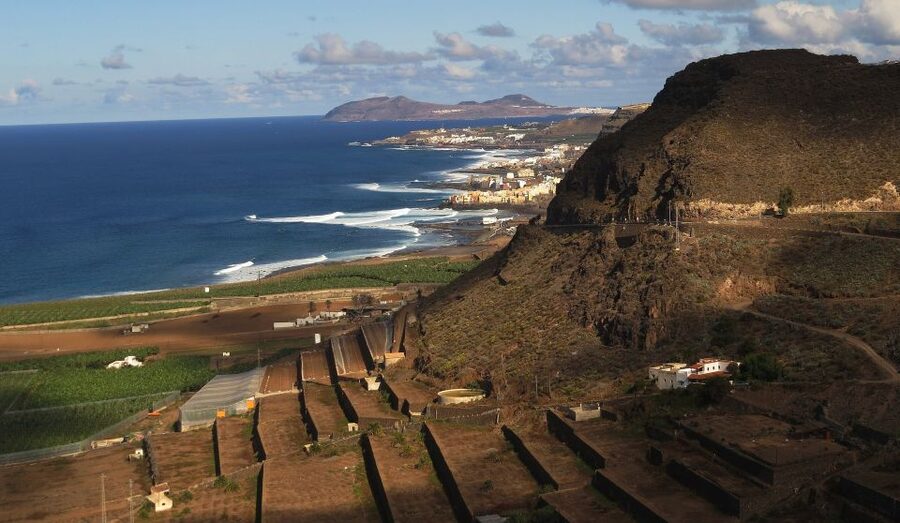
The route then reaches San Nicolás, where you stop for panoramic views of the beach. This part of Gran Canaria feels more open and dramatic than the developed southern resorts. The west coast is described as wild and less known, with sea cliffs and broad views that show the island at its most exposed.
The San Nicolás stop is mainly for photographs, and that tells you what to expect. You will have time to step off the bus, look toward the beach, and take in the coast, but not necessarily time for a long walk or a full visit to the town.
I like this kind of stop when a tour is designed to cover a whole island. A viewpoint can communicate the shape of the coast faster than a rushed walk through a village. You get a memorable sense of distance and height, even if the visit is short.
The western road can also be one of the more demanding parts of the day. The bus must handle narrow and winding roads, and one positive assessment specifically noted the driver’s safe handling of those sections. If you are prone to motion sickness, sit where the movement feels least noticeable and keep water and snacks close.
Agaete, local food, and a useful lunch break
Agaete brings the tour into a coastal town with its own character. It is a sensible place for the optional lunch, since the stop gives you a chance to eat local Gran Canaria food rather than relying only on snacks carried from the resort.
Lunch costs extra, so factor it into the day’s budget. The $52 price covers the guided tour, professional guide, and pickup from the listed areas, but not lunch. If you want to control spending, bring food and water. If you prefer a proper meal and want to use the stop efficiently, the optional restaurant lunch may be the easier choice.
Agaete is also important because it breaks up the long road sections. You are not only looking at cliffs from a bus window. You get a chance to step into a coastal community and taste something associated with the island.
Do not count on a leisurely restaurant afternoon. The full circuit still has many miles to cover, and the schedule must keep moving. The value here is the combination of a town visit and a food option, not a long, flexible stay.
Gáldar and the banana plantation option
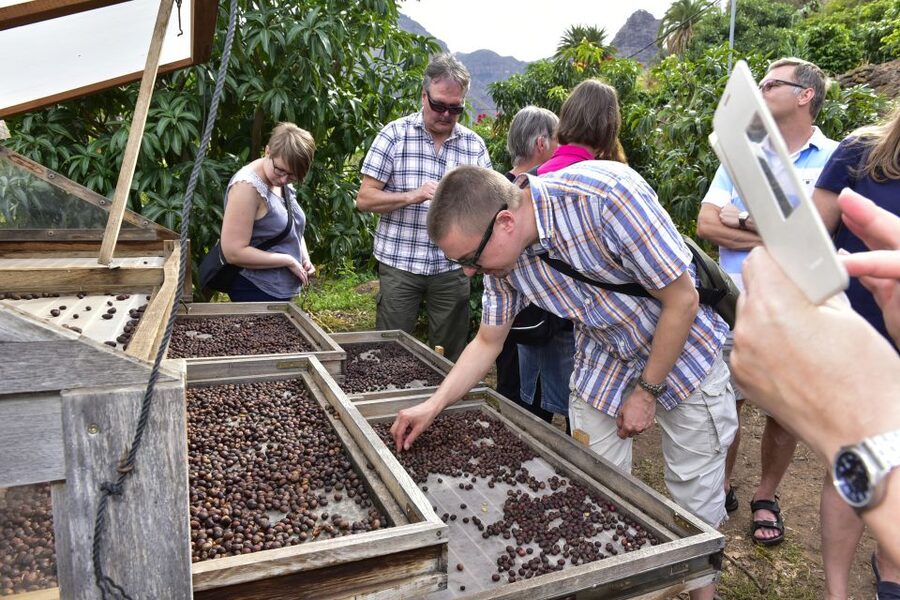
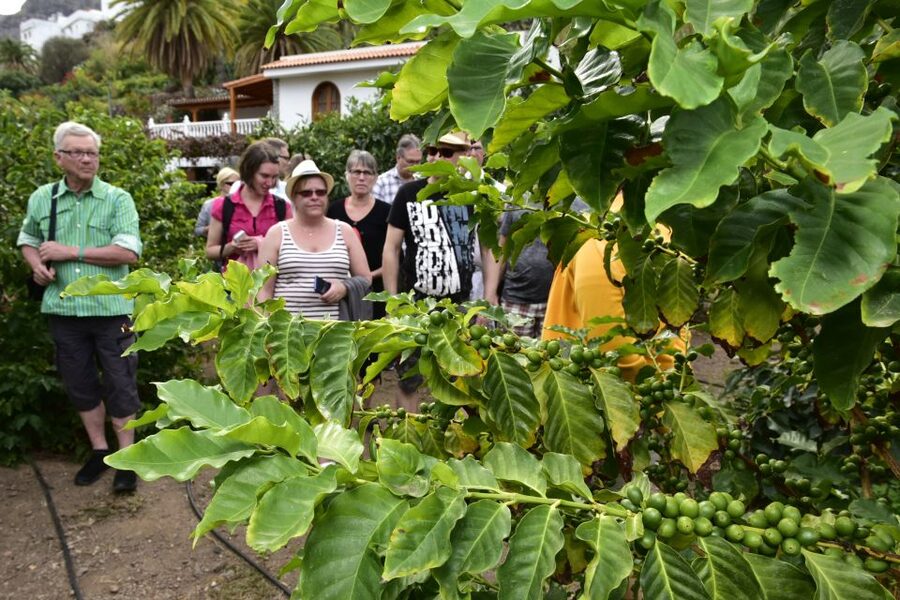
Gáldar is presented as the banana-growing capital of Gran Canaria. This gives the tour a welcome change of subject. After volcanic rock and sea views, you see the agricultural side of the island and learn how bananas are grown.
You may also have the option to visit La Panera banana plantation. This is one of the more useful extras in the day because it explains the growing process from the ground up. You are not simply looking at rows of plants from the road. The visit is meant to show how this tropical fruit is cultivated.
I would give this option serious consideration, especially if you have already seen plenty of beaches and viewpoints on other island trips. A plantation visit offers a more local, practical experience and helps explain why banana farming matters in northern Gran Canaria.
The supplied feedback gives this stop special weight, with the banana plantation singled out as one of the most interesting parts of the day. At the same time, you should ask whether the plantation visit is included or an extra, since the tour information describes it as optional. The same applies to the boat ride and lunch.
Gáldar also shows why a circular route can be useful. You are not simply repeating the resort coast. The day brings you into the working countryside, where the scenery and daily economy are different.
Las Palmas, Las Canteras, and the final city stop
The final major destination is Las Palmas, Gran Canaria’s capital. The tour visits the area around Las Arenas, described as the island’s largest shopping centre, in front of Las Canteras Beach and the Alfredo Kraus Auditorium.
This is a lively finish after a day of cliffs, mountains, and rural towns. Las Canteras gives you a chance to see one of the city’s famous urban beaches, while the auditorium provides a recognizable architectural landmark. Las Arenas offers shopping and an easy place to stroll before returning to the bus.
The stop is practical rather than a full city tour. You are not given a long visit through the old quarters or museums in the supplied plan. If your main goal is historic Las Palmas, you will need a separate visit. If you want a quick taste of the capital, a beach, and a modern shopping area, this closing stop fits well.
There is also a pacing issue. Since Las Palmas comes after a full day on the road, you may be ready for a break rather than another tightly timed stop. Still, ending at Las Canteras gives the tour a clear change of mood and lets you see how different the capital feels from the southern resort towns.
What the $52 price really buys
At $52 per person, the main value is transport and access. You receive hotel pickup from the listed areas, an eight-hour guided route, and a professional guide who explains the island in three languages. A self-drive day would require you to handle fuel, parking, navigation, and the island’s winding roads. This tour removes those chores.
The price is less attractive if you want long visits, a small group, or lots of flexibility. Lunch is extra, and the boat ride and plantation visit should be checked as optional elements. Add those costs before deciding what the full day will cost you.
For a first visit, I think the price is reasonable if you want to see the island’s major contrasts in one outing. It is also useful near the beginning of a holiday, when you want to learn which areas deserve a later, slower visit.
The rating of 4.3 from 103 assessments supports a generally positive picture, but the pattern is easy to understand. The strongest praise centers on the guide’s explanations, the safe driving on narrow roads, the banana plantation, and the sheer amount of scenery covered. The main criticism is the same one I would emphasize: too much bus time and stops that can last only 10 or 20 minutes.
The multilingual guide and the pace of the day
The guide explains the route in English, German, and Spanish. That makes the tour accessible to a mixed international group, though multilingual commentary can take longer at each stop and may contribute to the tight schedule.
The guide’s role matters more here than on a simple transfer. You cross volcanic areas, farming districts, coastal towns, and the capital in one day. Without context, the experience could become a sequence of views through a window. With clear commentary, you can understand how the island’s regions differ.
The driver is also important. The western roads and narrow sections demand care, and a safe, steady ride is more valuable than speed. You should expect the guide and driver to balance three tasks: collecting passengers, keeping to the route, and explaining the island.
If you enjoy listening while scenery passes by, this format will suit you. If you want to set your own pace, stop whenever a view catches your eye, or spend an hour in every village, choose a private or smaller outing instead.
Who should book this island circuit?
I would recommend it most strongly to first-time visitors staying in the southern resort areas. You can get a broad sense of Gran Canaria without renting a car, and the route includes enough different settings to help you plan future days.
It also suits you if you like scenery, photography, and short cultural stops. The western coast, Montañas Azules, San Nicolás, and Las Canteras offer plenty to see, while Agaete and the banana plantation add more substance than a simple beach loop.
Families and couples may appreciate the included transfers and the clear all-day structure. The main question is stamina. Eight hours on a bus, with repeated boarding and brief visits, can feel tiring.
I would hesitate if your priority is a relaxed lunch, long walks, or detailed exploration of Las Palmas. I would also think twice if large buses bother you. A smaller vehicle would likely feel more comfortable, but this particular experience is built around a larger island circuit.
Practical details before you reserve
- Check that your accommodation is in Maspalomas, Playa del Inglés, San Agustín, Bahía Feliz, Puerto Rico, Arguineguín, Taurito, or Puerto Mogán.
- Watch for pickup details by email 24 to 48 hours before the date.
- Carry water and snacks because lunch is not included.
- Wear comfortable clothes for quick stops and changing conditions.
- Ask which optional extras are available and what they cost, especially the boat ride, lunch, and banana plantation visit.
- Keep your expectations focused on seeing many places, not lingering in each one.
- Free cancellation is available up to 24 hours before departure, and you can reserve now and pay later.
Should you book the Grand Island Tour?
Book it if you want a big-picture day around Gran Canaria with transport, commentary, and a mix of coast, volcanic scenery, farming, and city life. The banana plantation and western coast are especially good reasons to choose it over a simple south-coast excursion.
Skip it if your perfect day means slow meals, long village walks, or a small group. The route covers a lot, but the schedule is tight and bus time is unavoidable.
For $52, I see this as a useful orientation tour rather than the final word on the island. Take notes on the places you want to revisit, enjoy the changing views, and treat the short stops as previews. That is where this experience gives you the most value.
FAQ
How long does the Gran Canaria Grand Island Tour last?
The tour lasts eight hours.
Where is hotel pickup available?
Pickup is available from Maspalomas, Playa del Inglés, San Agustín, Bahía Feliz, Puerto Rico, Arguineguín, Taurito, and Puerto Mogán.
Which languages does the guide speak?
The live guide provides the tour in English, German, and Spanish.
Is lunch included?
No. Lunch is not included, though an optional lunch at a local restaurant in Agaete is available.
What should I bring?
Bring water, snacks, and comfortable clothes.
Can I cancel the booking?
Yes. You can cancel up to 24 hours in advance for a full refund. You can also reserve now and pay later.
Recently added in Gran Canaria
- Roque Nublo: hiking on volcanoes with Sky Rebels★ 5.0 · 100 reviews
- Tour in a real VW 70’s Buggy in Gran Canaria 4 People.★ 5.0 · 101 reviews
- Barranco de las Vacas, caves & village by Sky Rebels local guides★ 5.0 · 103 reviews
- Gran Canaria: Discover Scuba Diving Beginner Program★ 4.4 · 103 reviews
- Gran Canaria: Snorkeling Trip★ 4.1 · 105 reviews
- Gran Canaria Highlights Private Tour VIP★ 5.0 · 106 reviews
- Gran Canaria: “Magic Waterfalls” Hiking Tour★ 4.9 · 109 reviews
- Gran Canaria:Live an Adventure and Learn to Dive with Expert★ 4.7 · 109 reviews
Gran Canaria Tours, compared.


Guided Camel Ride in the Maspalomas Sand Dunes
Read the review →
From Puerto Rico de Gran Canaria: Dolphin Watching Cruise
Read the review →
El Salobre: Horse Riding Adventure with Transfer Options
Read the review →Browse the lists this tour appears in