
Reviewed · GRANADA TOURS
From Granada: Alpujarra Mountain Villages Tour
La Alpujarra is the kind of place that makes Granada feel like only the beginning. In a single day, you trade the Alhambra and city streets for white villages, snow-tipped peaks, mineral springs, ham cellars, and narrow mountain roads. Trevélez, Spain’s highest village, is the day’s memorable high point, both literally and gastronomically.
I like the mix of scenery and everyday culture. You see the distinctive white Mozarabic-style houses, but you also learn how people live here, from curing Iberian ham to making woven carpets and baskets. I also like that the tour leaves room to wander, especially in Pampaneira and Capileira.
The main drawback is the road. This is a long day on winding mountain routes, and the schedule can stretch beyond eight hours. If you suffer from motion sickness, sit near the front and bring your usual remedy.
Key points to know before you go
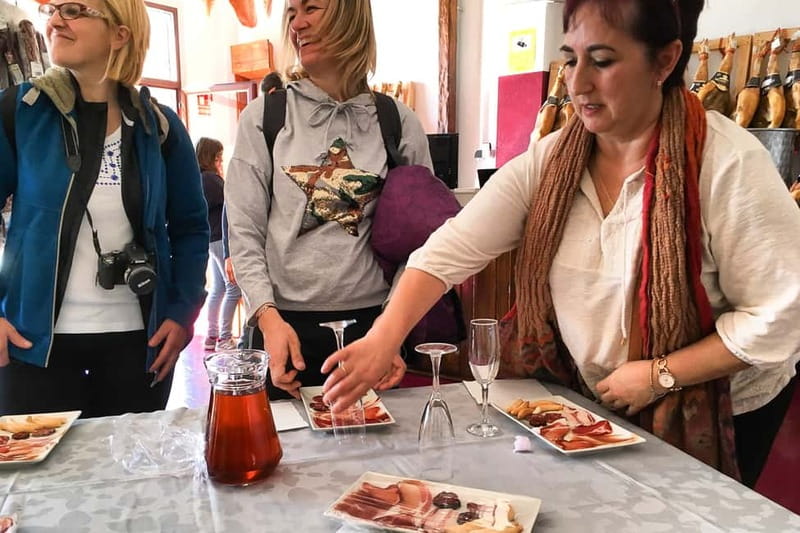
- Trevélez reaches almost 1,475 meters, with a tasting of local cured meats and other products.
- Pampaneira gets about an hour of free time, useful for exploring shops, lanes, and village views at your own pace.
- Fuente Agria near Pórtugos offers clear, strongly mineralized spring water traditionally used for medicinal purposes.
- The optional lunch is worth considering, especially if you want a generous serving of traditional Alpujarran food and a drink.
- The bilingual guides are a major part of the experience, with guides such as Michael, Alfredo, Alexandra, Angela, and others praised for clear explanations and friendly care.
- Expect a full day on curving roads, with some tasting and craft stops that may feel commercial to independent-minded visitors.
Why the Alpujarra makes a fine break from Granada
Granada can fill your head quickly. The Alhambra, Albaicín, cathedral, royal chapel, and tapas bars all deserve time, but the city experience is busy and built around grand monuments. The Alpujarra offers a useful change of pace: open views, cooler mountain air, small settlements, and a slower look at southern Spanish life.
The region stretches along the southern foothills of the Sierra Nevada toward the Mediterranean coast and the Sierra de Gádor. Its villages sit on steep terrain, with white houses scattered among green vegetation and high peaks. In winter and spring, you may see snow on the Sierra Nevada. In summer, the mountain air can feel like a welcome break from Granada’s heat.
The appeal is not a single famous monument. It is the way the villages, paths, springs, food, and mountain setting fit together. You come away with a sense of a working region, not just a pretty photo stop.
At about $80 per person, the tour is good value if you want to see several villages without renting a car. The price includes central Granada hotel pickup, transport, a local guide, and lunch with a drink if you choose that option. Driving yourself would give you more freedom, but the route has many bends and several of the best-known villages are spread across the mountains. Here, someone else handles the roads while you look out the window.
A few other Granada outings to compare
- Granada: Alhambra & Nasrid Palaces Tour with Tickets
★ 4.7 · 19,801 reviews - Granada: Alhambra and Nasrid Palaces Entry Ticket
★ 4.6 · 15,130 reviews - Granada: Alhambra & Generalife Fast-Track Guided Tour
★ 4.7 · 8,313 reviews
Leaving Granada for Lanjarón’s mineral waters
The day begins with pickup at one of several central Granada hotels and meeting points, including Hotel Colón Centro, Exe Triunfo Granada, Meliá Granada, Barceló Granada Congress, Hotel Granada Center, and others. The first drive takes about an hour, so use it to settle in and watch the city give way to hills.
Lanjarón is the first proper stop, with about 30 minutes to look around. The town is famous for its mineral water and historic spa, founded in 1843. The spring water has long been central to Lanjarón’s identity, and this stop introduces a theme that returns throughout the day: the close relationship between the villages and the mountain water flowing through them.
Thirty minutes is enough for a quick look, but not a full visit. You should treat Lanjarón as an introduction rather than the main event. The tour soon moves deeper into the Alpujarra, where the villages become smaller and the roads more dramatic.
Pampaneira, where an hour matters
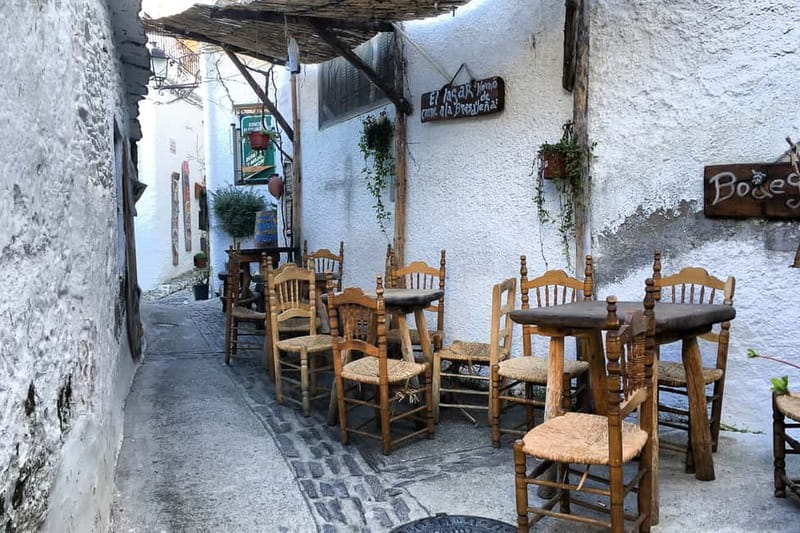
Pampaneira is one of the most attractive stops because you get a full hour of free time. That is long enough to walk without being marched from one viewpoint to another, browse local products, and take in the whitewashed streets.
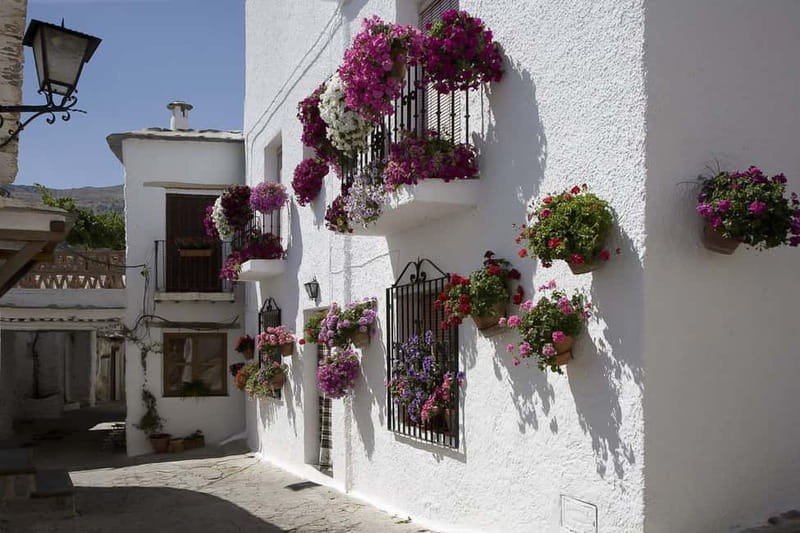
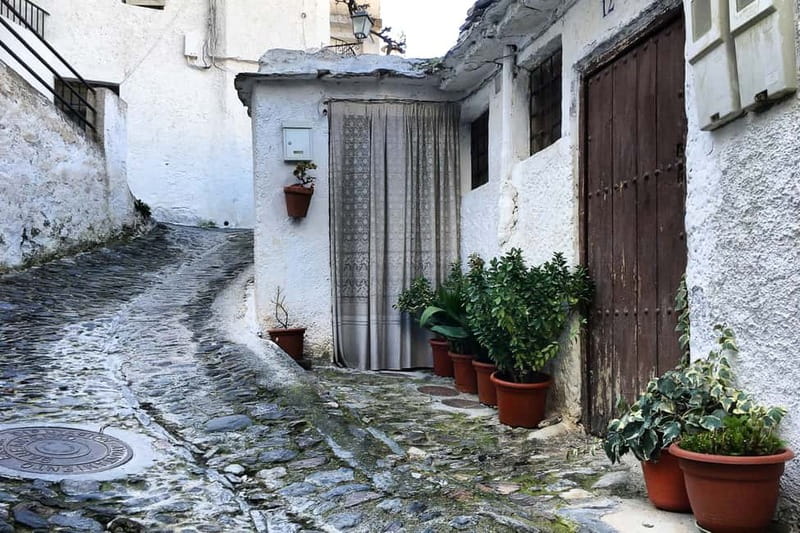
The architecture here is a big part of the charm. Look for flat or gently sloping roofs, narrow lanes, white walls, and the compact way houses cling to the hillside. These details reflect the region’s long Moorish and Mozarabic influence. The effect is different from the grand Islamic architecture of Granada. It is domestic, practical, and shaped by mountain life.
You might find handmade goods such as straw baskets, colorful carpets, and large woven rugs. Local weaving is traditionally associated with jarapas, made from recycled cotton and other fabric. The craft stops can be interesting when you want context about how objects are made. They may feel less appealing if you dislike shopping woven into sightseeing, so keep your expectations clear: browsing is part of the day, but buying is not required.
Pampaneira is also a good place to stretch your legs. The tour involves some walking, but the schedule is not built around long hikes. You get a taste of the village rather than a strenuous trek.
Pórtugos and the Fountain of Sourness
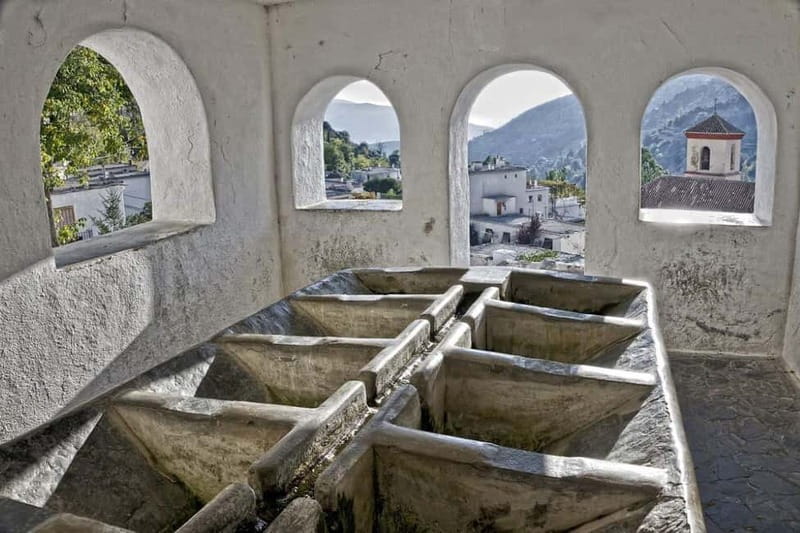
The stop at Fuente Agria in Pórtugos is brief but unusual. Here, clear mineral water rises from the Sierra Nevada, and the spring is known as the Fountain of Sourness because of its sharp mineral taste.
Mountain villagers traditionally used the water for medicinal purposes because of its high mineral content. You can sample it if you wish, but do not expect refreshing drinking water in the usual sense. The unusual flavor is part of the fun, and the spring gives you a direct connection to the area’s natural resources.
This stop also helps explain why Lanjarón became famous as a spa town. Water is not just scenery here. It has shaped local traditions, health practices, and the reputation of the region.
Same city, a completely different evening:
- Granada: Alhambra & Gardens Tour w/Nasrid Palaces Option
★ 4.5 · 6,437 reviews - Granada: Alhambra Entry Ticket with Audio Guide
★ 4.1 · 5,950 reviews - Granada: Flamenco Show in La Alboreá
★ 4.7 · 5,423 reviews - Fast-Track Alhambra & Nasrid Palaces Guided Tour
★ 4.7 · 4,379 reviews
Trevélez, high village and ham country
Trevélez sits at almost 1,475 meters and is known as Spain’s highest village. The setting is impressive, but the cured Iberian ham is what gives the stop its strongest local flavor.
The tour includes a guided visit of about an hour, usually with a tasting of ham and other local products. You may sample cured meats, sausage, cheese, wine, or similar regional foods, depending on the arrangements that day. Several guides have also included visits to local shops and ham businesses, where you can see how mountain conditions help shape the curing tradition.
This is one of the best parts of the tour for food lovers. It is not simply a snack break. The tasting explains why Trevélez is associated with ham and gives you a chance to buy products at local prices if something catches your eye. There is generally no need to purchase anything, but the stop works well if you want edible souvenirs instead of mass-produced gifts.
The altitude brings cooler weather, even when Granada is hot. In November, the village can be windy and cold, while summer may feel pleasantly mild. Bring layers. The weather can change quickly in the mountains, and the final stop may also involve outdoor dining if you choose lunch.
Capileira above the Barranco del Poqueira
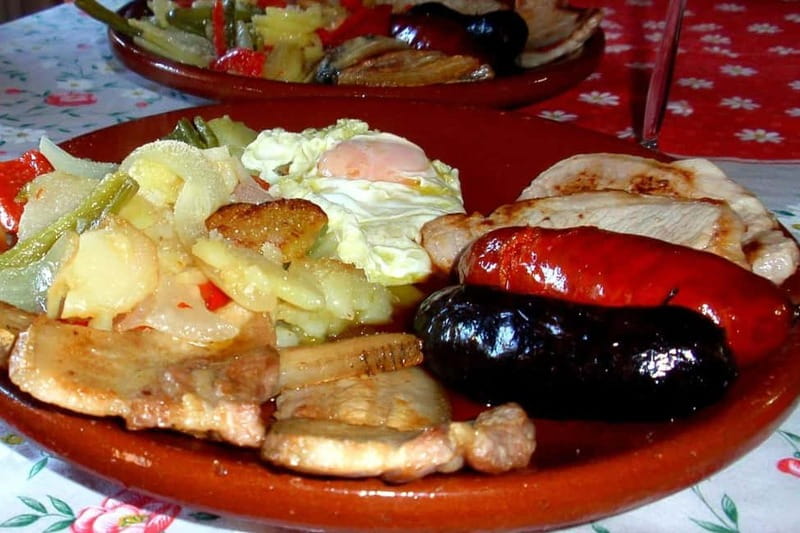
Capileira is the final major village and one of the day’s strongest scenic stops. It sits high above the Barranco del Poqueira, a deep valley framed by the famous villages of Capileira, Bubión, and Pampaneira.
You get about an hour and a half here for a break. That gives you time to enjoy the views, walk through the village, and have lunch if you selected the meal option. The village’s position is the main attraction. From its height, the valley opens below you, with white buildings stepping down the slopes and the Sierra Nevada rising behind them.
The traditional lunch is usually the practical choice. The Alpujarran meal is associated with hearty local ingredients, and the included drink makes it easier than choosing a restaurant on your own during a busy touring day. Portions can be generous, so arrive hungry but not desperate. Vegetarian arrangements have been possible, including cheese, bread, and olive purée instead of pork-based tapas, but you should confirm your needs when booking.
Lunch is also where the day slows down. After several short stops and mountain roads, sitting down in Capileira gives you time to talk with other people in the group and enjoy the setting. One caution: a long lunch break can feel excessive if village shops are closed during the middle of the day. If you finish eating early, use the extra time for a walk or a viewpoint rather than expecting every shop to be open.
The food and craft stops: useful, but know what to expect
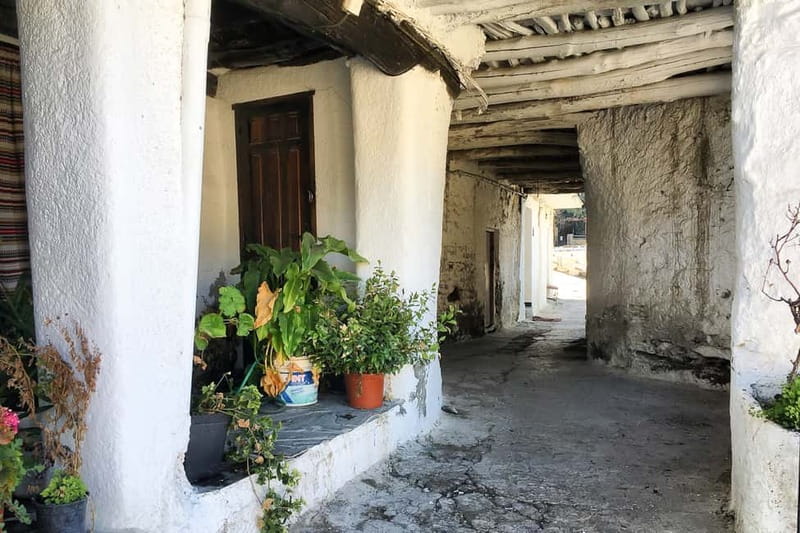
The tour combines cultural sightseeing with tastings. That is a sensible choice in the Alpujarra because food and crafts are part of the region’s identity, not just add-ons for tourists.
The ham tasting in Trevélez is the clear food highlight for many people. You may also encounter local salami, cheese, wine, chocolate, or other products. The exact extras can vary, but the focus remains on regional produce.
Craft visits may include woven carpets, mats, baskets, and other handmade items. I appreciate these stops when the guide explains the work behind the products. They are less valuable if you want a nonstop sequence of viewpoints. The good news is that the day generally allows browsing without pressure to buy.
The optional lunch changes the value calculation. If you choose the basic tour without lunch, you retain more control over what and where you eat. If you choose lunch, you gain convenience, a traditional dish, and a proper rest during a long day. For most first-time visitors, I would choose the meal, especially since the tour price remains modest for an eight to ten-hour excursion with transportation and guiding.
Guides, language, and the feel of the group
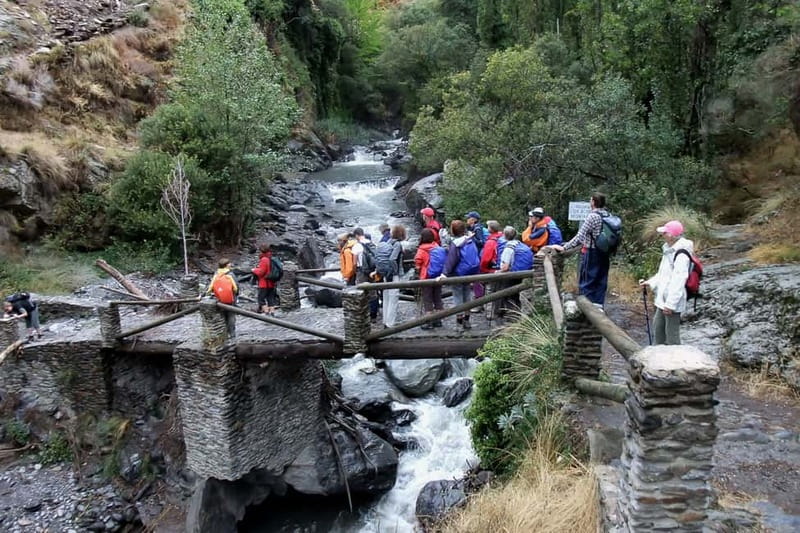
The guide can make or break a full-day outing, and this experience has a strong record in that department. Guides including Michael, Alfredo, Alexandra, Angela, José, Reyna, and others have been praised for clear explanations, humor, patience, and genuine affection for the region. Your guide will depend on the departure date, so do not book around one particular name.
Tours operate in Spanish and English. On some departures, the group may include French, German, Japanese, or other language speakers, and the guide may need to repeat information in more than one language. That can slow the commentary, but bilingual guides have made a point of checking that English-speaking participants understand the explanations.
The group atmosphere can be a real benefit. Shared tastings and a long day in a small vehicle encourage conversation, and guides often speak with people individually rather than delivering every fact from the front. A private group option is available if you want a more personal format.
Group size has not always been identical. Some departures use a comfortable minibus or small vehicle, while other experiences have felt too large for the setting. If you prefer quiet and plenty of personal space, ask about the group format before booking.
Transport, timing, and the mountain roads
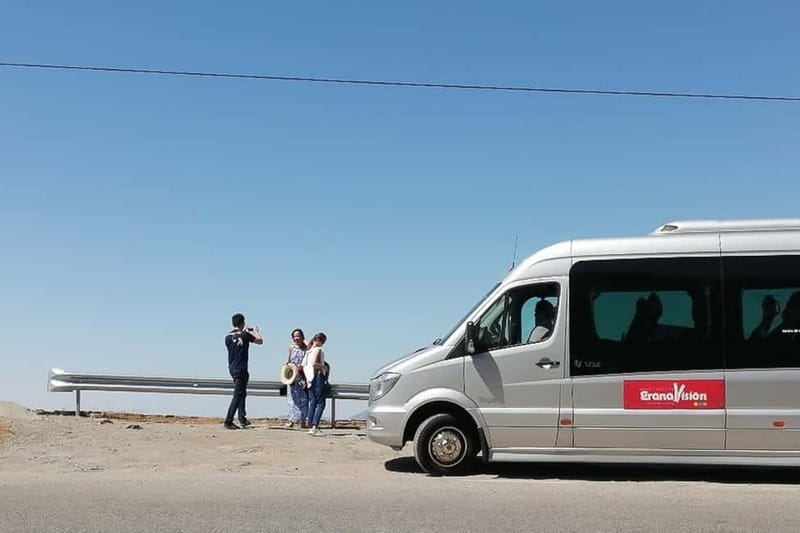
The advertised duration is eight to ten hours, but you should keep your evening flexible. Stops, traffic, meal timing, and the route can push the day longer. One departure ran about two hours beyond the planned schedule, with some of that extra time considered unnecessary.
The roads are the main practical issue. Expect frequent curves, with past guides estimating more than 300 and sometimes over 500 bends on the round trip. The drivers have generally been praised for safe, smooth handling, but even a careful driver cannot remove the motion.
Sit near the front if you are prone to nausea. Bring water, light layers, and any medicine you normally use for winding roads. The vehicle is generally comfortable, but one older departure had problems with cold air, condensation, and rain entering through a convertible-style roof. That appears to be an exception rather than the normal pattern, yet it is a reminder that mountain weather and vehicle type matter.
You should also bring a passport or identity card, as requested for the activity. Central hotel pickup and drop-off simplify the day, especially if you are not staying near a main bus station.
Who should book this day trip?
I would choose this tour if you have limited time in Granada and want a broad introduction to the Alpujarra. It suits you if you enjoy mountain views, small villages, local food, gentle walking, and cultural explanation more than formal monuments.
It is especially useful for people who do not want to drive narrow, curving roads. Families and older visitors may appreciate the modest walking demands, though anyone with mobility concerns should ask the operator about the vehicle and village surfaces before booking.
I would hesitate if you want a hiking day, long independent walks, or several hours in one village. The tour gives you a well-planned overview, but the schedule cannot cover every small settlement. If you become attached to the area, you may finish the day wishing you had stayed overnight.
Should you book the Alpujarra villages tour?
For $80, this is a strong choice for seeing a hard-to-reach corner of Andalusia in one day. The best reasons to book are the combination of Trevélez ham, Pampaneira’s free time, Capileira’s views, and the spring at Fuente Agria, plus the ease of having a guide and driver handle the route.
Choose the lunch option if you want a generous local meal and fewer decisions during a long day. Skip it only if you prefer to eat independently or need strict control over your diet. Pack layers, prepare for bends, and do not plan a tight evening appointment.
I would book this as a countryside counterpoint to Granada’s monuments. It will not give you a deep visit to every village, but it gives you the region’s shape, flavors, architecture, and mountain character in one well-filled day.
FAQ
How long does the Alpujarra villages tour last?
The activity lasts approximately eight to ten hours. The return time can vary because of traffic, stops, meal timing, and mountain-road conditions.
What villages does the tour visit?
The planned route includes Lanjarón, Pampaneira, Trevélez, and Capileira, with additional villages or scenic stops possible along the route.
Is pickup included from Granada?
Yes. Pickup is included from selected central Granada hotels and designated locations, with drop-off available at listed Granada hotels after the tour.
Is lunch included?
Traditional lunch and a drink are included only when you book the lunch option. The standard option may not include the meal.
What food is included in the tastings?
The tour includes a tasting of locally made products in Trevélez, with a focus on Iberian ham. Other regional items may include cured meats, sausage, cheese, wine, or similar products.
Can I join the tour in English?
Yes. Live guiding is available in English and Spanish. On some departures, the guide may explain the tour in both languages for a mixed group.
How much free time do I get in Pampaneira?
The itinerary provides about one hour of free time in Pampaneira for independent exploring.
Is the tour suitable if I get motion sickness?
The route has many winding mountain curves. If you are prone to motion sickness, sit near the front of the vehicle and bring the medication you normally use.
What should I bring?
Bring a passport or identity card, comfortable clothing, and layers for changing mountain temperatures. Warm clothing is particularly useful in colder months or on windy days.
Recently added in Granada
- Alhambra Ticket Last Minute Deals★ 4.5 · 322 reviews
- Granada: Alhambra, Nasrid, and Generalife Private Tour★ 4.9 · 326 reviews
- Segway Your Way Through Granada’s History: The Ultimate Ride★ 5.0 · 334 reviews
- Granada: Alhambra Guided Tour including Nasrid Palaces★ 5.0 · 351 reviews
- Alhambra Experience – Explore Nasrid Palaces & Generalife Gardens★ 3.5 · 363 reviews
- Alhambra Skip-the-line Private Tour including Nasrid Palaces★ 5.0 · 371 reviews
- Granada: Alhambra and Albaicín Small Group Tour★ 4.8 · 373 reviews
- Golden Hour in Granada: Sunset Walking Tour with Play Granada★ 5.0 · 379 reviews
Granada Tours, compared.
Alhambra & Gardens Tour w/Nasrid Palaces Option
Read the review →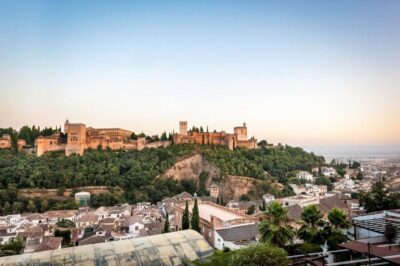

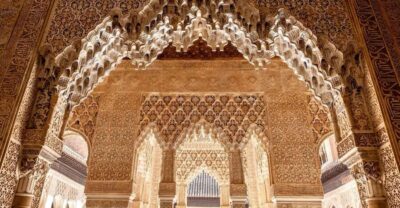
Fast-Track Alhambra & Nasrid Palaces Guided Tour
Read the review →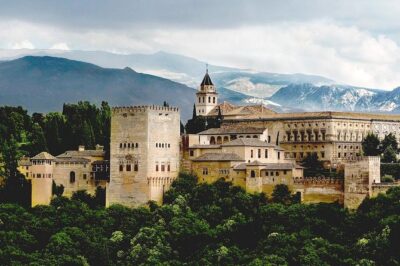
Skip The Line Alhambra and Generalife Guided Tour
Read the review →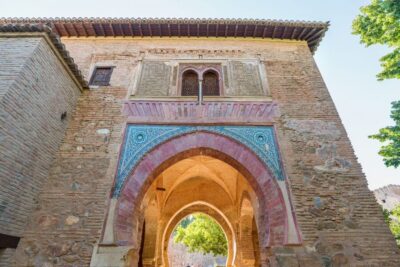
Alhambra Ticket and Guided Tour with Nasrid Palaces
Read the review →Browse the lists this tour appears in