
Reviewed · TENERIFE TOURS
Costa Adeje | Cetacean sighting in Tenerife South
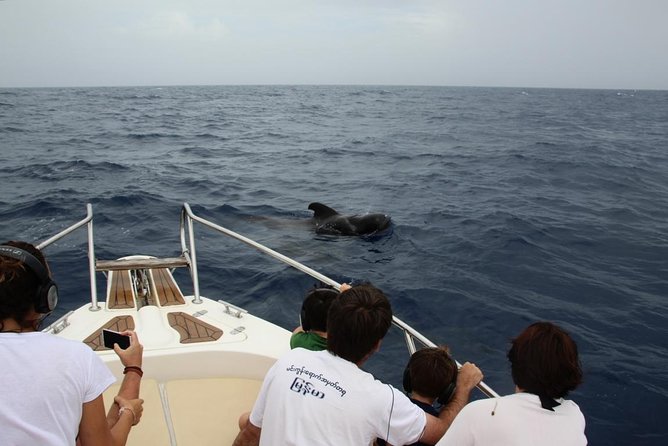
The most memorable part of this Costa Adeje boat trip is not simply seeing a pilot whale surface. It is sitting low on the water with only a handful of people aboard, then hearing whale calls through a hydrophone while the engine stays off. Guides such as David and Mirna explain what you are seeing, from family groups to babies and individual whales identified by their dorsal fins.
I like the maximum group size of 10, which gives you room to move around the boat and ask real questions. I also like the careful approach: the crew may leave an area if too many boats are crowding the animals, rather than chase a sighting for a better photograph.
The main consideration is the sea itself. This is a wildlife outing, not a guaranteed show, and motion sickness can be a problem even on a sturdy boat. Bring sun protection, expect full exposure to the sun, and take any usual seasickness medicine before setting out.
Key things to know before setting out
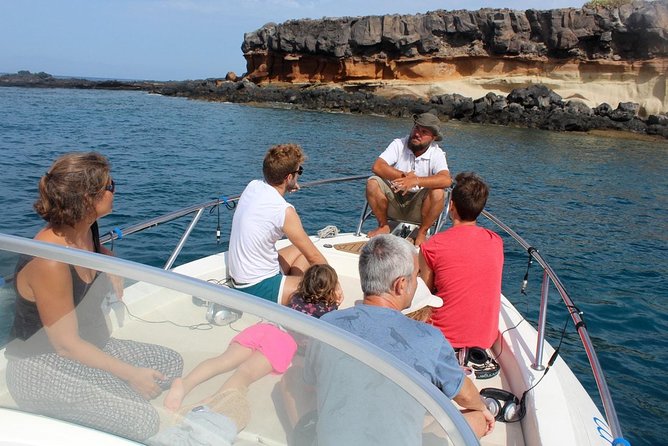
- Hear the whales underwater: The hydrophone lets you listen to the sounds used for communication and hunting.
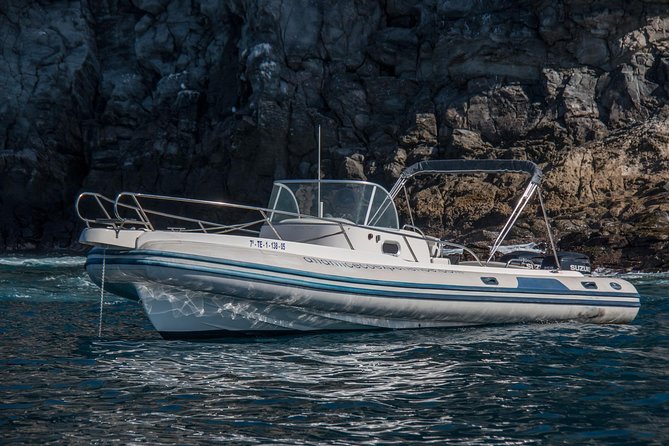
- Stay close to the water: Papacho 2 is a small boat, giving you a low, direct view of pilot whales and dolphins.
- Learn from marine biologists: David, Mirna, and other crew members explain animal behavior, conservation, and local sea life.
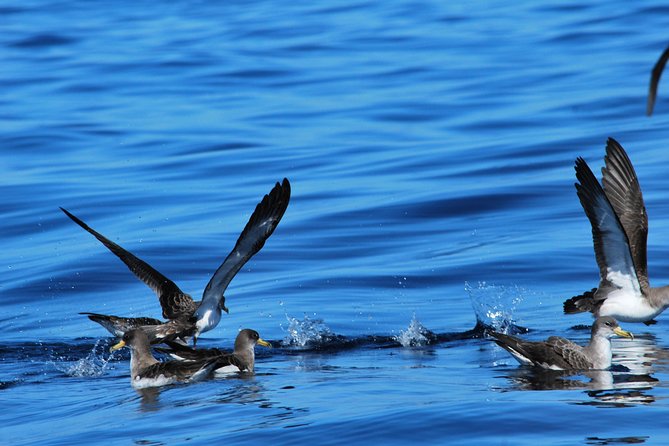
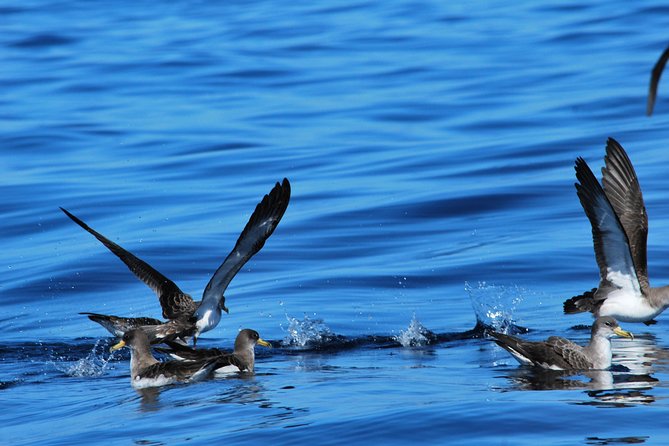
- Expect more than whales: Sightings can include dolphins, porpoises, sea turtles, flying fish, and seabirds such as Cory’s shearwaters.
- Small group, quiet atmosphere: There is space for no more than 10 passengers, with no loud music or party-boat setup.
- Plan for the conditions: The trip lasts about two and a half hours, with sun, wind, and possible waves along the way.
Why Tenerife’s south coast is good for whale watching
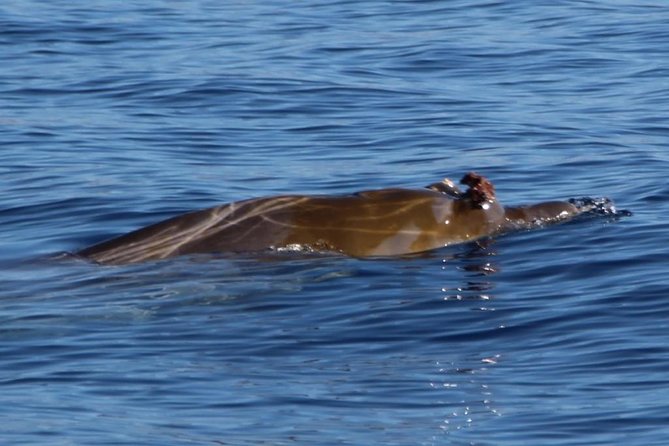
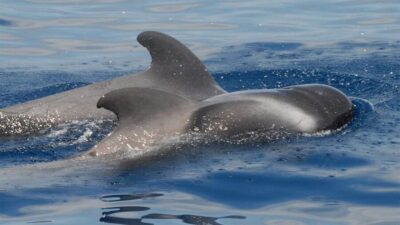
The waters off Costa Adeje are not just a convenient place to run a boat excursion. Tenerife rises dramatically from the ocean floor, creating deep water close to the island. That underwater setting helps explain why short-finned pilot whales live in these waters year-round.
Your guide may explain that pilot whales are powerful hunters of squid and can travel far below the surface in search of food. The trip is therefore not based on visiting a fixed enclosure or feeding wild animals. You are heading into open water and looking for animals that are living on their own terms.
That distinction matters. A whale-watching trip can be exciting without being frantic. The best moments often come when the boat slows or stops and you wait. A whale may surface nearby, disappear, then return somewhere else. You need patience, but the quiet makes the sighting feel more genuine.
The volcanic shape of Tenerife also creates a striking setting. From the water, you see the island from a different angle, with the coast behind you and open Atlantic water ahead. The focus remains on wildlife, but the boat ride itself gives you a useful sense of how steeply the island rises from the sea.
A few other Tenerife outings to compare
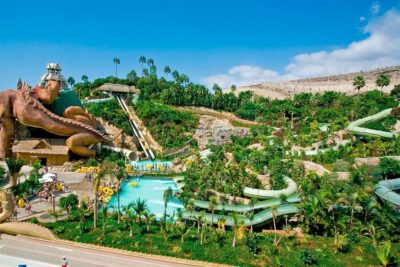
- Siam Park Entry Tickets
★ 4.5 · 15,710 reviews - Tenerife: Eco-Yacht Whale and Dolphin Watching and Swimming
★ 4.7 · 15,619 reviews - Los Cristianos Respectful No-Chase Whale and Dolphin Safari
★ 4.6 · 12,782 reviews
Meeting at Puerto Colón and boarding Papacho 2
The meeting point is at Av. de Colón, 4, in Costa Adeje, at Puerto Colón Marina. Specific instructions identify Gate 4, so allow enough time to find the correct spot before departure. The activity returns to the same meeting point, which keeps the outing easy to fit into a day in Costa Adeje.
Papacho 2 carries up to 10 passengers. That is the defining practical feature here. On a large boat, you may spend much of the trip searching for an open patch of railing or trying to see around a crowd. On this boat, you can change position more easily and stay involved in the guide’s explanation.
The low profile puts you close to the water. That can make a pilot whale’s back or a dolphin’s movement feel surprisingly near, but it also means you notice the sea more directly. Spray, wind, and rolling motion are part of the experience.
The boat has toilet facilities below deck, and a cold drink is offered toward the end of the outing. Do not expect a full meal, a party atmosphere, or a long list of onboard comforts. This is a focused wildlife trip, and the small boat is designed around observation rather than entertainment.
The first part of the trip: learning what lives offshore
Once the boat leaves the marina, the biologist introduces the animals you might encounter and explains the principles behind responsible whale watching. This early explanation is useful because it teaches you what to look for before the first sighting.
You may learn how to distinguish a pilot whale from a dolphin by its shape, movement, and surfacing pattern. The guide also puts local wildlife into context, explaining how human activity and ocean conditions affect whales and other marine life around Tenerife.
The teaching does not stop when an animal appears. Guides point out behavior as it happens, helping you understand why a whale surfaces in a certain way or why a group stays together. David is known for lively storytelling and humor, while the crew combines that presentation with field observations and conservation work.
The guides also use photographs of known whales to identify individuals by their dorsal fins. Seeing a family group is one thing. Realizing that the crew recognizes particular animals and keeps records about them gives the encounter a more personal and scientific dimension.
Watching pilot whales without chasing them
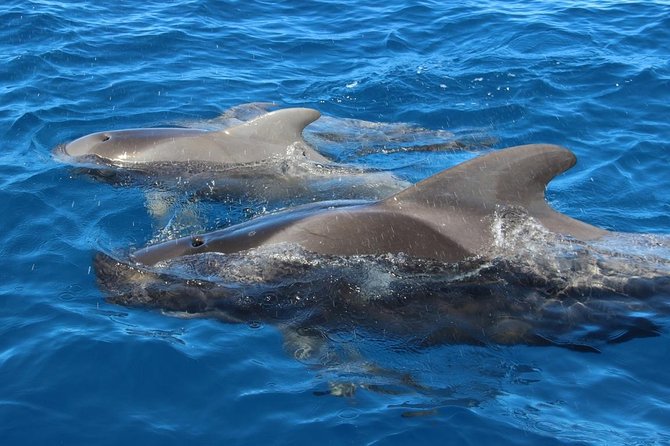
Pilot whales are the main attraction on many outings in these waters. You might see a family group, a larger gathering, or young animals traveling with adults. Sightings have included babies, and the crew has identified some whales from its own photo records.
The boat’s method is refreshingly calm. Near the animals, the engines are switched off so the whales are not disturbed. The boat may simply drift while the group surfaces around you. This waiting can feel slow for a moment, especially if you want constant action, but it is exactly what makes the encounter less intrusive.
The crew also avoids adding pressure when other boats are already around a group. Leaving an area may mean missing a closer photograph, but it reduces crowding and noise. I consider that an important trade-off, especially for anyone who wants an environmentally responsible outing rather than the closest possible approach at any cost.
Dolphins and porpoises may also appear. Sightings have included striped dolphins and other dolphin groups, with some animals coming close to the boat. You may see only brief surfaces, or you may get a longer look as the animals travel nearby. No responsible operator can promise a particular species, so keep your expectations open.
There have even been occasional reports of larger whales, including a possible fin whale, and one outing recorded three orcas. Those are unusual possibilities rather than something to book around. The regular appeal is the chance to observe the resident cetaceans in a careful way.
Same city, a completely different evening:
- Tenerife: Loro Parque Entry Ticket
★ 4.8 · 12,411 reviews - Loro Parque and Siam Park Combined Admission Tickets
★ 4.7 · 7,307 reviews - Tenerife: Kayak and Snorkel with Turtles, Wetsuits Included
★ 4.6 · 7,215 reviews - Costa Adeje: Whale & Dolphin Eco-Cruise with Snacks & Drinks
★ 4.6 · 5,096 reviews
Listening through the hydrophone
The hydrophone is one of the experience’s best features. While the boat is stopped, the crew lowers the device into the water and lets you hear the sounds made by the animals.
Whale calls can be haunting, clicks can suggest active searching, and group sounds give you another way to understand what is happening below the surface. You may not see every animal clearly at the moment you hear it, but the audio makes the ocean feel less like a blank blue surface.
This is especially valuable for children. A young person who struggles to sit still may stay engaged when the guide connects the sound to an animal nearby. Adults also tend to remember the listening session because it changes the experience from simply spotting backs and fins to thinking about communication and behavior.
The hydrophone is not a gimmick added to fill time. It works best because the boat reduces its noise near the whales. The quiet approach and underwater listening support each other.
Turtles, seabirds, and the smaller details
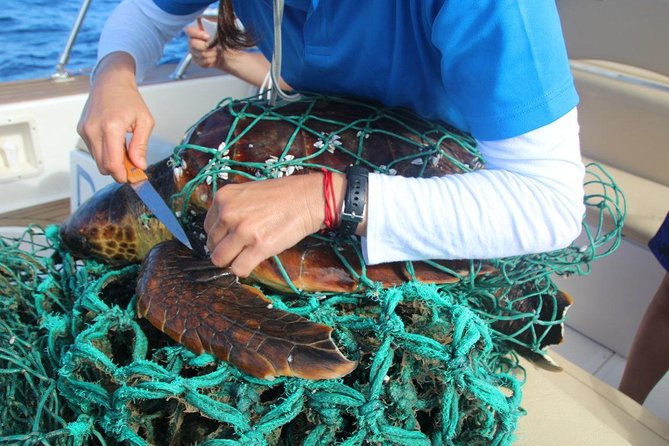
Keep watching between whale sightings. Sea turtles have been seen close to the boat, including loggerhead turtles. Flying fish may skim over the surface, while seabirds such as Cory’s shearwaters provide another clue to what is happening in the water.
These moments help you appreciate the whole marine setting rather than waiting for a large animal to appear. A turtle can surface briefly and vanish before everyone has a camera ready. A bird may reveal where fish are moving. The guide explains these connections, turning small observations into part of the outing.
The crew may also collect plastic or other rubbish spotted in the sea. That is not the main purpose of the trip, and it will not turn the excursion into a beach-cleaning session. Still, it shows how the conservation message is linked to ordinary action. You see the wildlife, then see the problems that affect it.
What the two and a half hours feel like
The advertised duration is about 2 hours and 30 minutes. That is long enough to travel out from the marina, spend meaningful time looking for animals, stop for listening, and return without turning the day into a full-day commitment.
The pace is variable. Some stretches involve moving between areas, while other periods are spent coasting or waiting. You are not getting a tightly timed sequence of attractions. Nature sets the schedule.
That can be wonderful when a family group appears nearby. It can also feel less exciting if conditions are quiet. I would choose this trip because I value the method and the learning, not because I need nonstop sightings every few minutes.
The mix of ages that has worked well on this outing ranges from young children to older adults. Most people can participate, but you should be honest about your comfort on the water. One person reported severe seasickness despite taking tablets, so motion sickness deserves serious attention.
Wear a sun hat with a secure toggle, sunglasses, and plenty of sun cream. You are exposed on the water, and the sun can feel strong even when the breeze makes the air seem mild. Bring water, although a cold drink is offered onboard.
Is $71.35 a fair price?
At $71.35 per person, this costs more than a basic large-boat cruise may cost, but the comparison is not quite like for like. You are paying for a maximum of 10 passengers, a marine biologist, a captain, a hydrophone session, and a quieter approach to wildlife.
The small group changes the value in practical ways. You have a better chance of hearing the explanation, moving to a useful viewing position, and asking about a particular whale or dolphin. You are also not paying for loud music, a party setup, or a large onboard catering operation that you may not want.
The price is strongest for people who care about how the animals are approached. The crew records observations, recognizes some individual pilot whales, and avoids chasing or crowding groups. Those choices may reduce the number of sightings in some cases, but they make the trip more responsible.
If your main goal is a guaranteed whale photograph, no open-water excursion can promise that. If your goal is an informed, personal encounter with a conservation-minded crew, the fee makes more sense.
Who should book this Costa Adeje excursion?
I would choose this for couples, families, and solo visitors who want a small boat and real contact with a guide. Children who enjoy animals can get a lot from the hydrophone and the explanations, and the crew has been especially attentive with young participants.
It also suits anyone tired of large boat excursions. The difference is not just the passenger count. It affects the noise level, the view, the time available for questions, and the way the boat behaves around whales.
This is less suitable if you want lunch, drinks throughout the trip, music, swimming, or a party. It is also not the best choice if you become very uncomfortable on moving water.
The activity is offered in English. Confirmation arrives within 48 hours, subject to availability, and the experience requires suitable weather and a minimum number of participants. If poor weather cancels the trip, you are offered another date or a full refund. You can cancel for a full refund up to 24 hours before the start time.
Service animals are allowed, and the meeting point is near public transportation. Most people can take part, but access to the boat depends on the type of reduced mobility and sea conditions, so contact the operator before booking if that is relevant to you.
My call: choose the quiet, science-led option
I would book Atlantic Eco Experience if I wanted to see Tenerife’s whales without joining a crowded boat. The combination of a 10-person limit, marine biologist guides, engine-off viewing, and the hydrophone gives the trip a clear purpose.
The strongest reason to go is the attitude toward the animals. The crew does not treat whales and dolphins as performers. You wait, watch, listen, and accept that wildlife controls the encounter.
Book it if you want a thoughtful half-day on the Atlantic, especially if David, Mirna, or another biologist-led crew is available. Skip it if you want a party cruise or need guaranteed sightings. For a quiet, educational whale-watching experience from Costa Adeje, this is a very solid choice.
FAQ
Where does the cetacean tour start and finish?
The tour starts at Av. de Colón, 4, 38660 Costa Adeje, at Puerto Colón Marina. The activity ends back at the same meeting point.
How long does the experience last?
The trip lasts approximately 2 hours and 30 minutes.
How many people can join the boat trip?
The boat has a maximum capacity of 10 passengers.
What animals might I see?
Possible sightings include pilot whales, dolphins, porpoises, sea turtles, seabirds, and flying fish. Larger whales and orcas have also been seen, but no particular species is guaranteed.
Is the tour offered in English?
Yes. The experience is offered in English.
What happens if weather cancels the trip?
If poor weather causes cancellation, you can choose a different date or receive a full refund. A minimum number of participants is also required, and cancellations for that reason offer the same choices.
Recently added in Tenerife
- Guided Kayak Tour From Los Cristianos Beach Tenerife★ 4.5 · 178 reviews
- South Coast Tenerife Cruise★ 5.0 · 181 reviews
- Costa Adeje: Secret Volcano Tuk Tuk Tour★ 4.6 · 181 reviews
- Tenerife: Siam Park Full-Day VIP Entry Ticket★ 4.5 · 183 reviews
- 5 hr watching and listening whales and dolps. Visit Los Gigantes★ 5.0 · 185 reviews
- Tuk Tuk Tours in Costa Adeje★ 5.0 · 188 reviews
- Tenerife Grand Tour: including Teide National Park and Masca★ 4.0 · 191 reviews
- Royal Delfin – 4’5H Dolphin & Whale Watching – Los Gigantes Masca – Lunch & Swim★ 4.0 · 192 reviews
Tenerife Tours, compared.
Eco-Yacht Whale and Dolphin Watching and Swimming
Read the review →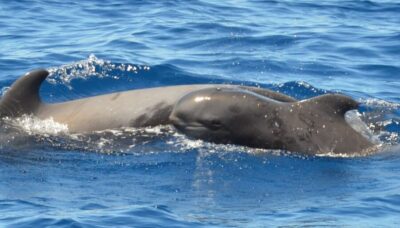
Los Cristianos Respectful No-Chase Whale and Dolphin Safari
Read the review →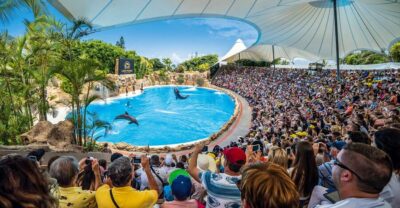
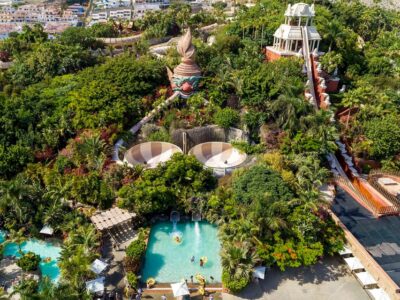
Loro Parque and Siam Park Combined Admission Tickets
Read the review →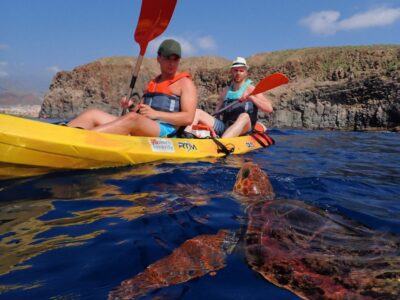
Kayak and Snorkel with Turtles, Wetsuits Included
Read the review →
Costa Adeje: Whale & Dolphin Eco-Cruise with Snacks & Drinks
Read the review →
Mount Teide Tour with Cable Car Ticket & Transfer
Read the review →Browse the lists this tour appears in