
Reviewed · CORDOBA TOURS
Córdoba: Guided Tour of Azahara Medina
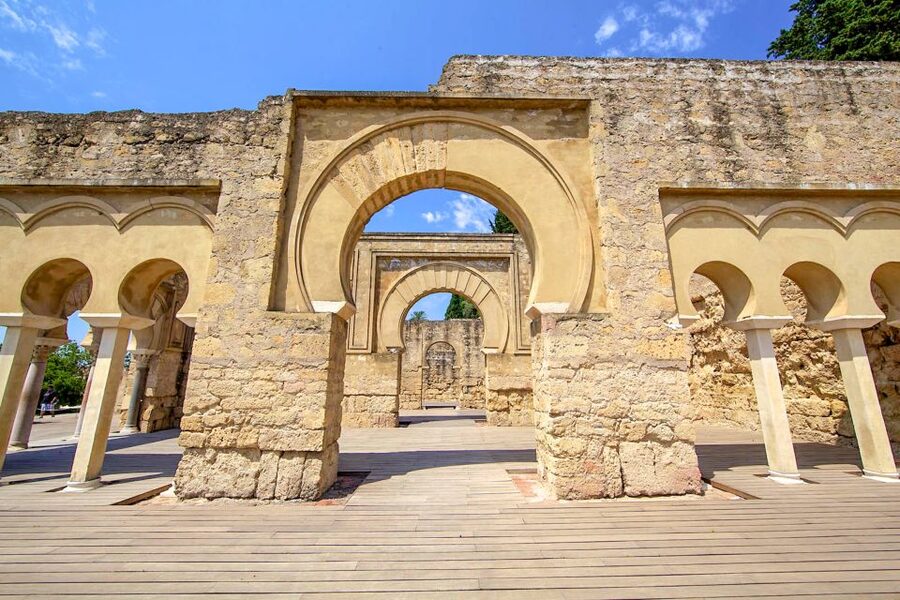
Medina Azahara is not simply a pile of old stones outside Córdoba. It was a carefully planned palace-city, built by Caliph Abd al-Rahman III in the 10th century as the seat of government and a public display of power. The excavated courtyards, walls, gates, and carved decoration give you a rare look at how Umayyad Córdoba worked beyond the famous mosque.
I like two things here. First, the visitor center’s film helps you picture the complete city before you face the ruins. Second, a good guide can turn partial walls into a story about court life, government, architecture, and ordinary work. The main consideration is the heat: much of the site is exposed, and the tour can run slightly longer than three hours.
Key points to know before you book
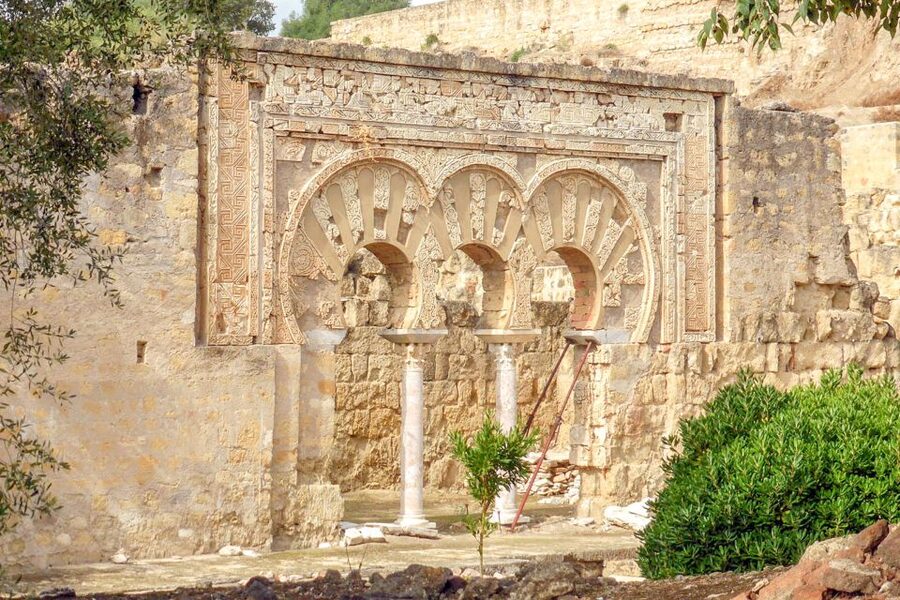
- A 10th-century seat of power: Medina Azahara was built as a palace, administrative center, and symbol of the Caliphate’s authority.
- The visitor center comes first: Plan on about one hour for the museum displays and digital reconstruction film.
- Two transport choices: You can book the option with a tourist bus from Córdoba or arrange your own way to the site and use transport there.
- Guides make the ruins readable: Emilio, Almudena, Maria, Alejandro, and other guides are praised for clear English, humor, and strong storytelling.
- Bring protection from the sun: Comfortable shoes, a hat, water, and light clothing matter, especially from late spring through summer.
- The ruins are still incomplete: Only a small part of the city has been excavated, which limits what you can see but also shows why the site is so important.
Why Medina Azahara matters beyond Córdoba’s old town
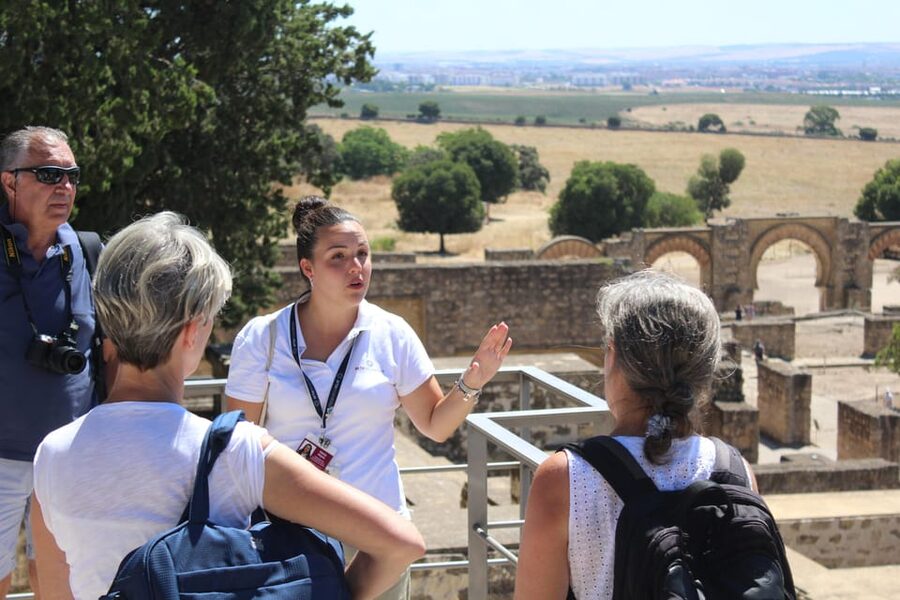
Córdoba’s old center can make the city’s Islamic past feel concentrated in one grand building, the Mezquita. Medina Azahara widens the picture. Here, you see the place where the caliphate presented itself as a political power, with palaces and official buildings arranged across the lower slopes outside the city.
Abd al-Rahman III ordered the construction in the early 10th century. The Arabic name, Madinat al-Zahra, means brilliant city. Its scale and decoration were meant to impress allies and enemies alike. This was not just a private country retreat. It was a working center of government.
That setting gives the visit real value. You are not only looking at decorative fragments. You are trying to understand how authority was displayed through terraces, formal spaces, controlled entrances, and elaborate materials. Your guide’s job is to connect those remains with the people who once used them.
The site is only partly excavated. One useful way to think about it is that you are seeing a carefully exposed section of a much larger city, not a complete archaeological park. Some people may find that limitation frustrating. I see it as part of the lesson: the visible ruins are impressive, but they also show how much remains to be studied.
A few other Cordoba outings to compare
- Córdoba: Skip-the-Ticket-Line Mosque-Cathedral Guided Tour
★ 4.6 · 9,634 reviews - Cordoba Mosque-Cathedral: Skip-the-Line Guided Tour
★ 4.7 · 6,610 reviews - Cordoba: Mosque-Cathedral E-Ticket with Audio Guide
★ 4.1 · 2,124 reviews
Choosing the bus option from Córdoba
The guided option with transport is the simplest choice if you are staying in Córdoba and do not want to sort out the trip to the site. The package includes round-trip transport between Córdoba and Medina Azahara, along with the tourist bus that carries you from the visitor center toward the main monuments.
The Córdoba meeting point depends on the option you choose. If you take the city bus departure, check the exact instructions closely. The stop can be easy to miss because the sign is small. One useful location detail is that the departure point is called Parada Bus, near the semicircular stop across from the Eurostars Hotel and behind the regular bus stops. The yellow bus with red lettering leaves from there.
That detail matters because a confusing meeting point can sour an otherwise well-organized morning. Arrive early enough to find the stop without rushing. The guides for different language groups may gather there to check people in, which helps you identify the right departure area.
Once you reach Medina Azahara, the tourist bus takes you from the visitor center to the main archaeological area. This is more than a minor convenience. The visitor center and ruins are separated, and the site sits outside Córdoba, so included transport cuts out extra planning and walking.
The tradeoff is that a group transfer gives you less control over your timing. If you prefer to arrive independently or want to spend more time at the museum, the no-city-bus version may suit you better.
What happens during the one-hour visitor center stop
The visitor center is the best place to begin because it supplies the missing pieces. A large archaeological site can be hard to read when you see only foundations. The museum presentation and film help you picture the city as it may have looked in the 10th century.
You can expect about an hour here. The film digitally recreates Medina Azahara, showing the palace-city before centuries of collapse and burial reduced it to ruins. This visual introduction is especially useful if you have not studied the site in advance.
The center also presents Moorish history and archaeological finds. One especially useful part is the chance to see objects removed from the ruins and preserved for study. You get a clearer idea of the city’s decoration, craft, and daily use than you would from the stonework alone.
I would not treat this stop as filler before the real tour. It is the part that lets you understand the real tour. The film gives you a mental plan, while the museum gives you physical evidence. By the time you walk among the remains, you have a better sense of what a doorway, terrace, or decorated room might have meant.
If you want a slower museum visit, keep an eye on the group schedule. The guided experience has a fixed duration, and the center is one part of a larger three-hour program.
Walking through the palace-city with your guide
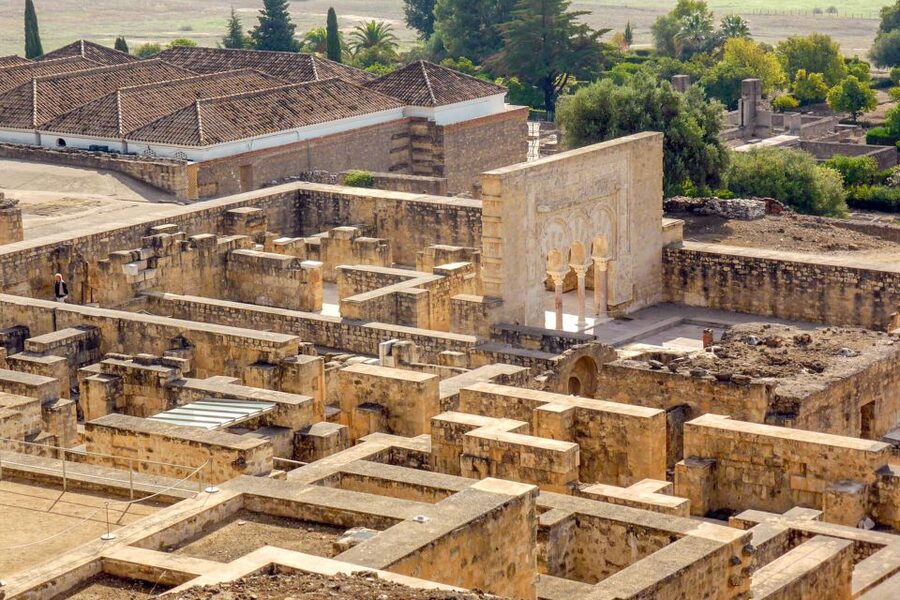
After the visitor center, you head north through the main sections of the archaeological site. The exact order and pace depend on the guide, but the purpose is consistent: move from one visible area to the next while explaining how the city was organized.
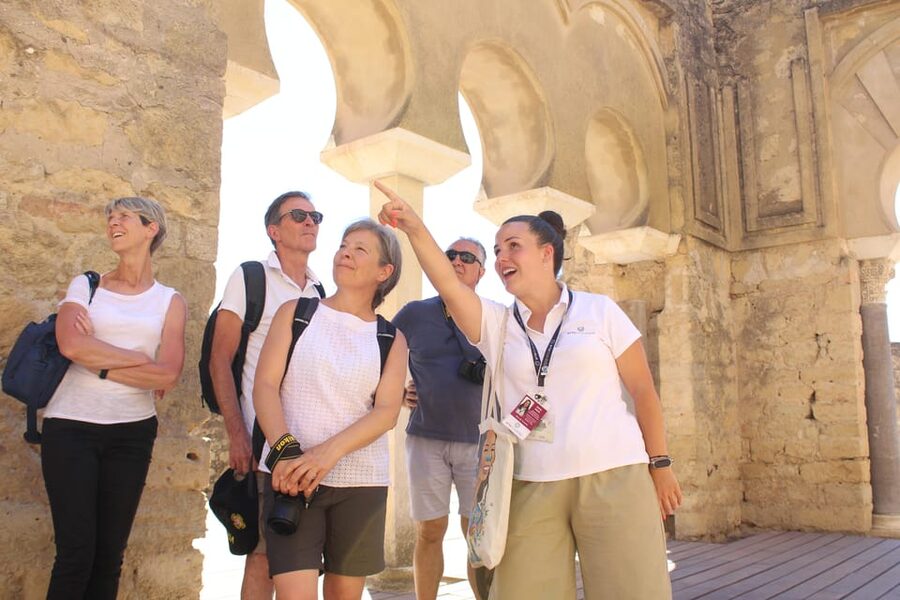
This is where the quality of the guide matters most. A wall without context is just a wall. A guide can explain how formal spaces related to government, how decoration communicated status, and how the surviving layout hints at separate functions within the city.
Guides named in the tour’s recent departures include Emilio, Almudena, Maria, Alejandro, Pilar, and Rapha. The strongest pattern is clear English or Spanish, a willingness to answer questions, and a story-led approach rather than a string of dates.
Emilio is praised for combining historical detail with likely scenes from daily life. Almudena is noted for her clear pace and ability to explain earlier centuries as well as the caliphate itself. Maria is described as warm, funny, and careful about separating established evidence from interpretation. Alejandro receives repeated praise for his English and his command of the site.
These details matter because Medina Azahara rewards explanation. You may hear about political power in one section, architecture in another, and the lives of workers, officials, and residents as you move through the remains. A strong guide keeps those subjects connected instead of turning the visit into a memorization exercise.
You should also feel free to ask questions. Several guides are singled out for patience and openness, and the tour works best when you ask about details that catch your eye. The site has enough unanswered questions and partial remains to make conversation useful.
Same city, a completely different evening:
- Córdoba: Jewish Quarter, Mosque, and Alcázar Tour
★ 4.7 · 4,279 reviews - Cordoba: Equestrian Show General Entry
★ 4.5 · 2,333 reviews - Cordoba Mosque & Jewish Quarter Tour with Tickets
★ 4.6 · 1,996 reviews - Cordoba: Alcazar Guided Tour and Skip-the-Line Ticket
★ 4.2 · 1,792 reviews
The architecture you can actually see
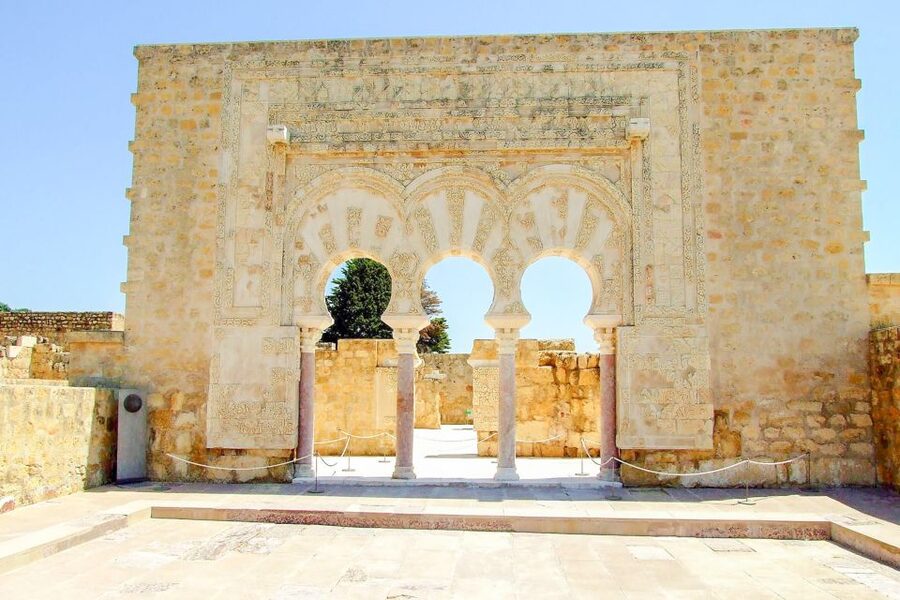
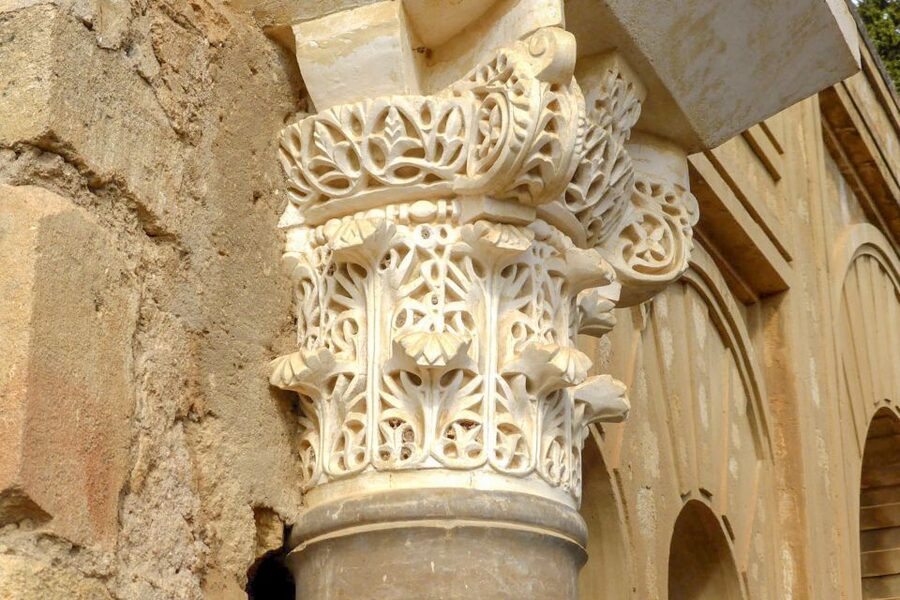
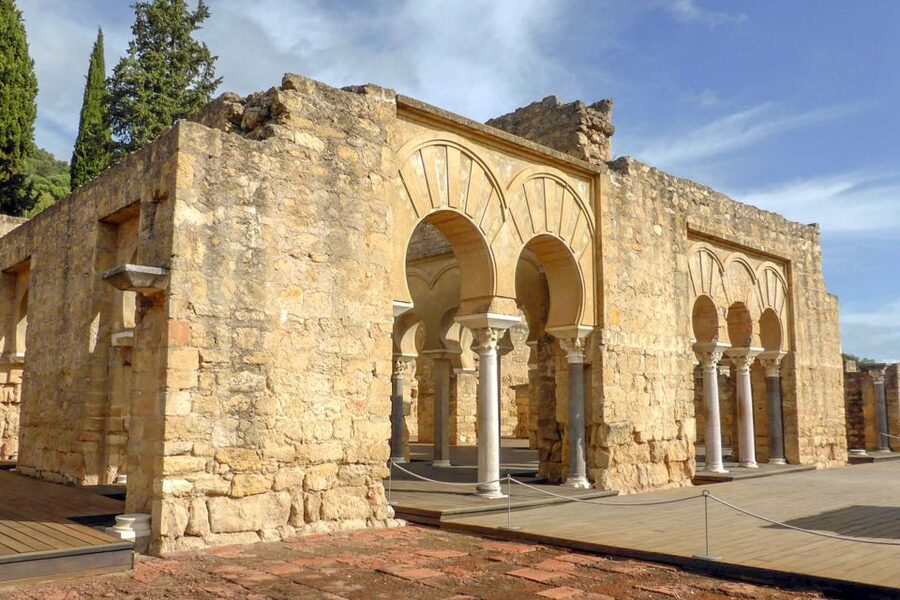
The most striking feature is the sense of design. Medina Azahara was created as a planned court and government center, so the ruins are not random. Terraces, walls, formal rooms, and decorated elements suggest a place built around rank and access.
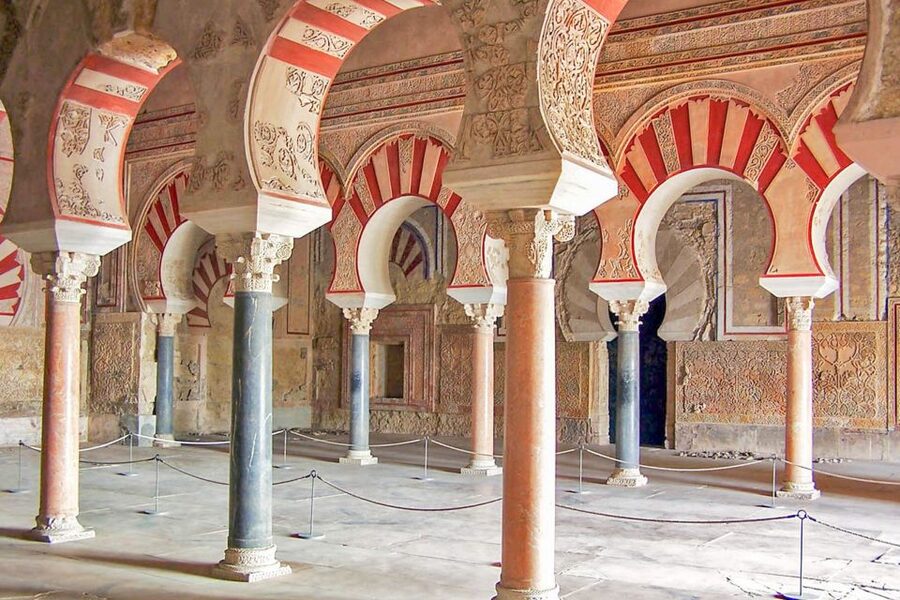
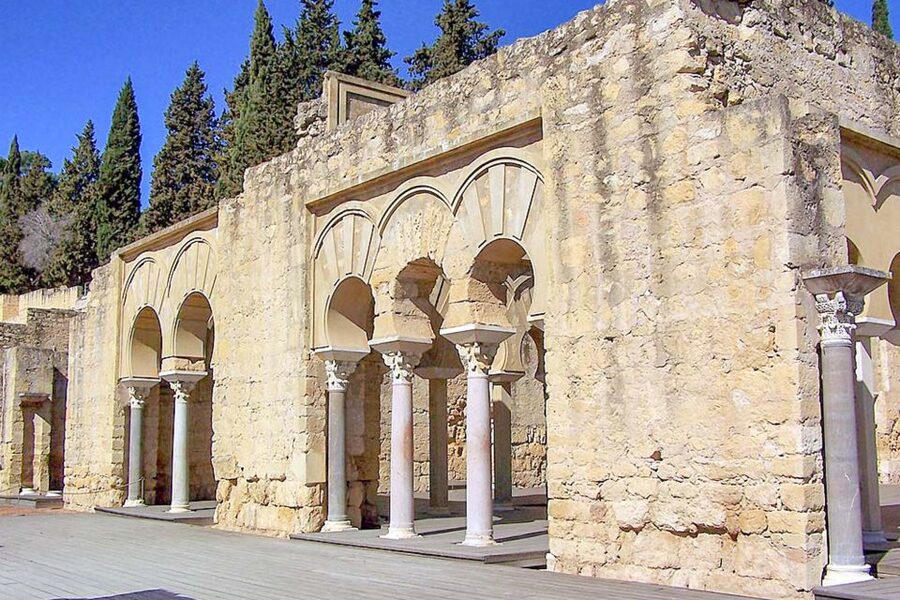
You will see the remains of ornate buildings and monuments, though not a complete palace. The contrast between the surviving stonework and the lost upper structures is part of the experience. The visitor center’s reconstruction helps fill that gap, while the ruins show what archaeology can confirm.
This is also a place where small details matter. A carved fragment, a change in level, or the shape of a passage can tell you about decoration, movement, or ceremony. Your guide can point out details you might otherwise walk past.
I would not expect the same visual completeness as Córdoba’s Mezquita. Medina Azahara is an archaeological site in progress. That means fewer intact rooms and less shelter, but it also means you are looking at active research rather than a finished display.
The partial excavation gives the site a quiet sense of discovery. You can see the scale of what has been uncovered and understand that the known ruins represent only a fraction of the original city. If you like archaeology and historical interpretation, this unfinished quality adds interest. If you want grand interiors and complete buildings, temper your expectations.
Heat, walking, and the practical side of the visit
Comfortable shoes are essential. The visit includes walking through an archaeological area, and the ground is not presented as a smooth city sidewalk. Wear clothes that work for warm weather, and bring a hat and water.
Summer can be very hot. There is limited shade across the open ruins, so the time of day matters. Even in a well-run tour, the group may slow down under the sun. Guides such as Rapha and Almudena are praised for keeping the pace manageable and finding shade where possible, but you still need to arrive prepared.
Sunglasses are useful, and drinks are not an optional extra in the hotter months. The supplied guidance specifically recommends comfortable shoes, a hat, drinks, and comfortable clothes. Follow it.
The tour is advertised at three hours, which is a useful length for a half-day plan. It gives you enough time for the visitor center and the main ruins without turning the outing into an all-day commitment. Still, allow some flexibility afterward. Tours in Spain can finish a little later than the posted time, especially when questions are encouraged.
Do not schedule a tight train departure, timed museum entry, or restaurant reservation immediately afterward. A small buffer makes the day easier.
Is the $23 price good value?
At $23 per person, this is a strong value if you want transport, entrance, and explanation in one booking. The price includes the guide, admission, and transport at the site. If you choose the bus version, it also covers the trip between Córdoba and Medina Azahara.
The value is not just the ticket. Medina Azahara is the kind of place where interpretation changes what you see. The difference between walking alone among foundations and hearing a clear account of the city’s political purpose, building plan, and daily life is substantial.
The free access to the site is especially useful, but remember that food and drinks are not included. Bring your own water rather than assuming refreshments are part of the package.
You may find a self-guided visit appealing if you already have transport and have read widely about Umayyad Córdoba. For most people, though, the guide adds enough context to justify the modest fee. The 4.5 rating from 1,042 ratings also points to a consistently well-received experience, with the guide’s presentation and organization receiving the most attention.
Who will enjoy this tour most
I would choose this tour for anyone who has already seen Córdoba’s central monuments and wants to understand the wider caliphate. It is also a good fit for travelers interested in Islamic Spain, archaeology, architecture, or the mechanics of medieval government.
Families with older children may appreciate the digital reconstruction and the story of a city that was later reduced to ruins. The guide’s explanations can help younger visitors picture people and buildings that are no longer there.
History-minded visitors should ask questions and listen for the difference between firm evidence and informed interpretation. Maria, in particular, is praised for explaining how certain conclusions are supported by different sources. That kind of care makes the site more rewarding.
You may want to reconsider if you dislike exposed archaeological sites, walking in heat, or buildings that survive mainly as foundations. Medina Azahara is not a quick photo stop. Its appeal depends on patience and imagination.
The tour is offered in English and Spanish. If language is important to you, select the correct option when booking and check the meeting instructions carefully. A past booking mix-up between Spanish and English was resolved, but choosing correctly from the start is easier.
Should you book the guided Medina Azahara tour?
I would book it if you want the practical package: Córdoba transport, entry, the visitor center, the site bus, and a guide who can make partial ruins understandable. The strongest reason to go is not one perfect surviving room. It is the chance to see how Córdoba’s 10th-century power was planned and displayed.
Book with realistic expectations. You will not see the entire palace-city, and the open site can be very hot. Bring water, protect yourself from the sun, wear good shoes, and leave time for the tour to run over.
If you want a short, well-organized excursion that adds political and architectural context to your Córdoba visit, this $23 tour earns its place. If you prefer complete monuments and freedom to wander at your own pace, arrange your own visit and treat the guide as optional. For most first-time visitors, though, the guided format is the better choice because the story is what makes Medina Azahara come alive.
FAQ
How long does the Medina Azahara guided tour last?
The tour lasts three hours. The schedule includes about one hour at the visitor center, followed by a guided visit to the main archaeological areas.
How far is Medina Azahara from Córdoba?
The palace-city is about 5 miles, or 8 kilometers, from Córdoba.
What does the $23 price include?
The price includes the tour guide, entrance to Medina Azahara, and transportation at the site from the visitor center to the main monuments. The bus option also includes transport between Córdoba and Medina Azahara.
Is transport from Córdoba included?
It is included if you choose the guided option with the tourist bus. The listed transport runs from Córdoba to Medina Azahara and back.
Can I visit without the tourist bus from Córdoba?
Yes. The no-bus option begins at the visitor center. It still includes the guided visit, site entrance, and transportation at Medina Azahara from the visitor center to the main monuments.
What languages are available?
Live guided tours are available in English and Spanish.
What should I bring?
Bring comfortable shoes, a hat, drinks, and comfortable clothing. Water and sun protection are especially important during hot weather.
Are food and drinks included?
No. Additional food and drinks are not included in the price.
Can I cancel the booking?
You can cancel up to 24 hours in advance for a full refund.
Do I have to pay when I reserve?
No. The reserve-now, pay-later option lets you keep your plans flexible and pay nothing at the time of booking.
Recently added in Cordoba
- Córdoba: Tablao Flamenco at Doble de Cepa with Optional Meal★ 4.4 · 197 reviews
- Patios of Cordoba Walking Tour★ 4.4 · 199 reviews
- Cordoba: Medina Azahara Museum and Archaeological Site Tour★ 4.8 · 199 reviews
- Cordoba Flamenco Show at Tablao El Cardenal with a Drink★ 4.5 · 210 reviews
- City Sightseeing Cordoba Hop-On Hop-Off Bus Tour★ 4.0 · 213 reviews
- Cordoba Monuments Intensive Tour in English Tickets included★ 4.5 · 214 reviews
- Guided visit to Medina Azahara★ 5.0 · 229 reviews
- Córdoba: Local Wine Tasting Evening★ 4.9 · 234 reviews
Cordoba Tours, compared.
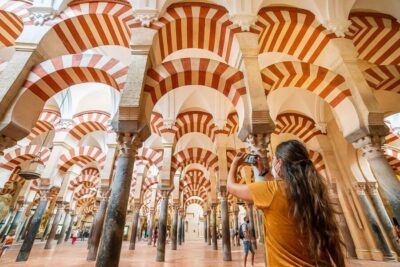
Skip-the-Ticket-Line Mosque-Cathedral Guided Tour
Read the review →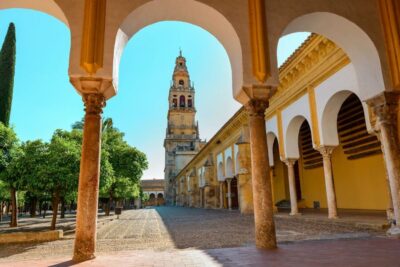
Cordoba Mosque-Cathedral: Skip-the-Line Guided Tour
Read the review →

Cordoba Mosque & Jewish Quarter Tour with Tickets
Read the review →
Skip-the-Line Great Mosque-Cathedral History Tour
Read the review →Browse the lists this tour appears in