
Reviewed · CORDOBA TOURS
Alcazar of Cordoba Entry Ticket and Guided Tour
The best part of this Alcazar tour is the way a guide connects the palace’s quiet courtyards and bright gardens to the major events that took place here. You’ll see the Salon de los Mosaicos, climb for views from the watchtowers, and walk through gardens lined with fountains, fish ponds, and orange trees. I especially like the focused format: you visit the Alcazar itself rather than being folded into a longer Cordoba city tour. I also like that an official guide gives the rooms and towers a clear sense of purpose.
The main thing to consider is time. The advertised duration ranges from 25 to 70 minutes, and several parts of the complex reward a slower look. If you want to linger in every garden, inspect each mosaic, and explore all accessible rooms, you may wish the guided portion lasted longer.
Key points to know before you go

- The tour focuses only on the Alcazar, making it a good choice if you do not want a full city walking tour.
- The Salon de los Mosaicos provides the most striking indoor detail, with elaborate Roman mosaics.
- The watchtowers offer views over Cordoba and the palace gardens, but climbing is part of the experience.
- The Patio Morisco combines crenellated walls, Moorish motifs, and former bath spaces in a compact architectural stop.
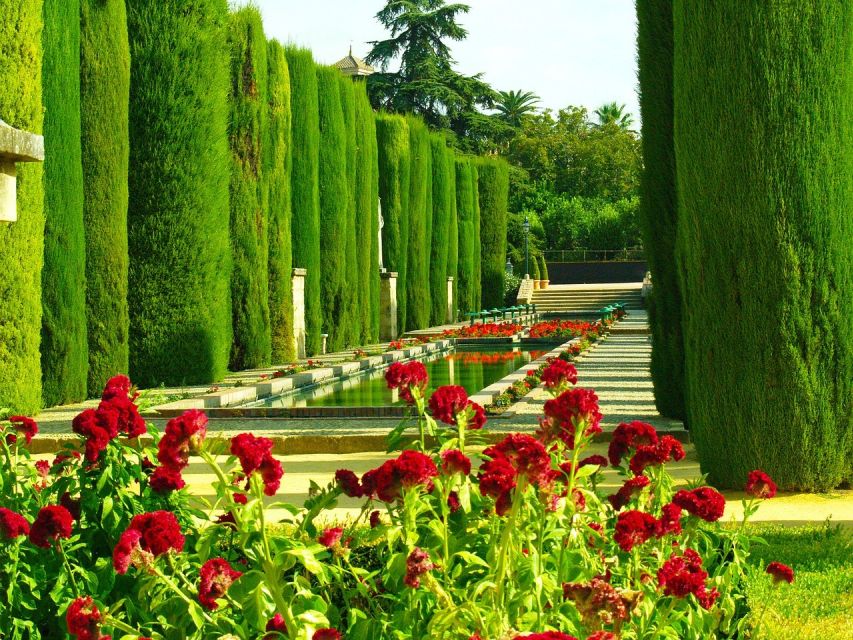
- The gardens are a major part of the visit, with fountains, fish ponds, water channels, and orange trees.
- English and Spanish tours are available, with audio equipment provided if you need help hearing the guide.
Why the Alcazar deserves a guided visit
Cordoba’s Alcazar is more than a pretty royal residence. The site began as a fortress built by the Visigoths, then became part of the Caliphate of Cordoba before taking on its later role as a palace of Spain’s Catholic monarchs. That sequence gives the visit its real interest. You are not looking at one building from one period, but at a place reshaped by several powers.
I find the Alcazar easier to appreciate with a guide because the rooms themselves can be fairly restrained. The gardens provide much of the visual drama, while the historical meaning is often carried by the explanation. A guide can point out why the palace mattered to Cordoba and explain the events tied to its royal occupants.
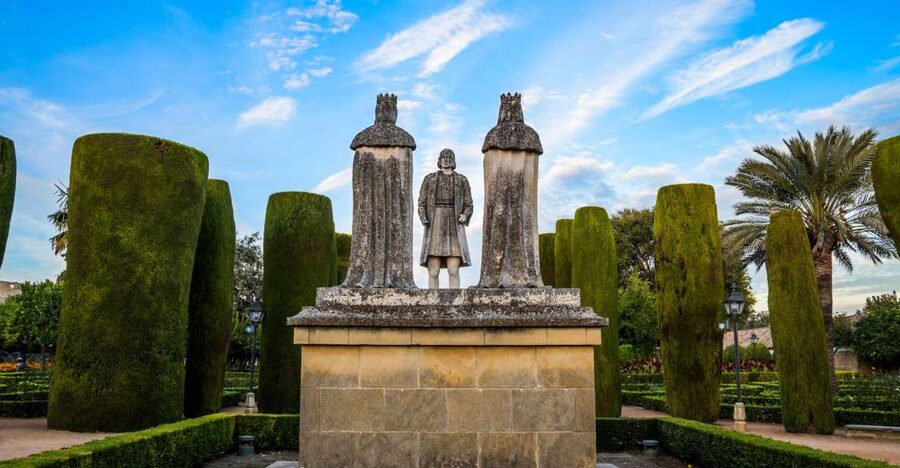
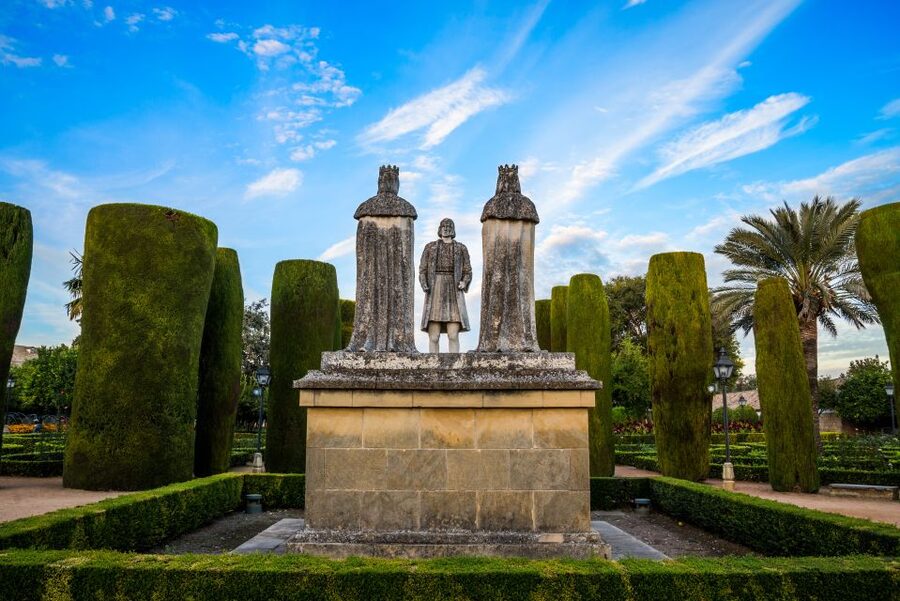
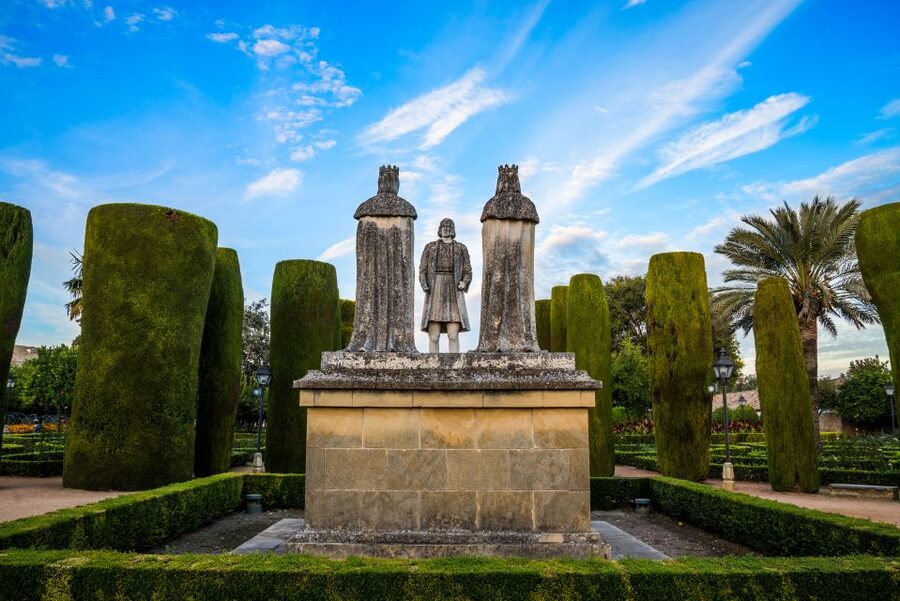
One particularly memorable connection is the meeting between Isabella I of Castile, Ferdinand II of Aragon, and Christopher Columbus. The palace is linked to the period before Columbus set sail for America, so the tour places a world-changing event inside the setting of courtyards, towers, and royal rooms.
This is not a tour built around grand theatrical interiors at every turn. Its pleasure comes from the combination of compact palace rooms, strong defensive towers, Moorish details, and expansive garden paths. If you enjoy understanding how a building developed over time, the guide adds useful context. If you prefer to wander silently at your own pace, the fixed tour format may feel limiting.
A few other Cordoba outings to compare
- Córdoba: Skip-the-Ticket-Line Mosque-Cathedral Guided Tour
★ 4.6 · 9,634 reviews - Cordoba: Mosque-Cathedral E-Ticket with Audio Guide
★ 4.1 · 2,124 reviews - Cordoba Mosque & Jewish Quarter Tour with Tickets
★ 4.6 · 1,996 reviews
Entering through the main gate
The visit begins at the main entrance gate, where your entry ticket and guide get you into the Alcazar. The ticket includes skip-the-line privileges at the box office, which is useful during busy periods because you avoid spending part of your visit dealing with ticket purchase.
Transportation is not included, so you need to make your own way to the Alcazar in Cordoba. The meeting details and starting time should be checked when booking, since the available tour duration can vary from 25 to 70 minutes.
Bring your passport or identity card. Large bags and luggage are not allowed, and pets cannot enter. The site is not suitable for wheelchair users, so this experience requires careful planning if anyone in your party has mobility needs.
Once inside, the guide begins explaining the site’s earlier role as a fortress and its later importance as a royal palace. This opening context matters because it helps you read the building as a place of power, not simply as a collection of attractive walls.
Salon de los Mosaicos and the palace rooms
The Salon de los Mosaicos is one of the most rewarding interior stops. Its mosaics provide a close look at the decorative side of the Alcazar, with patterns and ornamentation that feel very different from the open spaces of the gardens.
I would pay attention here to the guide’s explanation rather than rushing toward the next courtyard. The mosaics are not just colorful decoration. They help show how the palace was adapted for royal use and how earlier artistic traditions remained visible within later layers of the building.
The indoor rooms may not take up most of the visit, and that is part of the character of the Alcazar. This is a relatively compact palace compared with larger royal complexes in Seville, Segovia, or Granada. One useful benefit of a guide is that you learn what each room represents instead of assuming that every chamber was used in the same way.
The guided pace is generally brisk. That suits visitors who want a clear introduction without spending half a day inside one monument. It may be less satisfying if you like to stop for long periods to study architectural details or take many photographs.
Patio Morisco and its Moorish details

The Patio Morisco brings the Islamic influence of Cordoba into sharper focus. Here you can admire crenellated towers and Moorish motifs connected with the baths and courtyard spaces.
The appeal of this section comes from its relationship between decoration and practical design. The palace was built for authority and ceremony, but water, shade, enclosed courtyards, and bathing spaces also shaped how people used it. Your guide can help you see those details as part of everyday royal life rather than as isolated design features.
I like this portion because it gives the tour a more textured feel. The Alcazar is not only about Christian monarchs and later royal history. Its earlier connection with the Caliphate of Cordoba remains part of the site’s identity, and the Moorish elements make that visible.
You should expect the Patio Morisco to be a relatively short stop within the wider route. The experience is about seeing the relationship between the courtyard, baths, and towers, not about entering a vast series of preserved rooms. The guide’s commentary is especially useful here because the motifs and layout may be easy to overlook if you are touring alone.
Same city, a completely different evening:
- Cordoba Mosque-Cathedral: Skip-the-Line Guided Tour
★ 4.7 · 6,610 reviews - Córdoba: Jewish Quarter, Mosque, and Alcázar Tour
★ 4.7 · 4,279 reviews - Cordoba: Equestrian Show General Entry
★ 4.5 · 2,333 reviews - Cordoba: Alcazar Guided Tour and Skip-the-Line Ticket
★ 4.2 · 1,792 reviews
Watchtower climbs and views across Cordoba
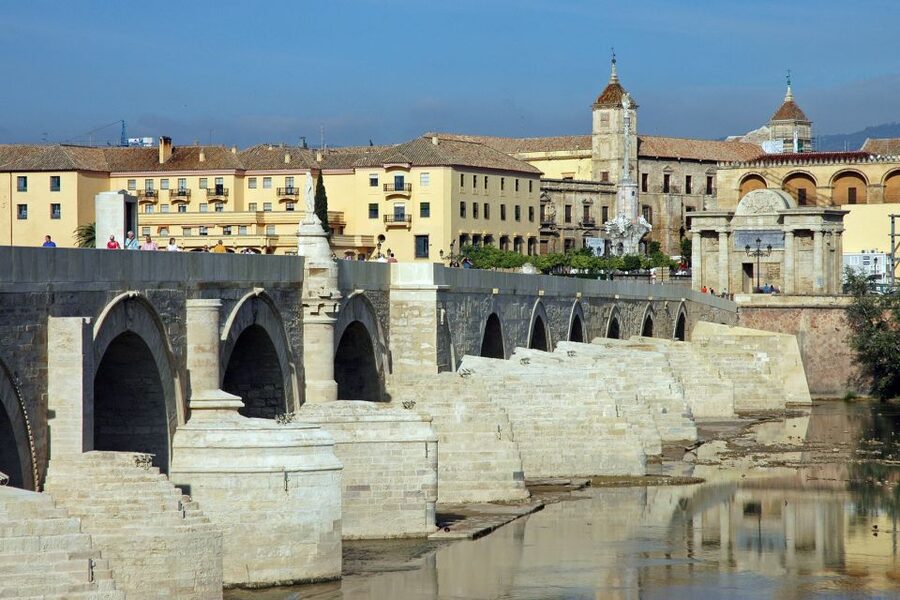
The watchtowers are where the Alcazar shifts from palace visit to city lookout. Climbing them gives you a higher view over the gardens and across Cordoba.
The towers also explain the Alcazar’s defensive past. From above, the walls and raised positions make more practical sense than they do from ground level. You can better understand why a fortified site here mattered, even though the gardens now create a peaceful setting.
I would treat the climb as one of the tour’s key moments, not as an optional extra. The views give you a sense of how the palace fits into Cordoba, while the garden layout below becomes easier to read. You may see the geometry of the paths, water features, and planted areas in a way that is not possible from ground level.
There is a practical catch: the watchtowers require climbing and may not suit visitors with mobility limitations. The experience is officially not suitable for wheelchair users. Wear comfortable shoes, particularly if you plan to continue walking around Cordoba after the tour.
Fountains, fish ponds, and orange trees
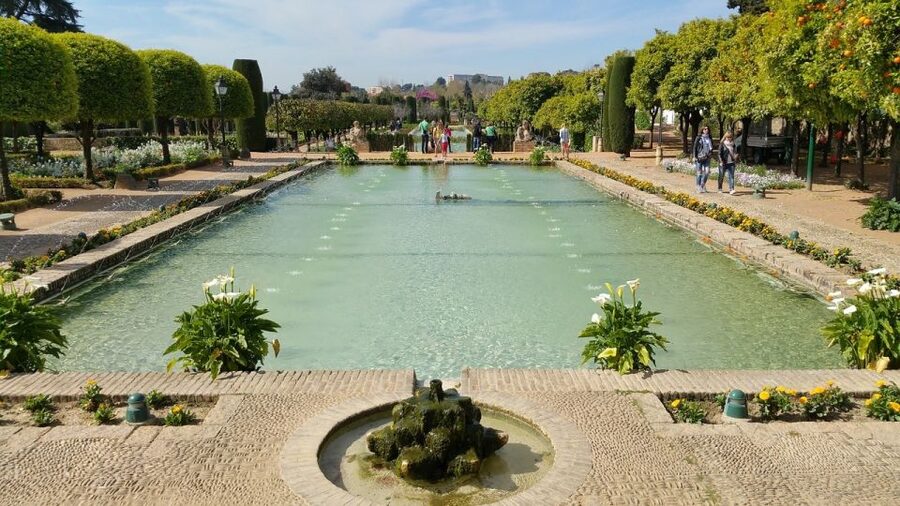
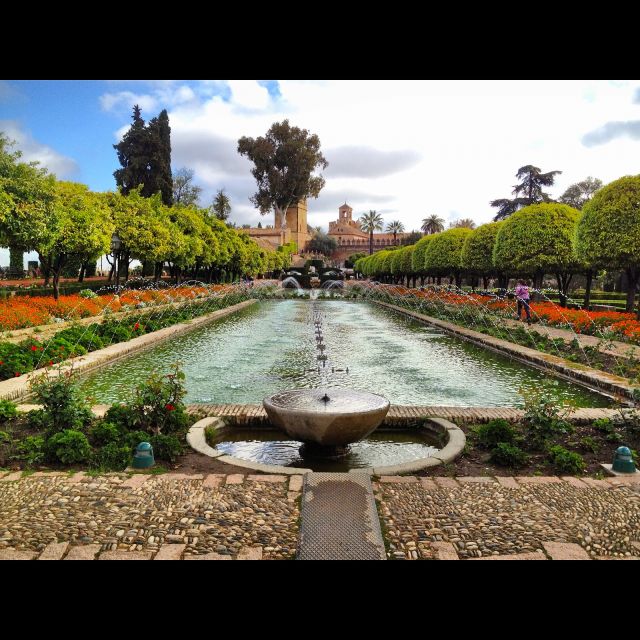
The gardens are likely to occupy much of your memory after the visit. Their fountains, fish ponds, water features, and orange trees create a cooler, calmer contrast to the stone palace.
Water is not merely decorative here. It shapes the rhythm of the gardens and links the courtyards to the wider traditions of Islamic and royal garden design. The sound and movement of the fountains make the gardens feel designed for pause and reflection, even though your guide keeps the group moving.
I would allow extra personal time in the gardens if your schedule permits. The guided visit may last as little as 25 minutes or as long as 70 minutes, depending on the selected option and availability. A short route can introduce the main features, but a longer stay gives you more time to look at the planting, ponds, and architectural details without rushing.
The orange trees are an especially appealing Cordoba touch. They connect the formal garden to the city’s wider visual character. The gardens are not a wild park, and they are not meant to be. Their appeal lies in order, symmetry, water, and the way the planting frames the palace walls.
How the guide changes the experience

The strongest part of this tour is the live commentary. The guides work in Spanish or English, and audio equipment is available if needed. Past guide names associated with this experience include Kristin, Jose, Gloria, Micaela, and Cristina. The quality of the visit depends partly on the person leading your group, but the available feedback points to a consistent strength: clear explanations and an ability to make the palace’s past feel connected to the spaces around you.
Gloria was praised for her command of the subject in a Spanish-language visit, while Micaela was noted for explaining details carefully. Cristina was described as friendly and passionate about the palace’s story. Kristin also received strong praise for bringing the Alcazar and gardens to life in English.
That range tells you something useful. This is not simply a ticket with a guide added as an afterthought. The guide is central to the experience. You are paying for access plus interpretation, and that is most valuable if you want the political and architectural context.
The tour should suit first-time visitors who want a clear introduction. It also works for repeat visitors. One person who had already visited the Alcazar found that a second visit with a guide revealed much more than seeing it alone.
Is $24 a fair price?
At $24 per person, this tour is reasonably priced for visitors who want both admission and a live guide. The ticket gets you into the Alcazar, and the skip-the-line privilege at the box office adds practical value. You also receive audio equipment if needed, which can make a difference when the group is standing in open courtyards or near fountains.
The value depends on how you use the time. If you only want to enter, take a few photographs, and wander independently, a guided ticket may offer more explanation than you need. If you want the site’s story, the extra cost over entry alone is easier to justify.
I especially like the fact that you are not required to combine this visit with a wider Cordoba city tour. Some sightseeing days are already packed, and a focused Alcazar visit lets you choose the pace and subject that interest you.
The main limitation is that the duration is not fixed at one simple length. A 25-minute version is an introduction, while a 70-minute version gives you more room for the palace, towers, and gardens. Check the available starting times and duration before paying so your expectations match the option you select.
Who should book this Alcazar tour?
I would choose this experience if you:
- Want a guided visit devoted specifically to the Alcazar
- Enjoy architecture, royal history, and Moorish design
- Prefer explanations in English or Spanish
- Want to avoid the ticket office line
- Have limited time in Cordoba but still want context
- Like gardens, fountains, and elevated city views
- Are comfortable walking and climbing tower stairs
I would think twice if you need wheelchair access, want to bring luggage, or prefer a completely self-guided visit. The tour also may not satisfy you if you want a long, unhurried session in every room and garden area.
Practical advice for making the most of it
Bring your passport or identity card and leave large bags elsewhere. Since transportation is not provided, plan your route to the Alcazar before the start time rather than treating the visit as a drop-in attraction.
Choose your language carefully at booking. English and Spanish are available, and the guide’s explanation is a central part of the experience. If hearing in an open courtyard is difficult for you, ask about the supplied audio equipment.
Give yourself enough time around the guided portion if you care about photographs or gardens. The official duration may be short, and the site has details worth revisiting after the guide has explained them.
The best approach is to let the guide provide the framework, then use any remaining time to enjoy the fountains, fish ponds, orange trees, and views at your own pace. That balance gives you both the story and the atmosphere.
Should you book it?
I would book the Alcazar of Cordoba Entry Ticket and Guided Tour if you want a focused, reasonably priced introduction to one of Cordoba’s most important historic sites. The official guide, mosaic rooms, Patio Morisco, watchtowers, and gardens make a well-rounded visit, and the tour’s narrow focus is useful if you are not interested in a broader city excursion.
Book with care if you need step-free access or want to carry luggage. Also check the exact duration, since a 25-minute visit and a 70-minute visit offer very different amounts of time. For most visitors who want history, architecture, and garden views in one compact stop, the $24 price is good value.
FAQ
How much does the Alcazar of Cordoba guided tour cost?
The listed price is $24 per person.
How long does the tour last?
The duration ranges from 25 to 70 minutes. Check availability for the exact option and starting time.
Is the entrance ticket included?
Yes. The entry ticket to the Alcazar of Cordoba is included.
Does the tour include a guide?
Yes. An official live guide leads the visit.
Which languages are available?
The tour is available in English and Spanish.
Can I skip the ticket line?
Yes. Skip-the-line privileges at the box office are included.
Is audio equipment available?
Yes. Audio equipment is provided if needed to hear the guide.
What should I bring?
Bring your passport or identity card.
Are luggage and pets allowed?
Pets and luggage or large bags are not allowed. The experience is also not suitable for wheelchair users.
Recently added in Cordoba
- Córdoba: Tablao Flamenco at Doble de Cepa with Optional Meal★ 4.4 · 197 reviews
- Patios of Cordoba Walking Tour★ 4.4 · 199 reviews
- Cordoba: Medina Azahara Museum and Archaeological Site Tour★ 4.8 · 199 reviews
- Cordoba Flamenco Show at Tablao El Cardenal with a Drink★ 4.5 · 210 reviews
- City Sightseeing Cordoba Hop-On Hop-Off Bus Tour★ 4.0 · 213 reviews
- Cordoba Monuments Intensive Tour in English Tickets included★ 4.5 · 214 reviews
- Guided visit to Medina Azahara★ 5.0 · 229 reviews
- Córdoba: Local Wine Tasting Evening★ 4.9 · 234 reviews
Cordoba Tours, compared.
Skip-the-Ticket-Line Mosque-Cathedral Guided Tour
Read the review →
Cordoba Mosque-Cathedral: Skip-the-Line Guided Tour
Read the review →

Cordoba Mosque & Jewish Quarter Tour with Tickets
Read the review →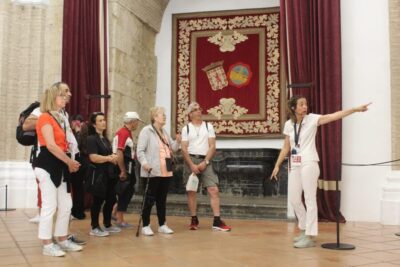
Skip-the-Line Great Mosque-Cathedral History Tour
Read the review →Browse the lists this tour appears in