
Reviewed · MUSEUMS
Alicante: Bullring and Bullfighting Museum Entry Ticket
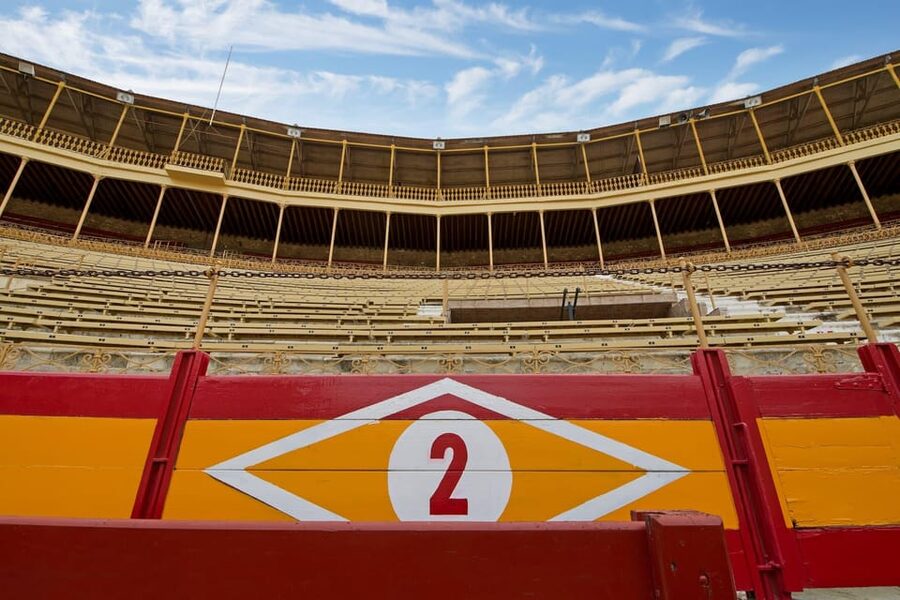
Alicante’s bullring gives you more than a museum display. For about an hour, you can walk into the ring, climb through the stands, see the chapel where bullfighters pray, and look behind the public areas at the bull pens and infirmary. The audio guide explains how bullfighting took root in Alicante around 1700 and introduces local names such as Vicente Blau and Luis Francisco Esplá.
I like the freedom to move at your own pace, and I like the rooftop-style views toward Alicante and the castle from the seating area. At $14, it is an inexpensive way to see a historic building without attending a bullfight. The main drawback is that concerts and other events can partly cover the ring, and the visit includes several stairs despite being advertised as wheelchair accessible.
Key points to know before you go
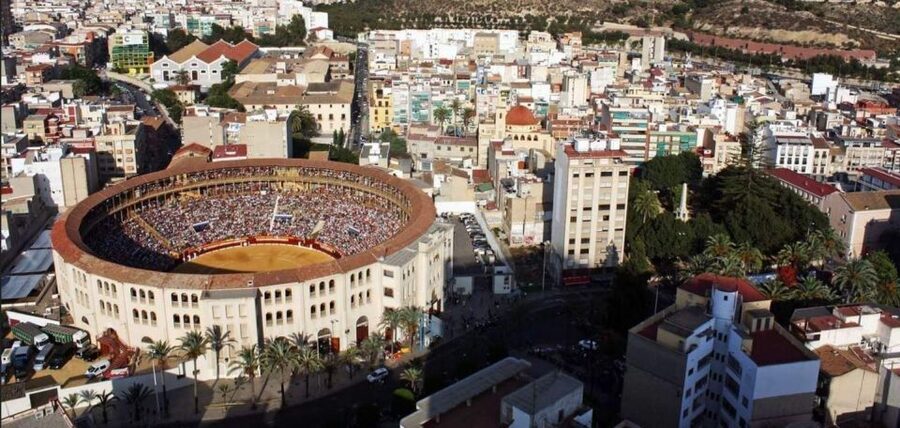
- Step into the actual ring: The visit lets you stand on the sand where bullfights took place rather than viewing the arena only from the outside.
- See the working areas: The chapel, bull pens, and infirmary give you a better sense of the building’s practical side.
- Use the six-language audio guide: Choose Spanish, English, French, Italian, German, or Polish and explore without a live guide.
- Look for local matador exhibits: Displays cover Alicante figures including Vicente Blau, José María Manzanares, Francisco Antón, and Luis Francisco Esplá.
- Expect a working event venue: Concerts, tennis, ice skating, and festivals also use the bullring, so temporary setups may affect what you see.
- Plan for a quiet visit: Going when the venue is less busy makes it easier to take photographs and listen to the audio guide.
Why Alicante’s bullring is worth your time
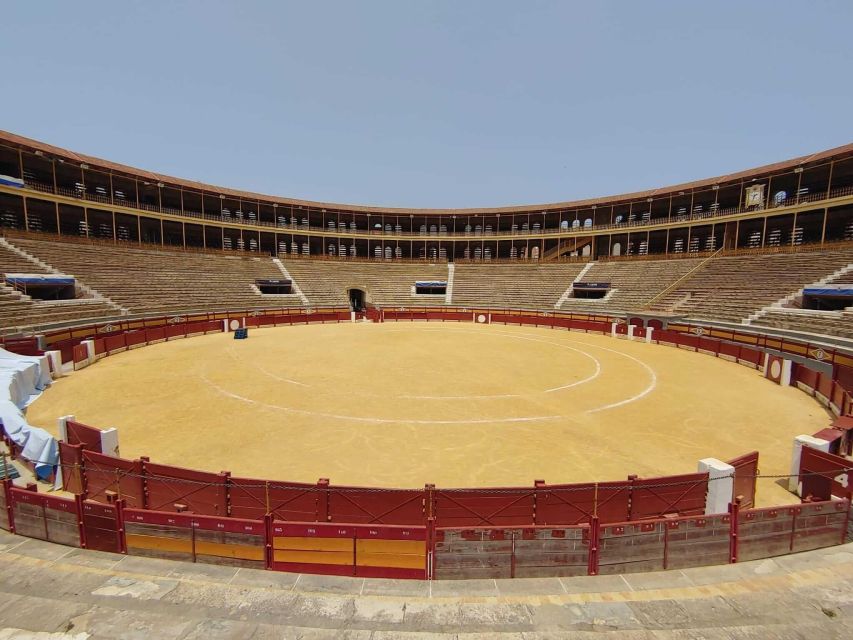
Bullfighting is a difficult subject for many people, and you do not need to approve of the sport to find this visit worthwhile. The bullring is also a historical building, a local cultural site, and an active venue in Alicante. The visit explains the tradition without requiring you to attend a live bullfight.
The building dates from the late 19th century, while the local tradition reaches back to around 1700. That long connection helps explain why the museum gives attention not only to the contests themselves, but also to festivals, clothing, art, famous matadors, and the rituals surrounding a bullfight.
I would think of this as a short cultural stop rather than a full museum day. The advertised duration is one hour, which is about right if you listen to the main audio material, inspect the exhibits, and spend time in the arena. You can stay focused and finish quickly, or pause for photographs and take a little longer at the parts that interest you most.
More museums in Alicante:
- Madrid: Prado Museum Entry Ticket
★ 4.6 · 17,509 reviews - Barcelona: FC Barcelona Museum “Barça Immersive Tour” Ticket
★ 4.4 · 10,944 reviews - Madrid: Reina Sofía Museum Entrance Ticket
★ 4.5 · 6,889 reviews
Entering through the main door
You begin at the bullring’s main entrance. There is no live guide leading a group, so you should expect a self-guided visit from the start. A host or greeter may be available in Spanish or English, but the main narration comes through the audio guide.
That arrangement suits you if you like setting your own pace. You can stop beside an exhibit, replay information, or move on without waiting for a group. It also means you need to pay attention to the route and the audio device or guide instructions rather than expecting someone to explain every room in person.
The included information leaflet helps you get oriented. Take a moment at the beginning to understand the sequence of the visit. The audio guide is available in Spanish, English, French, Italian, German, and Polish, so language should not be a major barrier for most international visitors.
Walking into the bullring
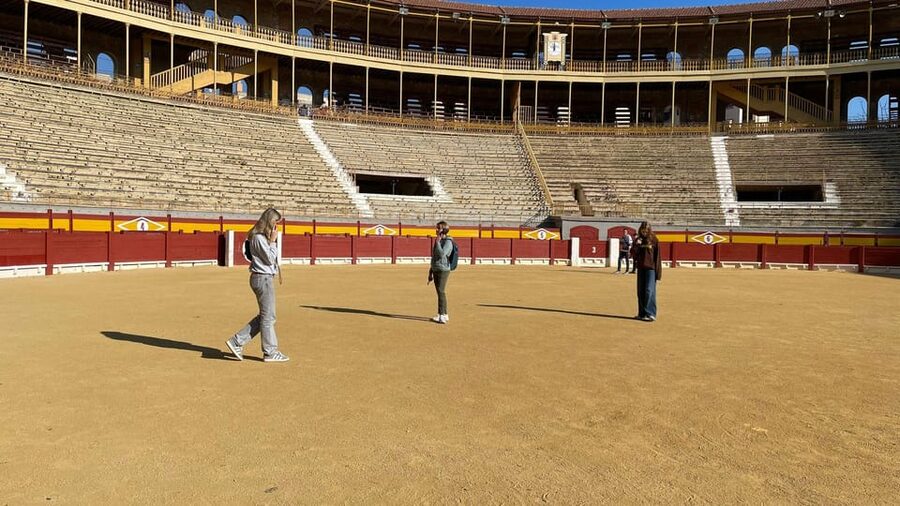
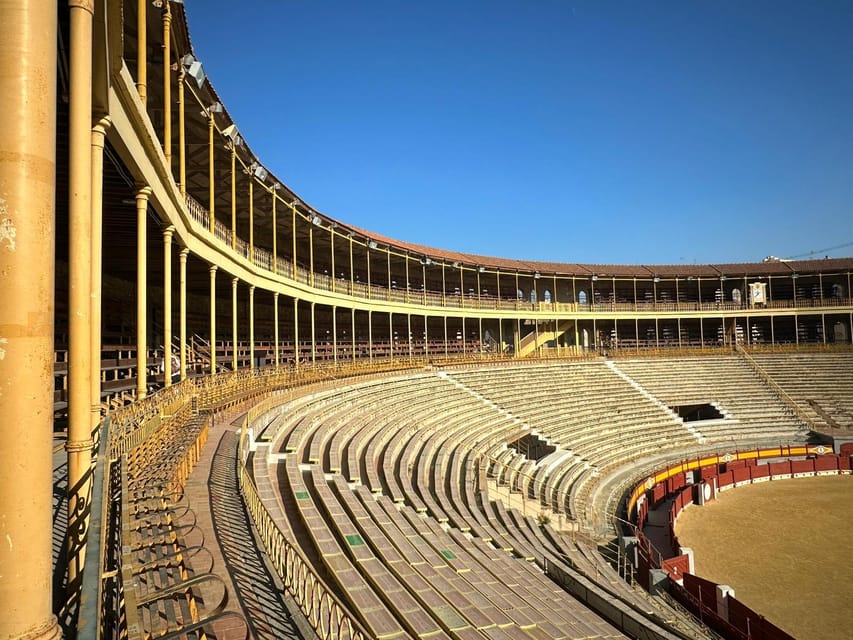
The central reward comes when you step into the ring itself. From ground level, the arena feels different from the surrounding seating. You can picture how the space worked during a bullfight and understand the scale of the sand, barriers, and surrounding walls more clearly than you would from a street view.
This is also one of the best places for photographs. The seating rises around you, and the higher sections provide views across Alicante toward the castle. If your interest is mainly architectural, this part of the visit may be more compelling than the museum cases.
The bullring is still used for other purposes, including concerts, tennis, and an ice rink. That keeps the building in active use, but it can affect the appearance of the arena. Temporary stages or event equipment have sometimes occupied parts of the ring. One concert setup made it harder for a visitor to see the space in its usual condition, while an Octoberfest arrangement also reduced the sense of the original arena.
That is worth checking before you book if seeing the complete ring is your main reason for going. The venue remains interesting, but an event setup can change the view and limit photographs.
The chapel and the less visible rooms
The tour takes you beyond the public spectacle. You can see the small chapel where Alicante bullfighters pray before a bullfight. This is an important stop because it shows the ceremony and personal ritual attached to the tradition.
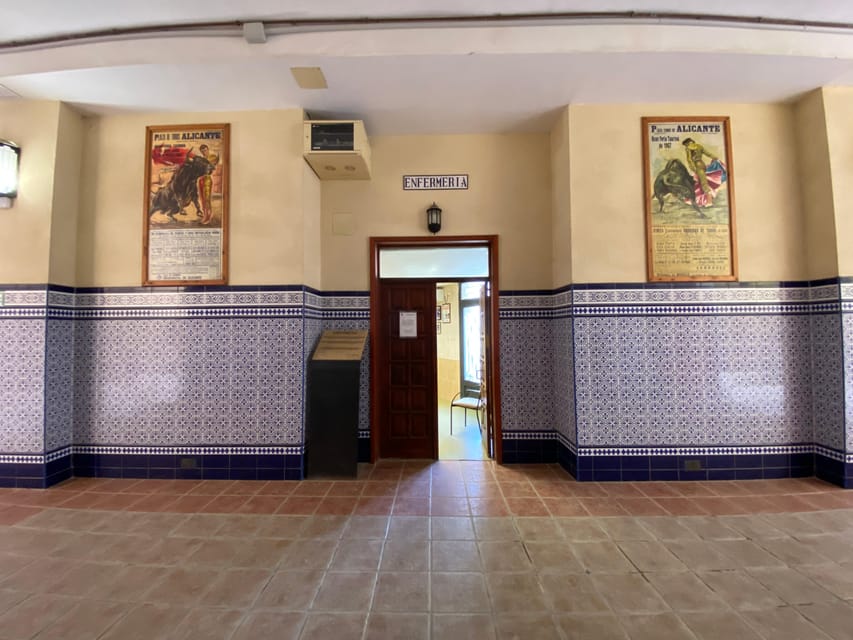
You also visit the bull pens and the infirmary. These spaces make the building easier to understand as a working place rather than just a large oval arena. They reveal what happened before, during, and after an event, including areas that ordinary ticket holders would not normally notice.
I find these rooms especially useful for anyone who knows little about bullfighting. A display of costumes and paintings can explain the style of the sport, but the chapel, pens, and infirmary show its physical organization. They help you see how many separate spaces were needed to support a single performance.
The route is not simply a walk around a grand monument. It takes you into practical and private corners, then brings you back to the public ring. That contrast gives the hour more substance.
A few other Alicante outings to compare
- From Alicante: Guadalest, Altea & ticket in Algar Waterfalls
★ 4.7 · 1,027 reviews - Barcelona: Sagrada Familia Entry Ticket with Audio Guide
★ 4.6 · 105,312 reviews - Barcelona: Park Güell Admission Ticket
★ 4.4 · 76,534 reviews - Seville: Royal Alcázar Entry Ticket
★ 4.6 · 28,378 reviews
The museum’s art, suits, and Alicante matadors
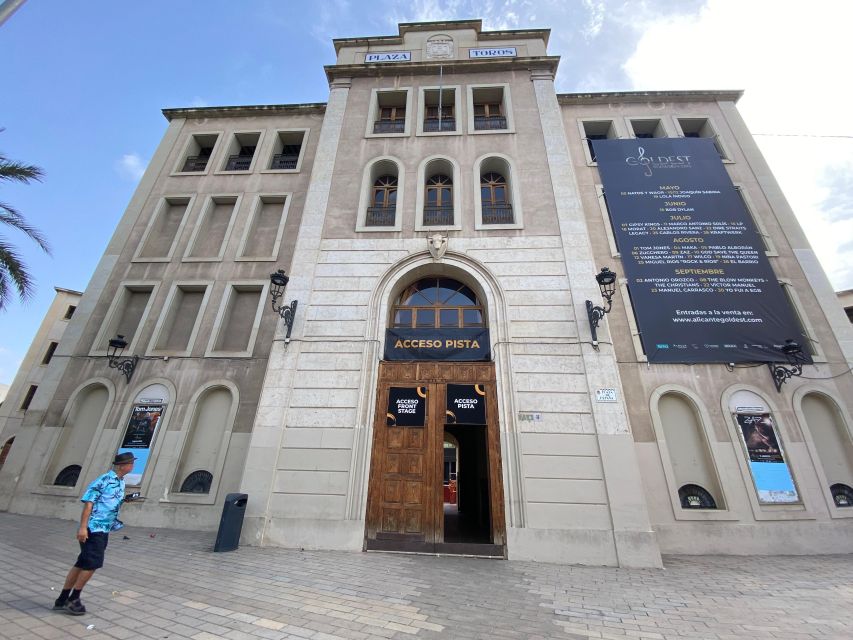
After exploring the arena, you visit the Taurino Museum. The exhibits use art, bullfighter suits, and historical material to explain the culture around bullfighting. The collection is designed as an introduction, so you do not need prior knowledge of the sport to follow the basic story.
The suits are among the most accessible displays. Their colors, embroidery, and formal design show how much ceremony surrounds the bullfighter’s appearance. The artwork adds another angle, presenting the arena and its performers as subjects in Spanish visual culture.
The museum also highlights prominent matadors connected with Alicante. Names included in the displays are:
- Vicente Blau
- José María Manzanares
- Francisco Antón
- Luis Francisco Esplá
The local focus matters. You are not only hearing a general explanation of Spanish bullfighting. You are learning how the tradition became part of Alicante’s own public identity and which performers helped shape that story.
Videos are included during the tour and provide another way to understand the culture. If you are unsure how much detail you want, the self-guided format lets you spend more time with the videos and displays that interest you and less time on material that does not.
How the audio guide affects the visit
The audio guide is the backbone of the experience. It lets you explore independently and provides context for the building, its festivals, its history, and local matadors. Several people have found the narration easy to follow, particularly because it explains the history while you move through the rooms.
This is not the right choice if you want a lively conversation with a specialist. There is no live guide included, and the host or greeter information lists Spanish and English only. The audio guide offers the wider language choice: Spanish, English, French, Italian, German, and Polish.
I recommend using the audio at a steady pace rather than trying to listen to every point while taking photographs. You will get more from the visit if you pause the narration when you reach an exhibit or viewpoint. A quiet time of day also helps, especially if you want to hear clearly and take pictures without people moving through every frame.
The absence of a fixed group schedule is useful for independent sightseeing. You can fit the bullring between other Alicante stops, and the one-hour format does not take over your day.
Timing, crowds, and temporary events
The bullring and museum are open Monday to Saturday from 10:00 AM to 4:00 PM. There are no Sunday hours provided, so you should plan this visit for another day if your schedule includes a Sunday in Alicante.
The opening window is relatively short. Do not leave this attraction until late afternoon, particularly if you want time for the full route. Checking the available starting times before booking is sensible because the stated duration is one hour and entry times may vary.
A quieter visit can make a real difference. In a nearly empty building, you can stand in the ring, take your time with the displays, and listen without competing with much background noise. A busier period may still work, but you will have less control over photographs and may need to move around other people.
The venue also hosts events beyond bullfighting. Concerts, tennis, ice skating, and festivals can bring temporary equipment into the building. A stage or event installation may block part of the ring or change its original appearance. If the arena itself is your priority, contact the venue or check the event calendar before setting aside your visit.
Accessibility and the practical walking conditions
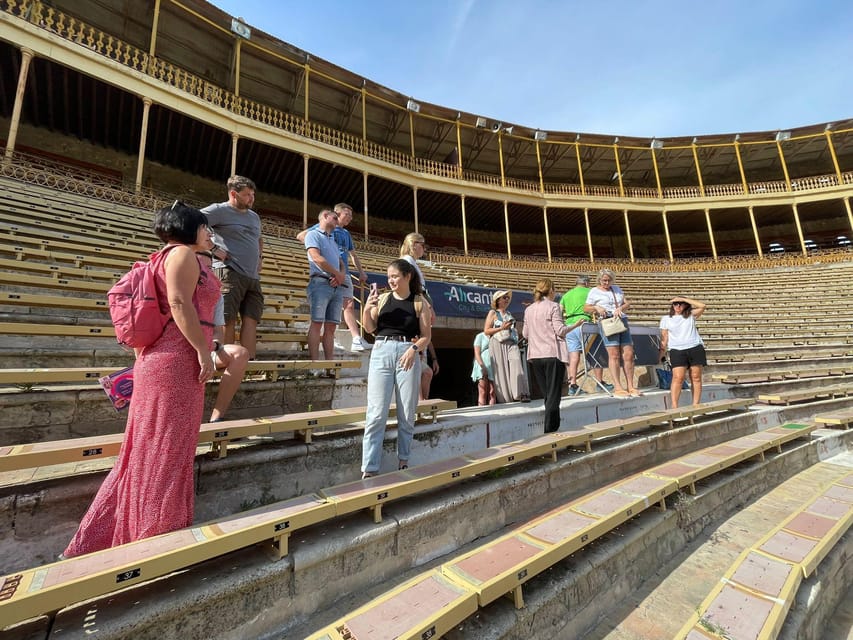
The activity is listed as wheelchair accessible. At the same time, one detailed account points out that the route includes quite a few stairs and may be unsuitable for some older or disabled visitors. Those two facts should both guide your planning.
Accessibility can depend on which sections are open and how the route is arranged on the day. If you use a wheelchair or have difficulty with stairs, confirm the exact route with the bullring before booking. The official accessibility information is encouraging, but the practical experience may vary across the stands and interior areas.
For everyone else, wear comfortable shoes and expect to walk between the arena, museum displays, and upper seating areas. The visit lasts only about an hour, but it is not a single room with a few cases. You move through several parts of the building.
The main entrance is the meeting point, and you should go directly to the bullring’s front door. There is no separate outdoor meeting place or transport arrangement included.
What $14 gets you
The price is $14 per person. For that amount, you receive entry to both the bullring and museum, the audio guide, and an information leaflet. There is no live guide, but the low price reflects the independent format.
I consider it good value if you are already interested in Alicante’s culture, architecture, or the history of bullfighting. You see the ring from several perspectives, enter areas normally hidden from a casual passerby, and get a museum introduction to local matadors. The castle views from the stands add another small benefit.
The value is less certain if you want a polished guided performance or a long, highly detailed museum visit. One hour is enough for a solid introduction, but not enough for a slow study of every object. You are paying for access and context, not an all-day attraction.
The flexible booking conditions also help. You can reserve now and pay later, and cancellation is free up to 24 hours in advance for a full refund. Those terms are useful when your Alicante plans may change, though they do not alter the quality of the visit itself.
Who should book this Alicante experience
I would recommend this to you if you want a cultural activity that is short, affordable, and easy to fit into a sightseeing day. It works particularly well for:
- People curious about Spanish traditions but not interested in attending a live bullfight
- Anyone who enjoys historic buildings and unusual behind-the-scenes spaces
- Visitors who prefer audio guides to fixed group tours
- Families or couples looking for an independent one-hour activity
- Photography-minded visitors who want arena views and castle views
- Anyone wanting an introduction to Alicante’s local matadors and festivals
You may want to skip it if bullfighting is a subject you find distressing or if you want a completely modern attraction. You should also reconsider if your schedule only allows Sunday visits, or if a temporary event has covered the ring during your dates.
The attraction does not ask you to watch a live bullfight. It presents the subject as part of Alicante’s cultural past and present, with attention to the building, the people, and the rituals around the sport. That makes it a possible choice for someone who wants to understand the tradition without buying a ticket to an event.
My booking advice
Book the Alicante Bullring and Bullfighting Museum if you want a clear introduction to a local tradition, a look inside a late 19th-century monument, and access to spaces most city walks do not cover. The chapel, bull pens, infirmary, and arena make the visit more varied than a standard museum stop.
Choose a morning or another quiet period when possible. You will have a better chance of hearing the audio clearly and photographing the ring without crowds. Before paying, check whether a concert, festival, or other event is scheduled, since temporary equipment can reduce the impact of the arena.
At $14 and roughly one hour, this is an easy cultural add-on rather than a major day trip. I would book it for the building and the local context, not only for the bullfighting subject. If those two interests appeal to you, the visit offers a practical and reasonably priced way to see Alicante from a different angle.
FAQ
How long does the bullring and museum visit take?
The stated duration is one hour. You explore the bullring and museum at your own pace with the audio guide.
How much does admission cost?
The entry ticket costs $14 per person.
What days and times is the bullring open?
The bullring and museum are open Monday to Saturday from 10:00 AM to 4:00 PM.
Is a live guide included?
No. The experience includes an audio guide and information leaflet, but not a live guide.
Which languages are available for the audio guide?
The audio guide is available in Spanish, English, French, Italian, German, and Polish.
Where do I meet for the visit?
Go to the main entrance door of the bullring.
What parts of the bullring can I see?
The visit includes the ring, stands, chapel, bull pens, and infirmary, along with the museum areas.
Is the bullring wheelchair accessible?
The activity is listed as wheelchair accessible. However, one account notes that the route includes quite a few stairs, so you should confirm the practical route if stairs are a concern.
Can I cancel the booking?
Yes. You can cancel up to 24 hours in advance for a full refund. You can also reserve now and pay later.
Recently added in Alicante
- Alicante: Countryside Wine Tour with 4 Tastings★ 4.8 · 301 reviews
- Alicante Paella Cooking Class, Tapas, Drinks and Market★ 4.9 · 301 reviews
- Alicante: Boat Trip and Parasailing Experience with Drink★ 4.6 · 310 reviews
- Guadalest & Algar Falls Excursion – From Albir, Benidorm & Calpe★ 4.5 · 380 reviews
- Alicante: Canelobre Caves & Busot Tour including transfer★ 4.9 · 404 reviews
- Jávea: Cala Tango and San Antonio Nature Reserve Kayak Tour★ 4.5 · 547 reviews
- Alicante: City and Beach Bike Tour★ 4.8 · 587 reviews
- Alicante: 6-Hour Catamaran Cruise to Tabarca Island★ 4.7 · 879 reviews
Museums, compared.

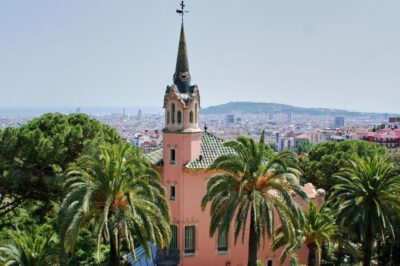
Park Güell and Gaudí House Museum Entry Ticket
Read the review →
Puro Flamenco Show with Optional Museum Ticket
Read the review →
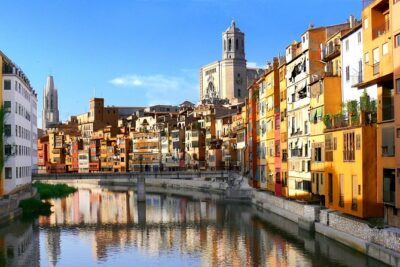
Girona & Dali Museum Small Group Tour with Pick-up from Barcelona
Read the review →
Oceanogràfic, Hemisfèric & Science Museum Combo
Read the review →
Small Group of Prado Museum Tour & Optional Tapas
Read the review →Browse the lists this tour appears in