
Reviewed · TAPAS & FOOD TOURS
Barcelona: El Born and Gothic Quarter Wine & Tapas Bar Tour
Barcelona’s best food lessons often happen at a table, not in a museum. This Gothic Quarter and El Born walking tour links four local tapas bars with stories about old Barcelona, so you eat your way through the city while learning how its food and neighborhoods fit together. Expect Iberian ham, Spanish cheeses, patatas bravas, octopus, seafood, wine, and enough food to count as a full meal.
I like two things in particular. First, the stops are varied: you might move from a corner pub to a more polished dining room, with one outing even including a Michelin-starred restaurant. Second, the guides make the walk personal. Berta, Angie, Dasha, Vincenzo, Pauleena, and others are praised for mixing local history with humor, practical advice, and plenty of conversation.
The main consideration is price. At $81 per person, this is not a cheap bar crawl, and the exact value depends on how much you care about the guided history, four organized tastings, and the social side of the outing. Drinks beyond the four included glasses, plus the optional flamenco ticket, cost extra.
Key points to know before booking
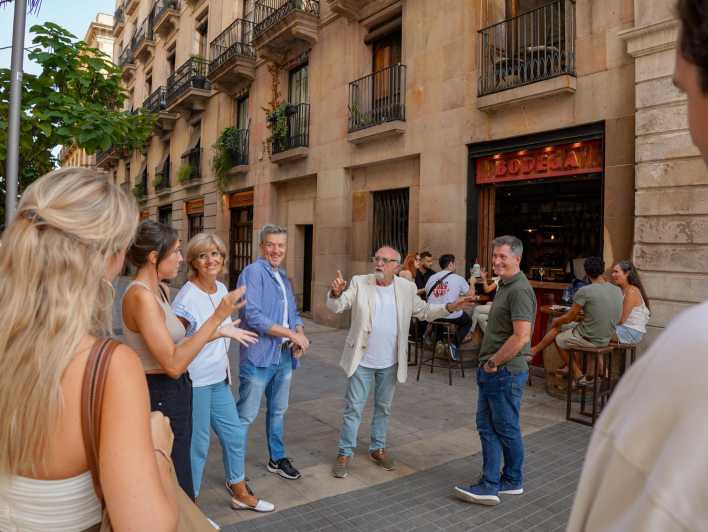
- Four tapas bars, nine tastings: The food is substantial enough to replace dinner for most people.
- A useful first-day introduction: The walk helps you get oriented in El Born and the Gothic Quarter.
- Guides make the difference: Names frequently praised include Berta, Angie, Vincenzo, Dasha, and Camilo.
- About 135 minutes to three hours: The pace includes short walks and seated tasting stops.
- Food can be adapted: Dietary restrictions and allergies have been handled with substitutions, but tell the operator in advance.
- Flamenco is optional: Your guide can escort you to the venue, but the show ticket is not part of the $81 price.
Why this food walk works in Barcelona
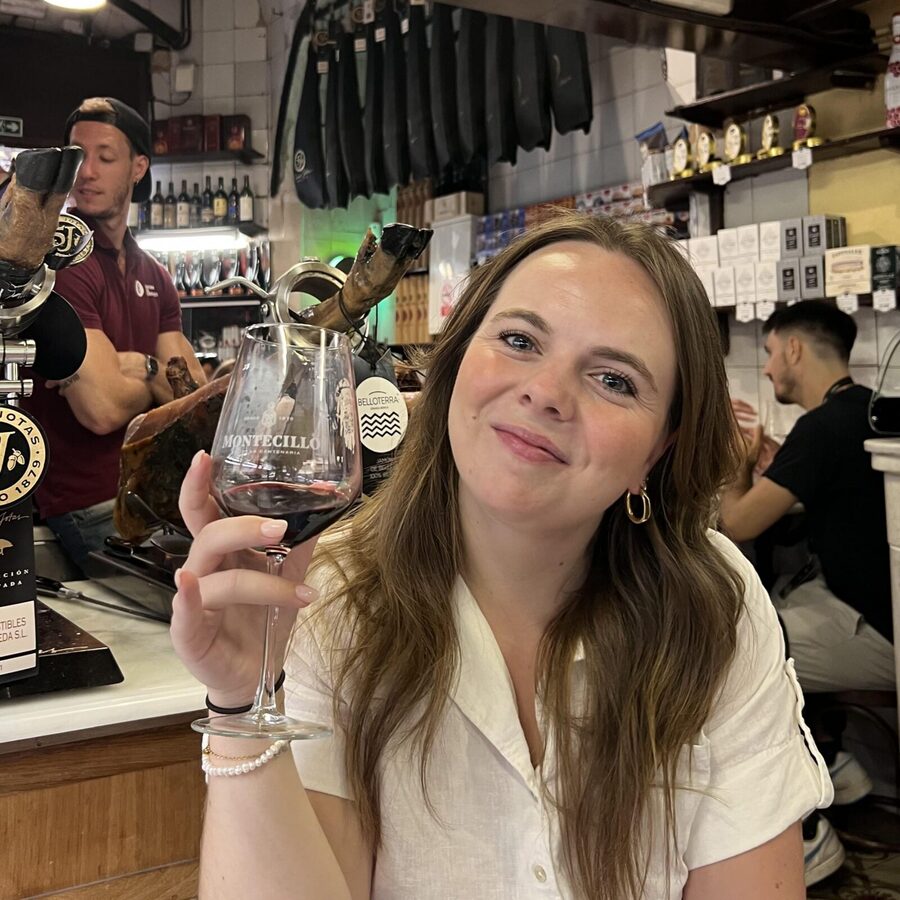
I like this tour because it avoids the usual problem with food tours: too much standing around, too little eating. Here, the route is broken into four short walks of roughly 10 minutes, followed by proper food and wine stops. You get a taste of the neighborhoods without spending the whole afternoon marching from one address to another.
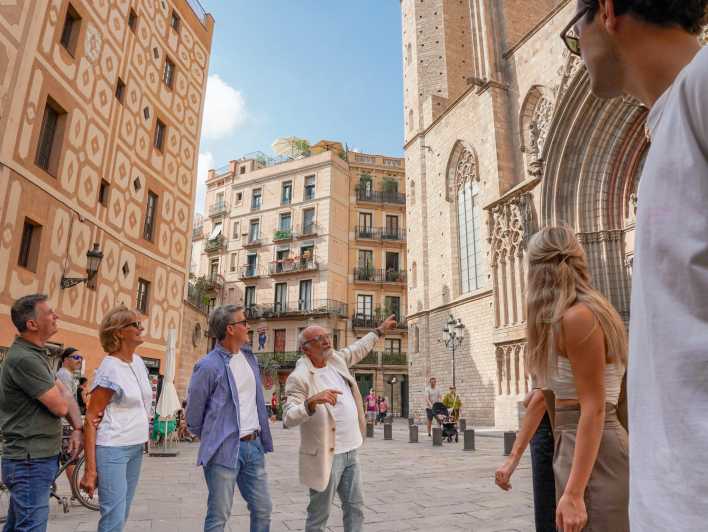
The setting matters. The Gothic Quarter is Barcelona’s oldest central district, with narrow streets, old stone buildings, churches, small squares, and layers of Roman and medieval history. El Born brings a different mood, with its own mix of historic lanes, restaurants, bars, and local shops. The tour uses both areas as part of the experience rather than treating them as scenery between restaurants.
Your guide explains what you are seeing along the way. That can include architectural details, local customs, food traditions, and small points you might miss while walking alone. Pauleena, for example, was especially helpful with cathedral information, while other guides have offered suggestions for what to do later in the Gothic Quarter and El Born.
I would schedule this early in your Barcelona visit. You get a meal, a neighborhood orientation, and a list of places you may want to revisit. One participant even returned to a restaurant after trying whole sardines there on the tour.
More Tapas & Food Tours in Barcelona
- Montserrat Half-Day Tour with Tapas and Gourmet Wines
★ 5.0 · 7,359 reviews - Montserrat & Cogwheel Train, Gourmet Wine Tasting & Tapas/Lunch
★ 5.0 · 6,290 reviews - Barcelona Tapas and Wine Experience Small-Group Walking Tour
★ 5.0 · 5,804 reviews
Starting points and the first stroll
The meeting location depends on the option you book. The listed starting points are Casa Beethoven, Plaça de Sant Jaume 6, and Pans & Company. Check your confirmation carefully, since turning up at the wrong one could create a needless scramble before the food begins.
Once the group meets, you set off on foot. There is no coach or other transport between stops. That is good news for anyone who wants to understand the layout of the old center, though you should be comfortable walking on city streets and keeping up with a group.
The first walk is about 10 minutes. It is short enough for most people, and it gives the guide time to explain the plan, introduce the group, and point out details in the surrounding streets. The social side begins early. Solo visitors have found it easy to talk with other people because the meal structure puts everyone around shared tables.
This is a hosted group experience, not a private culinary lesson. That means the tone can depend on the people booked that day. The upside is meeting people from different countries and age groups. The downside is that a large or quiet group can make conversation less lively.
Stop one: your first taste of Spanish bar food
The first restaurant stop lasts about 30 minutes. You receive a wine tasting and food tasting, with the precise dishes depending on the day and venue.
The opening stop is useful because it sets up the rest of the meal. You begin with familiar Spanish ingredients such as Iberian ham and cheeses from different parts of Spain, then start to see how simple products become tapas when served in the right setting. The guide explains what you are eating rather than dropping plates on the table without context.
I would not expect a formal wine class here. You receive one of the four included glasses, and the focus is on pairing food with local wine and learning what you enjoy. Some outings have included cava as well as wine, and the tastings can cover more than one style of Spanish drinking culture.
The 30-minute timing keeps the stop moving. You have time to eat and talk, but not enough for a long, leisurely restaurant meal. That rhythm is repeated across the tour, so you should think of the experience as a series of well-paced introductions rather than four full dinners.
Stop two: classic tapas and neighborhood character
After another short walk, the second restaurant stop lasts about 40 minutes. This is where classic tapas flavors may take center stage, including spicy patatas bravas, fried anchovies, and other small dishes linked to Spanish bar culture.
Patatas bravas are a good example of why a guide adds value. The dish sounds simple, but the sauce, texture, and preparation can vary widely. A local guide can explain what makes the version in front of you distinctive, while the setting helps you see how the dish fits into everyday Barcelona eating.
Fried anchovies have also appeared on the route, along with seafood such as octopus and whole sardines. These are the kinds of foods you might skip when ordering alone, especially if you are unfamiliar with the menu. A tasting format lets you try them in a low-risk way, and the shared table makes the experience less awkward.
This stop also shows the tour’s balance. You are not only eating famous Spanish products in a polished dining room. You may also visit a more casual bar where the appeal comes from local atmosphere and straightforward food. That mix gives you a better sense of how people eat across different kinds of places.
More tapas and food tours in Barcelona:
- Montserrat with Black Madonna & Medieval Winery with Tapas/Lunch
★ 5.0 · 5,209 reviews - Barcelona: Montserrat and Winery Tour with Tapas or Lunch
★ 4.8 · 4,695 reviews - Barcelona: Tapas Walking Tour with Food, Wine, and History
★ 4.8 · 4,261 reviews - Barcelona Paella Cooking Class with Market Visit, Tapas & Sangria
★ 5.0 · 2,531 reviews
Stop three: four wine pours and a full meal’s worth of food
The third tasting stop is scheduled for about 40 minutes. By this point, the tour becomes a serious meal. The full route includes nine tapas in total, so do not plan a large lunch immediately beforehand.
The food can cover a broad range of Spanish and Catalan flavors. Iberian ham, cheeses, seafood, vegetables, fried dishes, and regional specialties may all appear. The exact menu can change, which is normal for a food tour and allows the stops to work with what they are serving that day.
The four included glasses of wine are spread through the meal. That is enough to compare the drinks with different dishes, but it is also enough that you should pace yourself. You are walking between stops, not sitting in one winery, so water and sensible eating matter.
One useful detail is the handling of dietary needs. Food allergies and restrictions have been accommodated, with guides translating requests at each bar and arranging substitutions. I would still communicate your needs before the tour and remind the guide at the start. Substitutions can vary, and no food tour should be treated as automatically safe without clear notice.
Families can also fit into the experience. A guide made the outing work for a group that included five-year-old twins, and another family brought a 12-year-old daughter who enjoyed the combination of food and local stories. The wine portion is for adults, but the overall format can suit mixed-age groups if children are comfortable walking and sitting through several tastings.
Stop four: dessert and a stronger finish
The fourth and final restaurant stop lasts about 40 minutes. Several outings have included dessert here, which gives the meal a proper finish rather than ending with another savory plate and a quick goodbye.
This last stop may also be the most polished venue. One group visited a Michelin-starred restaurant, and another described the tour as moving from corner pubs to a Michelin-rated setting. You should not assume every departure follows exactly the same sequence or includes the same restaurant, but the route is designed to show different sides of Barcelona’s food scene.
The higher-end setting helps explain part of the price. An $81 tour would be harder to justify if it only delivered four ordinary bar snacks and four drinks. The cost makes more sense when you include nine tastings, a full meal, guided neighborhood commentary, several venues, and the work involved in coordinating the group.
Still, I would keep your expectations realistic. This is not a Michelin tasting menu, and the tour is not built around long explanations from chefs. It is a social food walk with selected stops. If you mainly want a cheap dinner, you can spend less on your own. If you want help finding places, understanding dishes, and meeting people as you eat, the price is easier to defend.
The history between the plates
The food is the main attraction, but the walking commentary is what gives the tour its shape. Your guide talks about the Gothic Quarter and El Born while you move between restaurants, adding background to the streets and buildings around you.
The strongest guides combine facts with a relaxed delivery. Berta is repeatedly singled out for her warmth and ability to make people feel at ease. Angie is praised for energy, humor, and encouraging the group to mingle. Vincenzo has been described as especially engaging, while Dasha, Camilo, Rocco, Kyra, and others have also earned praise for clear local explanations.
Guide quality can never be guaranteed by name, since assignments change. Still, the pattern is clear: the best part of this experience depends heavily on the person leading it. A good guide keeps the history short enough that nobody misses the food, then adds practical suggestions you can use after the tour.
I like that the commentary can respond to your interests. One guide helped a participant locate Barcelona Cathedral and shared extra information about it. Another offered ideas for other sights in the two districts. You can ask questions, but remember that this is a food tour first. It gives you a useful introduction, not a complete history course.
Should you add the flamenco show?
At the end, you can choose to attend a traditional flamenco performance. The guide provides the details, escorts you to the entrance, and helps you purchase your ticket directly at the venue.
The show is not included in the $81 price. That matters when you compare the total cost with other evening plans. You should also treat the performance as a separate add-on rather than a guaranteed extension of the food tour.
The feedback on the flamenco portion is less consistent than the feedback on the food and guides. Some people found it excellent and strongly encouraged adding it. Another described it as only okay. I would make the decision based on your interest in flamenco, the extra ticket price, and your energy after nearly three hours of eating and walking.
If you have never seen flamenco and want a convenient evening plan, the add-on may be worthwhile. If you are mainly booking for tapas, you can skip it without losing the central experience.
Timing, comfort, and practical value
The advertised duration ranges from 135 minutes to three hours. The actual pace can depend on the group, the restaurant service, and the chosen departure. The stop schedule includes one 30-minute tasting and three 40-minute tastings, with short walks between them, so plan for a substantial part of your day.
Wear comfortable shoes. The route is on foot through old central streets, and the experience works best when you can focus on the buildings and food rather than sore feet. The activity is listed as wheelchair accessible, but the meeting point and route can vary by booking option, so confirm the details if you need specific access arrangements.
The tour is conducted in English with a live guide. If you want a Spanish-language food tour, this is not the right match based on the available information.
Free cancellation is available up to 24 hours before the tour, and you can reserve now while paying later. Those terms are useful if your Barcelona schedule is still shifting, but check the conditions attached to your selected departure when booking.
Who will enjoy this tour most?
I would recommend it to first-time visitors who want an easy introduction to two central districts. It is also a good choice for solo visitors, couples, and small groups who enjoy sharing food and talking with new people.
Food-curious eaters will get the most from it. The route can include dishes you might not order alone, such as fried anchovies, octopus, or whole sardines. You also get a practical list of places and foods to seek out later.
Families can join, especially with older children who enjoy trying new dishes. The wine makes the tour more adult-oriented, though children have been included successfully.
I would skip it if you prefer independent restaurant research, dislike group dining, or want a quiet wine tasting with detailed technical instruction. I would also think twice if $81 feels high for a meal, since the value rests partly on the guide, the route, and the social experience, not only on the food itself.
My verdict on the Barcelona wine and tapas walk
This is a strong choice when you want your first evening or afternoon in Barcelona to do several jobs at once. You eat a full meal, see the Gothic Quarter and El Born on foot, learn about local customs, and get practical ideas for the rest of your stay.
The food is plentiful, the four stops provide variety, and the guides usually bring the warmth that makes a group tour feel less formal. I especially like the mix of casual bars and more refined venues, plus the chance to try seafood and regional products you might otherwise overlook.
Book it if you value context and company as much as dinner. Skip it if you want the lowest-cost meal or a precise restaurant itinerary with guaranteed dishes. For most visitors who want a friendly, well-paced introduction to Barcelona’s old center, the combination of nine tapas, four glasses of wine, and local storytelling makes this a worthwhile splurge.
FAQ
How much does the Barcelona wine and tapas tour cost?
The listed price is $81 per person.
How long does the tour last?
The duration is listed as 135 minutes to three hours. Starting times vary, so check availability for your chosen option.
How many tapas are included?
The tour includes nine tapas tastings, which are described as enough food for a full meal.
How many glasses of wine are included?
Four glasses of wine are included. Some tastings may also involve cava, depending on the food stops.
How many tapas bars do you visit?
You visit four local tapas bars during the walking tour.
What areas of Barcelona does the tour cover?
The route takes you through El Born and the Gothic Quarter, two of the oldest central areas of Barcelona.
Is the tour offered in English?
Yes. The activity includes a live English-speaking guide.
Is the flamenco show included?
No. The flamenco performance is optional, and you must buy the ticket directly at the venue. Your guide provides information, escorts you to the entrance, and helps you get the ticket.
More Drinking Tours in Barcelona
- Barcelona: Unique Sunset Sailing Tour with Tapas & Open Bar
★ 4.7 · 959 reviews - Barcelona Sailing: Light Snacks & Open Bar with Private Option
★ 5.0 · 874 reviews - Barcelona Sensational Sunset Tour with Open Bar and Snacks
★ 5.0 · 681 reviews - Barcelona Sunset Cruise with Light Snacks and Open Bar
★ 5.0 · 476 reviews
Recently added in Barcelona
- Barcelona: Luxury Private Yacht Daytime Cruise★ 4.9 · 298 reviews
- Barcelona: Sunset Sailboat Cruise with Drinks and Snacks★ 4.9 · 299 reviews
- Barcelona: Wine Tasting and Tapas 5-Course Pairing Dinner★ 4.8 · 300 reviews
- Barcelona: Gran Gala Flamenco Show Entry Ticket★ 4.6 · 303 reviews
- Barcelona Highlights & Hidden Gems Private Tour★ 5.0 · 304 reviews
- Girona and Figueres Full-Day Tour with Hotel Pick Up★ 4.8 · 304 reviews
- Spanish Wine and Tapas Tour in a Local Neighborhood in Barcelona★ 5.0 · 306 reviews
- From Barcelona: Tossa de Mar Day Tour with Beach Time★ 4.9 · 306 reviews
Tapas & Food Tours, compared.
Montserrat & Cogwheel Train, Gourmet Wine Tasting & Tapas/Lunch
Read the review →
Barcelona Tapas and Wine Experience Small-Group Walking Tour
Read the review →
Montserrat with Black Madonna & Medieval Winery with Tapas/Lunch
Read the review →
Montserrat and Winery Tour with Tapas or Lunch
Read the review →
Tapas Walking Tour with Food, Wine, and History
Read the review →
Sevilla Food Tour: Tapas, Wine, History & Traditions
Read the review →
Valencia Old Town Tour with Wine & Tapas in 11th Century Historic Monument
Read the review →
Barcelona Paella Cooking Class with Market Visit, Tapas & Sangria
Read the review →Browse the lists this tour appears in