
Reviewed · HISTORICAL TOURS
Albayzín y Sacromonte, Unesco Heritage Neighborhoods
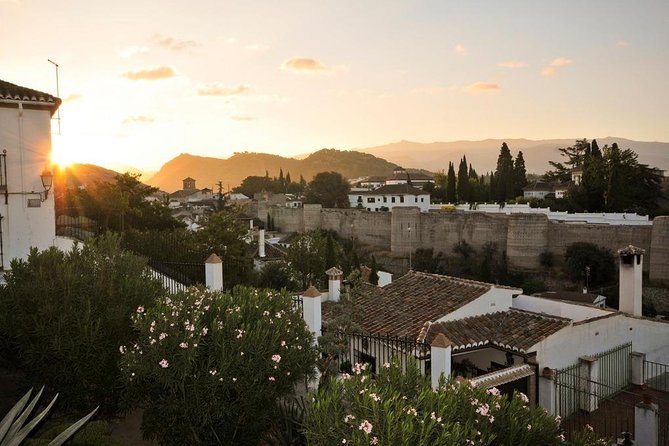
Granada’s most memorable walk may be the one that takes you away from the Alhambra itself. This tour winds through the Albaycín and Sacromonte, two hilltop districts where Muslim Granada, Christian Granada, cave homes, flamenco, and everyday neighborhood life meet.
I like that a guide handles the confusing lanes, and I like the generous time for views and photographs. The main catch is the terrain: expect inclines, stairs, and uneven cobblestones, so comfortable shoes matter.
- Albaycín’s old Muslim quarter: Follow narrow lanes past cisterns, former mosque sites, churches, mansions, and Granada’s distinctive garden homes.
- Sacromonte’s cave district: See the hillside setting associated with Granada’s Roma community, flamenco artists, and traditional zambras.
- Alhambra viewpoints: San Nicolás and San Cristóbal provide some of the tour’s best views toward the palace and Sierra Nevada.
- A small group: The maximum group size is 15, which should make it easier to hear the guide in tight streets.
- A useful evening start: The 5 pm departure gives you cooler light than a midday hill walk, though sunset conditions vary by season.
- Good value for a walking introduction: At $21.78, the price covers an official tourism guide and about two and a half hours of guided sightseeing, but not food or monument tickets.
Why Granada’s Hills Matter More Than Another City Walk
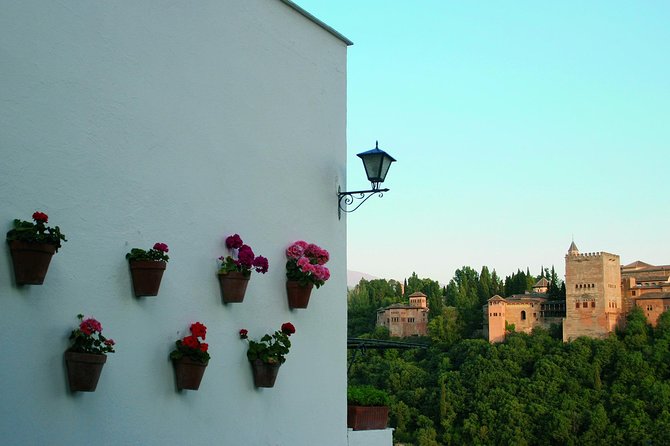
The Albaycín is not simply a pretty quarter to photograph. It is one of the old centers of Muslim Granada, connected historically with the Alhambra, Realejo, and the former Arrabal de Bib-Arrambla.
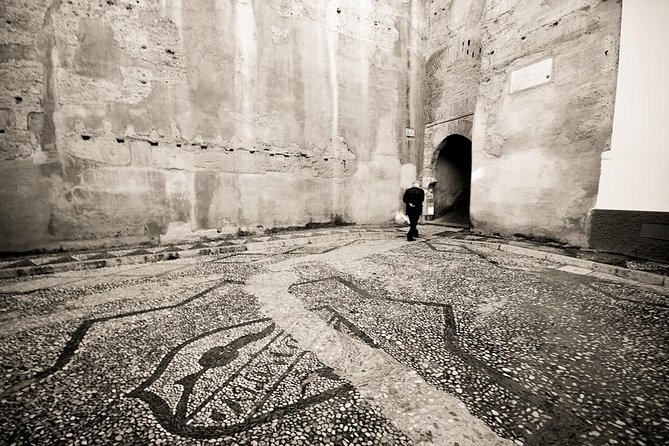
At its height, the Albaycín held around 40,000 people and about 30 mosques. You will not see that medieval city intact, but its shape survives in the winding streets, enclosed squares, water cisterns, old walls, and fragments of Islamic buildings.
I find that a guide adds real value here. On your own, you can admire the whitewashed walls and pretty lanes, but it is easy to miss why a plain-looking arch, tower, or underground tank matters. The district is famous for being easy to lose your way in, and the guide takes care of the route while explaining what you are seeing.
This is also a walk through a living neighborhood, not a museum arranged for visitors. The streets can feel quiet, domestic, and slightly untidy in the best possible way. You get historic monuments, but you also see the texture of ordinary Granada life.
Starting at Plaza de Santa Ana at 5 pm
The meeting point is Plaza de Santa Ana, near the center of Granada. The start time is 5 pm, and the tour ends in Albaicín rather than returning to the original meeting point.
That ending matters. You should plan your evening around finishing uphill in the Albaycín. The tour does not include a meal or drinks, and it does not include entry to monuments, so bring water and think ahead about where you want to eat afterward.
The group can include up to 15 people. That is not a private tour, but it is small enough to keep the guide within earshot most of the time. In a district filled with narrow lanes and small plazas, a limited group is far more practical than a large crowd.
The tour is offered in English. Guides named in the available feedback include Ana, Jaime, Juana, and Alexandra. The exact guide depends on the date, but the strongest descriptions point to a clear, engaging approach that combines local stories with the broad relationship between Muslim and Christian Granada.
More historic sites in Granada:
- Segway Your Way Through Granada’s History: The Ultimate Ride
★ 5.0 · 334 reviews - Madrid Essential: Historic Center, Plaza Mayor & Royal Palace
★ 5.0 · 6,416 reviews - Barcelona: Tapas Walking Tour with Food, Wine, and History
★ 4.8 · 4,261 reviews
Albaycín Walls and the Old Muslim Quarter
The first major section takes about an hour and centers on the Murallas del Albayzín, or the old walls of the Albaycín.
The name covers more than a wall. This part of Granada is a maze of sloping lanes, stairways, small squares, and white homes. Some streets are narrow enough that the buildings seem to lean toward one another. Others open suddenly into bright, quiet plazas.
As you walk, the guide may point out remnants of mosques, minarets, Spanish-Muslim cisterns, churches, palaces, and mansions. The religious buildings are especially useful for understanding Granada’s changes over time. Islamic structures and Christian buildings occupy the same district, sometimes with the older traces easy to miss unless someone shows you what to look for.
The old cisterns are another fine detail. In a city shaped by Muslim engineering, water storage was part of daily life, not an afterthought. A small architectural feature can tell you more about how the neighborhood worked than a grand façade alone.
Cármenes, Towers, and Streets That Refuse to Behave
One of the Albaycín’s special features is the carmen, a Granada house built around a garden or orchard. These homes often keep their green spaces behind plain walls, so you may see little from the street. Mudejar towers add another local touch, blending Islamic design traditions with later Christian architecture.
This is where the guide earns the modest ticket price. The walk is not just a series of photo stops. It connects house styles, religious change, water systems, street patterns, and views into a readable story.
You should not expect a flat stroll. The route goes up and down, with hills and stairs that several people describe as manageable but noticeable. I would call it a moderate city walk rather than a strenuous hike. Still, anyone who dislikes steep streets should take the terrain seriously.
Wear shoes with a good grip. A smooth sole is a poor match for old cobblestones and steps. You may also want to carry only what you need, since a heavy bag becomes annoying on an uphill route.
San Nicolás and San Cristóbal: The Big View Stops
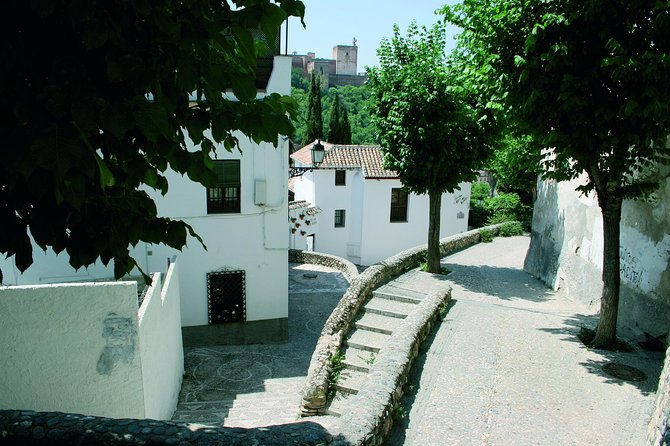
The Albaycín is home to the viewpoints of San Nicolás and San Cristóbal, both known for views toward Granada and the Alhambra. These stops give the walk its visual payoff.
From the hill, the Alhambra appears across the valley, framed by the city and the distant Sierra Nevada. The view is especially appealing because you are not looking at the Alhambra from inside its grounds. You are seeing it as part of Granada’s wider setting, with the old quarter in the foreground and mountains beyond.
The 5 pm start can work well for changing afternoon and evening light. I would not promise a sunset on every date, since the time of year controls that, but the schedule gives you a reasonable chance of reaching the viewpoints during attractive late-day light.
The pace appears to leave room for photographs rather than forcing you through each stop. That matters at San Nicolás, where you may want time to frame the Alhambra, the roofs of the Albaycín, and the mountain horizon. One bit of practical group etiquette: avoid blocking the view with a selfie stick or standing directly in front of people who are already taking pictures.
A few other Granada outings to compare
- Granada: Alhambra & Nasrid Palaces Tour with Tickets
★ 4.7 · 19,801 reviews - Granada: Alhambra and Nasrid Palaces Entry Ticket
★ 4.6 · 15,130 reviews - Granada: Alhambra & Generalife Fast-Track Guided Tour
★ 4.7 · 8,313 reviews - Granada: Alhambra & Gardens Tour w/Nasrid Palaces Option
★ 4.5 · 6,437 reviews
Sacromonte and the Cave Homes
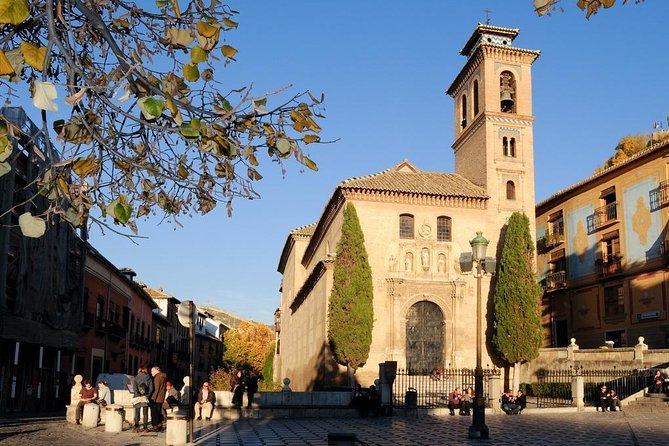
The second section takes about 45 minutes and moves into Sacromonte, the traditional Roma suburb of Granada.
Sacromonte has a very different feel from the Albaycín. The hill is dry and reddish, with pitas and prickly pears, and the caves are cut into slopes around ravines. Groups of caves form their own rough streets, creating a neighborhood unlike the regular blocks below.
These homes have traditionally used a simple interior plan. The kitchen is near the entrance, beside the dining area, with one or two bedrooms farther in, depending on the space available. That detail helps you picture the caves as homes shaped by practical needs, not as theatrical curiosities.
For centuries, the caves have been linked with Roma families, bohemians, and flamenco artists. Their cultural identity is also connected with Caló, the language associated with Granada’s Roma community. The area’s famous zambras express that tradition through flamenco performance, though this walking tour does not include a flamenco show.
That distinction is important. You are seeing the setting and learning about the culture, not buying an evening entertainment package. If you want a zambra later, you would need to arrange that separately.
The Views Across Valparaíso Valley
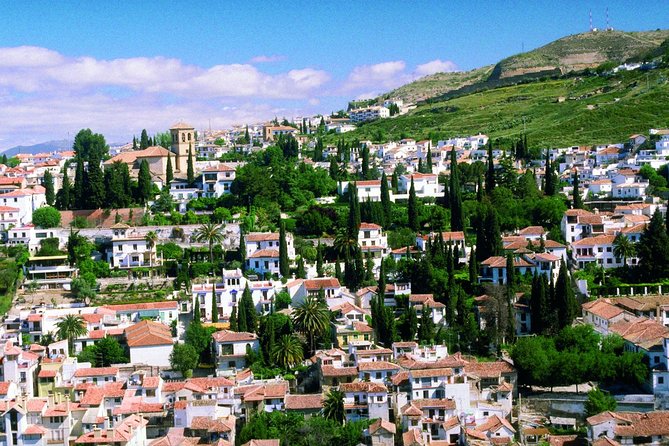
Sacromonte gives you another perspective on Granada. From the dry hillside, you can look toward the Alhambra towers, the white homes of the Albaycín, and the green Valparaíso Valley below, where the Darro runs.
The contrast is what makes the route work. Albaycín gives you tight lanes, shaded courtyards, and old urban walls. Sacromonte opens outward across hills, ravines, caves, and mountain views.
You should bring a camera, but do not let the view stops become the whole point. The most useful part of the walk is the link between the districts. You see how Granada’s Muslim past, Christian changes, Roma culture, and hilltop neighborhoods fit together in one compact part of the city.
What the $21.78 Price Gets You
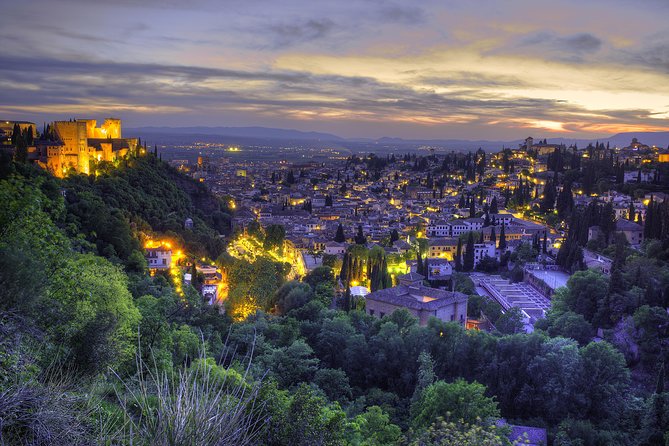
At $21.78 per person, this is a reasonably priced guided introduction to two complicated districts. You receive an official tourism guide and about 2 hours and 30 minutes of walking.
The value comes from navigation and explanation. The Albaycín’s twisting streets are enjoyable when you understand where you are going, but frustrating when you do not. A guide also helps turn easy-to-miss remains into meaningful stops.
The price does not include monument admission. That is not a major problem if your goal is to explore streets, viewpoints, walls, and the cave district. You should simply avoid booking this as a substitute for paid entry to the Alhambra or other Granada monuments.
Food and drinks are also separate. Since the tour ends in the Albaicín, you can arrange dinner afterward, but the experience itself does not build in a food stop.
The tour is commonly booked about 33 days ahead. That suggests you should reserve early if your Granada dates are fixed, especially if you want the 5 pm departure.
The Main Weakness: Meeting-Point Reliability
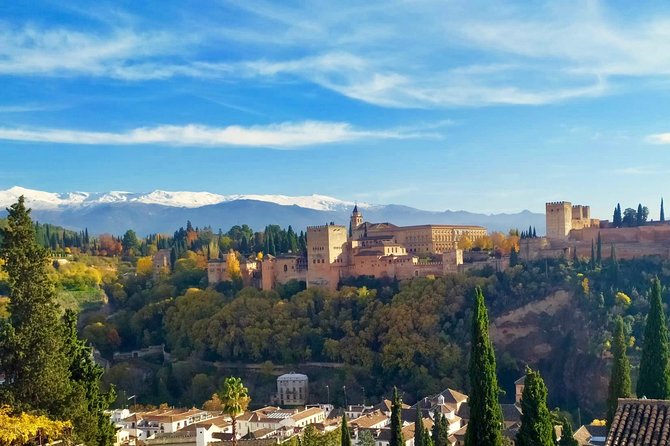
Most of the available ratings are positive, with a 4.8 score and 95 percent recommending the experience. The praise centers on the route, the views, and guides such as Ana, Jaime, Juana, and Alexandra.
There is one serious concern, however. Several people reported that no guide appeared at the meeting point. In those cases, the issue may have been confusion, but the result was the same: a missed tour and difficulty reaching the provider.
I would handle this carefully. Confirm the exact Plaza de Santa Ana location before the day, arrive early, and keep the booking confirmation available. If the guide is not there at the stated start time, contact the provider promptly rather than wandering off. The provider has asked people with this problem to write to [email protected].
This is not enough to outweigh the strong overall score, but it is too specific to ignore. A walking tour depends on a simple handoff at the start, and that handoff needs to work.
Who Will Like This Walk Most
I recommend this tour if you want context before exploring Granada on your own. It is especially useful for a first visit, when the Albaycín’s street plan and Sacromonte’s setting can seem confusing.
You will likely enjoy it if you like:
- Historic neighborhoods more than formal indoor museums
- Short walks with frequent views and photo stops
- Stories about Muslim and Christian Granada
- Local architecture, old water systems, and unusual homes
- A guide-led route through streets that are easy to misread
I would be cautious if steep streets, stairs, or uneven paving are difficult for you. The information says most people can participate, but the walk is not flat and should not be treated like an easy pavement tour.
It is also not the right choice if you want extended monument visits, a flamenco performance, or a meal. This is a neighborhood walk, with history and views doing the heavy lifting.
Should You Book the Albaycín and Sacromonte Tour?
I would book it for $21.78 if you want a practical introduction to Granada’s two most distinctive hill districts. The combination of guided navigation, old Muslim remains, cármenes, cave homes, Alhambra views, and Sierra Nevada scenery gives you a lot for two and a half hours.
Book it early, arrive at Plaza de Santa Ana with the meeting details ready, and wear shoes suited to hills and stairs. If you prefer to wander alone and stop often for food or shopping, explore independently instead. If you want the city’s complicated past explained while you walk, this is a strong choice, with the meeting-point concern worth handling carefully.
FAQ
Where does the tour start?
The tour starts at Plaza de Santa Ana, listed as Pl. de Sta. Ana in Granada, Spain.
What time does the tour begin?
The scheduled start time is 5 pm.
Where does the tour end?
The tour ends in Albaicín, Granada.
How long does the tour last?
The visit lasts about 2 hours and 30 minutes, with the overall duration described as approximately 2 to 3 hours.
Which neighborhoods does the tour visit?
It visits Albaycín and Sacromonte, two historic districts of Granada.
Is the tour offered in English?
Yes. English is the available tour language.
What is included in the price?
The price includes an official tourism guide and approximately 2 hours and 30 minutes of guided sightseeing.
Are monument tickets included?
No. Tickets for monuments are not included.
Are food and drinks included?
No. Food and drinks are not included.
How many people can join the tour?
The tour has a maximum group size of 15 people.
Is the walk difficult?
The route includes hills, inclines, stairs, and cobblestone streets. Most people can participate, but you should be prepared for an uphill neighborhood walk.
Can I cancel for a full refund?
Yes. You can cancel at least 24 hours before the local start time for a full refund. Changes or cancellations made less than 24 hours before the start time are not accepted for a refund.
Recently added in Granada
- Granada City Center and Albaicin Private Tour★ 5.0 · 181 reviews
- Alhambra & Generalife Tour including Transport & Admission★ 4.3 · 187 reviews
- Granada full day: La alhambra completa + el Albaicin y Sacromonte★ 5.0 · 188 reviews
- Alhambra, Nasrid Palaces, Generalife & Alcazaba Private Tour★ 5.0 · 190 reviews
- Private Tour to The Alhambra with Nasrid Palaces in Granada★ 5.0 · 192 reviews
- Granada: Albaicin and Sacromonte Private Tour★ 5.0 · 197 reviews
- Zooming Through Granada: A Fun-Filled Electric Bike Tour★ 4.5 · 201 reviews
- Granada: Moorish Monuments Entrance Tickets★ 3.7 · 203 reviews
Historical Tours, compared.
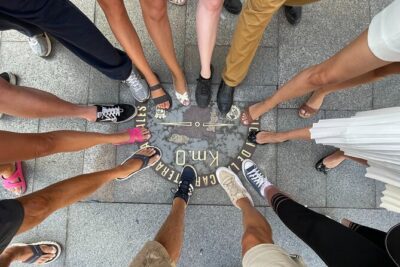
Madrid Essential: Historic Center, Plaza Mayor & Royal Palace
Read the review →
Tapas Walking Tour with Food, Wine, and History
Read the review →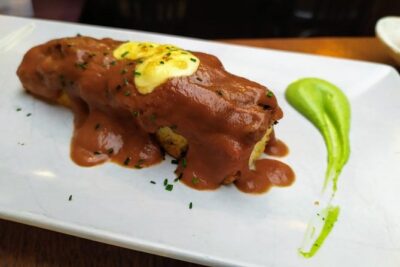
Sevilla Food Tour: Tapas, Wine, History & Traditions
Read the review →
Valencia Old Town Tour with Wine & Tapas in 11th Century Historic Monument
Read the review →
Barcelona Tapas Walking Tour: Food, Wine & History
Read the review →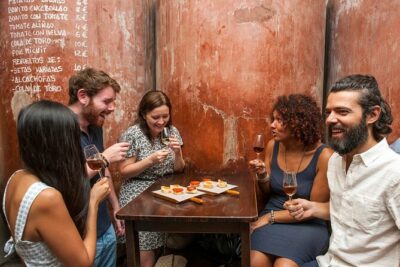
Ultimate Seville Tapas, Wine & History Small Group Tour
Read the review →
Skip-the-Line Great Mosque-Cathedral History Tour
Read the review →
Browse the lists this tour appears in