
Reviewed · GRAN CANARIA TOURS
Guided tour of the Banana World
Gran Canaria’s banana story is more interesting than it first sounds. At Banana World in Trasmontaña, you walk through a working farm, learn how the fruit is grown, and visit a carefully restored Canarian house from 1804 that now holds an interpretation center and shop. The tasting at the end adds a playful finish, with banana wines, jams, and small snacks.
I like the way the tour connects everyday food with local farming, rather than treating the plantation as a quick photo stop. I also like the price: at about $18.14 per person, you get a guided visit, tastings, and parking without giving up half a day. The main caution is group size. The maximum is 40 people, and a full group can make it hard to hear the guide or see every plant being discussed.
Key points to know before you go
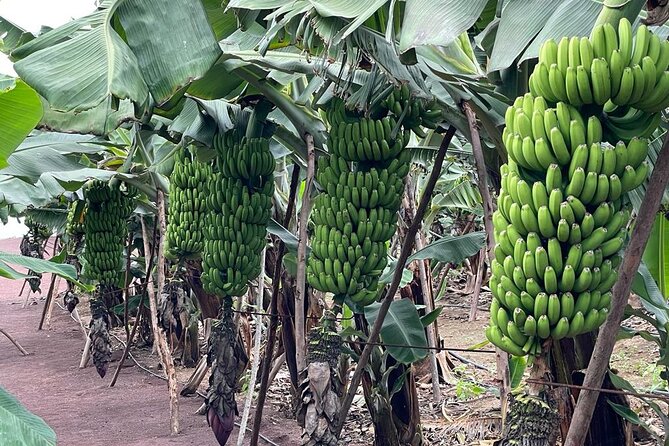
- A working banana farm: Learn how bananas are planted, cared for, and harvested in the Canary Islands.
- An 1804 Canarian house: The restored building contains the interpretation center and the product shop.
- Banana tastings included: Try banana-based wines, jams, montaditos, and other island products.
- English-language guiding: Guides named in the tour feedback include Dani, Fatima, John, Ismael, Ion, Maria, Steven, and JC.
- Short and easy to fit in: Plan on roughly 50 minutes to one hour, with time afterward for the shop.
- Check the arrival point carefully: Go inside the shop or entrance area to register instead of waiting at the map pin or outside meeting point.
What the Banana World visit is really about
This is not a large museum with a long list of galleries. It is a compact farm visit built around one crop. That is part of its appeal. You get a simple look at how bananas are grown, then see how the fruit is used in local food, drinks, and cosmetics.
The tour begins in Trasmontaña, near Arucas, at Cam. del Laurel. The booking information gives number 7, while practical directions identify the building as number 10. Because the meeting instructions have caused confusion, I would head straight for the plantation entrance and shop, then check in there. Do not stand outside waiting for a guide or rely only on the map pin.
The visit normally takes 50 minutes to an hour, although one tour lasted about 40 minutes. That makes it easy to pair with another stop around Arucas or Las Palmas, but it is still worth allowing extra time for the tasting and shopping. The guided section is short enough for children, and the experience has worked well for families, including a three-year-old and a nine-year-old.
A few other Gran Canaria outings to compare
- Maspalomas: Guided Camel Ride in the Maspalomas Sand Dunes
★ 4.4 · 3,690 reviews - Gran Canaria Guided Buggy Tour
★ 4.7 · 1,743 reviews - Gran Canaria: Rural Villages Guided Sightseeing Tour
★ 4.6 · 544 reviews
Walking among the banana plants
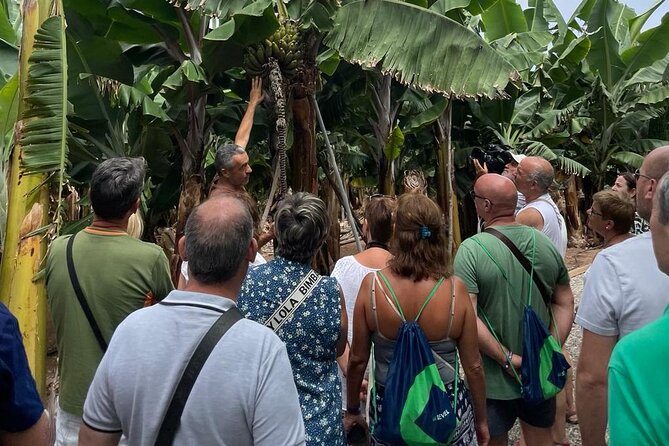
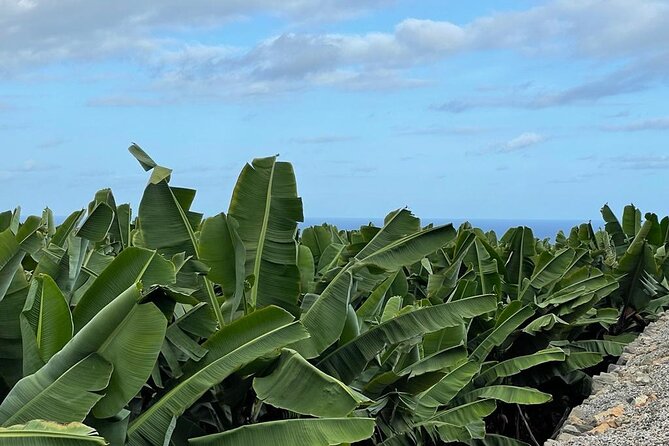
The heart of the visit is the farm walk. Your guide explains how bananas are cultivated and points out details that are easy to miss when you simply pass a plantation by car. You learn about banana plants, growing conditions, varieties, and the work that goes into producing the fruit.
The tour is especially useful if you know bananas only from the supermarket. The guides explain the plant itself and the cultivation process in clear, lively English. John has been praised for sharing a large amount of information about banana plants and growing, while Ion was noted for his humor and excellent English. Dani, Fatima, Maria, Steven, Ismael, and JC have also led visits described as friendly, engaging, and informative.
The farm also gives you a chance to ask questions. That matters here because the subject is more practical than historical. You can ask about the plants in front of you rather than simply listen to a prepared speech. Several guides make a point of checking whether the group has extra questions.
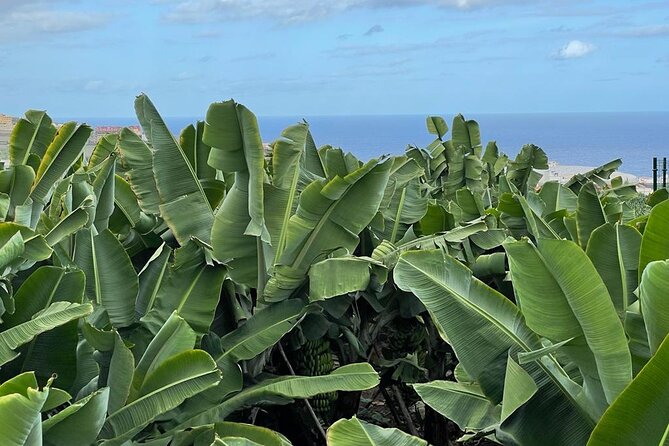
The views around the property add to the pleasure. The plantation is not only an agricultural stop, and the setting gives you a good reason to slow down and look around. Still, keep your expectations in line with the format. You walk through a small portion of the plantation with the guide, then may have access to more of the grounds on your own. This is an introduction to banana farming, not a long agricultural trek.
Inside the restored 1804 Canarian house
The old house is the visit’s most distinctive feature. Built in 1804, it has been restored according to its original architecture and now serves as the interpretation center. The building gives the tour a sense of place that a modern visitor center would not provide.
Inside, the story shifts from the plants to the wider role of bananas. The displays help explain where bananas come from and how they are grown in the Canary Islands. The setting also gives you a glimpse of traditional Canarian architecture, adding a cultural layer to what could otherwise be a straightforward farm talk.
I would have liked to see even more background on banana cultivation in the Canary Islands. The tour is strong on how bananas grow, but the historical side can feel lighter than the agricultural side. If your main interest is local history, the house may seem brief. If you enjoy seeing old buildings reused in a practical way, it is a worthwhile part of the visit.
The tasting: banana wine, jams, and unusual snacks
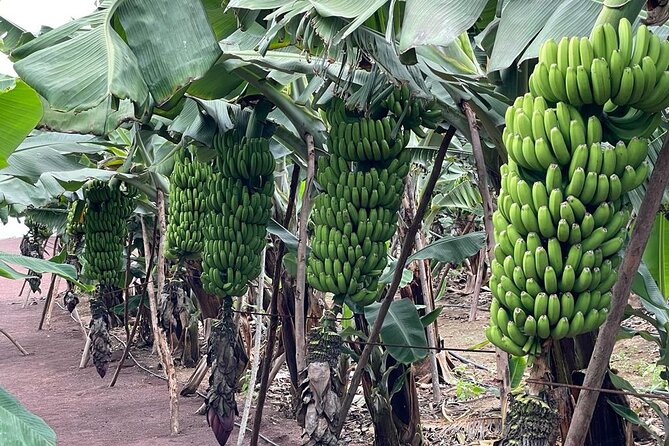
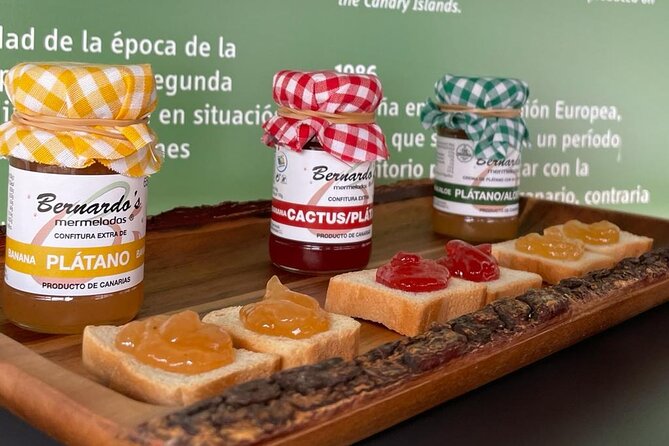
The tasting is included in the price and is one of the clearest reasons the tour offers good value. You are given different types of banana-based wine made in the Canary Islands, along with small snacks and montaditos.
The food selection can include:
- Banana jam
- Banana with cactus
- Banana with aloe vera
- Banana-based sauces and spreads
- Other artisan products made on the islands
The banana jam receives especially strong praise, and the tasting gives you a chance to try products you may not see elsewhere during your holiday. The banana wines are also a fun discovery. They may not replace your favorite local drink, but they make the visit more memorable and show how one crop can be used beyond the fruit bowl.
Coffee and tea are not included, so do not expect a full café service. The tasting is a small sampling, not lunch. That said, it is generous enough to turn the tour into more than a talk beside some plants.
The shop sells the same kind of island-made products you taste, including jams, banana liqueur, wines, and cosmetics such as banana-based hand cream. It is an easy place to find a small gift, particularly if you want something more connected to Gran Canaria than a standard souvenir.
A small practical point: if you see food or drinks set out before the tour begins, wait for the guide to explain what is included. One visitor misunderstood the display and was corrected sharply. The issue seems to have been poor communication, but it is best to ask before sampling anything.
Same city, a completely different evening:
- Poema del Mar Skip-the-Line Ticket
★ 4.8 · 3,856 reviews - Puerto de Mogán: Submarine Tour
★ 4.4 · 3,792 reviews - From Puerto Rico de Gran Canaria: Dolphin Watching Cruise
★ 4.3 · 2,520 reviews - Gran Canaria: Dolphin and Whale Watching Cruise
★ 4.3 · 1,855 reviews
How much value do you get for $18.14?
At about $18.14, this is a good-value short excursion. The price includes the guided farm visit, banana wine tastings, snacks, and parking. You are paying for an hour of clear explanation and a product tasting, not just admission to walk around a field.
The value improves if you enjoy food traditions, small museums, or working farms. It is also a sensible choice when you want something close to Las Palmas that does not require a full day. The shop and tasting give the visit a satisfying finish, and you can stay a little longer afterward if your schedule allows.
The value drops if you dislike group tours or want an extensive plantation walk. A group of up to 40 people can be too large for the space. One problem reported was not being able to hear or see the guide well when the group reached full size. The price remains modest, but a crowded presentation can make the experience feel less personal.
Group size and guide quality matter
The guides are a major part of the experience. The strongest visits have a warm, humorous presentation with plenty of time for questions. JC, Steven, Maria, Fatima, John, Dani, Ismael, Ion, and others have been singled out for being friendly, funny, enthusiastic, or well prepared.
That consistency is encouraging, but the tour can still vary depending on the person leading your group and the number of people present. With 40 people, stand near the guide and move into position quickly when the group stops. If you are short, a crowded group may make it hard to see the plant or demonstration being discussed.
The tour is conducted in English. That makes it a useful choice for English-speaking visitors who want more than a silent walk through a farm. The guides use humor and questions to keep the subject moving, which helps because banana cultivation can sound technical if presented too heavily.
Getting there from Las Palmas and the cruise port
Parking is included, and most people will find driving the simplest option. Private transportation is not included, so you need to arrange your own ride to Trasmontaña.
Public transport is possible, but it takes planning. From the cruise port in Las Palmas, you can walk to the outbound stop for the blue 210 bus, listed as GLOBAL L210 Arucas, near Ambulatorio de Alcaravanera. Ride to El Lomito, then walk about 10 to 15 minutes to the plantation entrance.
For the return, the 210 bus toward Las Palmas picks up across the street from the drop-off point. A single bus option can involve about a one-mile walk from the cruise port at one end, depending on where you board and finish. Another route uses Santa Catalina bus station, a connecting bus to Mesa y López, then the 210 to El Lomito.
Each bus ride costs about 1.50 euros and can be paid by card or cash. The roads and walking routes near the plantation are not ideal in every section, so allow more time than the tour length suggests. If you are visiting from a cruise ship, check the return bus times before starting. Service may not be frequent, and one public-transport visitor had little time to browse after the tour because of the schedule.
The tour ends back at the meeting point. It does not include a shuttle, taxi, or private transfer. For a relaxed visit, driving or arranging a taxi is easier than trying to squeeze the farm into a tight cruise schedule by bus.
Who will enjoy this short Gran Canaria experience?
I would recommend Banana World to families, food-minded visitors, and anyone curious about how local produce reaches the table. Children can follow the simple subject, and the tasting gives them something concrete to remember. The experience has suited young children as well as older adults.
It also works well for visitors staying in Las Palmas who want a short outing near Arucas. You get farming, architecture, views, and local products in one compact stop. The tour is accessible to most people, and the booking information says most participants can take part.
You may want to skip it if you expect a major museum, a long plantation hike, or a detailed account of Canarian agricultural history. The visit is brief and focused. Some people will find it fascinating, while others may see it as a fairly ordinary plantation tour with a tasting added.
Booking, timing, and cancellation details
The tour is offered with a mobile ticket and is conducted in English. It is often booked about eight days ahead, so reserve early if your dates are fixed, especially during a busy holiday period.
Free cancellation is available when you cancel at least 24 hours before the start time. Cancellations inside 24 hours are not refunded, and changes in that period are not accepted. The experience requires good weather. If poor weather causes a cancellation, you will be offered another date or a full refund.
Should you book Banana World?
Book it if you want a friendly, affordable look at Gran Canaria’s banana culture, with real farm access and a tasting that gives the subject some flavor. The restored 1804 house, the local products, and the short running time make it easy to fit into a wider day around Arucas or Las Palmas.
I would be more cautious if you are relying on public transport from a cruise ship, dislike crowded tours, or want a long walk through the entire plantation. Check the exact entrance, arrive ready to join the group inside the shop, and keep time free for the return bus.
For most visitors, the combination of useful farming information, personable guides, unusual tastings, and a price below $20 makes this a sensible small excursion. It is short, but it gives you a better understanding of a crop that is central to the islands than a quick supermarket purchase ever could.
FAQ
Where does the Banana World tour start?
The tour starts at Cam. del Laurel in Trasmontaña, Arucas, Gran Canaria. The supplied directions identify the entrance building as Cam. del Laurel, 10, while the booking information lists number 7. Go directly to the plantation entrance or shop to register.
How long does the tour last?
The tour lasts approximately 50 minutes to one hour. Some visits may finish in about 40 minutes, depending on the guide and group.
Is the tour offered in English?
Yes. English is the listed tour language.
What is included in the price?
The price includes the guided farm visit, tastings of banana-based wines, banana snacks and montaditos, and parking fees.
Are coffee and tea included?
No. Coffee and tea are not included in the tour.
Can I use public transportation to reach the plantation?
Yes. The blue 210 bus between Las Palmas and Arucas can take you to the El Lomito stop, followed by a walk of about 10 to 15 minutes to the plantation.
How large can the tour group be?
The maximum group size is 40 people. A full group may make it harder to hear or see the guide, so standing near the front is useful.
What is the cancellation policy?
You can cancel at least 24 hours before the start time for a full refund. Cancellations or changes made less than 24 hours before the start time are not refunded. If poor weather cancels the tour, you can choose another date or receive a full refund.
Recently added in Gran Canaria
- Sailing Trip and Snorkeling (max. 8 people)★ 5.0 · 181 reviews
- Via Ferrata in Gran Canaria. Vertical adventure park. Small groups★ 5.0 · 183 reviews
- Guided Tour at Ron Arehucas Distillery★ 4.5 · 192 reviews
- Afrikat Afternoon Cruise★ 4.5 · 195 reviews
- From Maspalomas: Volcanic Landscapes 4-Seater Buggy Tour★ 4.3 · 195 reviews
- Gran Canaria Maspalomas: Surf lessons all levels★ 5.0 · 197 reviews
- Gran Canaria: Guided Via Ferrata Excursion★ 4.9 · 198 reviews
- Las Palmas: Gran Canaria Guided Buggy Tour★ 4.5 · 205 reviews
Gran Canaria Tours, compared.


Guided Camel Ride in the Maspalomas Sand Dunes
Read the review →
From Puerto Rico de Gran Canaria: Dolphin Watching Cruise
Read the review →

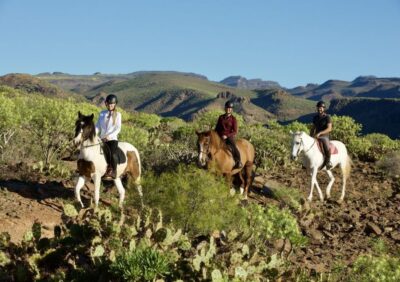
El Salobre: Horse Riding Adventure with Transfer Options
Read the review →
Palmitos Park Ticket with Dolphin and Bird Shows
Read the review →Browse the lists this tour appears in