
Reviewed · SCUBA DIVING
Beginners Scuba Diving Experience in Gran Canaria
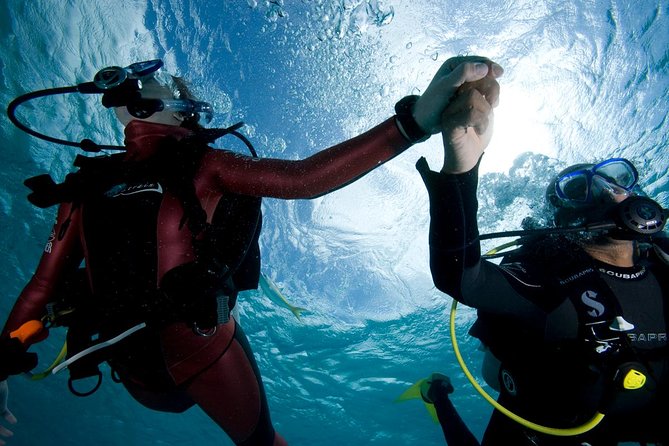
The best part of this first scuba experience is the moment breathing underwater stops feeling strange. You begin in shallow water, learn a few simple skills, then head to a reef where fish, crabs, sea cucumbers, and possibly a stingray replace the usual holiday view. I like the patient, safety-focused instruction, and I like that all equipment is supplied. The main caution is timing: one account found the session rushed, and the advertised Las Palmas location may not match the actual meeting area near Amadores or Puerto Rico.
Key points to know before you book
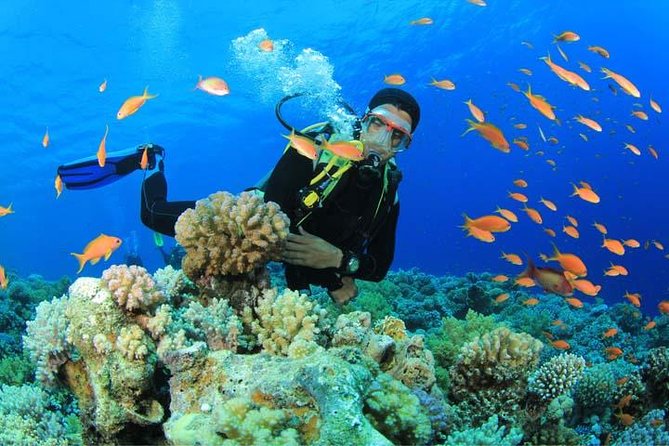
- A real underwater session, not just a pool demonstration: After practice in shallow water, you visit a reef and may reach roughly 8 to 11 metres.
- Instructors stay close: Chris, Kate, Keko, Jiles, Ari, Ailin, Jerry, and others are named in customer accounts, though your guide will depend on the day.
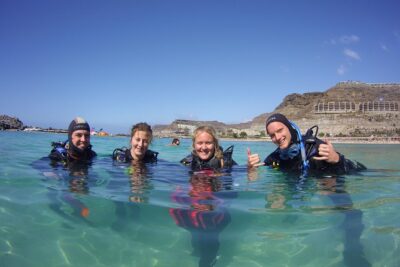
- Small groups help: The maximum group size is eight, with individual support during the first skills session.
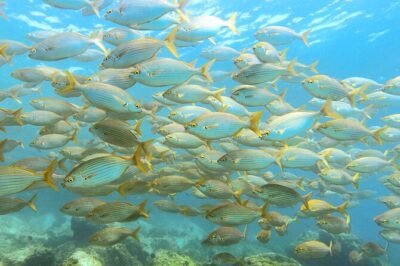
- Marine life is part of the reward: Fish, baby barracudas, crabs, sea cucumbers, anemones, and a large stingray have all been spotted.
- Check the location carefully: The booking details list Blue Water Diving, while practical accounts place the activity around Amadores Beach in Puerto de Mogán, south of Las Palmas.
- Plan around your flight: You should not scuba within 12 hours of flying.
What the two-hour session is really like
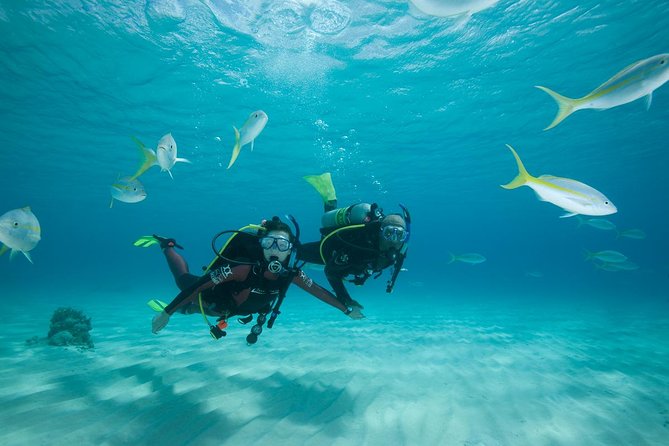
This is a Discover Scuba style experience. It is not a full certification course, and you do not need previous scuba experience. In roughly two hours, Blue Water Diving introduces you to the equipment, teaches basic underwater skills, and takes you to a nearby reef under close supervision.
You meet your instructor at the Blue Water Diving centre, complete the required paperwork, and sort out your equipment. The gear is included, so you only need swimwear and a sensible plan for getting dry afterward. One useful tip is to bring clothes that slip easily over a wet swimsuit, plus water for after the session.
The pace can vary with the group and the instructor. Many people are ready to continue once they have practised breathing underwater and clearing or adjusting their equipment. If you feel nervous, say so early. Several instructors, including Chris, Keko, Kate, and Jiles, are praised for staying calm and helping first-timers settle down.
That matters more than fancy scenery. Your first few minutes underwater can feel awkward. The regulator changes how you breathe, the mask changes how you see, and even simple hand signals require attention. A calm instructor gives you room to adjust instead of treating nerves as a problem.
More dive trips in Gran Canaria:
- Scuba Diving Experience for Beginners in Gran Canaria
★ 5.0 · 561 reviews - Gran Canaria: Try Scuba Diving for Beginners
★ 4.9 · 403 reviews - Tenerife: Beginners Scuba Dive Experience in Turtle Area
★ 4.6 · 1,347 reviews
Starting in shallow water
The first practical session takes place in shallow water, described in one account as the harbour area. You kneel on the harbour floor while learning to breathe through the regulator and practise basic skills. This is where you find out if you can relax underwater before moving on to the reef.
The instructor explains the hand signals and works through the basic procedures with you. You can expect close guidance, equipment checks, and simple exercises designed to make breathing feel normal. The aim is not to turn you into a certified scuba professional in one morning. It is to give you enough control to enjoy a supervised reef visit.
This is also the point where the experience can feel demanding. One person wanted more time in the shallow water but felt pushed to move on because the next group was due. That is a fair concern for a true beginner, especially if you have anxiety around water. The strongest practical advice I can give is to tell the instructor clearly that you need a slower start.
The group size helps, but it does not guarantee unlimited practice time. The maximum is eight participants, and some accounts describe one instructor staying beside each person during the underwater portion. Still, the session operates on a schedule, so arrive ready and speak up before the group leaves the shallow area.
Heading out to the reef
Once you are comfortable, you continue to the reef site. Some accounts describe taking a boat from the harbour to the location. The underwater portion has lasted just over 30 minutes for some participants, with reported depths of around 8 metres and 11 metres.
Those figures give you a useful sense of scale. This is not an extreme expedition or a technical session. You are going deep enough to feel properly surrounded by the sea, while remaining within the limits of a supervised first experience.
Your instructor manages the practical side while you concentrate on breathing, buoyancy, and looking around. You may move over reef and seabed terrain, watch shoals of fish, or spot individual creatures that are easy to miss from the surface. One instructor, Keko, was specifically praised for pointing out marine life that beginners might otherwise overlook.
Underwater time often feels short. You spend part of it adjusting to the equipment, and then the clock seems to speed up once you are comfortable. That is one reason to treat the session as an introduction rather than a complete picture of scuba. It can give you a taste of the activity, but you will need a formal course for independent scuba.
What you might see below the surface
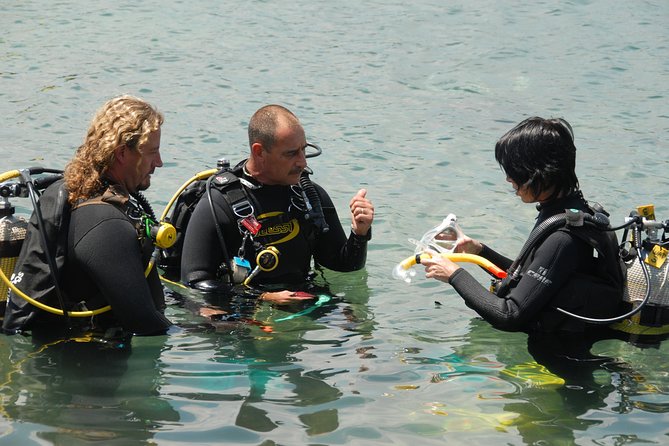
The marine life is a pleasant bonus, but the main attraction is the unusual sensation of moving and breathing underwater. You may see shoals of fish, baby barracudas, crabs, sea cucumbers, and anemones. A particularly memorable sight described by one participant was a stingray measuring about 2.5 metres, resting on the seabed before gliding away.
You should keep expectations sensible. No guide can promise a particular animal on a particular morning. One person hoped to see a seahorse and did not find one. Conditions, visibility, and animal behaviour all change.
The reef gives the session a purpose beyond learning equipment. You are not simply repeating exercises in shallow water. You are using those new skills in a natural setting, looking at the seabed and watching marine life move around you.
I also like that several accounts describe the experience as peaceful. For someone who dislikes being underwater, that calm can be the real reward. You do not need to identify every fish or take perfect photographs. Simply staying relaxed and breathing steadily is a worthwhile achievement.
A few other Gran Canaria outings to compare
- Poema del Mar Skip-the-Line Ticket
★ 4.8 · 3,856 reviews - Puerto de Mogán: Submarine Tour
★ 4.4 · 3,792 reviews - Maspalomas: Guided Camel Ride in the Maspalomas Sand Dunes
★ 4.4 · 3,690 reviews - Guided tour of the Banana World
★ 5.0 · 3,431 reviews
The instructors and sense of safety
Safety is the clearest strength of this experience. The instructor remains close, explains the procedures, and monitors you during the underwater session. Several people describe feeling protected throughout, including first-timers who arrived anxious.
Chris is praised for helping a nervous beginner regain control after an anxiety attack. Keko is credited with clear explanations and patient practice. Kate is mentioned for helping people feel relaxed, while Jiles received special thanks for taking extra time with a participant who was frightened. Other named staff include Ari, Ailin, Jerry, Jean, and Mark.
Staff can change, so do not book solely for one particular person. The useful point is that Blue Water Diving has a team familiar with first-time nerves. If you have had a bad water experience before, explain it during the introduction. One participant with a previous near-drowning scare felt able to continue because the instructors stayed attentive and patient.
That said, a safe experience also depends on honest communication. Complete the health questionnaire carefully. Conditions such as asthma or heart problems may prevent you from scuba, and the supplied guidance says to consult a doctor if you are unsure. Do not hide a medical concern simply to avoid losing your booking.
Price and value at $108.89
At $108.89 per person, this is not a cheap beach activity. It is also less expensive and less time-consuming than signing up for a full training course. You are paying for professional instruction, equipment hire, preparation, shallow-water practice, and a supervised reef session.
I think the value is strongest if you are curious about scuba but not ready to commit to certification. You can test the sensation, find out how you respond to the equipment, and see whether you want to continue. For a birthday treat or a memorable holiday activity, the price is easier to justify than it would be for a short introductory demonstration with no reef visit.
The value drops if you expect a long underwater session or a full course. The advertised duration is about two hours, and the underwater section may last a little over 30 minutes. Much of the time is needed for paperwork, equipment, instruction, and transfers between the training area and reef.
The 4.8 out of 5 score from 254 ratings and the 96 percent recommendation rate suggest a strong overall experience. Still, the one low account is important. The participant felt the schedule was tight and the shallow-water practice was cut short. I would consider that a warning about expectations, not a reason to dismiss the activity entirely.
Location, meeting point, and transport
The listed meeting point is Blue Water Diving, Calle Olimpicos, C. Doreste y Molina, s/n, Gran Canaria, Las Palmas, Spain. The activity ends back at the meeting point, and there is no hotel pickup or drop-off.
Here is the detail you should confirm before paying for transport. The experience is presented as a Las Palmas activity, but a practical account places the actual operation at Amadores Beach in Puerto de Mogán, around 30 miles south of the city. Other accounts refer to Puerto Rico. These places are not interchangeable if you are staying in Las Palmas or arriving by cruise ship.
Contact Blue Water Diving or check your final confirmation for the exact departure site and arrival time. Do not assume that a Las Palmas label means a short walk from the city centre. Public transport is available near the activity, but you are responsible for getting there.
This matters even more if you are travelling on a cruise schedule. One participant reached the area by bus and found the timing tight. Allow generous travel time, especially if you need to travel south from Las Palmas.
Who should book this experience
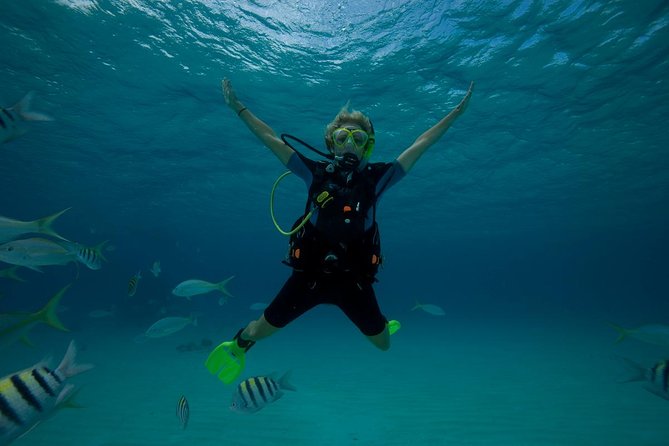
This session suits adults and children from age 10 who want to try scuba without enrolling in a full course. It is also a good choice if you are travelling with a friend or family member and want an activity you can experience together.
You will probably enjoy it most if you:
- Have never used scuba equipment but want a supervised introduction
- Like marine life and want to see a reef from below
- Feel nervous but are willing to communicate with your instructor
- Want a small-group session rather than a large commercial outing
- Are considering a future PADI or open-water course
It may not suit you if you want a relaxed, open-ended morning with no fixed schedule. It is also the wrong choice if you need hotel transport, cannot meet the medical requirements, or plan to fly within 12 hours afterward.
The minimum age is 10, and most participants can take part. Service animals are allowed, and the activity is near public transport. Those details help, but the health questionnaire remains important.
Practical preparation for the morning
Bring swimwear, water, and clothes you can pull on over a wet swimsuit. Food and drinks are not included, so plan your own refreshments before or after the session.
Read any introductory material or PADI Discover Scuba information in advance if it is provided after booking. One participant completed a short online test before arriving. Doing any available preparation early may leave more time and attention for the practical skills.
Arrive with enough time to complete paperwork and get fitted for equipment. The group can have up to eight people, and the schedule may be tight when another session follows. If you are worried about breathing underwater, tell the instructor before entering the water, not after you feel overwhelmed.
Avoid alcohol before the activity, and respect the 12-hour no-fly guidance afterward. The provided information specifically says scuba within 12 hours of flying is not recommended. This is particularly important if you are squeezing the activity into the final morning of a holiday.
Free cancellation is available if you cancel at least 24 hours before the start time. Changes or cancellations inside that window are not refunded, and poor weather may lead to a new date or a full refund.
Should you book Blue Water Diving?
I would book this if you want a genuine first taste of scuba, especially if the idea of a reef visit appeals more than a short pool lesson. The strongest reasons are the close instructor support, included equipment, small maximum group, and chance to see marine life such as fish, anemones, crabs, and possibly rays.
I would book with two checks. First, confirm the exact meeting point, since the Las Palmas wording can be confusing and the operation may be around Amadores or Puerto Rico. Second, tell the instructor if you need extra time in shallow water. Most people describe patient, reassuring support, but one account shows that the schedule may not suit someone who needs a long adjustment period.
For a first underwater adventure in Gran Canaria, this is a solid choice at a fair introductory price. It is best approached as a carefully supervised tryout, not a certification course and not a guaranteed wildlife show.
FAQ
Where does the scuba experience meet?
The listed meeting point is Blue Water Diving at Calle Olimpicos, C. Doreste y Molina, s/n, Gran Canaria, Las Palmas, Spain. Practical details place the operation around Amadores Beach in Puerto de Mogán or Puerto Rico, so confirm the exact location before travelling.
How long does the activity last?
The experience lasts approximately two hours, including paperwork, equipment preparation, shallow-water instruction, the reef session, and the return to the centre.
Is scuba equipment included?
Yes. All necessary equipment and a professional guide are included. You need to bring swimwear.
What is the minimum age?
The minimum age is 10 years old.
How deep will I go?
The activity is designed for beginners. Accounts describe depths of around 8 to 11 metres, but the exact depth depends on the conditions, instructor, and participant.
Can I scuba shortly before flying?
No. Scuba within 12 hours of flying is not recommended, so leave enough time between the activity and your flight.
What happens if the weather is poor?
The experience requires good weather. If Blue Water Diving cancels because of weather, you will be offered another date or a full refund. You can also cancel for a full refund if you do so at least 24 hours before the start time.
Recently added in Gran Canaria
- Sailing Trip and Snorkeling (max. 8 people)★ 5.0 · 181 reviews
- Via Ferrata in Gran Canaria. Vertical adventure park. Small groups★ 5.0 · 183 reviews
- Guided Tour at Ron Arehucas Distillery★ 4.5 · 192 reviews
- Afrikat Afternoon Cruise★ 4.5 · 195 reviews
- From Maspalomas: Volcanic Landscapes 4-Seater Buggy Tour★ 4.3 · 195 reviews
- Gran Canaria Maspalomas: Surf lessons all levels★ 5.0 · 197 reviews
- Gran Canaria: Guided Via Ferrata Excursion★ 4.9 · 198 reviews
- Las Palmas: Gran Canaria Guided Buggy Tour★ 4.5 · 205 reviews
Scuba Diving, compared.
Beginners Scuba Dive Experience in Turtle Area
Read the review →
Scuba Diving Experience for Beginners in Gran Canaria
Read the review →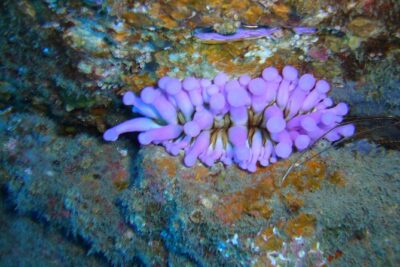
Tenerife First Time Scuba Dive – Turtle Habitat, Small Groups
Read the review →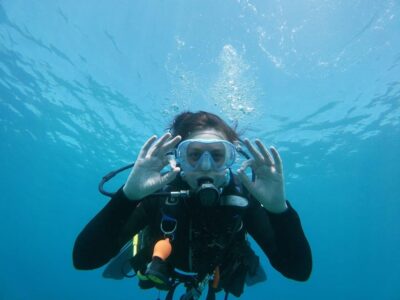
Browse the lists this tour appears in