
Reviewed · PRADO & MADRID MUSEUM TOURS
Small Group Prado Museum Guided Tour with Skip the Line
The best part of this Prado Museum tour is its focus. In two hours, you get past the entry queue and straight into major works by Goya, Velázquez, El Greco, and Rubens, with an English-speaking guide to explain what your eyes may miss. That matters in a museum this large, where a map and good intentions can still leave you wandering past masterpieces.
I like the small-group format, which gives you a better chance to ask questions and hear the guide clearly. I also like the strong art-history thread, from Spanish Renaissance painting to Goya’s grim Black Paintings and Velázquez’s puzzling Las Meninas. The drawback is time: two hours is a sensible limit, but it means some artists, especially El Greco, may receive less attention than you would like.
Key points at a glance
- Meet beneath the Velázquez Monument: The tour starts at Paseo del Prado 11, then returns to the same spot.
- Skip a separate entry line: You enter through a separate entrance, leaving more of your two hours for the collection.
- Major works, not random galleries: The route centers on Goya, Velázquez, El Greco, and Rubens.
- Small groups help: You get more direct contact with the guide than on a large coach-style visit.
- Excellent guide feedback: Juan, Eve, Enrique, Nerea, Carla, Jose, and others are praised for clear explanations, patience, and enthusiasm.
- A compact museum introduction: At $67, this suits you if you want a guided overview rather than a full-day art marathon.
Why a guided Prado visit helps
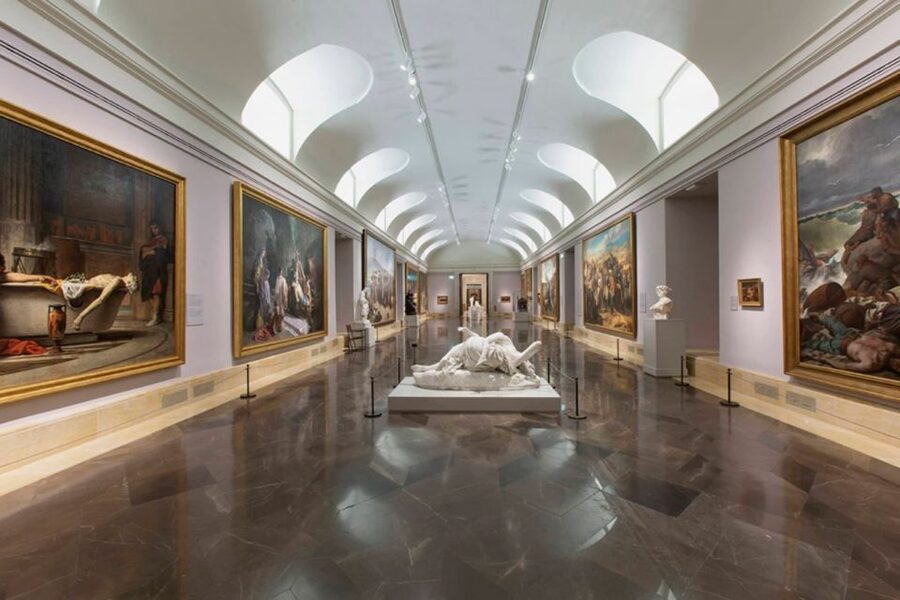
The Prado is not a museum you simply check off in half an hour. Its collection covers European art from the 12th century through the early 20th century, with room after room of paintings competing for your attention. You can certainly visit alone, but a good guide gives you a route and a reason to pause.
This tour is built around the museum’s most important names. You are not asked to absorb every gallery. Instead, the guide explains how artists worked within their religious, royal, and political settings, then points out details that can disappear when you are looking at a painting for only a few seconds.
That approach works especially well for people who know the famous titles but not the stories behind them. You may recognize Las Meninas or The Third of May 1808, yet still wonder what makes them so important. A guide can turn that vague recognition into a clearer understanding of technique, power, symbolism, and historical change.
The small group is important here. A guide such as Enrique has been praised for turning art history into an engaging story and asking questions that make you look again. Eve was appreciated for spotting features that art beginners might miss. Nerea was described as patient and passionate, while Carla drew attention to symbolism and unusual facts.
Those details tell you what to hope for, though not what every guide will do on every departure. The experience depends heavily on the person leading your group. The strongest guides seem to make the paintings feel approachable rather than turning the visit into a lecture.
More Museums in Madrid
- Madrid: Prado Museum Entry Ticket
★ 4.6 · 17,509 reviews - Madrid: Reina Sofía Museum Entrance Ticket
★ 4.5 · 6,889 reviews - Madrid: Small Group of Prado Museum Tour & Optional Tapas
★ 4.6 · 2,437 reviews
Meeting at the Velázquez Monument
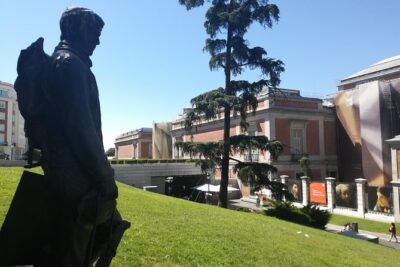
Your tour begins at the Velázquez Monument on Paseo del Prado 11, outside the museum area. This is a practical starting place because the monument is easy to identify, but you should still allow enough time to find it and settle in before the group leaves.
The activity allows only a 10-minute courtesy wait. Madrid’s central streets can be busy, and the Prado sits in an area where you may be arriving on foot from several directions. Get there early rather than trying to time your arrival to the exact minute.
The tour returns to the same monument after the museum visit. That makes the plan simple. You do not need to arrange a pickup, find a new meeting point, or work out transportation at the end.
Hotel pickup and transfers are not included. You are responsible for getting to the monument and back from it. That is no great hardship for a central Madrid museum visit, but it matters if you are planning a tight connection or a restaurant reservation immediately afterward.
Entering the Prado through a separate entrance
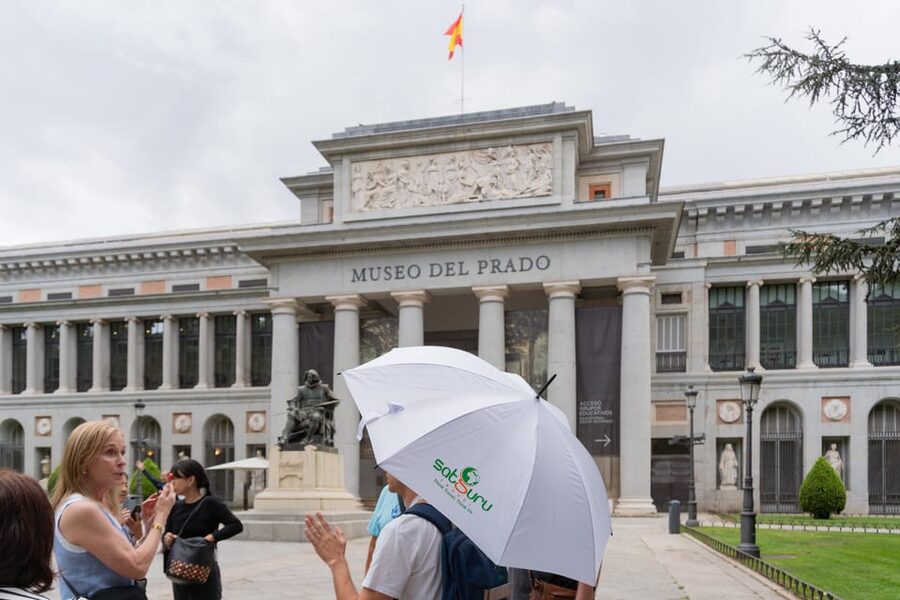
The skip-the-line benefit is practical, not merely a marketing phrase. You use a separate entrance, avoiding the main queue and preserving valuable time inside the museum.
That can make a real difference during a short two-hour visit. If you lose 20 or 30 minutes before entering, the guide has less time to explain the paintings and the group has less freedom to pause. With the entry handled, the visit can begin with the collection instead of a line.
The tour includes the Prado admission ticket, so you do not need to buy a separate museum ticket for this activity. Food and drinks are not included, and this is not a meal-based experience. You are paying for the entry, the guide, and the structure of the visit.
One useful practical note comes from the experience of a past participant: do not count on bringing water inside, since it may be taken away at the museum entrance. You also do not need heavy clothing for the visit, as the activity takes place indoors.
Goya and the darker side of Spain
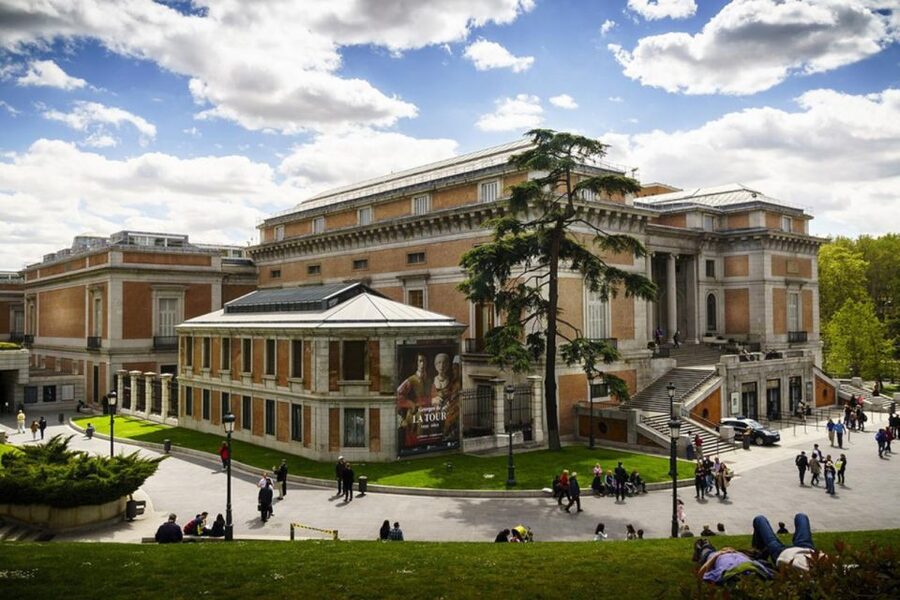
The Goya portion gives the tour its strongest emotional weight. Francisco de Goya is presented not simply as a celebrated Spanish painter, but as an artist responding to the violent and uncertain world around him.
The Third of May 1808 is the key stop. Your guide can help you read the scene as more than a dramatic execution. The frightened central figure, the rigid firing squad, and the harsh light create a clear contrast between vulnerable human beings and organized violence.
This is where a guide earns the fee. Without context, you may see a powerful scene and move on. With explanation, you can consider how the painting works as an anti-war statement and why its emotional force remains so direct.
The Black Paintings take the mood in an even more unsettling direction. Their haunting subjects and heavy atmosphere are not easy to absorb quickly. A small group gives you a better chance to stop, listen, and ask about Goya’s vision rather than being hurried through a list of famous titles.
Do not expect every work in the museum to receive equal attention. The tour is designed around selected masterpieces. If Goya is your main reason for visiting, tell your guide early. You may not control the route, but a small group creates more room for a useful question than a large public tour would.
A few other Madrid outings to compare
- Madrid: Prado Museum Guided Tour with Skip-the-Line Ticket
★ 4.5 · 2,018 reviews - Madrid: Prado Museum Guided Tour With Fast Access
★ 4.8 · 1,785 reviews - Prado Museum Small Group Tour with Skip the Line Ticket
★ 5.0 · 1,738 reviews - Royal Palace & Prado Museum Skip the Line Guided Tour
★ 4.5 · 1,347 reviews
Velázquez and the puzzle of Las Meninas
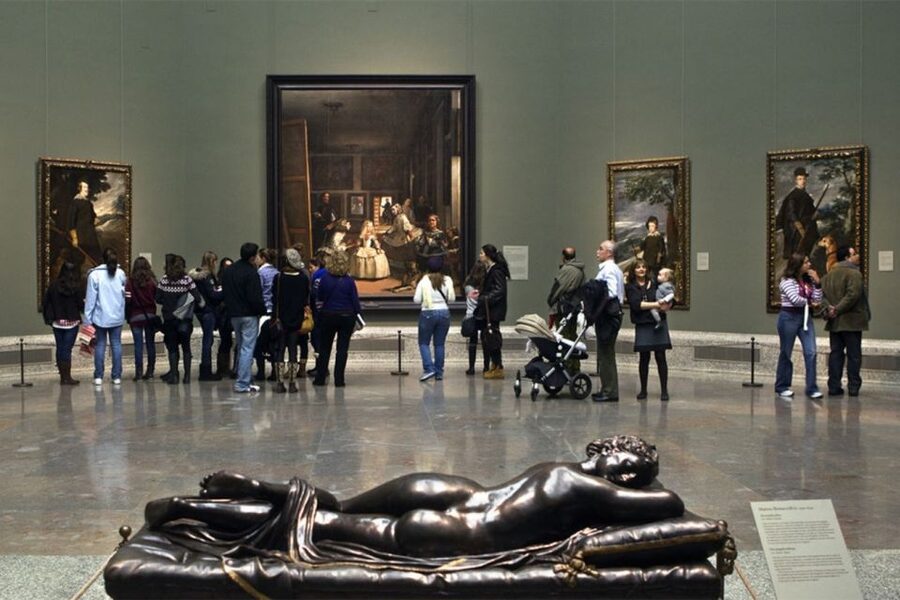
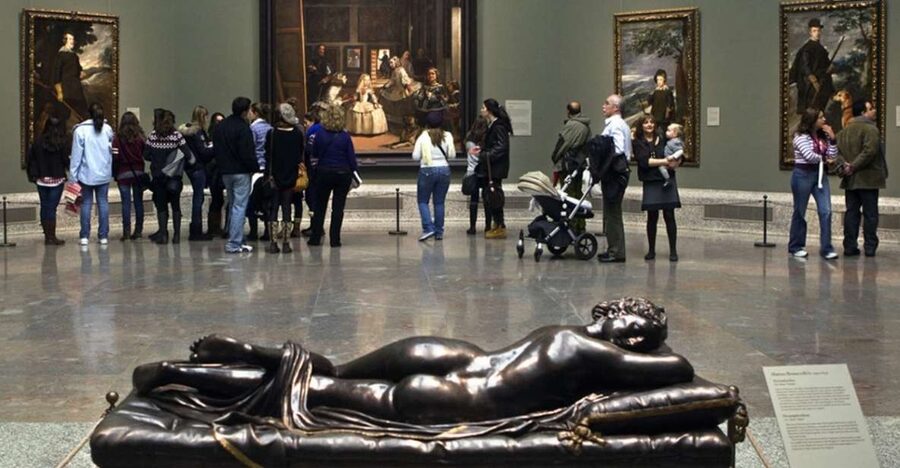
Velázquez is the natural centerpiece of a Prado visit. Las Meninas is a royal court portrait, but it refuses to behave like a simple portrait. The painter appears inside the scene, the young princess occupies the center, and the arrangement makes you question who is looking at whom.
Your guide will likely use this painting to explain the technical skill and cultural importance behind it. The picture is not just a display of court life. It plays with viewpoint, authorship, status, and the boundary between the painted world and the room where you stand.
This is a painting that rewards time. You can first look at the figures and costumes, then notice the mirror, the doorway, and Velázquez himself. A guide may draw your attention to how the composition directs your eye and why the work has become a central subject in art history.
Because Las Meninas attracts attention, the gallery may feel crowded. The small-group benefit is less about having the painting to yourself and more about being able to hear a focused explanation without losing your guide in a mass of people.
If you are new to European art, Velázquez may be the point where the tour becomes most useful. You do not need prior training to appreciate the picture, but a clear explanation can show you why its cleverness is more than a visual trick.
El Greco’s stretched figures and spiritual drama
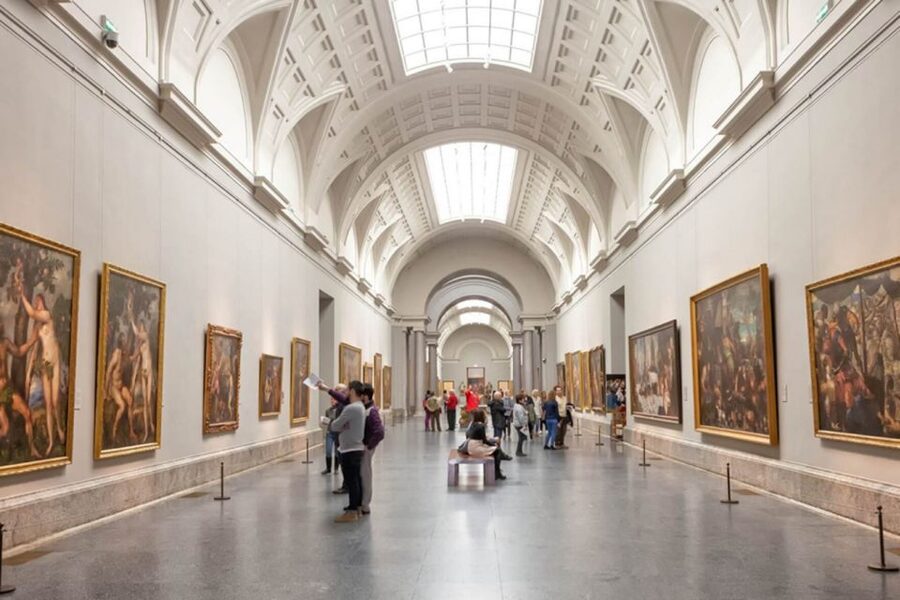
El Greco offers a sharp change in mood and style. His elongated figures, strong colors, and spiritual intensity look very different from the controlled court painting of Velázquez.
The Burial of the Count of Orgaz is highlighted as an important work for understanding this style. The painting joins the earthly and divine worlds, creating a scene where ordinary human figures and supernatural events share the same frame.
This section may feel brief. One piece of direct feedback wished for more time with El Greco and felt the guide was rushed at that point. That is a fair concern, especially if El Greco is the artist you most want to study.
Two hours cannot cover every major painting in detail. If you want a fuller El Greco discussion, ask your guide about the artist when the tour begins. You may be able to get a little more context, even if the planned route remains the same.
Still, the contrast between El Greco and the other artists is valuable. You see how painters can use proportion, color, and space to produce a spiritual effect rather than a naturalistic one. The Prado becomes more than a sequence of old pictures. It becomes a place where very different ideas about reality appear side by side.
Rubens and the drama of the Baroque
Peter Paul Rubens brings movement and physical energy to the final major section. His Baroque paintings are full of force, rich color, and expressive bodies.
The Descent from the Cross is presented as a key example. Your guide can point out how Rubens controls a complicated group of figures and turns a religious scene into a carefully directed visual event.
Rubens is useful in this tour because he broadens the story beyond Spanish painting. The Prado is famous for its Spanish masters, but its collection also lets you compare national styles and artistic aims. Rubens’ dramatic compositions sit well beside the quieter control of Velázquez and the severe emotional power of Goya.
You may also notice how much Rubens depends on anatomy and physical movement. His figures are not passive decorations. Their gestures, weight, and muscular form carry the action through the painting.
This is another place where a small group helps. You can ask why a figure is positioned a certain way or how the composition leads your eye. The guide’s answer may turn a large, busy canvas into a scene you can follow from one body and gesture to the next.
What the two-hour schedule really means
Two hours is a good length for a first Prado visit. The museum can be tiring, especially when you are standing for long periods and looking closely at dense paintings. A focused tour helps you leave with a clear mental map instead of artistic overload.
The schedule is also a limitation. You are getting a strong overview, not a complete survey of the collection. The advertised route covers the major artists and their contexts, but it cannot give every room equal treatment.
I would choose this duration if the Prado is one part of a full Madrid day. You can follow the museum with lunch, a walk along Paseo del Prado, or another nearby sight without spending your entire day indoors.
If you already know the Prado well, this may feel too selective unless you are mainly paying for a guide’s interpretation. If it is your first visit, the structure is more appealing. You get the famous works, some historical framing, and a manageable finish line.
The museum is also busy enough that a short visit has an advantage. After two hours, you may be ready for a break rather than another gallery.
Small group quality and the guide factor
The experience is advertised as a small-group tour, and the strongest praise centers on the guides’ personal attention. One departure became a private tour because only two people attended. That is not something you should assume will happen, but it shows how intimate the format can be when numbers are low.
Solo visitors may find the setup especially comfortable. One direct account appreciated being able to discuss the museum with the other people in the group rather than walking through alone.
Families can also benefit. A guide was specifically praised for patience with children, which matters in an art museum where younger visitors can lose interest quickly. Still, the tour covers serious subjects, including war, religion, and political upheaval, so parents should consider whether that tone suits their children.
The guide names associated with particularly strong experiences include Juan, Eve, Enrique, Nerea, Carla, and Jose. Their strengths vary slightly. Juan was praised for creating a good discussion in a small group. Enrique used questions and storytelling. Eve pointed out details that beginners might miss. Carla focused on symbolism, and Jose made sure the main highlights were covered.
The activity information identifies English as the live tour language. The overview also describes a bilingual professional guide, so check the language shown for your selected departure when booking if that matters to you.
Is $67 a fair price?
At $67 per person, this tour costs more than entering the Prado on your own. The value depends on how much help you want once inside.
You are paying for skip-the-line entry, a professional guide, and a planned route through major works. If you would otherwise spend time in the entry queue, search for highlights, and read every label yourself, the fee can be sensible for a first visit.
The price is less attractive if you prefer to wander slowly or already have a detailed plan. A self-guided visit gives you control over how long you spend with Goya, El Greco, or any lesser-known artist. This tour gives you structure, but structure always means giving up some freedom.
I see the strongest value for first-time visitors, solo visitors, families who want help keeping children engaged, and anyone who wants a clear introduction to Spanish and European art. The guide’s interpretation is the main reason to book, not simply the promise of entering a famous museum.
The average rating is 4.2 from 106 reviews, which suggests a generally strong experience with some variation. That variation is normal for a guided museum tour. The route and ticket may be consistent, but the pace and depth depend on the guide and the size of the group.
Practical details before you reserve
The tour lasts two hours, and starting times depend on availability. The activity does not operate on some holidays, including December 25 and January 1, so check the date before building your Madrid schedule around it.
You can cancel up to 24 hours before the activity for a full refund. The reserve-now, pay-later option also gives you some flexibility while your plans are still taking shape.
The tour requires a minimum number of participants. If that minimum is not reached, you will be contacted and offered alternatives. Be on time, since the courtesy waiting period is only 10 minutes.
The activity is wheelchair accessible. No hotel pickup or transfer is provided, and food and beverages are not part of the price.
Plan for an indoor visit and avoid bringing water that could be removed at the entrance. Since the activity returns to the Velázquez Monument, you can arrange your next stop from the same central point.
Who should book this Prado Museum tour?
Book it if you want to see the Prado’s essential artists without trying to conquer the entire museum. The route gives you Goya’s moral force, Velázquez’s intellectual puzzles, El Greco’s spiritual drama, and Rubens’ Baroque motion in a single visit.
It is also a good fit if art labels leave you cold or confused. The guide adds the background and visual clues that help paintings make sense, and the small group gives you a chance to ask about what you are seeing.
Think twice if you want a slow, independent museum day. You may feel rushed, especially around El Greco, and you will not have time to explore every section. In that case, visit independently or pair this tour with another Prado visit.
For most first-time visitors, though, the two-hour format is a sensible compromise. You skip the entry queue, see the major works, and leave before the museum’s scale starts to work against you.
FAQ
Where does the Prado Museum tour begin?
It begins at the Velázquez Monument at Paseo del Prado 11, 28014, Madrid.
Where does the tour end?
The activity ends back at the Velázquez Monument, the same place where it begins.
How long does the tour last?
The guided museum visit lasts two hours. Starting times depend on availability.
What does the tour price include?
The $67 price includes skip-the-line Prado Museum admission and a professional tour guide.
Is the guide available in English?
Yes. The live tour language is listed as English. The overview also describes the guide as bilingual, so check the language details for your selected departure if needed.
Does the tour include hotel pickup?
No. Hotel pickup and transfers are not included.
Can I skip the Prado entry line?
Yes. The tour uses a separate entrance for skip-the-line access.
Is the activity wheelchair accessible?
Yes, the activity is listed as wheelchair accessible.
Does the tour operate on December 25 and January 1?
No. The tour does not run on some holidays, including December 25 and January 1.
What happens if the minimum group size is not reached?
You will be contacted and offered alternatives if the required minimum number of participants is not met. The courtesy waiting time at the meeting point is 10 minutes.
Can I cancel for a full refund?
Yes. You can cancel up to 24 hours in advance for a full refund.
Are food and drinks included?
No. Food and beverages are not included. Plan carefully with water, since it may be taken from you at the museum entrance.
More Skip the Line in Madrid
- Madrid: Royal Palace Expert Guided Tour with Skip-the-Line
★ 4.7 · 6,986 reviews - Madrid: Royal Palace Skip-the-line Guided Tour
★ 4.9 · 3,146 reviews - Madrid: Royal Palace Skip-the-Line Guided Tour
★ 4.5 · 2,140 reviews - Madrid Old Town & Royal Palace Walking Tour Skip the Line Ticket
★ 4.5 · 1,829 reviews
Recently added in Madrid
- Hot-Air Balloon Ride over Madrid’s Guadarrama Regional Park★ 4.5 · 100 reviews
- Madrid Local’s Wine and Tapas Lunch Tour with a side of History★ 5.0 · 101 reviews
- Prado Museum Private Tour with Skip-The-line & on Foot Pick-Up★ 5.0 · 101 reviews
- Madrid: Guided Walking Tour of Monasterio de las Descalzas★ 4.5 · 102 reviews
- Madrid: Ultimate Food Tour of Local Markets & Tapas★ 4.9 · 103 reviews
- Photographic tour of Madrid with a professional photographer★ 5.0 · 104 reviews
- Escorial & Valley Half-Day Morning Tour from Madrid★ 4.0 · 104 reviews
- Madrid: Eco-Friendly, Private, and Unique Tuk Tuk Experience★ 4.9 · 105 reviews
Prado & Madrid Museum Tours, compared.

Small Group of Prado Museum Tour & Optional Tapas
Read the review →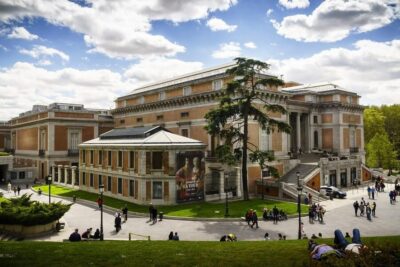
Prado Museum Guided Tour with Skip-the-Line Ticket
Read the review →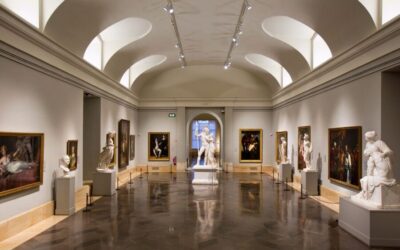
Prado Museum Small Group Tour with Skip the Line Ticket
Read the review →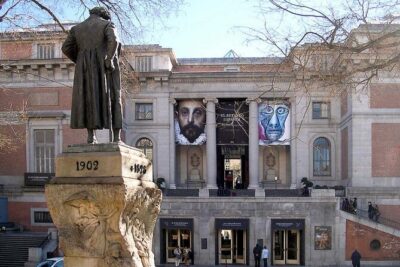
Royal Palace & Prado Museum Skip the Line Guided Tour
Read the review →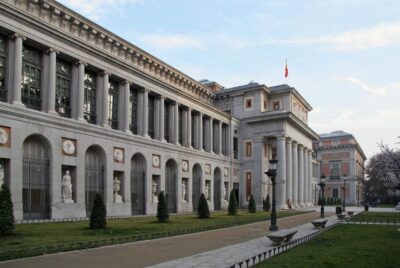
Browse the lists this tour appears in