
Reviewed · MALAGA TOURS
Málaga: Museo Picasso Málaga Entry Ticket
Museo Picasso Málaga gives you a clear look at how one artist kept changing his language. Inside the Palacio de Buenavista, you move from Picasso’s early academic work through Cubist experiments, ceramics, sculpture, and paintings from the 1970s, all in the city where he was born in 1881.
I especially like the chronological sense of progress and the chance to see many different media in one visit. The underground Phoenician, Roman, and Arabic remains are another smart addition, turning a Picasso stop into a small lesson in Málaga’s much older past.
The main thing to watch is the entry rush. This museum can sell out, and the audio guide is easy to miss if you do not scan the QR code at the start. Book ahead, arrive near your time slot, and keep large bags and drinks stored away.
Key points to know before you go
- Picasso’s career in one visit: See 141 works ranging from early academic studies to late paintings, ceramics, drawings, prints, and sculpture.
- A palace with several layers: The Renaissance and Mudéjar building includes calm modern touches and archaeological remains below ground.
- Temporary exhibitions are included: The ticket covers the stated William Kentridge and Picasso: The Royan Sketchbooks exhibitions during their listed dates.
- The QR audio guide needs action: Scan the code at entry and use your own mobile device, with many language choices available.
- Advance booking matters: Timed entry helps you avoid queues, and same-day visitors can find the museum sold out.
- Allow about one to two hours: The collection is manageable, but you can take longer if you study the timeline, temporary shows, and ruins.
Why Picasso in Málaga feels different
Picasso is often treated as a Paris or Barcelona figure, but Málaga was his birthplace. That fact gives this museum a useful starting point: you are not simply visiting a gallery devoted to a famous name, you are seeing the city’s effort to bring his work back to its point of origin.
The museum opened in 2003 after Picasso expressed a wish for his art to be exhibited in Málaga. His daughter-in-law and grandson supplied the core of the collection through donations, while the Junta de Andalucía helped create the larger museum project.
That background matters because the collection is designed to show a life’s work rather than focus on one famous painting. You get a sense of Picasso as a restless worker who shifted direction again and again.
For me, that makes the museum a good choice even if Cubism is not your favorite period. The route presents enough variety to help you see how the later, stranger work grew from earlier training and experiments.
A few other Malaga outings to compare
- Malaga: Hammam Al Ándalus Entry Ticket with Massage
★ 4.7 · 2,498 reviews - Benalmádena: Mount Calamorro Cable Car Ticket
★ 4.5 · 1,901 reviews - Málaga: 3-Hour Complete Walking Tour with Tickets
★ 4.5 · 976 reviews
Entering the Palacio de Buenavista
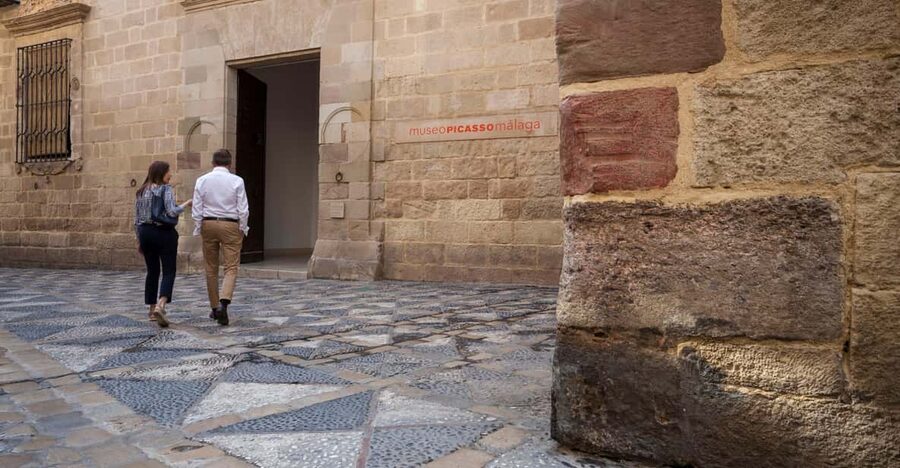
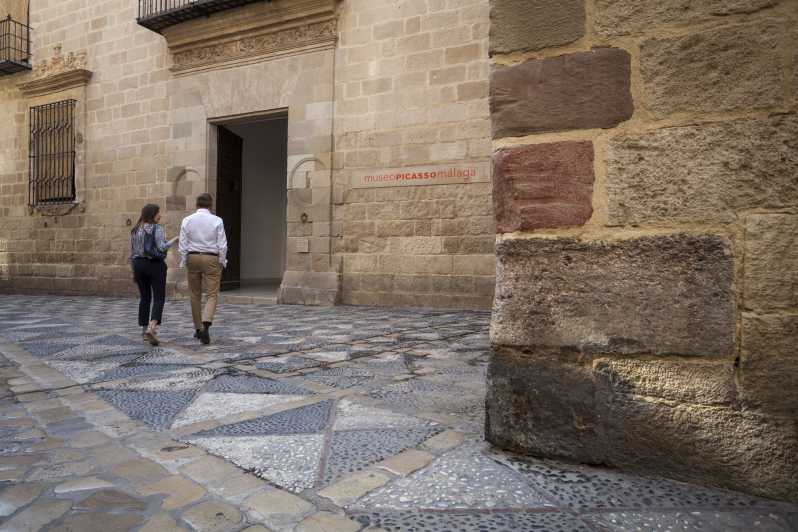
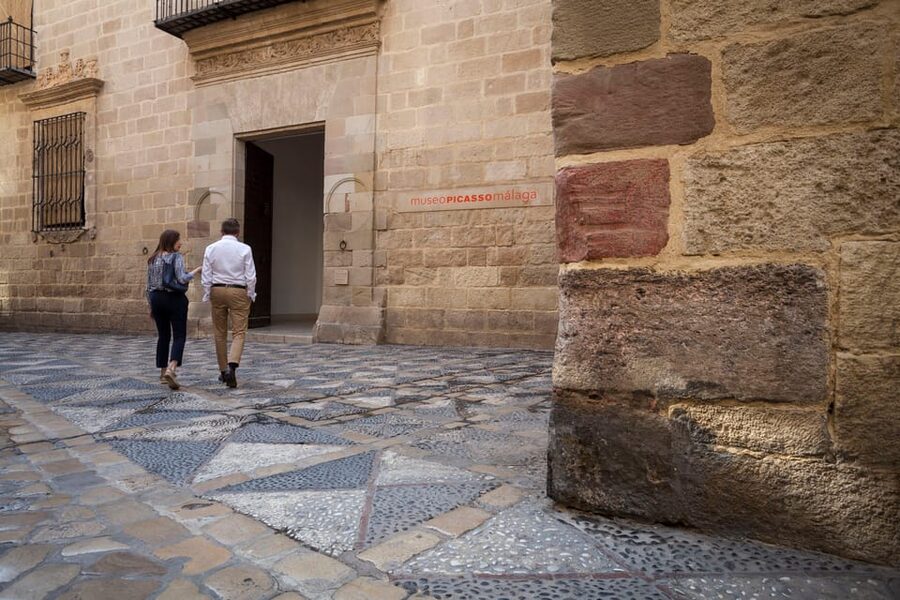
The museum occupies the Palacio de Buenavista on Calle San Agustín, 8, in central Málaga. The palace was declared a National Monument in 1939, and the building itself deserves attention before you reach the galleries.
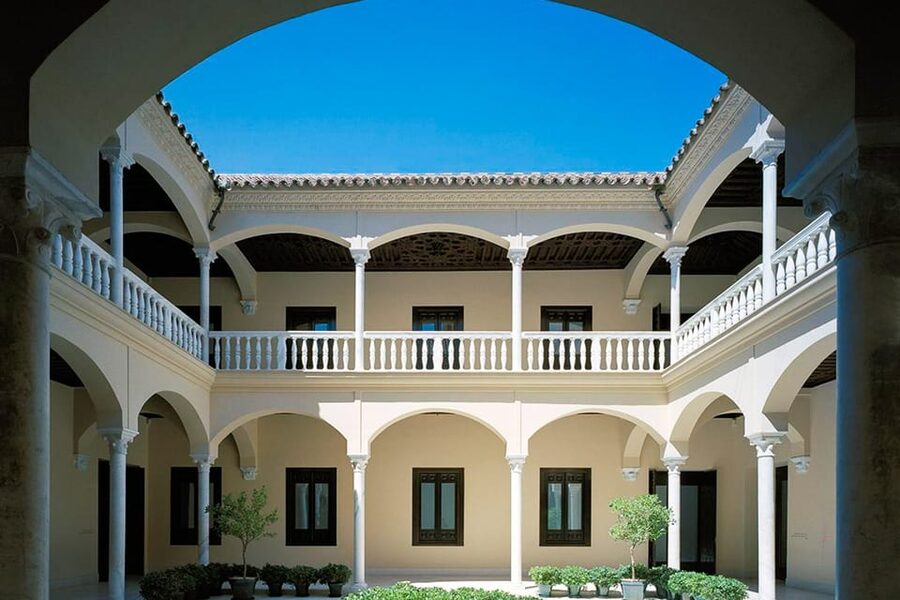
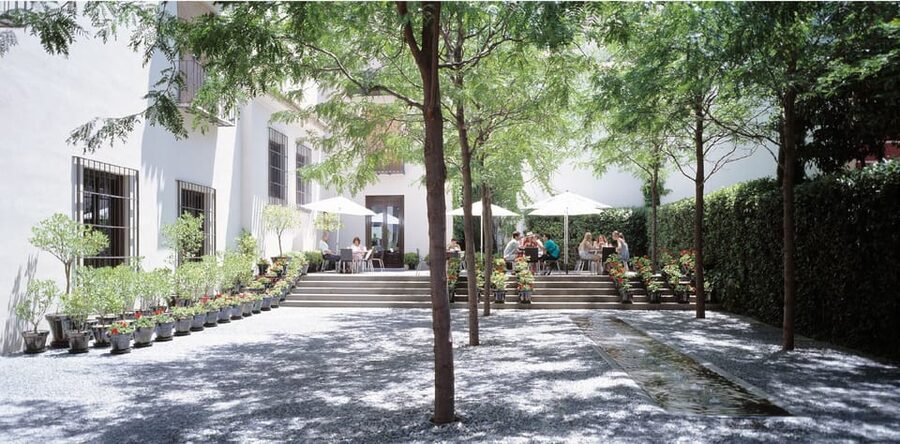
Its design mixes Renaissance features with Mudéjar elements, then adds quieter contemporary lines. This combination gives the museum a more personal feel than a plain white-box gallery. Courtyards, stone details, and modern spaces sit together without competing too much for your attention.
I like this setting because it slows the visit down. You can look at a Picasso painting, step into a historic part of the palace, and then return to a clean exhibition room without feeling that the building is merely a container for art.
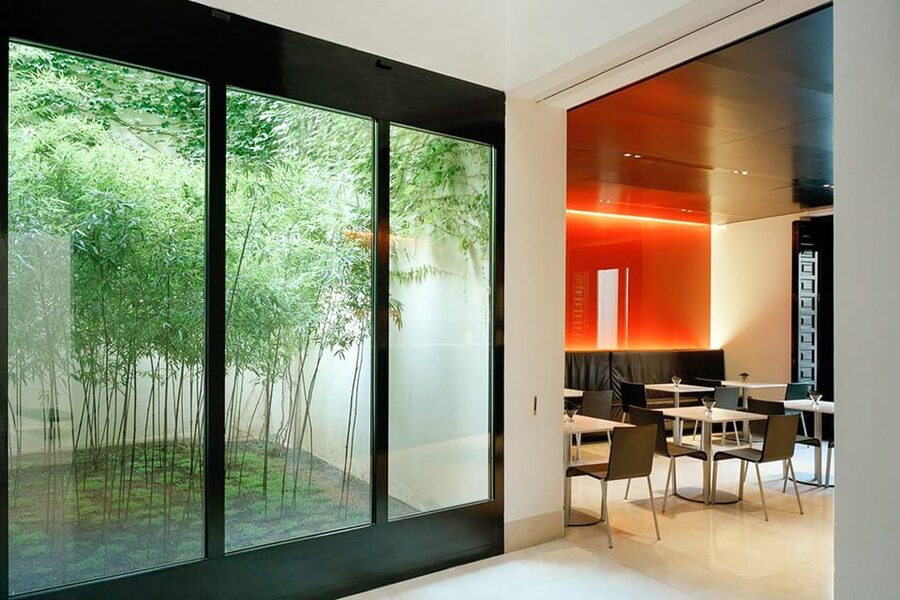
The museum is also air-conditioned, which makes it a useful stop during Málaga’s hot summer months. The courtyard café provides a place for a snack, meal, or drink after the galleries, although food and drinks must stay inside your bag while you view the collection.
Following Picasso from student to innovator
The permanent collection works best when you follow its broad timeline. It begins with Picasso’s academic studies, where you can see the foundation of his formal training before his art became associated with broken forms and unusual viewpoints.
From there, the collection moves through changing styles and ideas. The value is not just in seeing individual works, but in noticing the speed and confidence of the shifts. Picasso could return to a classical or Neoclassical approach, then turn toward Cubist structure, ceramics, graphic work, or a looser late style.
The museum includes paintings, drawings, sculptures, ceramics, and prints. That range helps correct the narrow picture of Picasso as only a painter. His work in clay and on paper is important here, and the variety keeps the visit from becoming a long sequence of similar canvases.
The Cubist works are likely to be the high point for many people. Look for overlapping forms and the way objects are broken apart and rebuilt. You do not need a technical art background to get something from them. The timeline and wall explanations help place the experiments within Picasso’s changing life and working methods.
The collection also includes his interpretations of Old Masters. These works are useful because they show Picasso looking backward while still making the subject his own. Later paintings from the 1970s complete the arc, giving you a chance to compare the energy of his final period with the control of his early studies.
The timeline helps make sense of the changes
Picasso’s career is long and packed with shifts. Without some order, a museum devoted to him can feel like a pile of disconnected ideas.
Here, the timeline displays and accompanying photographs help connect the works to different periods of his life. I recommend pausing at these sections instead of racing straight from painting to painting. They give you a framework for understanding why the mood, technique, and subject matter keep changing.
The explanations are generally clear and approachable. You can use the museum’s audio guide service through a QR code on your phone, with Spanish, English, French, German, Italian, Chinese, Japanese, Arabic, Portuguese, Russian, Korean, and several regional Spanish languages available.
There is one practical catch: the audio guide is a web app rather than a separate device handed to you. Scan the QR code as soon as you enter. If you miss that moment in the crowd, it may not be obvious later where to find it.
The audio guide covers selected works rather than every object in the museum. That is fine if you want a light introduction, but you should not expect spoken commentary for the entire collection. Some people will prefer to read the labels and move freely, while others will want more explanation for each painting.
Same city, a completely different evening:
- From Málaga & Costa del Sol: Caminito del Rey Guided Tour
★ 4.7 · 7,488 reviews - Málaga: Alcazaba and Roman Theatre Guided Tour With Entry
★ 4.8 · 5,792 reviews - Benalmadena: Dolphin Watching Boat Tour
★ 4.4 · 5,786 reviews - Malaga: Teatro Flamenco Malaga Live Flamenco Show
★ 4.7 · 4,254 reviews
Temporary exhibitions add variety
Your ticket also includes temporary exhibitions, but the exact program depends on your visit date. The stated ticket information includes William Kentridge, More Sweetly Play the Dance, from November 21, 2024 through April 27, 2025, and Picasso: The Royan Sketchbooks, from January 31 through May 5, 2025.
These exhibitions matter because they give you something beyond the permanent Picasso display. A guest artist such as William Kentridge can change the pace and mood of the visit, while a focused Picasso exhibition can let you examine one part of his working life in more detail.
The program has also included shows devoted to other artists, such as Oscar Domínguez and Farah Atassi, according to the visit details available here. Check the current exhibition schedule when planning, since temporary displays change and older dates should not be treated as current.
If you are mainly coming for Picasso, do not let a temporary exhibition distract you from the permanent collection. But if you have already seen other Picasso museums, these changing displays may be the reason to return.
Do not skip the archaeological remains
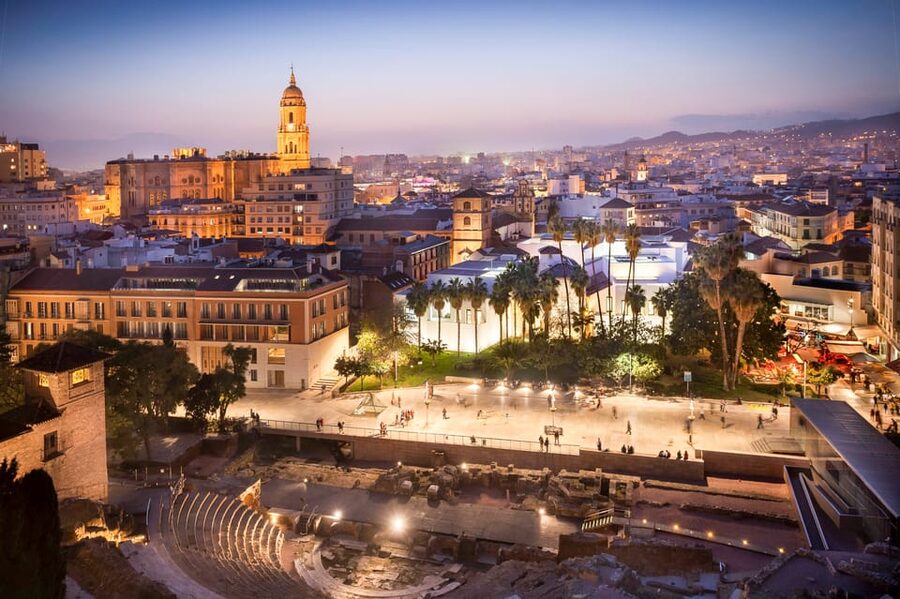
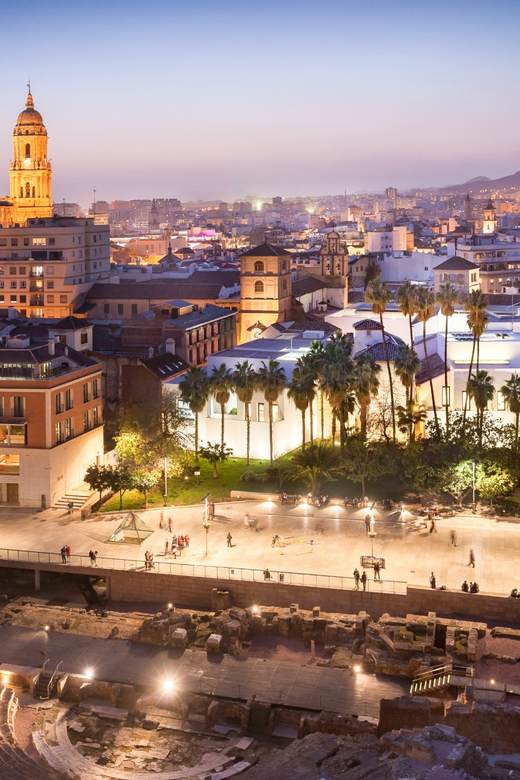
Head to the lower floor for the archaeological site. Phoenician, Roman, and Arabic remains were found beneath the museum, and the ticket includes access to them.
This is not a second major museum, so keep your expectations in proportion. It is a compact archaeological stop, but it gives the building a stronger connection to Málaga’s past. You are looking at Picasso’s twentieth-century art above ground and traces of earlier settlements below it.
The site can be entered with any museum entry ticket. I would visit it before leaving rather than assume it is a separate attraction you need to schedule another day.
The remains are especially useful for families and first-time visitors to Málaga who want more context than a single-artist museum usually provides. They also break up the art visit nicely if you need a change after several galleries.
How long to allow and how to pace the visit
The ticket is valid for one day, but this is not a full-day guided tour. Most people should plan on roughly one to two hours, depending on how closely they read the labels and how much time they give to the temporary exhibitions.
An hour can work if you want the main collection and a quick look at the building. Two hours is more comfortable if you want to follow the timeline, use the audio guide, visit the archaeological remains, and sit for a break afterward.
The museum does not force you through a group itinerary. You can move at your own pace and return to works you missed. That freedom is one of the ticket’s strongest features, especially for visitors who dislike being hurried from room to room.
For a calmer visit, choose an early time slot. Morning entry has been particularly useful in summer, when queues later in the day can extend into the sun. Arrive about 10 minutes before your scheduled time, while remembering that the museum allows a 15-minute margin around the slot.
The $15 ticket and what you receive
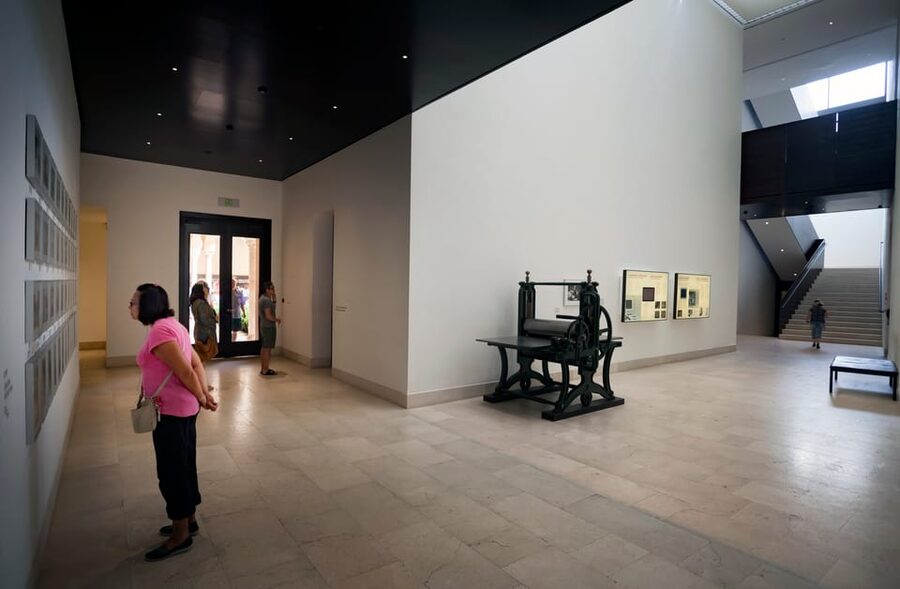
At about $15 per person, the ticket is fairly priced for a central Málaga museum with a permanent collection, temporary exhibitions, archaeological remains, and an audio guide service.
The value is strongest if you use the whole package. A quick walk through the permanent rooms still gives you access to Picasso’s work, but the ticket makes more sense when you add the palace architecture, the lower-floor ruins, and at least one temporary display.
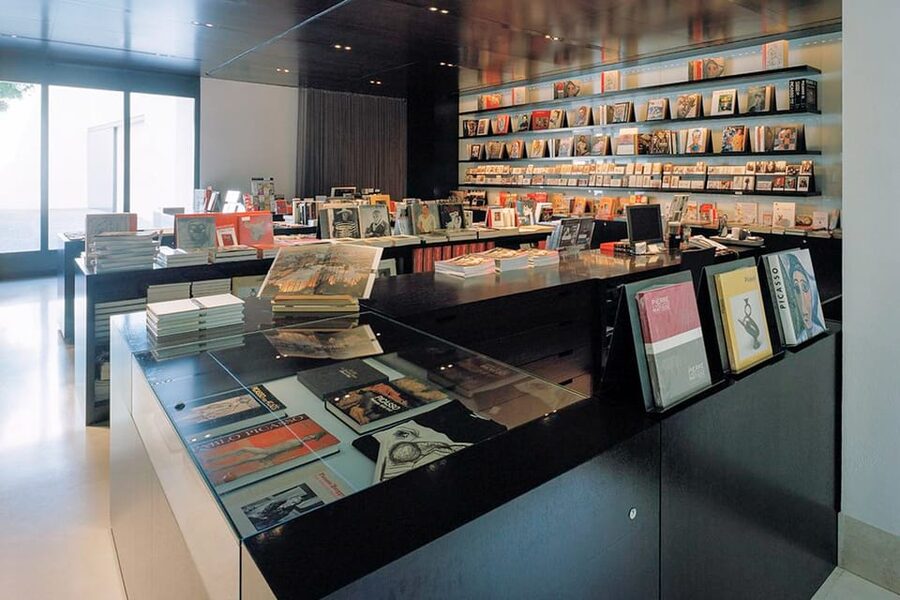
You also receive access to the bookshop and café. The courtyard café is a pleasant place to finish, particularly when you need shade or air conditioning after walking around Málaga.
The price is less compelling if you are only mildly interested in Picasso and plan to spend 30 minutes inside. In that case, the museum’s modest size may make the visit feel brief. For anyone who wants a well-organized introduction to his development, the cost is reasonable.
Sunday entry is free during the final two hours before closing. That can save money, but it is also the tightest possible window and may not suit anyone who wants to take their time. Paid advance entry is the safer choice if the museum is a priority.
Queues, bags, and access details
Advance booking is more than a convenience here. The museum can sell out, and some people arriving without a reservation have been turned away for the day. Online booking also helps you pass through the timed-entry process with less waiting.
Your time slot includes a 15-minute margin, but do not use that as a reason to arrive late. The line can move quickly, and staff need to manage timed admissions.
Large luggage, backpacks, food, drinks, bicycles, scooters, and pets are not allowed in the galleries. A cloakroom accepts suitcases and backpacks up to 55 by 35 by 20 centimeters, and anything stored there must be collected the same day.
Umbrellas and other potentially dangerous objects also go into the cloakroom. Keep drinks and snacks inside your bag until you leave the exhibition areas.
The museum is wheelchair accessible. Equipment is available for people who are blind or have low vision, including audio-written guides in Spanish. Spanish sign language is available for the exhibition Pablo Picasso: Structures of Invention. The Unity of a Life’s Work.
Children under 13 must be accompanied by an adult. The setting is not ideal for toddlers who need to touch objects or make a lot of noise, but older children can benefit from the clear timeline and the variety of materials.
Who will get the most from this museum
I would choose this museum if you want a solid first introduction to Picasso in Málaga. The collection is broad enough to show his development, yet compact enough that you do not need an entire day.
It suits people who enjoy seeing an artist’s process, not just famous highlights. Students, art fans, and visitors curious about Cubism will find plenty to examine. The ceramics and sculptures are particularly helpful if you want to understand how widely Picasso worked.
It also suits people who prefer independent sightseeing. You are free to read, listen, pause, and return to a room without keeping up with a guide. The multilingual audio service gives you support, but you are not tied to a live tour.
You may want to lower your expectations if you are hoping for a huge collection of Picasso’s most famous masterpieces. The museum’s strength is its overview and range, not a single blockbuster painting. It is also not the right pick if you have no interest in modern art and have limited time in Málaga.
Should you book Museo Picasso Málaga?
Yes, if Picasso interests you even a little, I would book it. The clear career timeline, good mix of paintings and other media, beautiful palace, and underground ruins make this more than a quick name-check attraction.
Book ahead rather than gambling on a same-day ticket, especially in summer or during a busy period. Choose an early slot, scan the audio-guide QR code immediately, and allow two hours if you want the visit to feel relaxed.
Skip it only if your Málaga schedule is extremely tight or if modern art is not your thing. For most visitors, $15 buys a manageable, well-organized museum visit with enough variety to justify the stop.
FAQ
Where is Museo Picasso Málaga?
It is located at Palacio de Buenavista, Calle San Agustín, 8, Málaga 29015, in Andalusia, Spain.
How much does the museum ticket cost?
The listed price is $15 per person.
How long is the ticket valid?
The ticket is valid for one day.
Does the ticket include temporary exhibitions?
Yes. It includes the permanent collection and the temporary exhibitions listed for the applicable dates, including William Kentridge’s More Sweetly Play the Dance and Picasso: The Royan Sketchbooks during their stated exhibition periods.
Is an audio guide included?
Yes. The audio guide is available through a web app. Scan the QR code with your mobile device at the museum.
Which languages are available for the audio guide?
The available languages are Spanish, Chinese, English, French, German, Italian, Japanese, Arabic, Portuguese, Russian, Basque, Catalan, Galician, and Korean.
Can I visit the archaeological remains with this ticket?
Yes. Any museum entry ticket allows access to the Phoenician, Roman, and Arabic archaeological remains below the museum.
Should I book in advance?
Advance booking is recommended because the museum can sell out. A timed ticket also helps reduce waiting at entry.
Are large bags and luggage allowed?
Large bags and luggage are not allowed in the galleries. The cloakroom accepts suitcases and backpacks up to 55 by 35 by 20 centimeters, and stored items must be collected the same day.
Is the museum wheelchair accessible?
Yes. The museum is wheelchair accessible. It also provides audio-written guides in Spanish for people who are blind or have low vision, plus Spanish sign-language equipment for the stated Picasso exhibition.
Recently added in Malaga
- Tour to Gibralfaro★ 4.7 · 182 reviews
- Al Andalus Hammam in Malaga: Relaxing Bath★ 4.5 · 186 reviews
- Benalmádena: Deluxe Parasailing Flight from Benalmadena Port★ 4.8 · 188 reviews
- Caminito del Rey Small Group Tour from Malaga with Picnic★ 5.0 · 190 reviews
- Ultimate Malaga History & Tapas – All Included Full Experience★ 5.0 · 191 reviews
- From Málaga: Caminito del Rey Small-Group Tour with Picnic★ 4.9 · 192 reviews
- Malaga: Granada Day Trip with Alhambra, Palaces and Gardens★ 4.5 · 197 reviews
- Paddle Surf Route Cliffs Nerja and Cascada de Maro + Snorkel★ 4.5 · 198 reviews
Malaga Tours, compared.
From Málaga & Costa del Sol: Caminito del Rey Guided Tour
Read the review →
Alcazaba and Roman Theatre Guided Tour With Entry
Read the review →

Ronda+Setenil de las Bodegas with Little Train
Read the review →


Browse the lists this tour appears in