
Reviewed · MUSEUMS
Jerez de la Frontera: Andalusian Horse Dance and Museums
At Jerez’s Royal Andalusian School, horses do far more than prance in circles. They perform a carefully staged equestrian ballet, with Spanish music, formal costumes, carriage work, and classical dressage movements including the piaffe, passage, Spanish walk, pirouette, and airs above the ground. I especially like the chance to see the horses being trained and groomed before the main event, and the carriage museum, which adds useful context to the performance. The one drawback is that seating can be uncomfortable, and the site requires cameras and video recording to stay outside.
You receive a full half-day of culture for $38 per person, including the 90-minute show and several museums. I would allow the full 3.5 hours, since rushing from the audiovisual presentation to the palace, training areas, museums, and arena would miss much of what makes this visit worthwhile.
Key points to know before you go
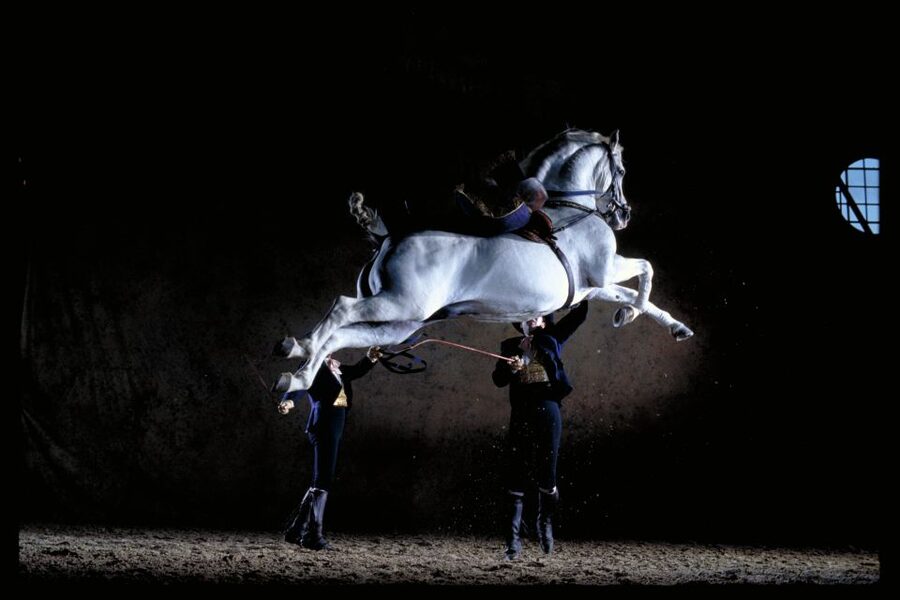
- The 90-minute ballet is the main event: Expect six to eight choreographies set to classical music and performed in traditional 18th-century style costumes.
- Training areas add real value: You may see horses being groomed, warmed up, or schooled before the performance.
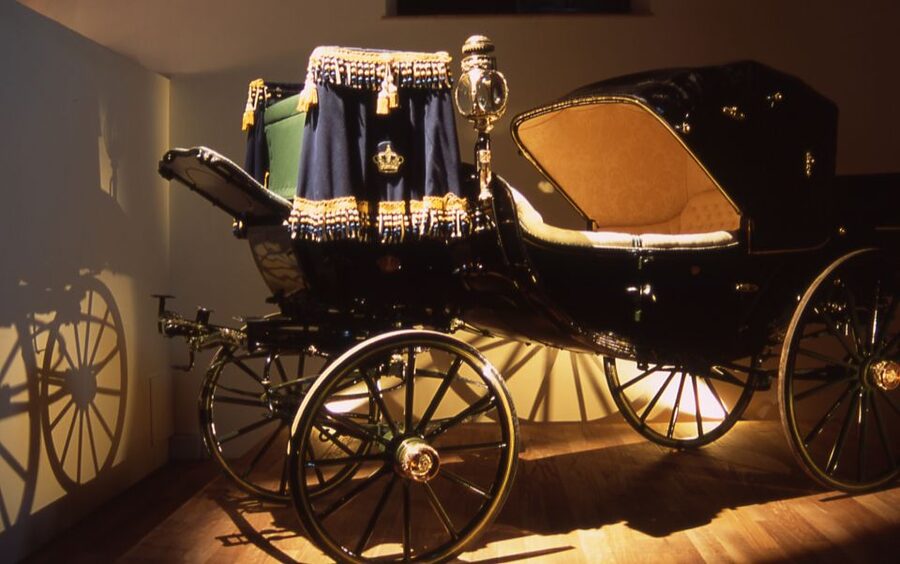
- The museums explain the tradition: The Art Equestrian Museum covers Andalusian horse culture, while the Carriage Museum displays vehicles, harnesses, and costumes.
- The morning schedule matters: The audiovisual presentation runs until 11:00 AM, and the show begins at noon, so arrive early enough to use the included admissions.
- Photography is restricted: The stated rules prohibit cameras and video recording, so bring your passport or ID instead.
- Plan your onward transport: Parking can be difficult, and taxis may be scarce after the site empties.
Entering the Royal Andalusian School in Jerez
Your visit begins at the Royal Andalusian School of Equestrian Art, a short taxi ride from Jerez train station and reachable on foot from central Jerez for visitors staying nearby. At arrival, go to the ticket office and exchange your voucher. Clear signage is generally helpful, though finding the separate museum entrance and stables can be less obvious after the show.
The entrance area includes a digital cinema with an audiovisual presentation about Andalusian equestrian art and the school. This presentation is available until 11:00 AM, so it works best as your first stop. It gives you a basic grasp of the horses, training tradition, and purpose of the school before you watch the riders at work.
I find this opening useful because the show moves quickly. A horse performing a controlled piaffe or a levade looks impressive on its own, but knowing that these movements belong to a long dressage tradition helps you understand the precision involved. The film also gives you a chance to sit down before the walking portions of the visit.
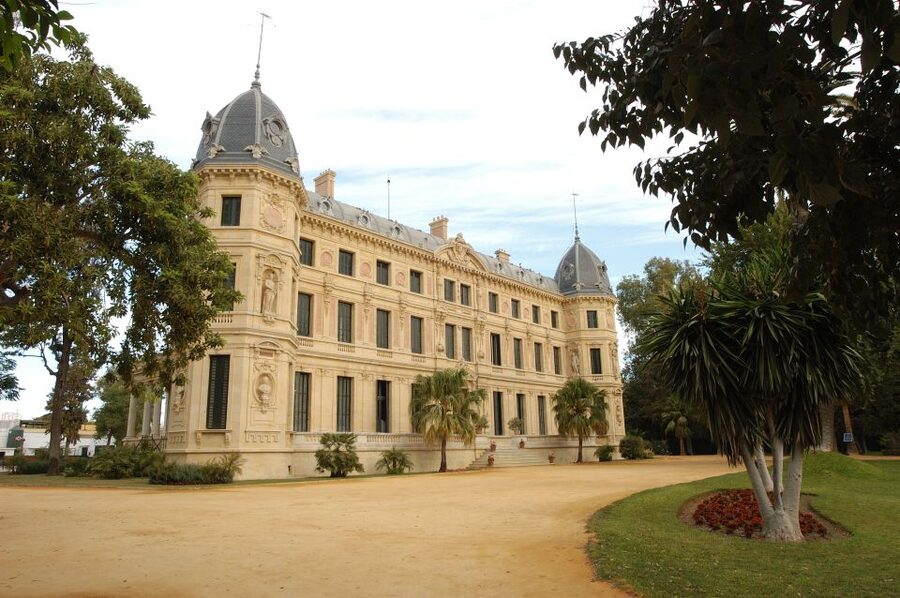
From the reception center, you enter gardens filled with exotic plants. The palace rises above them in 19th-century style, giving the complex a formal, old-world setting. The grounds are attractive enough to deserve a slow walk, though hot weather can make the open areas tiring. Jerez can be very warm, and one performance took place in temperatures of 37 degrees Celsius.
More horse rides in Spain:
- Jerez de la Frontera: How the Andalusian Horses Dance
★ 4.6 · 6,168 reviews - El Salobre: Horse Riding Adventure with Transfer Options
★ 4.5 · 1,609 reviews - Jerez: Yeguada de la Cartuja Carthusian Horses Tour
★ 4.8 · 970 reviews
The palace, gardens, and equestrian art museum
The Art Equestrian Museum sits in the palace basement and contains 11 rooms devoted to the horse and equestrian art in Andalusia. Displays explain the origins and development of riding traditions, with information available in both Spanish and English.
This museum is not a quick decorative gallery. It helps explain why the Royal School treats riding as both sport and performance. You see the equipment, methods, and historical setting behind the polished arena show. Film clips and explanatory material cover different parts of horse history and the work of the equestrian school.
The saddlery is another worthwhile stop. Here, you can learn how harnesses are made and repaired. That detail matters because the show is not only about horses moving freely under riders. Several sections depend on carefully fitted tack, traditional harnesses, and exact handling.
The palace and museum admissions have limited schedules. The Art Equestrian Museum is open from 10:00 AM to 2:00 PM. The palace and saddlery are closed on Saturdays and public holidays, so check the calendar before building your day around every included stop. The show itself is scheduled from noon to 1:30 PM.
Watching the horses prepare backstage
One of the best parts of this experience can happen before the arena performance. Depending on access and the day’s schedule, you may see the horses in the stables, grooming areas, exercise spaces, or training arenas.
This quieter phase gives you a better sense of the work behind the spectacle. You might watch young riders school their horses, observe grooming, or see animals warming up before the formal show. The horses are not simply brought out for a single performance. Their preparation, care, and controlled routine are part of the visit.
I would make time for this instead of treating the museums as the only pre-show activity. Seeing the horses close up can be especially meaningful for anyone who rides, owns horses, or has a serious interest in equestrian training. You may also have a chance to give the horses attention in the stable areas, but access can vary, so follow the staff’s directions.
Some visitors choose an additional behind-the-scenes training portion, which is not part of the basic details provided here. If that option is available when you book, it may suit you if the training process interests you as much as the arena ballet. The included visit still offers useful views of preparation in many cases.
Finding the correct area can take patience. After the performance, directions to the museum and stables may send you along the main street, and the route is not always obvious. Ask staff at the entrances if you are unsure rather than wandering around the complex.
The 90-minute Andalusian horse ballet
The show begins at noon and lasts about 90 minutes. It combines classical dressage, Doma Vaquera, and movements drawn from traditional equestrian work. The riders wear costumes inspired by the 18th century, while Spanish music gives the performance its strong sense of place.
Each program includes six to eight choreographies. The names can vary by program, but the listed pieces include The Colts, Airs on Horseback, Pas de Deux, Passage and Piaffe, Domino on Horseback, Airs Above the Ground, and Fantasy.
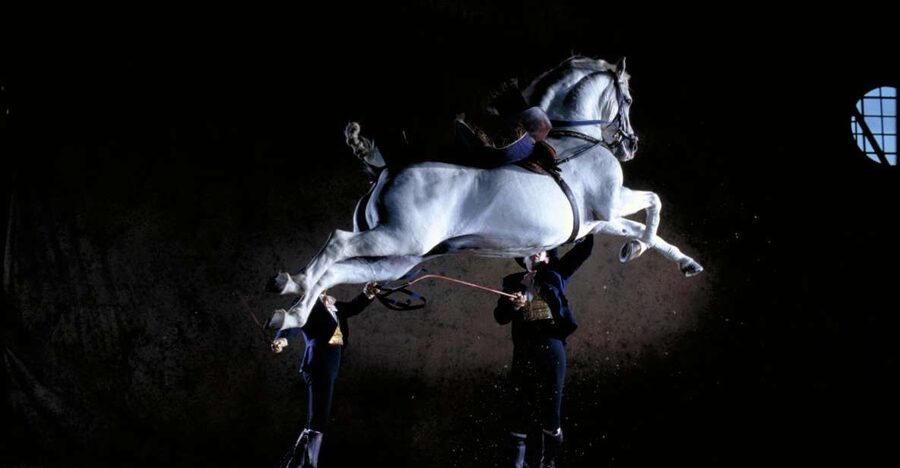
The Pas de Deux places two horses and riders together, testing timing and control. Passage and piaffe focus on the horse’s collected, elevated steps. In the Spanish walk, the horse lifts and extends its front legs with striking formality. The more advanced Haute École exercises include levades, caprioles, courbettes, and piaffe between pillars.
The vocabulary may sound technical, but you do not need prior riding knowledge to enjoy the sight. I suggest watching the relationship between rider and horse rather than trying to identify every movement. The best moments are often the quiet ones, when a small shift of the rider’s body produces a perfectly timed response.
The group work provides the grand finish. Multiple horses and riders perform advanced movements in unison, which makes small errors noticeable and successful coordination all the more impressive. The performance has some similarities to the famous Lipizzaner tradition in Vienna, but the Spanish setting, music, costumes, and Doma Vaquera influence give it a distinct character.
There are also bullfighting-related visual echoes in parts of the Spanish riding style. This is presented as equestrian tradition and showmanship, not as a bullfight, but the connection may interest you if you want to understand how riding developed within Andalusian culture.
More museums in Spain:
- Madrid: Prado Museum Entry Ticket
★ 4.6 · 17,509 reviews - Barcelona: FC Barcelona Museum “Barça Immersive Tour” Ticket
★ 4.4 · 10,944 reviews - Madrid: Reina Sofía Museum Entrance Ticket
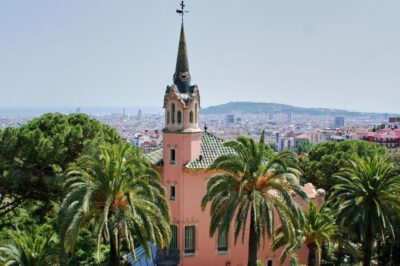
★ 4.5 · 6,889 reviews - Barcelona: Park Güell and Gaudí House Museum Entry Ticket
★ 4.5 · 6,326 reviews
Carriages, harnesses, and coachmen
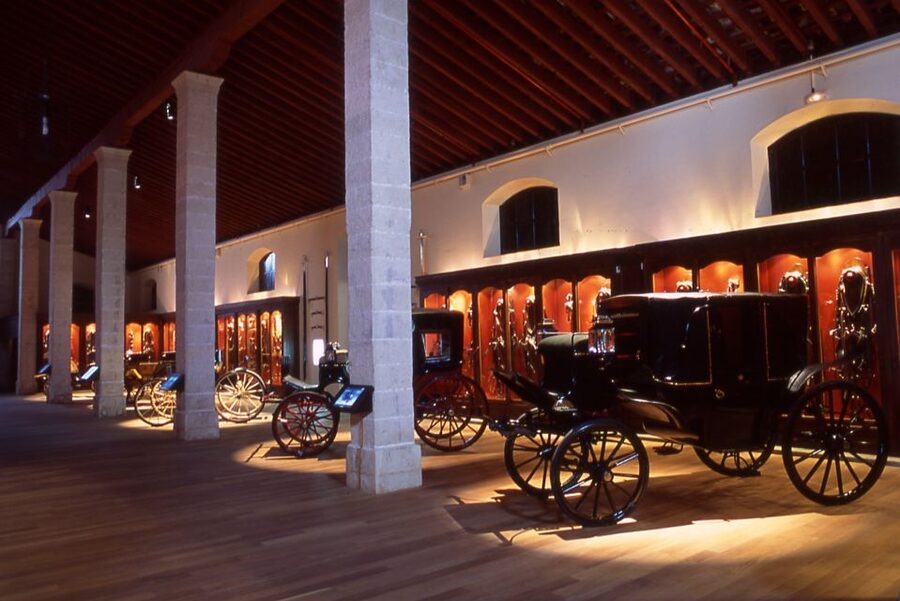
The carriage section gives the show a welcome change of pace. These vehicles were once used for transport and are now used for sport and exhibitions. You see horses working in harness while coachmen demonstrate precise control.
This part rewards close attention. A carriage team requires more than a well-trained horse. The coachman must manage reins, pace, turns, balance, and spacing while guiding a vehicle behind the animals. The formal harnesses also show how practical equipment can become part of a ceremonial display.
The Carriage Museum is open from 10:00 AM to 3:00 PM. It contains historic vehicles, harnesses, and equestrian costumes. I would not skip it, even if the horse ballet is your main reason for coming. The museum makes the carriage demonstration easier to appreciate and broadens the visit beyond dressage.
Photography is not permitted in the museums under the stated rules, which can be frustrating when you see ornate carriages and valuable-looking equipment. The restriction does at least keep the galleries quieter and lets you examine the objects without a constant screen in front of you. Bring your eyes, not your camera bag.
Timing your three and a half hours
The advertised duration is about 3.5 hours, and I would treat that as a realistic minimum rather than a strict guided schedule. A sensible visit looks something like this:
- Arrive in the morning and exchange your voucher at the ticket office.
- Watch the audiovisual presentation before it ends at 11:00 AM.
- Explore the gardens, palace, Art Equestrian Museum, and saddlery where open.
- Visit the stables or training areas if access is available.
- Take your seat for the noon to 1:30 PM performance.
- Finish with the Carriage Museum, open until 3:00 PM.
This order may shift depending on the day’s arrangements, but arriving early gives you the best chance of seeing the included areas. It also prevents the common mistake of arriving just before noon and then trying to fit all the museums into a narrow window afterward.
The full program is fairly packed. If you are visiting with young children, the horses and music should hold attention better than a conventional museum, but the length and formal pace may still test very young children. One family found that even a three-year-old was absorbed by the performance.
Seats, heat, and practical restrictions
The seating deserves a realistic note. Some sections offer good legroom and clear views, while another experience found the seats extremely uncomfortable. I would not assume that every seat feels equally pleasant, especially during a 90-minute performance.
The arena provides good sightlines according to the supplied practical information, but comfort can depend on your specific section. Arrive with enough time to settle in, and consider the weather when choosing clothing. Summer heat can be intense for both people and horses, even though the performance continues with impressive control.
The site is wheelchair accessible. Bring a passport or ID card, as identification is listed among the items to bring. Pets, smoking, glass objects, weapons, and sharp objects are not allowed. Cameras and video recording are also listed as prohibited, so do not plan on documenting the show or museums.
One practical detail can save you trouble: plan your ride home before the afternoon ends. Parking around the site can be difficult, and fines apply on surrounding streets. Taxis are easy enough to find when the crowd is leaving, but may become scarce later. If you are returning to Seville by train, buying the return ticket in advance is wise, especially on a busy performance day.
The school is about a 10-minute taxi ride from the train station, while the walk back has been described as roughly 25 minutes. If you arrive with luggage, ask staff about storage, since luggage storage has been available in at least some situations. Do not count on the souvenir shop remaining open after the site closes.
Is $38 a fair price?
At $38 per person, this is a good-value half-day for anyone interested in horses, Spanish culture, or performance art. The 90-minute show alone would justify much of the cost for many people, while the palace, gardens, film, saddlery, Art Equestrian Museum, and Carriage Museum fill out the experience.
The value is strongest when you use the whole morning and early afternoon. If you only arrive for the show, you are paying for admissions you will not fully use. I would arrive early, take the audiovisual presentation seriously, and leave time for the carriages and training areas.
Horse lovers will get the most from the visit, but you do not need to own a horse to enjoy it. The music, costumes, architecture, and carefully staged movements make this a strong cultural stop for a general visitor. The experience is also a good choice for families, provided children can manage a formal 90-minute show.
The main limitations are the heat, uncomfortable seating in some sections, inconsistent directions between areas, and the strict photography rules. If taking pictures is central to your enjoyment, you may feel restricted. If you prefer to watch without phones and cameras raised around you, the rule may actually improve the atmosphere.
Should you book the Andalusian horse show?
I would book this experience if you want a distinctly Andalusian performance rather than a standard museum visit. The combination of trained horses, Spanish riding traditions, carriage work, palace gardens, and useful museum displays gives you a fuller picture of Jerez’s equestrian culture.
Book early enough to arrange transport and secure a return train if you are coming from Seville or another city. Arrive in the morning, wear sensible clothing for warm weather, bring identification, and leave your camera behind. If your interest goes beyond the spectacle, ask about any available training or behind-the-scenes option.
Skip it only if you dislike animal performances, cannot manage a long seated show, or want a flexible photography-focused visit. For everyone else, this is one of Jerez’s strongest cultural outings and a sound use of $38.
FAQ
How long does the experience last?
The experience lasts about 3.5 hours. The horse show itself runs from 12:00 PM to 1:30 PM, while the museums and other areas have separate opening times.
What does the horse show include?
The show includes six to eight choreographies based on classical dressage, Doma Vaquera, and traditional equestrian work. Movements can include the Spanish walk, piaffe, passage, pirouettes, levades, caprioles, courbettes, and group exercises.
What museums are included?
Admission includes the Art Equestrian Museum and the Carriage Museum. The visit also includes access to the audiovisual presentation, palace where open, and saddlery where open.
Can I take photos or record video?
The stated rules do not allow cameras or video recording. Photography is therefore not something you should plan on during the visit.
What should I bring?
Bring your passport or ID card. Pets, smoking, glass objects, weapons, and sharp objects are not allowed.
Is the Royal Andalusian School wheelchair accessible?
Yes, the activity is listed as wheelchair accessible.
Recently added in Spain
- From Andratx: Formula Sunset Driving Tour★ 4.8 · 176 reviews
- Barcelona: Catamaran Cruise w/ Sailing, Wine, & Tapa★ 4.7 · 176 reviews
- Entrance to the Flamenco Temple Room in Madrid with Tapas Option★ 5.0 · 176 reviews
- Fuerteventura: Round-Trip or 1-Way Ferry Ticket to Lanzarote★ 4.7 · 176 reviews
- Mallorca Sailing Adventure with Snorkeling, Snacks & Drinks★ 5.0 · 176 reviews
- Valencia Private Walking Tour with Official Valencian Guide★ 5.0 · 176 reviews
- Benahavís: Canyoning Guided Tour at Guadalmina River★ 5.0 · 177 reviews
- Guided Gaudí Trencadís Mosaic Workshop in Barcelona 2 Hours★ 5.0 · 176 reviews
Museums, compared.
Park Güell and Gaudí House Museum Entry Ticket
Read the review →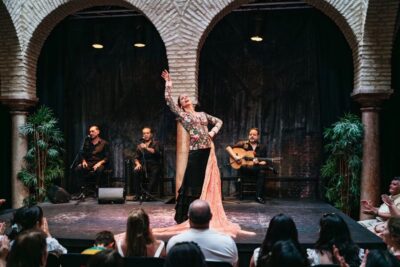
Puro Flamenco Show with Optional Museum Ticket
Read the review →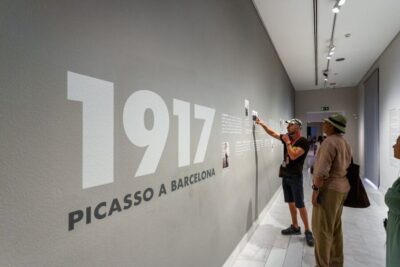
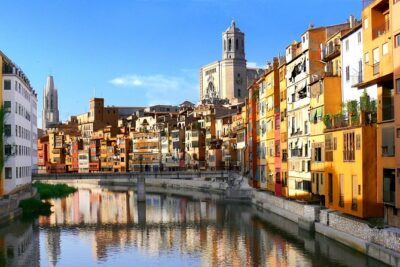
Girona & Dali Museum Small Group Tour with Pick-up from Barcelona
Read the review →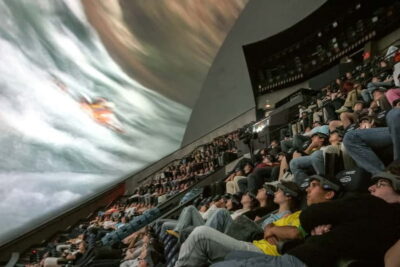
Oceanogràfic, Hemisfèric & Science Museum Combo
Read the review →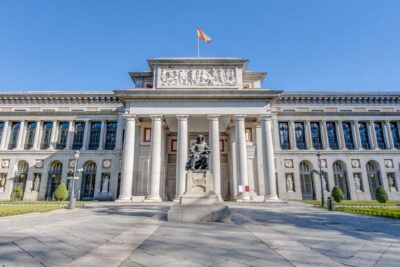
Small Group of Prado Museum Tour & Optional Tapas
Read the review →Browse the lists this tour appears in